Best Espresso for Espresso Machines | Top Selections

9FAQs
In the vast and aromatic world of coffee, espresso stands as a pinnacle of flavor intensity and cultural significance. This concentrated elixir, born from the perfect marriage of finely ground beans and precisely pressurized hot water, has captivated palates and fueled conversations for generations. But as any espresso aficionado will tell you, not all shots are created equal.
The quest for the perfect shot of espresso begins long before the first drop hits the cup, it starts with the careful selection of beans that will ultimately define the character of your brew. The journey to espresso excellence is a nuanced one, influenced by a myriad of factors from bean origin and roast profile to brewing technique and machine calibration.
In a market flooded with options, choosing the right beans for your espresso machine can seem like a daunting task. Yet, it’s this very diversity that allows for the exciting exploration of flavors and the discovery of your personal espresso nirvana. As we embark on this flavorful expedition, we’ll delve into the intricacies of espresso bean selection, unraveling the mysteries behind roast levels, blend compositions, and origin stories.
The Essence of Espresso: Understanding the Perfect Bean
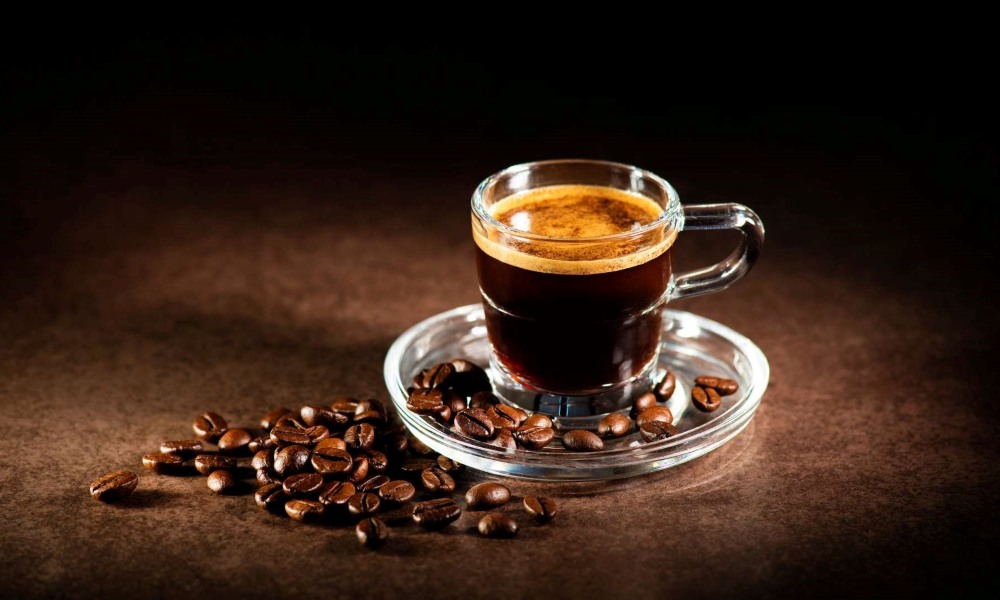
Espresso is often misunderstood as simply a stronger version of regular coffee, but it’s so much more. This concentrated coffee machine beverage is characterized by its rich flavor, velvety crema, and intense aroma. The perfect espresso bean must be able to withstand the high-pressure extraction process while releasing a complex array of flavors in a matter of seconds.
The Role of Bean Selection in Espresso Quality
Selecting the right beans is crucial for creating exceptional espresso coffee. The best beans for espresso are typically medium to dark roasts that can stand up to the intense extraction process. They should have a balanced flavor profile with notes of chocolate, nuts, and caramel, complemented by a subtle acidity that adds brightness to the cup.
Arabica vs. Robusta: Debunking Myths
While Arabica beans are often touted as superior, many excellent espresso blends incorporate Robusta beans for added depth and crema. The key is finding the right balance. High-quality Robusta can add body and increase the caffeine content, making it a valuable component in espresso blends.
Roast Profiles: The Dark Art of Espresso Creation
Light, Medium, and Dark Roasts: Which Works Best?
Traditionally, espresso has been associated with dark roasts, but modern coffee culture has embraced a wider range of roast profiles. Medium roasts can offer a more nuanced flavor experience, while light roasts can highlight the unique characteristics of single-origin beans. The best coffee for espresso often lies in finding the roast level that complements the bean’s natural flavors and your personal preferences.
The Science of Roasting for Espresso
Roasting for espresso is a delicate balance. The process must develop the beans’ natural sugars to create the sweet, caramelized notes characteristic of good espresso, while also maintaining enough acidity to prevent a flat taste. The roast level also affects the bean’s solubility, which impacts extraction during brewing.
Regional Variations in Roast Preferences
Different regions have developed unique roasting styles for espresso. Italian roasts tend to be darker, producing a bold, robust flavor, while Northern European roasters often prefer medium roasts that preserve more of the bean’s original character. Understanding these regional preferences can help you find an espresso that suits your taste.
Single Origin vs. Blends: The Great Espresso Debate
Advantages of Single-Origin Espressos
Single-origin espressos offer a unique tasting experience, showcasing the distinct flavors of a specific region or farm. These beans can produce espresso with bright, fruity notes and complex acidity, appealing to those who enjoy exploring the diverse world of coffee flavors.
The Art of Blending for Complexity
Blends are the traditional choice for espresso, combining beans from different origins to create a balanced and consistent flavor profile. A well-crafted blend can offer depth, complexity, and a harmonious taste that performs well in milk-based drinks like cappuccino.
How to Choose Based on Your Machine and Taste
The choice between single-origin and blends often depends on your espresso machine and personal preferences. Automatic espresso machines may perform better with consistent blends, while manual machines allow for more experimentation with single-origin beans. Consider your brewing style and flavor preferences when making your selection.
Freshness Factors: Maximizing Flavor in Your Cup
The Impact of Roast Date on Espresso Quality
Freshness is paramount when it comes to espresso. Beans reach their peak flavor about 7-14 days after roasting, allowing time for CO2 to dissipate while retaining essential oils. Look for beans with a recent roast date and aim to use them within a month for the best flavor.
Storage Techniques for Optimal Freshness
Proper storage is crucial for maintaining bean quality. Store your beans in an airtight container away from light, heat, and moisture. Some experts recommend freezing beans for long-term storage, but be sure to thaw them completely before use to prevent moisture issues.
Grinding: The Final Frontier of Freshness
For the freshest espresso, grind your beans just before brewing. Ground coffee begins to lose its flavor and aroma within minutes of grinding. Invest in a quality burr grinder to ensure consistent grind size, which is essential for even extraction and great-tasting espresso.
Exploring Flavor Profiles: A World Tour of Espresso
Classic Italian-Style Espresso Characteristics
Traditional Italian espresso is known for its full body, rich crema, and balanced bitterness. These blends often feature a combination of Arabica and Robusta beans, resulting in a bold flavor that cuts through milk beautifully in drinks like lattes and cappuccinos.
New World Espresso Trends and Flavors
Modern espresso trends, particularly in the specialty coffee scene, lean towards lighter roasts and single-origin beans. These espressos often feature brighter acidity, fruity notes, and more complex flavor profiles that challenge traditional notions of what espresso should taste like.
Experimental and Specialty Espresso Offerings
The world of specialty espresso is constantly evolving, with roasters experimenting with unique processing methods, rare varietals, and innovative blending techniques. These experimental offerings can provide exciting new taste experiences for the adventurous espresso lover.
Sustainability and Ethics in Espresso Production
The Importance of Fair Trade and Direct Trade
Ethical sourcing is becoming increasingly important in the coffee industry. Fair Trade and Direct Trade practices ensure that farmers receive fair compensation for their work, while also promoting sustainable farming practices. Consider supporting roasters who prioritize ethical sourcing in their espresso offerings.
Organic vs. Conventional Espresso Beans
Organic espresso beans are grown without synthetic pesticides or fertilizers, appealing to environmentally conscious consumers. While organic certification doesn’t guarantee better taste, it does ensure that the beans are produced in a more sustainable manner.
Environmental Considerations in Espresso Farming
Climate change poses a significant threat to coffee production worldwide. Look for espresso beans from roasters who support environmentally friendly farming practices and work to reduce their carbon footprint in the production and distribution process.
Pairing Your Espresso with Your Machine
How Different Machines Extract Flavors
Different espresso machines have unique extraction characteristics that can affect the flavor of your espresso. Pressure profiling, temperature stability, and pre-infusion capabilities all play a role in how flavors are extracted from the beans. Understanding your machine’s strengths can help you choose beans that will perform well with your setup.
Adjusting Grind and Dose for Optimal Extraction
Achieving the perfect extraction requires fine-tuning your grind size and dose. Start with the recommended settings for your machine and beans, then adjust based on taste. A well-extracted espresso should have a balance of sweetness, acidity, and bitterness, with a smooth, lingering aftertaste.
Troubleshooting Common Espresso Issues
If your espresso tastes off, consider common issues like under-extraction (sour, weak taste) or over-extraction (bitter, harsh taste). Adjust your grind size, dose, or extraction time to fine-tune the flavor. Remember that different beans may require different settings to achieve optimal extraction.
The Connoisseur’s Selection: Top Espresso Picks
Traditional Favorites: Time-Tested Espresso Blends
Some classic espresso blends have stood the test of time for good reason. The Lavazza Super Crema is a beloved choice for its smooth, creamy texture and balanced flavor profile. This blend performs exceptionally well in automatic machines and produces a consistently delicious espresso.
Rising Stars: Innovative New Espresso Offerings
For those looking to explore new flavors, the Herkimer Coffee Espresso Blend offers a modern take on espresso. This blend features a lighter roast profile that highlights the natural sweetness and complexity of the beans, resulting in a bright, vibrant espresso with notes of chocolate and fruit.
Specialty Selections for the Adventurous Palate
Adventurous espresso lovers should try Specialty Coffee for Super Automatic Espresso Machines. These beans are specifically crafted to bring out the best in automatic machines, offering a range of flavor profiles from classic to experimental. They’re perfect for those who want to explore the world of specialty coffee without compromising on convenience.
FAQs
1. How should I store my coffee beans to maintain freshness?
To keep your coffee beans fresh, store them in an airtight container away from light, heat, and moisture. It’s best to keep them in a cool, dark place like a pantry. If you need to store beans for an extended period, you can freeze them, but make sure to thaw completely before use to avoid moisture issues.
2. What is the optimal grind size for espresso?
The optimal grind size for espresso is fine, resembling table salt. However, the exact grind size can vary depending on factors such as your espresso machine and the specific beans you are using. It’s important to use a quality burr grinder to achieve a consistent grind, which is crucial for even extraction.
3. What are the signs of under-extracted or over-extracted espresso?
Under-extracted espresso typically tastes sour and weak due to insufficient extraction time or too coarse a grind. Over-extracted espresso, on the other hand, often tastes bitter and harsh, usually due to too fine a grind or too long an extraction time. Adjusting the grind size and extraction time can help achieve a balanced flavor.
4. What is the difference between Fair Trade and Direct Trade coffee?
Fair Trade coffee ensures that farmers receive fair compensation and promotes sustainable farming practices. Direct Trade also aims to provide fair compensation but involves roasters purchasing directly from farmers, which often leads to better quality control and stronger relationships between growers and roasters.
5. Can I use any beans in a super-automatic espresso machine?
While you can use most types of beans in a super-automatic espresso machine, it’s best to use beans specifically crafted for these machines. Specialty beans for super-automatic machines are designed to bring out the best in automatic brewing, offering a range of flavor profiles without compromising on convenience.
Final Thoughts
As we’ve journeyed through the world of espresso beans, it’s clear that the pursuit of the perfect shot is a blend of science, art, and personal preference. The best beans for espresso are those that not only suit your taste buds but also complement your brewing equipment and align with your values.
Whether you’re drawn to the classic Italian blends that have defined espresso for generations or intrigued by the innovative offerings of modern specialty roasters, the key is to experiment and discover what works best for you. Remember that the world of espresso is vast and ever-evolving, offering endless opportunities for exploration and refinement of your coffee experience.
As you embark on your own espresso adventure, don’t be afraid to try new beans, adjust your brewing parameters, and push the boundaries of what you thought espresso could be. The perfect shot is out there waiting for you, and the journey to find it is half the fun.
0 Comments
Most Voted