Tiger vs Zojirushi Rice Cooker | Showdown Winner?

9FAQs
In the culinary world, few kitchen appliances have revolutionized home cooking quite like the humble rice cooker. This unassuming device has transformed the art of rice preparation from a delicate balancing act to a foolproof process, ensuring perfectly cooked rice with minimal effort.
As our global palates have expanded and the demand for diverse rice dishes has grown, so too has the sophistication of these machines. Among the myriad options available, two brands have consistently stood out, captivating the hearts (and taste buds) of rice enthusiasts worldwide: Tiger and Zojirushi.
These Japanese giants have been locked in a friendly rivalry for decades, each striving to outdo the other in innovation, efficiency, and the pursuit of rice perfection. Tiger, with its bold approach and user-friendly designs, has carved out a significant niche in households seeking reliability and versatility.
On the other hand, Zojirushi, often hailed as the epitome of rice cooking technology, has built a reputation for producing restaurant-quality rice in the comfort of one’s home. So, let’s delve deep into the nuances that set these brands apart. From their cutting-edge technologies and cooking mechanisms to their design philosophies and user experiences, we’ll leave no grain unturned in our quest to determine which brand truly deserves the crown of rice cooker champion.
Let’s get started!
The Rice Cooker Revolution
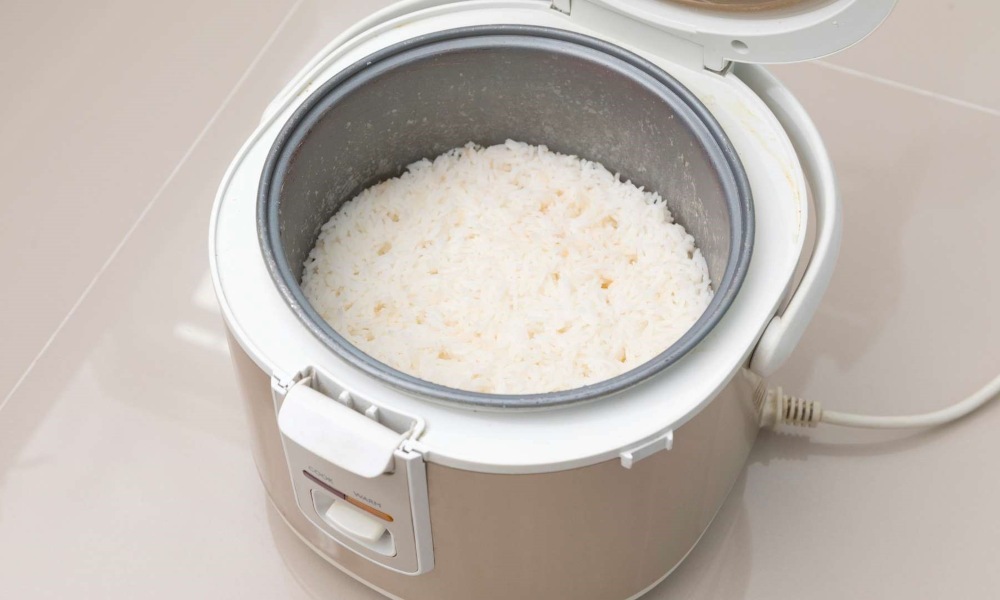
The story of the electric rice cooker begins in post-war Japan, where the need for convenient, foolproof rice cooking methods became apparent as more women entered the workforce. The first electric rice cooker was introduced in 1955, revolutionizing home cooking and paving the way for the advanced machines we see today.
Importance of Rice in Global Cuisine
Rice is a staple food for more than half of the world’s population, with its importance extending far beyond mere sustenance. From the jasmine rice of Thailand to the basmati rice of India, each type of rice carries with it a rich cultural heritage and culinary tradition. The ability to cook rice perfectly has become an essential skill in kitchens around the globe.
Tiger and Zojirushi: Brand Legacies
Both Tiger and Zojirushi have deep roots in Japanese manufacturing excellence. Tiger Corporation, founded in 1923, initially focused on glass vacuum bottles before expanding into rice cookers in the 1970s. Zojirushi, established in 1918, began as a manufacturer of glass-lined vacuum bottles and entered the rice cooker market in 1970 with its groundbreaking electric rice cooker.
Technology Face-Off: Cooking Mechanisms Compared
Tiger’s Cooking Technology Breakdown
Tiger rice cookers are known for their “Tacook” function, which allows for synchronized cooking of rice and side dishes. Their advanced models feature:
- Induction heating for precise temperature control
- “Ultra” settings for various rice textures
- Automated cooking logic that adjusts time and temperature based on the amount of rice
Zojirushi’s Innovative Features
Zojirushi is renowned for its “Neuro Fuzzy” logic technology, which makes micro-adjustments to cooking time and temperature. Key features include:
- MICOM (Microcomputer) controlled cooking cycles
- Induction heating and pressure cooking in high-end models
- Extended keep-warm and reheating cycles
How Each Brand Approaches Perfect Rice
While both brands aim for perfection, their approaches differ slightly. Tiger focuses on versatility and ease of use, while Zojirushi emphasizes precision and customization. Both brands offer settings for various rice types, ensuring you can cook rice perfectly, whether it’s white rice, brown rice, or specialty grains.
Versatility Verdict: Beyond Basic Rice
Tiger’s Multi-Cooking Capabilities
Tiger rice cookers often come with a “synchro-cooking” function, allowing users to prepare a complete meal by cooking rice and side dishes simultaneously. This feature is particularly appealing for busy households looking to streamline meal preparation.
Zojirushi’s Menu Options and Settings
Zojirushi excels in providing a wide array of cooking options beyond rice. Many models offer settings for:
- Porridge
- Cake baking
- Slow cooking
- Steam cooking
Comparing Non-Rice Cooking Performance
When it comes to versatility, both brands offer impressive capabilities. Tiger’s synchro-cooking gives it an edge in one-pot meal preparation, while Zojirushi’s extensive menu options make it a more versatile appliance for various cooking tasks.
Design Duel: Form Meets Function
Tiger’s Aesthetic and Practical Design Elements
Tiger rice cookers often feature:
- Bold, modern aesthetics
- Easy-to-read displays
- Detachable inner lids for easy cleaning
Zojirushi’s Approach to User Interface and Ergonomics
Zojirushi is known for:
- Sleek, minimalist designs
- Intuitive control panels
- Retractable power cords for neat storage
Capacity Options and Space Efficiency
Both brands offer a range of sizes to suit different household needs. Tiger tends to focus on larger capacities, ideal for families, while Zojirushi offers more compact options perfect for smaller households or limited counter space.
Durability Debate: Built to Last?
Materials and Construction Quality
Both Tiger and Zojirushi are renowned for their durable construction. Tiger often uses stainless steel exteriors, while Zojirushi is known for its high-quality plastic casings that resist scratches and discoloration.
Long-Term Performance and User Experiences
Users consistently report excellent long-term performance from both brands. Many Zojirushi owners boast of machines lasting over a decade, while Tiger users praise the consistent performance year after year.
Warranty and Customer Support Comparison
Both brands offer competitive warranties, typically ranging from 1 to 5 years depending on the model. Zojirushi is often praised for its responsive customer service, while Tiger is known for its comprehensive user manuals and troubleshooting guides.
Energy Efficiency and Eco-Friendliness
Power Consumption Analysis
Modern rice cookers from both brands are designed with energy efficiency in mind. Zojirushi’s induction heating models are particularly efficient, while Tiger’s quick-cooking modes can reduce overall energy consumption.
Eco-Friendly Features and Certifications
Both brands have models that meet various energy efficiency standards. Zojirushi, in particular, has several Energy Star-certified models, indicating superior energy efficiency.
Long-Term Environmental Impact Considerations
The durability of both brands contributes to their eco-friendliness by reducing the need for frequent replacements. Additionally, both companies have initiatives to reduce their environmental footprint in manufacturing and packaging.
Price Point Perspectives: Value for Money
Initial Cost Comparison Across Models
Generally, Zojirushi models tend to be priced higher than comparable Tiger models. However, both brands offer a range of options from budget-friendly to high-end, professional-grade cookers.
Long-Term Value Assessment
While Zojirushi’s higher initial cost may be a deterrent for some, many users find that the longevity and consistent performance justify the investment. Tiger offers excellent value, particularly in its mid-range models, which provide a good balance of features and affordability.
Additional Features Justifying Price Differences
Zojirushi’s higher prices are often justified by advanced features like:
- Induction heating
- Pressure cooking capabilities
- Extended warranty options
Tiger, while generally more affordable, offers competitive features in its higher-end models, including multi-cooking functions and advanced heating technologies.
The Taste Test: What Users Are Saying
Professional Chef Opinions and Preferences
Professional chefs often lean towards Zojirushi for its precision and ability to handle specialty rice like sushi rice. However, many praise Tiger for its consistency and ease of use in high-volume settings.
Home Cook Experiences and Reviews
Home cooks generally report high satisfaction with both brands. Zojirushi is often praised for producing Japanese rice with restaurant-quality texture, while Tiger receives accolades for its user-friendly interface and versatile cooking options.
Blind Taste Test Results and Analysis
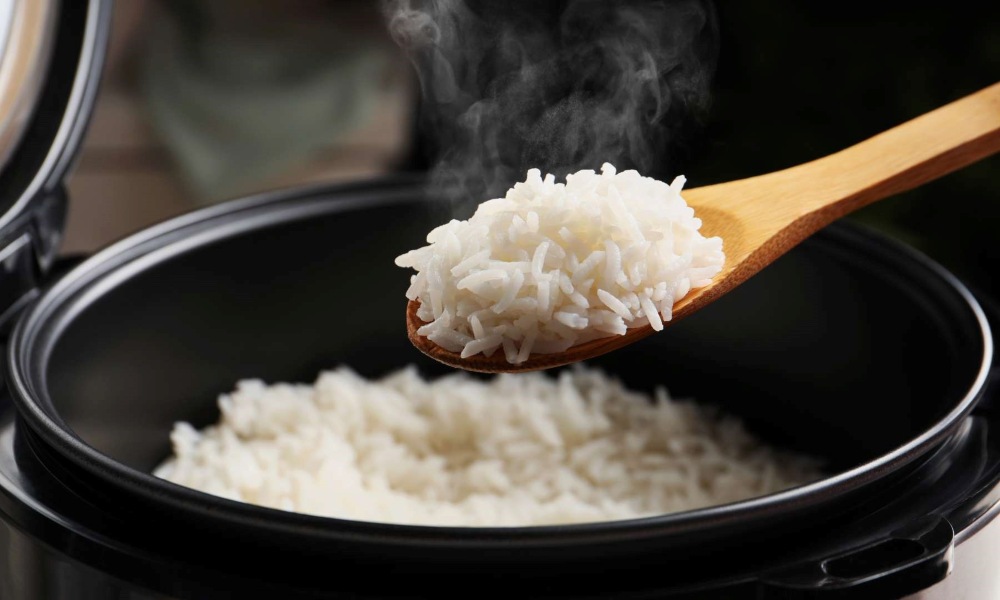
In blind taste tests, both brands consistently produce high-quality rice. Zojirushi often edges out in texture perfection, especially for white rice, while Tiger excels in maintaining the distinct flavors of jasmine rice and basmati rice.
FAQs
1. Which brand is better for cooking different types of rice?
Both Tiger and Zojirushi excel at cooking various types of rice, but they have slight differences. Zojirushi is often preferred for Japanese short-grain rice, sushi rice, and brown rice due to its extended cooking cycles. Tiger is favored for jasmine rice, basmati rice, and quick-cooking rice varieties. Ultimately, both brands offer settings for multiple rice types, so you can achieve great results with either. The choice often comes down to personal preference and which specific model you choose.
2. Are Tiger and Zojirushi rice cookers worth the higher price compared to basic models?
Yes, for many users, the investment in a Tiger or Zojirushi rice cooker is worthwhile due to its consistency, versatility, durability, advanced features, and energy efficiency. While the initial cost is higher, the long-term value, consistent results, and additional features often justify the price for frequent rice eaters or cooking enthusiasts.
3. How do I clean and maintain my Tiger or Zojirushi rice cooker?
Proper cleaning and maintenance are crucial for longevity and performance. After each use, unplug the cooker, let it cool, and wash removable parts with mild soap and warm water. Wipe the exterior and heating plate with a damp cloth. Regularly clean the steam vent and valve to prevent clogging. For deep cleaning, use a rice cooker cleaning solution or a mixture of water and vinegar to remove mineral deposits. Always refer to your specific model’s user manual for detailed cleaning instructions.
4. Can I cook other foods besides rice in these cookers?
Yes, both Tiger and Zojirushi rice cookers are versatile and can be used for various dishes. Tiger’s “Tacook” function allows for simultaneous rice and side dish cooking, while Zojirushi offers settings for porridge, slow cooking, and steaming. Both brands can typically handle oatmeal, steamed vegetables, and one-pot meals. The exact capabilities depend on the specific model, so check the product features for the full range of cooking options.
5. How do Tiger and Zojirushi compare in terms of keep-warm functions?
Both Tiger and Zojirushi offer excellent keep-warm functions, but there are some differences. Zojirushi is known for extended keep-warm times, often up to 24 hours or more, and uses advanced technology to maintain optimal temperature without drying out the rice. Tiger typically offers keep-warm functions for 12-24 hours, depending on the model, with many automatically switching to keep-warm after cooking. Both brands ensure that rice stays at a safe temperature without significant loss of quality, with Zojirushi having a slight edge for very long keep-warm times.
Final Thoughts
As we reach the culmination of our rice cooker showdown, it becomes clear that crowning a single champion is no easy task. Both Tiger and Zojirushi have demonstrated their prowess in crafting machines that elevate the humble act of cooking rice into an art form. The choice between these two titans ultimately boils down to individual priorities and cooking styles.
Zojirushi shines with its precision engineering and attention to detail, making it a favorite among rice purists and those who demand the utmost control over their cooking. Its ability to consistently produce perfectly cooked rice, especially when it comes to Japanese rice and sushi rice, is unparalleled. The brand’s commitment to innovation and quality makes it a worthwhile investment for those who view their rice cooker as a long-term kitchen companion.
Tiger, on the other hand, brings versatility and user-friendliness to the forefront. Its multi-cooking capabilities and straightforward interfaces make it an attractive choice for busy households and those who value efficiency. The ability to prepare a complete meal with the synchro-cooking function is a game-changer for many, and the consistent performance across various rice types, from brown rice to basmati rice, ensures that you’ll get great rice cooker results every time.
If precision and the pursuit of the perfect grain are your top priorities, Zojirushi might be your champion. If versatility, ease of use, and value for money are what you seek, Tiger could be the winner in your kitchen.
0 Comments
Most Voted