French Press vs Moka Pot | Which Brew Is for You?

9FAQs
When it comes to making the perfect cup of coffee, the brew methods you choose play a crucial role. The French Press and Moka Pot are two beloved coffee-making techniques, each offering its unique flavor profile and brewing experience. Whether you prefer a rich, robust brew or a smoother, more refined taste, understanding the differences between these methods can elevate your coffee game.
The French Press, also known as a press pot or plunger pot, boasts simplicity and depth of flavor. This method involves immersing coarsely ground coffee beans in hot water, and then pressing the grounds to the bottom with a metal or plastic plunger. The result? A full-bodied cup of coffee rich in natural oils and fine sediments, perfect for those who appreciate a heavier, more aromatic brew.
On the other hand, the Moka Pot, often referred to as a stovetop espresso maker, is synonymous with the rich, intense coffee experience found in Italian households. Operating on a pressure-based system, the Moka Pot forces boiling water up through finely ground coffee into an upper chamber. This results in a concentrated cup of coffee that’s strong, bold, and espresso-like, making it ideal for those who love a potent morning jolt.
In this article, we’ll dive deeper into the distinct characteristics and benefits of both the French Press and Moka Pot. By the end, you’ll have a clearer understanding of which brew method aligns with your coffee preferences and lifestyle, ensuring every cup of coffee you make is perfectly suited to your taste.
A Brief History of French Press and Moka Pot
The French Press, despite its name, was actually patented by an Italian designer in 1929. It gained popularity in the 1960s and has since become a symbol of simple, elegant coffee brewing. The Moka Pot, invented by Alfonso Bialetti in 1933, quickly became an icon of Italian coffee culture and has found its way into kitchens around the world.
Cultural Significance in Coffee Consumption
Both the French Press and Moka Pot have played significant roles in shaping coffee cultures. The French Press is often associated with a leisurely, contemplative approach to coffee drinking, while the Moka Pot is emblematic of the quick, strong coffee shots favored in Italian households and cafes.
The Rise of Home Brewing and Its Impact
With the growing trend of home brewing, both methods have seen a resurgence in popularity. Coffee enthusiasts appreciate the control and ritual these manual brewing methods offer, contrasting with the convenience of automatic drip coffee makers.
Anatomy of the Brewers: Design and Functionality
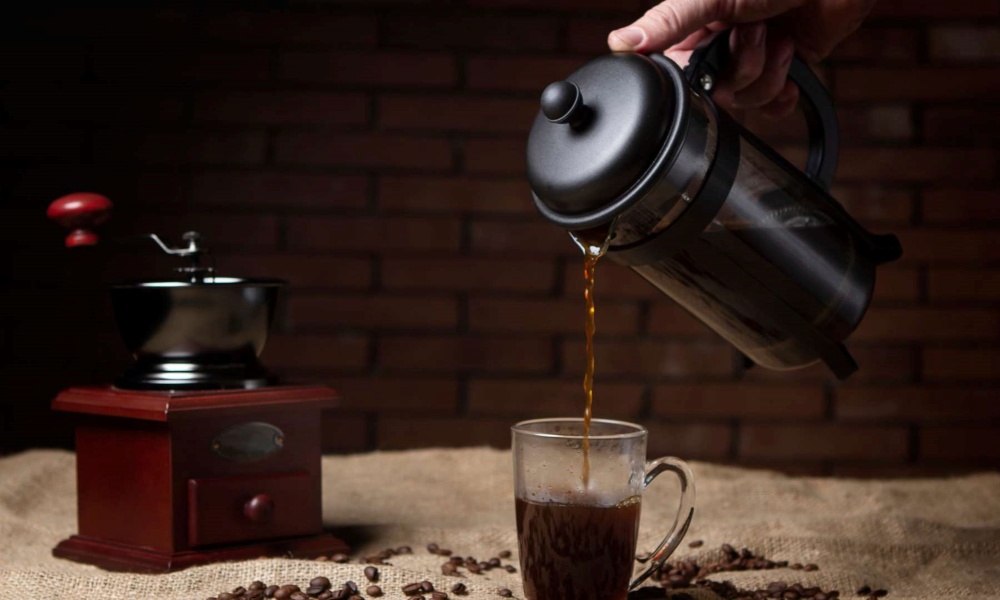
French Press: Simplicity in Action
The French Press consists of a cylindrical glass or metal carafe and a plunger with a metal mesh filter. Its design allows for full immersion brewing, where coarsely ground coffee steeps directly in hot water before being separated by the plunger.
Moka Pot: The Stovetop Alchemist
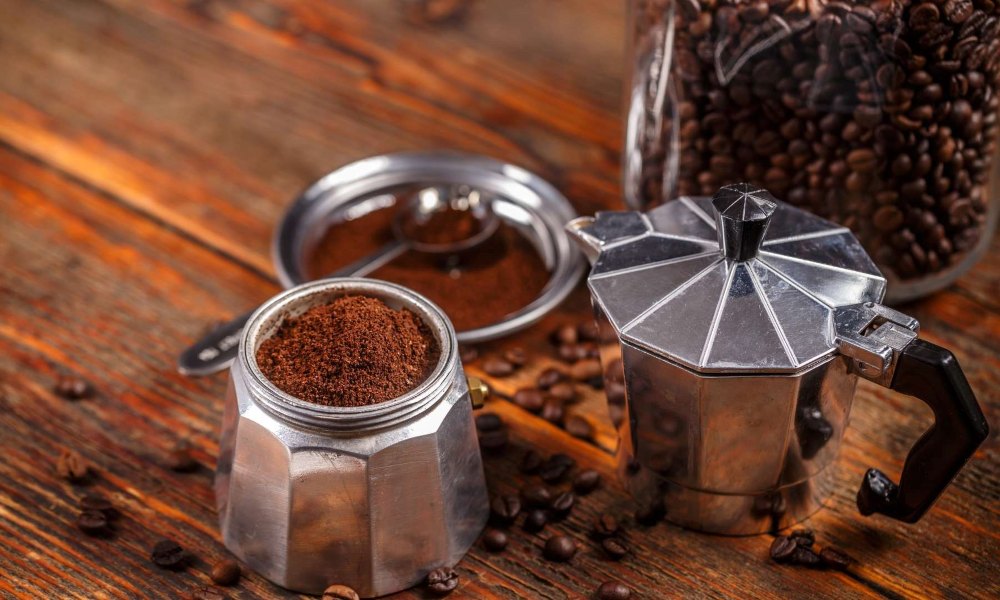
The Moka Pot features a distinctive eight-sided design with three main components: a bottom chamber for water, a middle funnel-shaped filter basket for coffee grounds, and a top chamber where the brewed coffee collects. It uses steam pressure to force hot water through the coffee grounds.
How Design Influences the Brewing Process
The French Press’s design allows for a full extraction of coffee oils and flavors, resulting in a rich, full-bodied brew. The Moka Pot’s pressure-driven system produces a strong, concentrated coffee that’s closer to espresso in strength and character.
The Science Behind the Sip: Extraction and Flavor Profiles
French Press: Full Immersion Brewing
French press coffee relies on steeping, where hot water and coffee grounds are in direct contact throughout the brewing process. This method extracts a wide range of flavor compounds, resulting in a complex, full-bodied coffee with a rich mouthfeel.
Moka Pot: Pressure and Steam Dynamics
The Moka Pot uses pressure to force hot water through finely-ground coffee, similar to an espresso machine but at lower pressure. This process extracts intense flavors and creates a concentrated brew with a distinct crema-like foam.
Chemical Compounds and Their Impact on Taste
The French Press’s full immersion method extracts more oils and fine particles, leading to a heavier body and more pronounced flavors. The Moka Pot’s pressure extraction emphasizes certain flavor compounds, resulting in a bolder, more intense taste profile.
Mastering the Craft: Brewing Techniques and Tips
French Press: The Perfect Plunge
To achieve the best results when using a French press:
- Use coarsely ground coffee
- Preheat the press with hot water
- Add coffee and hot water (just off boiling)
- Stir gently and let steep for 4 minutes
- Plunge slowly and pour immediately
Moka Pot: Achieving the Golden Flow
For the perfect Moka Pot brew:
- Use fine-medium ground coffee
- Fill the bottom chamber with hot water
- Insert the filter basket and fill with coffee (don’t tamp)
- Assemble the pot and place on medium heat
- Remove from heat when you hear a gurgling sound
Common Mistakes and How to Avoid Them
For French Press, avoid over-extracting by plunging too late or using too fine a grind. With Moka Pot, don’t overfill the filter basket or use water that’s too hot, as this can lead to bitter, over-extracted coffee.
Bean Basics: Choosing the Right Coffee
Grind Size Matters: Coarse vs. Fine
The French Press requires a coarse grind to prevent over-extraction and gritty coffee. The Moka Pot requires a finer grind, similar to espresso but slightly coarser, to create the right resistance for pressure brewing.
Roast Levels and Their Suitability
Medium to dark roasts work well in a French Press, enhancing its full-bodied characteristics. The Moka Pot can handle a range of roasts but often shines with medium to medium-dark roasts that complement its intense brewing style.
Single-Origin vs. Blends for Each Method
Single-origin coffees can showcase their unique flavors in a French Press, while blends often work well in a Moka Pot to create a balanced, espresso-like brew. Experiment with both to find your preference for each brew method.
Beyond the Brew: Versatility and Experimentation
French Press: Not Just for Coffee
The French Press can be used to brew loose-leaf tea, make cold brew coffee, or even create infused oils and cocktails. Its versatility extends beyond coffee, making it a multi-functional kitchen tool.
Moka Pot: Espresso-Based Drink Variations
While not true espresso, Moka Pot coffee can be used as a base for lattes, cappuccinos, and Americanos. Its strong flavor stands up well to milk and other additives.
Creative Recipes and Infusions
Both methods lend themselves to experimentation. Try adding spices like cinnamon or cardamom to your French Press brew, or use the Moka Pot to create flavored syrups for cocktails and desserts.
Practical Considerations: Convenience, Cost, and Maintenance
Brew Time and Effort Comparison
French Press typically has a brew time of 4-5 minutes, while a Moka Pot can produce coffee in 5-10 minutes. Both require active participation in the brewing process, offering a hands-on experience.
Initial Investment and Long-Term Costs
French Presses are generally less expensive upfront and have no ongoing costs beyond coffee. Moka Pots may be slightly more expensive initially but also have no significant long-term costs.
Cleaning and Maintenance Requirements
French Presses are easy to clean but require regular disassembly of the plunger mechanism. Moka Pots need to be thoroughly dried after each use to prevent corrosion and should be descaled periodically.
Environmental Impact and Sustainability
Material Considerations: Glass, Metal, and Plastic
French Presses come in glass, metal, or plastic, each with different environmental implications. Moka Pots are typically made of aluminum or stainless steel, both of which are durable and recyclable.
Energy Consumption Comparison
The French Press only requires energy to heat water, while the Moka Pot requires additional energy for stovetop heating. However, both are generally more energy-efficient than electric coffee makers.
Waste Production and Recyclability
Both methods produce minimal waste, with only coffee grounds as a byproduct. These grounds can be composted or used in gardens, making both brewing methods environmentally friendly options.
FAQs
1. Which method produces stronger coffee, the French Press or the Moka Pot?
The Moka Pot typically produces stronger, more concentrated coffee, similar to espresso. French Press coffee is full-bodied but generally less intense. The strength can be adjusted in both methods by altering the coffee-to-water ratio.
2. Is one method more suitable for beginners?
The French Press is often considered more beginner-friendly due to its simpler mechanism and forgiving brew process. The Moka Pot requires a bit more attention to detail but can be mastered with practice.
3. Can I use the same coffee grounds for both methods?
No, each method requires a different grind size. French Press needs coarse grounds, while Moka Pot works best with fine to medium-fine grounds. Using the wrong grind size can result in over or under-extraction.
4. Which method is more time-efficient for daily use?
French Press typically has a shorter brew time (about 4-5 minutes), while Moka Pot can take 5-10 minutes. However, the Moka Pot process can be started and left unattended briefly, which some find more convenient.
5. Are there significant differences in caffeine content between the two methods?
Moka Pot coffee generally has a higher caffeine concentration due to its pressure-brewing process. However, the total caffeine intake can be similar if you drink a larger volume of French Press coffee.
Final Thoughts
As we’ve explored the intricacies of French Press and Moka Pot brewing, it’s clear that both methods offer unique advantages and can produce exceptional coffee when used correctly. The choice between them ultimately comes down to personal preference, lifestyle, and the type of coffee experience you’re seeking.
The French Press shines in its simplicity and ability to produce a full-bodied, richly flavored brew. It’s perfect for those who enjoy a leisurely coffee ritual and appreciate the nuanced flavors of different coffee beans. Its versatility and ease of use make it an excellent choice for both beginners and experienced coffee enthusiasts.
On the other hand, the Moka Pot appeals to those who crave a stronger, more intense coffee experience reminiscent of espresso. It’s ideal for fans of Italian-style coffee and those who enjoy experimenting with espresso-based drinks at home. While it requires a bit more attention during brewing, the reward is a unique and flavorful cup that can serve as the foundation for a variety of coffee creations.
Ultimately, the best choice is the one that aligns with your taste preferences, brewing style, and daily routine. Many coffee lovers find joy in owning both, alternating between them based on mood or occasion. Whichever you choose, remember that the key to great coffee lies not just in the method, but in the quality of your beans, the care in your preparation, and the joy you take in the brewing process!
0 Comments
Most Voted