How To Sharpen a Fillet Knife | Enhance Your Edge

9FAQs
When it comes to culinary precision, few tools are as essential as a well-maintained fillet knife. This slender, flexible blade is the unsung hero of fish preparation, capable of transforming a whole catch into perfectly portioned fillets with grace and efficiency. However, even the finest fillet knife is only as good as its edge, and maintaining that razor-sharp precision is an art form in itself.
The process of sharpening a fillet knife is more than just a maintenance task; it’s a ritual that connects you to the legacy of blade craftsmanship stretching back centuries. It’s a skill that, once mastered, elevates your culinary game and ensures that every cut is a testament to your dedication to quality. Whether you’re a professional chef, an avid angler, or a home cook passionate about seafood preparation, learning how to sharpen your fillet knife is a crucial step in your culinary journey.
In this comprehensive guide, we’ll dive deep into the world of knife sharpening, exploring techniques that range from traditional whetstones to modern electric sharpeners. We’ll uncover the secrets of achieving and maintaining a razor-sharp edge, discuss the science behind blade geometry, and provide you with the knowledge to tackle any sharpening challenge.
So let’s get started!
The Art and Science of Knife Sharpening
Understanding Blade Geometry
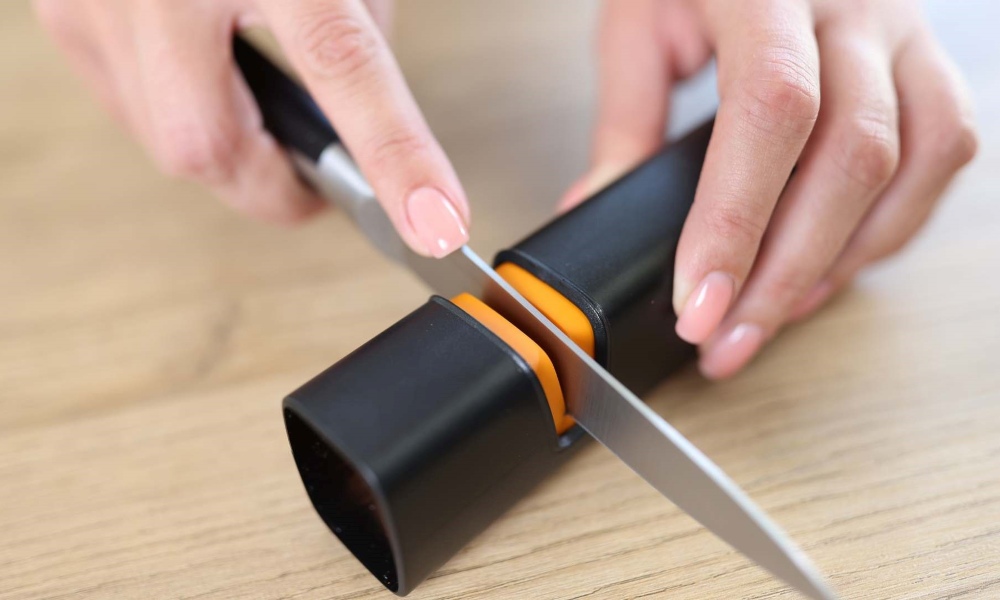
At the heart of effective knife sharpening lies a deep understanding of blade geometry. The cutting edge of a fillet knife is typically ground to a very acute angle, usually between 12 to 17 degrees per side. This narrow-angle allows for the precision and flexibility needed to navigate the contours of fish, but it also means the edge requires more frequent maintenance to stay sharp.
The Importance of Edge Retention in Fillet Knives
Edge retention is particularly crucial for fillet knives due to the nature of their work. The constant contact with fish bones and scales can quickly dull a blade. A well-sharpened fillet knife not only makes the task easier but also safer, as a dull knife requires more force and is more likely to slip.
What Makes a Truly Sharp Edge?
True sharpness goes beyond just being able to cut; it’s about achieving a keen edge that slices through fish with minimal resistance. At a microscopic level, a sharp edge is a perfectly aligned intersection of the blade’s bevels, free from burrs or inconsistencies. Achieving this level of sharpness is one of the key moments in mastering knife care.
Essential Tools for Fillet Knife Sharpening
1. Whetstones: Grits and Their Purposes
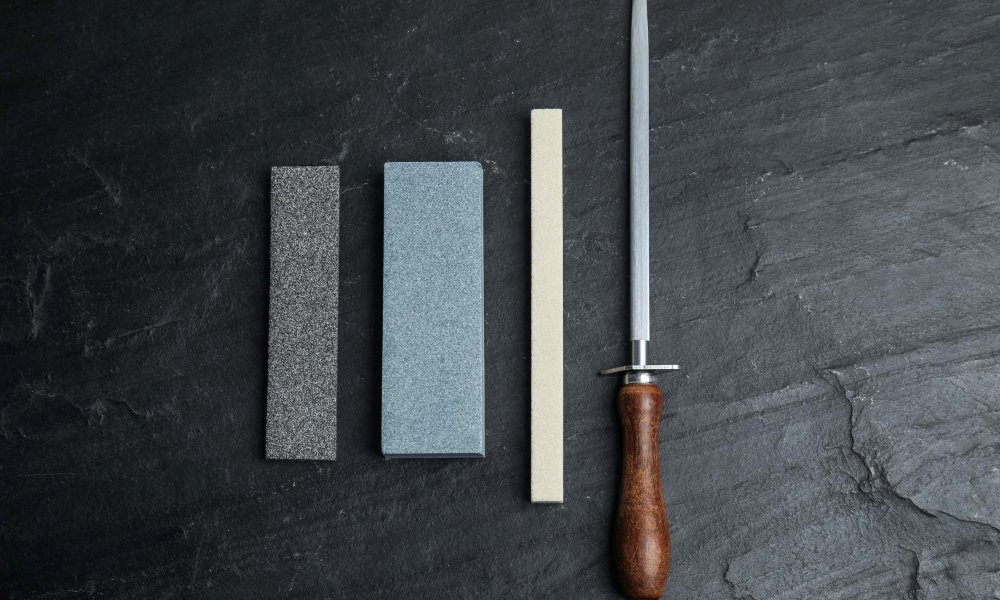
Whetstones, also known as sharpening stones, are the traditional and often preferred method for sharpening fillet knives. They come in various grits, typically ranging from coarse (around 200 grit) to ultra-fine (8000 grit and above). Coarse stones are used for repairing damaged edges, while finer grits are for polishing and refining the edge.
2. Honing Rods: Steel vs Ceramic
Honing rods, often mistakenly called sharpening steels, are excellent for maintaining an already sharp edge. Steel rods realign the edge, while ceramic rods actually remove a small amount of metal, providing a slight sharpening effect. Both are valuable tools in maintaining your fillet knife between full sharpenings.
3. Electric Sharpeners: Pros and Cons for Fillet Knives
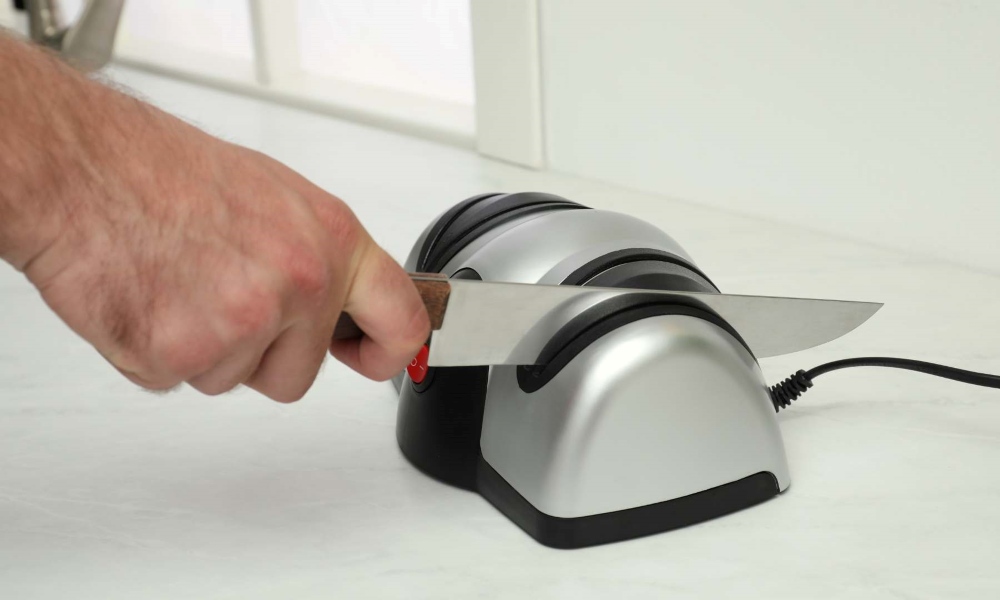
Electric sharpeners offer convenience and consistency, especially for those new to knife sharpening. However, they may not provide the level of control needed for the delicate edge of a fillet knife and can remove more metal than necessary. They’re best used with caution and for quick touch-ups rather than full restorations.
4. Unconventional Methods: Leather Strops and Sandpaper
For those looking to explore beyond traditional methods, leather straps and high-grit sandpaper can be effective for fine-tuning and polishing a fillet knife’s edge. These methods are particularly useful for achieving a mirror finish and that extra level of sharpness.
Preparing for the Sharpening Process
1. Assessing Your Knife’s Current Condition
Before you begin sharpening, it’s crucial to assess the current state of your knife. Look for any nicks, chips, or unevenness along the edge. This assessment will help you determine which grit to start with and how much work is needed to restore the edge.
2. Cleaning and Degreasing the Blade
A clean blade is essential for effective sharpening. Use warm, soapy water to remove any fish residue or oils from the blade. For stubborn grime, a light scrub with a non-abrasive pad can help. Ensure the knife is completely dry before sharpening to prevent rusting.
3. Setting Up Your Workspace for Optimal Results
Create a stable, well-lit workspace for sharpening. If using a whetstone, secure it on a non-slip surface. Have a container of water nearby if using water stones. Good lighting is crucial to see the edge clearly as you work. A comfortable working height will help you maintain consistent angles throughout the process.
Mastering the Whetstone Technique
Selecting the Right Angle for Fillet Knives
For most fillet knives, maintaining an angle of about 15 degrees per side of the knife is ideal. This angle balances sharpness with durability. To visualize this angle, imagine dividing a 90-degree angle into six equal parts; one of those parts is roughly 15 degrees.
The Push-Pull Method vs. Circular Motions
The push-pull method involves drawing the blade across the stone from heel to tip, maintaining a consistent angle. Circular motions can be effective for removing metal quickly but require more skill to maintain a consistent angle. For beginners, the push-pull method is often the best way to sharpen a fillet knife.
Progressing Through Grits: From Coarse to Fine
Start with a coarse grit if the knife is very dull or damaged. Progress through medium and fine grits, finishing with an ultra-fine grit for polishing. Each stage should remove the scratches left by the previous grit, resulting in a progressively finer edge.
Honing and Polishing: Refining Your Edge
The Difference Between Sharpening and Honing
Sharpening removes metal to create a new edge, while honing realigns the existing edge. Regular honing can extend the time between full sharpenings and maintain the knife’s performance.
Using an Honing Rod Effectively
To hold the knife at the correct angle against a honing rod, imagine the rod is the radius of a circle and the knife is the tangent. Make light, sweeping strokes down the length of the rod, alternating sides. The goal is to realign the edge, not to remove metal.
Stropping Techniques for a Mirror Finish
Stropping is the final step in achieving a mirror-like finish on your knife’s edge. Use a leather strap or a piece of leather glued to a flat surface. Draw the knife away from the cutting edge, using light pressure. This process polishes the edge to perfection.
Maintaining Your Fillet Knife’s Edge
Daily Care and Storage Tips
After each use, wash and dry your fillet knife thoroughly. Store it in a knife block, magnetic strip, or blade guard to protect the edge. Avoid storing it loosely in a drawer where it can contact other utensils.
Touch-Up Techniques Between Full Sharpenings
Regular use of a honing rod can keep your knife sharp between full sharpenings. A few light strokes on each side before use can make a significant difference in performance.
Signs That It’s Time to Resharpen
If you notice increased resistance when cutting, or if the knife struggles to slice through soft foods cleanly, it’s time for a full resharpening. Regular maintenance will reduce the frequency of full sharpenings needed.
Troubleshooting Common Sharpening Issues
Dealing with Chips and Nicks
For small chips, start with a coarse grit stone and focus on the damaged area until the chip is removed. Then, reshape the entire edge to ensure consistency. Large chips may require professional repair.
Correcting Uneven Bevels
Uneven bevels can result from inconsistent sharpening angles. To correct this, start with coarse grit and focus on maintaining a consistent angle on both sides until the bevels are even.
Addressing Over-Sharpened Blades
Over-sharpening can lead to a weakened edge. If this occurs, you may need to reprofile the edge at a slightly wider angle to restore strength. In severe cases, professional help may be necessary.
Advanced Techniques for the Sharpening Enthusiast
Creating Custom Edge Profiles
Experienced sharpeners might experiment with different edge profiles, such as convex or compound bevels, to optimize performance for specific tasks.
Japanese Water Stone Methods
Japanese water stones offer a traditional approach to sharpening, prized for their ability to produce extremely fine edges. They require soaking before use and offer a unique sharpening experience.
Using Microscopes and Edge Testing Tools
For those looking to take their sharpening to the next level, microscopes and specialized edge testing tools can provide insights into edge geometry and sharpness at a microscopic level.
FAQs
1. How often should I sharpen my fillet knife?
The frequency of sharpening depends on how often the knife is used. For regular use, sharpening once every few months should suffice. However, maintaining the edge with a honing rod frequently can reduce the need for full sharpenings.
2. What is the best type of whetstone grit for beginners?
Beginners should start with a combination stone that has both coarse (1000 grit) and fine (6000 grit) sides. This allows you to establish a basic edge with the coarse side and refine it with the fine side, simplifying the sharpening process.
3. Can I use an electric sharpener for my fillet knife?
Yes, you can use an electric sharpener, but be cautious as it can remove more metal than necessary and potentially shorten the knife’s lifespan. Manual sharpening methods, such as a whetstone, provide more control and often produce better results.
4. Why is maintaining the correct angle important when sharpening a fillet knife?
Maintaining the correct angle is crucial as it directly impacts the knife’s cutting performance and edge durability. An angle that’s too steep can lead to a fragile edge, while an angle that’s too shallow may result in a dull blade.
5. What should I do if my knife is showing signs of rust?
If your knife is showing signs of rust, clean it thoroughly with a rust eraser or fine steel wool. After removing the rust, let the knife dry completely and apply a light coat of mineral oil to protect it from future rusting. Regular cleaning and proper storage can help prevent rust from forming.
Final Thoughts
As we wrap up our journey through the intricacies of sharpening a fillet knife, it’s clear that this skill is both an art and a science. The process of transforming a dull blade into a precision cutting tool is not just about maintaining a kitchen implement; it’s about embracing a craft that connects us to centuries of culinary tradition.
Mastering the techniques we’ve explored – from understanding blade geometry to progressing through sharpening grits, from honing to troubleshooting common issues will not only enhance your fillet knife’s performance but also deepen your appreciation for the tool itself. Each time you sharpen your knife, you’re not just maintaining an edge; you’re refining your skills and contributing to the longevity of your culinary companion.
As you continue to practice and refine your sharpening skills, you’ll find that your fillet knife becomes an extension of your culinary expertise. The satisfaction of effortlessly gliding through fish with a perfectly sharpened blade is unmatched, and it’s a testament to your dedication to your craft.
0 Comments
Most Voted