Breville Barista Pro vs Express | Unpack Your Options

8FAQs
The art of crafting the perfect espresso has long been a pursuit of coffee enthusiasts worldwide. For many, the allure of creating café-quality beverages in the comfort of their own homes has led to a surge in the popularity of home espresso machines.
Among the myriad of options available, Breville has emerged as a frontrunner, offering innovative solutions that bring barista-level expertise to your kitchen counter. As the coffee culture continues to evolve, so does the technology behind these sophisticated machines.
The Breville Barista Express has been a stalwart in the home espresso market, winning hearts with its blend of functionality and user-friendliness. However, the introduction of the Breville Barista Pro has stirred the pot, presenting coffee lovers with a tantalizing new option that promises enhanced features and improved performance.
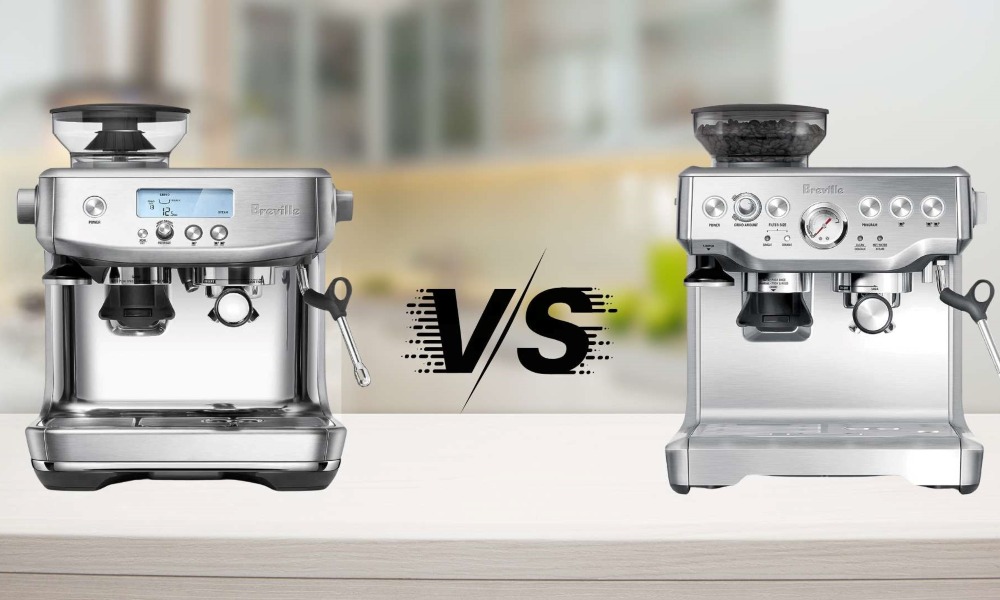
In this comprehensive comparison, we’ll dive deep into the world of Breville espresso machines, specifically focusing on the Barista Express and the Barista Pro. We’ll explore their features, capabilities, and nuances to help you make an informed decision on which machine best suits your coffee aspirations.
Breville Barista Express vs. Pro
1. The Breville Barista Express
The Breville Barista Express has long been a favorite among home espresso enthusiasts. This semi-automatic machine has earned its reputation as a reliable workhorse, capable of producing high-quality espresso shots with consistency. Its integrated conical burr grinder and PID temperature control system have made it a go-to choice for those looking to make espresso at home without breaking the bank.
Key features of the Barista Express include:
- Integrated conical burr grinder with dose control
- 15 bar Italian pump and 1600W Thermo coil heating system
- 54mm tamper for consistent tamping pressure
- Steam wand for manual microfoam milk texturing
2. The Breville Barista Pro
Enter the Breville Barista Pro, a machine that builds upon the success of its predecessor with modern upgrades and sleek design. This newer model boasts a more powerful heating system, an advanced user interface, and improved grinding capabilities. The Barista Pro aims to elevate the home espresso experience with its innovative features and faster operation.
Standout features of the Barista Pro include:
- ThermoJet heating system for near-instantaneous heat-up time
- Digital temperature control (PID) for precise extraction
- Intuitive LCD interface with grinding and extracting progress animations
- Upgraded steam wand for faster milk texturing
Both machines share the Breville DNA of quality construction and user-centric design, but the differences in their performance and features are what set them apart. As we delve deeper into each aspect of these machines, you’ll gain a clearer picture of which one might be the perfect fit for your coffee corner.
Grinding Capabilities: The Foundation of Great Espresso
1. Burr Grinder Comparison
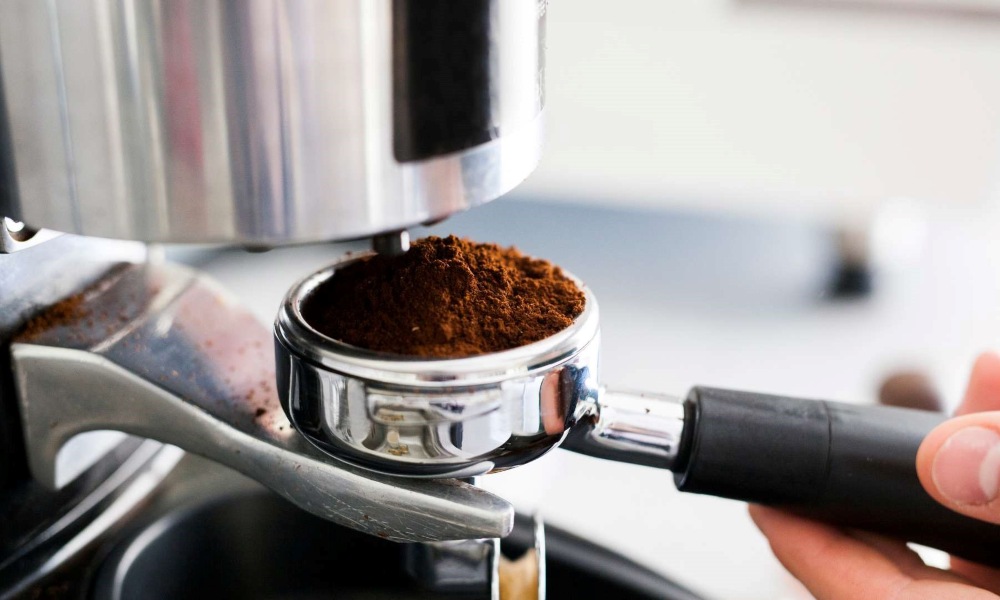
At the heart of both the Barista Express and Barista Pro lies an integrated conical burr grinder, a feature that sets these machines apart from many in their class. The built-in grinder eliminates the need for a separate grinding device, streamlining the espresso-making process and ensuring fresh grounds for every shot.
The Barista Express features a traditional conical burr grinder that has proven its worth over time. It offers 16 grind settings, allowing users to dial in their preferred grind size for optimal extraction. The Barista Pro, however, takes grinding to the next level with its upgraded burr set and expanded range of 30 grind settings. This increased precision gives users more control over their grind, catering to a wider range of coffee beans and roast profiles.
2. Grind Adjustability and Precision
When it comes to adjustability, the Barista Pro offers a more nuanced approach. Its digital interface allows for incremental adjustments, making it easier to find that sweet spot for your beans. The Barista Express, while still offering good adjustability, relies on a more traditional dial system which some users find less precise.
Both machines allow for easy adjustment of grind amount, ensuring you can dose the right amount of coffee for your espresso shot. The Barista Pro’s digital display provides real-time feedback on grind duration, while the Express relies on a manual dial that may require more trial and error to perfect.
3. Bean-to-Cup Efficiency
In terms of efficiency, the Barista Pro edges out its predecessor. Its more powerful grinder motor and improved burr design result in faster grinding times, reducing the overall time from bean to cup. This can be particularly advantageous during busy mornings or when entertaining guests.
The Barista Express, while slightly slower, still offers commendable bean-to-cup times. Its grinder is well-integrated into the workflow, allowing users to grind directly into the portafilter with minimal fuss.
Both machines feature a 54mm portafilter, which is slightly smaller than commercial-grade 58mm versions but still provides ample space for proper extraction. The consistency of grind size and distribution is crucial for even extraction, and both machines perform admirably in this regard.
Brewing Performance: Where the Magic Happens

1. Temperature Control Systems
The heating system is where the Barista Pro truly shines. Its ThermoJet heating system boasts a 3-second heat-up time from a cold start, a significant improvement over the Barista Express’s thermocouple system, which typically requires about 30 seconds to reach optimal brewing temperature.
The Barista Pro’s rapid heating not only saves time but also ensures temperature stability throughout the brewing process. This consistency is crucial for extracting the full flavor profile of your coffee beans.
The Barista Express, while not as quick to heat up, still maintains good temperature stability thanks to its PID (Proportional-Integral-Derivative) temperature control. This system helps to minimize temperature fluctuations during extraction, resulting in more consistent shots.
2. Pressure Profiling and Extraction
Both machines operate at the industry-standard 9 bars of pressure for extraction, but the way they achieve and maintain this pressure differs slightly. The Barista Pro features a more refined pressure system that allows for better pressure stability throughout the extraction process.
The Barista Express includes a pressure gauge on the front panel, allowing users to monitor and adjust their technique based on the visual feedback. While the Barista Pro lacks this physical gauge, it compensates with its digital interface that provides real-time information on extraction time and volume.
3. Consistency and Quality of Shots
When it comes to the quality of espresso shots, both machines are capable of producing excellent results in the hands of a skilled user. The Barista Pro’s more advanced temperature and pressure control systems may give it a slight edge in consistency, especially for those who enjoy experimenting with different coffee beans and roast profiles.
The Barista Express, with its tried-and-true design, still delivers reliably good shots. Its pre-infusion function gently soaks the coffee grounds before full pressure is applied, promoting even extraction and rich flavor.
Both machines offer the capability to pull single or double-shot espressos, with programmable shot volumes. The Barista Pro allows for more precise volume control through its digital interface, while the Express relies on timed presets that can be manually overridden.
Milk Frothing: Perfecting Your Latte Art
1. Steam Wand Designs
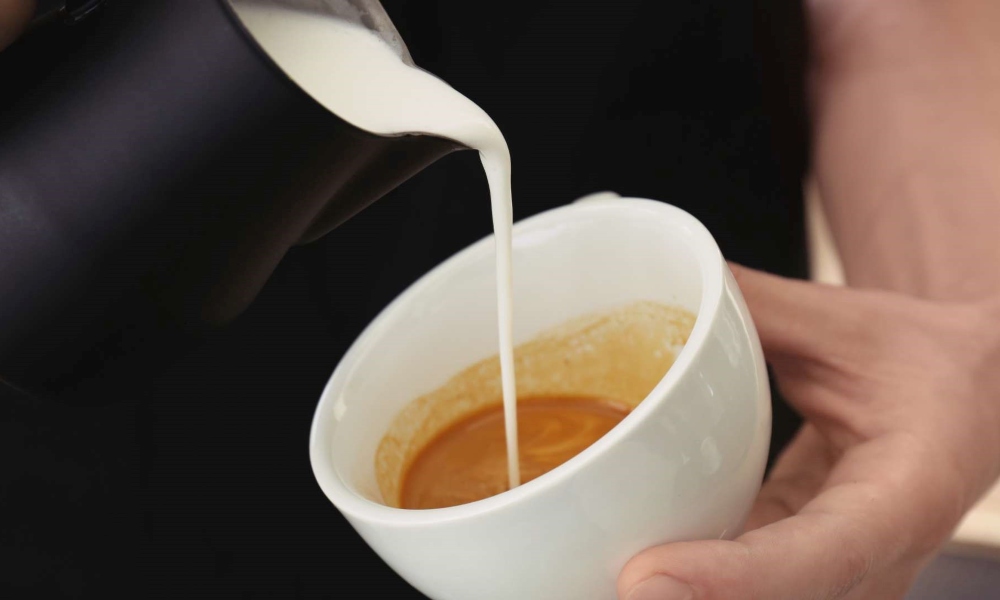
The ability to create silky microfoam is essential for crafting lattes and cappuccinos that rival those from your favorite café. Both the Barista Express and Barista Pro come equipped with manual steam wands, but there are notable differences in their design and performance.
The Barista Pro features an upgraded steam wand with a 4-hole tip, compared to the 1-hole tip on the Barista Express. This design allows for more efficient steam distribution, resulting in finer and more consistent microfoam.
2. Microfoam Capabilities
When it comes to creating microfoam, the Barista Pro has a clear advantage. Its more powerful steam system and improved wand design make it easier to achieve the silky texture required for latte art. Even novice users may find themselves creating Instagram-worthy designs with a bit of practice.
The Barista Express, while capable of producing good microfoam, requires a bit more technique and patience. Its steam wand is perfectly adequate for home use, but those with high expectations for their milk-based drinks might prefer the Pro’s capabilities.
3. Speed and Efficiency
In terms of steaming speed, the Barista Pro once again takes the lead. Its ThermoJet heating system allows for a near-instantaneous transition from brewing to steaming, with ample power to texture milk quickly. This can be a significant time-saver, especially when preparing multiple milk-based drinks.
The Barista Express, with its thermocoil system, requires a brief waiting period between brewing and steaming. While this isn’t a major inconvenience for casual users, it can be noticeable when preparing drinks for a group.
Both machines offer the flexibility to adjust steam pressure, allowing users to fine-tune their milk texturing process according to their preferences and the type of milk being used.
User Interface and Control: Navigating Your Coffee Journey
1. LCD Display vs. Traditional Gauges
One of the most striking differences between the Barista Pro and the Barista Express is their user interfaces. The Barista Pro offers a sleek, modern LCD display that provides a wealth of information at a glance. This digital interface shows real-time data on grinding duration, extraction time, and steam temperature, allowing for precise control and adjustments.
The Barista Express, on the other hand, relies on a more traditional layout with analog gauges and dials. While this may appeal to those who prefer a classic aesthetic, it does require a bit more intuition and experience to interpret the machine’s feedback.
2. Programmability and Customization
When it comes to customization, the Barista Pro takes the lead with its digital interface. Users can easily adjust shot volumes, water temperature, and pre-infusion duration through the menu system. This level of control allows for fine-tuning of recipes to suit different coffee beans and personal preferences.
The Barista Express offers a degree of programmability as well, particularly in shot volume control. However, the process is less intuitive and offers fewer parameters for adjustment compared to the Pro model.
3. Learning Curve for Beginners
For beginners, the Barista Pro’s digital interface can be both a blessing and a curse. While it provides clear, actionable information, the sheer number of options may be overwhelming at first. However, the visual guides and prompts can help newcomers learn the ropes more quickly.
The Barista Express, with its simpler interface, may be less intimidating to absolute beginners. Its analog pressure gauge provides immediate visual feedback, which can be helpful for learning proper extraction techniques.
Both machines come with a learning curve, but with patience and practice, users can achieve excellent results. The Barista Pro’s advanced features may offer more room for growth as users become more experienced, while the Express provides a solid foundation for learning the basics of espresso making.
Maintenance and Longevity
1. Cleaning Requirements
Regular maintenance is crucial for ensuring the longevity and performance of any espresso machine. Both the Barista Express and Barista Pro are designed with user-friendly cleaning processes in mind.
The Barista Pro’s digital interface includes cleaning alerts and guided cleaning cycles, making it easier to stay on top of maintenance tasks. Its steam wand also features an automatic purge function, which helps prevent milk buildup.
The Barista Express, while lacking these digital prompts, is still relatively easy to clean. Both machines come with cleaning tools and tablets to facilitate regular maintenance of the brew group and grinder.
2. Descaling Processes
Descaling is an essential part of espresso machine maintenance, particularly in areas with hard water. Both machines have similar descaling processes, which involve running a descaling solution through the system.
The Barista Pro’s digital interface guides users through the descaling process step-by-step, which can be particularly helpful for those new to machine maintenance. The Barista Express requires users to follow manual instructions, but the process is straightforward.
3. Durability and Long-term Reliability
Both the Barista Express and Barista Pro are built with Breville’s reputation for quality in mind. The stainless steel construction and robust internal components contribute to their durability.
The Barista Pro, being a newer model, incorporates some updated components that may offer improved longevity. However, the Barista Express has a proven track record of reliability over many years of use in home settings.
Regular maintenance and proper care are key factors in ensuring the long-term reliability of either machine. With proper attention, both the Barista Express and Barista Pro can provide years of consistent espresso-making performance.
Value Proposition: Balancing Features and Budget
Price Comparison
When considering the value proposition of these machines, it’s important to look at the price point in relation to the features offered. The Breville Barista Express typically comes in at a lower price point compared to the Barista Pro, making it an attractive option for those on a tighter budget.
The Barista Pro, while more expensive, justifies its higher price tag with advanced features like the ThermoJet heating system, improved grinder, and digital interface. For many users, these upgrades may be worth the additional investment, especially if they value speed and precision in their espresso-making process.
Warranty and Customer Support
Both machines come with Breville’s standard warranty, which typically covers parts and labor for a specified period. Breville is known for its responsive customer support, which can be a crucial factor when investing in a home espresso machine.
It’s worth noting that the more complex digital components of the Barista Pro may require specialized service in case of malfunction. The simpler design of the Barista Express could potentially lead to easier and less costly repairs outside of the warranty period.
Target Audience for Each Machine
The Breville Barista Express is well-suited for:
- Entry-level home baristas looking for a reliable, all-in-one solution
- Those who prefer a more traditional, hands-on approach to espresso-making.
- Budget-conscious consumers who still want quality espresso at home.
The Breville Barista Pro is ideal for:
- Enthusiasts who value precision and want more control over their espresso
- Users who appreciate modern technology and digital interfaces
- Those who prioritize speed and efficiency in their morning coffee routine
Ultimately, both machines offer excellent value for their respective price points. The choice between them often comes down to personal preferences, budget constraints, and the level of control desired in the espresso-making process.
FAQs
1. What are the main differences between the Breville Barista Express and Barista Pro?
The main differences lie in the heating system, user interface, and grinder capabilities. The Barista Pro features a faster ThermoJet heating system, a digital LCD interface, and an improved grinder with more settings. The Barista Express has a thermocoil heating system, analog controls, and fewer grind settings but comes at a lower price point.
2. Which machine is better for beginners?
Both machines are suitable for beginners, but the Barista Express might be less overwhelming due to its simpler interface. The Barista Pro offers more guidance through its digital display but has more features to learn. Ultimately, it depends on whether you prefer a more traditional approach (Express) or a tech-forward one (Pro).
3. How do the milk frothing capabilities compare between the two machines?
The Barista Pro has an edge in milk frothing with its upgraded 4-hole steam wand tip and more powerful steam system. This allows for faster and more consistent microfoam creation. However, with practice and proper technique, both machines can produce excellent milk-based beverages.
4. What is the warranty coverage for these machines?
Both the Breville Barista Express and Barista Pro come with a standard one-year warranty that covers parts and labor to ensure peace of mind for your investment. In addition to this warranty, you may also have the option to purchase extended protection plans through third-party retailers, who provide even more security and support for your coffee-making equipment.
5. Can I use pre-ground coffee in these machines?
Yes, both machines have options for using pre-ground coffee if you prefer not to grind your own beans. This can be convenient for those who are short on time or who don’t have a coffee grinder. However, it’s important to note that using freshly ground beans will always result in better-tasting espresso, as the freshness of the beans significantly impacts the flavor and aroma of the coffee.
Final Thoughts
As we’ve explored the intricacies of the Breville Barista Express and Barista Pro, it’s clear that both machines offer compelling features for the home espresso enthusiast. The decision between these two capable contenders ultimately boils down to your personal preferences, budget, and coffee-making aspirations.
The Barista Express stands as a reliable workhorse, providing a solid foundation for those beginning their home barista journey. Its straightforward interface and proven performance make it an excellent choice for those who appreciate a more hands-on approach to espresso making. If you’re looking for a machine that offers great value and consistent results without breaking the bank, the Express could be your perfect match.
On the other hand, the Barista Pro represents Breville’s step into the future of home espresso machines. With its rapid heating system, advanced grinder, and intuitive digital interface, it caters to those who crave precision and efficiency in their coffee routine. For the tech-savvy coffee lover or the aspiring home barista looking to fine-tune every aspect of their espresso, the Pro offers a level of control and customization that may justify its higher price point.
0 Comments
Most Voted