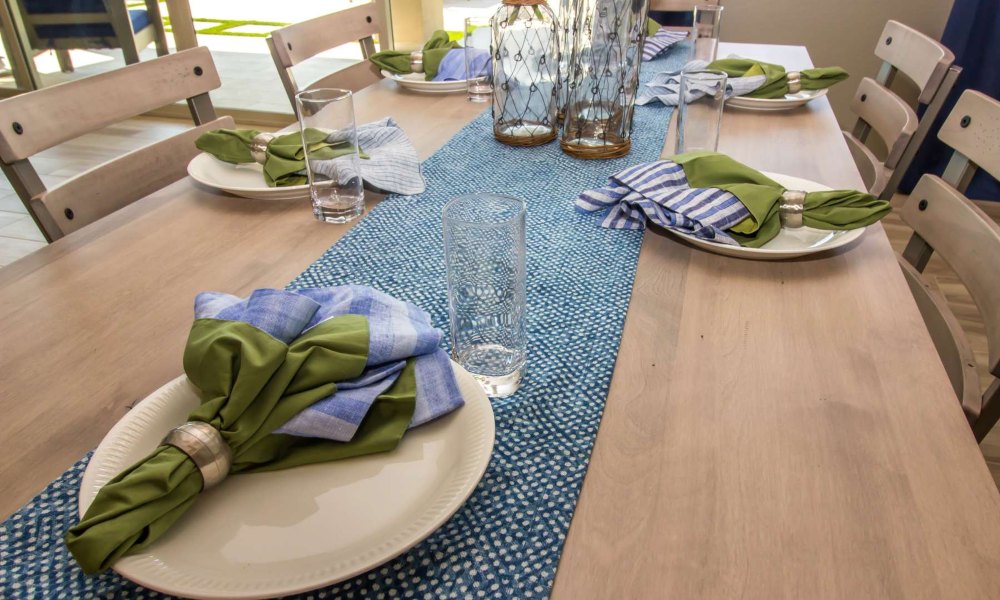
Table Runner Size Guide | Which Is Best for You?

When it comes to creating a welcoming and stylish dining space, the devil is in the details. While the main focus might be on the dining table itself or the meals served upon it, it’s often the smaller touches that truly elevate the ambiance. Enter the table runner, a versatile and elegant addition to any table setting that can transform the look and feel of your dining area in an instant.
But here’s the catch: not all table runners are created equal, and choosing the right size can make all the difference between a polished, sophisticated look and one that feels off-balance or ill-fitted. Whether you’re dressing up a cozy breakfast nook or preparing for a grand holiday feast, the perfect table runner can tie everything together beautifully – if you get the size right.
Here, we’ll dive deep into the world of table runners to explore everything from standard sizes to custom options and provide you with all the information you need to choose a table runner that fits your table and your style perfectly. So, whether you’re a seasoned home decorator or a newbie looking to add a touch of elegance to your dining space, read on to discover the ins and outs of table runner sizing and find the perfect fit for your home.
Understanding Table Runner Basics
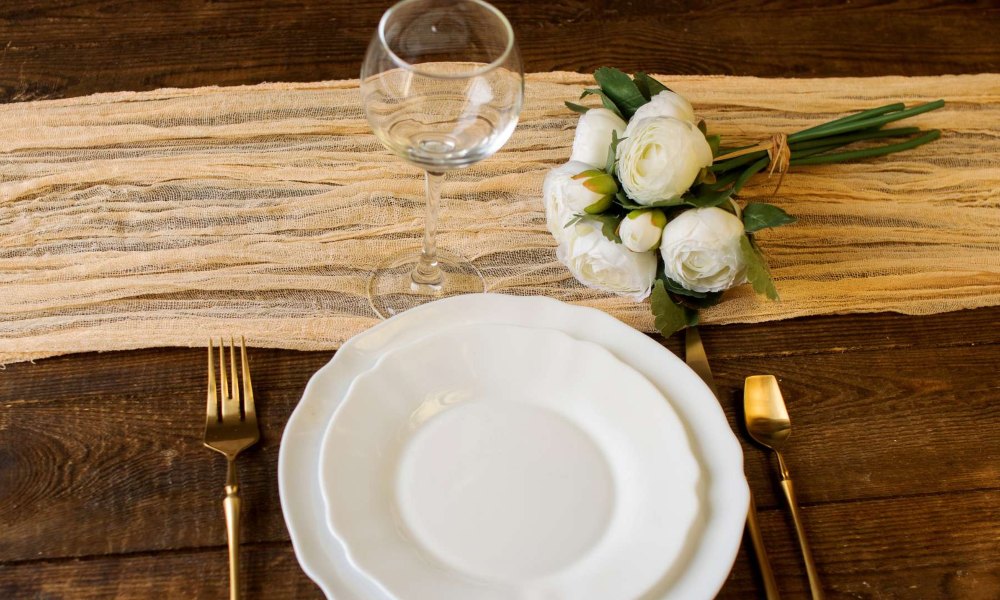
Before we delve into the specifics of sizing, let’s take a moment to understand what exactly a table runner is and why it’s such a popular choice in home decor:
A table runner is a long, narrow piece of fabric that runs along the center of a table, either on its own or layered over a tablecloth. Its primary purpose is decorative, adding color, texture, and visual interest to your table setting. However, table runners also serve practical functions, such as protecting your table surface from hot dishes or spills, and providing a focal point for centerpieces and other table decorations.
Materials Commonly Used for Table Runners
Table runners come in a wide variety of materials, each offering its own unique look and feel. Some popular options include:
- Linen: Known for its natural, textured appearance and durability.
- Cotton: Versatile, easy to care for, and available in countless patterns and colors.
- Silk: Luxurious and elegant, perfect for formal occasions.
- Polyester: Affordable and low-maintenance, ideal for everyday use.
- Burlap: Rustic and charming, great for casual or farmhouse-style decor.
- Velvet: Plush and sophisticated, adding warmth and richness to your table.
Popular Styles and Designs
From minimalist and modern to ornate and traditional, table runners come in an array of styles to suit any taste or decor theme. Some popular design elements include:
- Embroidery or embellishments
- Tassels or fringe
- Seasonal motifs (e.g., autumn leaves, snowflakes)
- Geometric patterns
- Floral prints
- Solid colors for a sleek, contemporary look
Standard Table Runner Sizes
Now that we’ve covered the basics, let’s explore the standard sizes available for table runners and how they relate to different table dimensions.
Common Lengths
Table runners typically come in four standard lengths:
- 54 inches: Suitable for smaller tables or as an accent on larger tables
- 72 inches: A versatile length that works well for many standard dining tables
- 90 inches: Ideal for longer dining tables or when you want a more dramatic overhang
- 108 inches: Perfect for extra-long tables or when you desire a substantial overhang
Standard Widths
While lengths can vary widely, table runner widths tend to fall into three main categories:
- 12 inches: A narrow option that works well on smaller tables or when layering runners
- 14 inches: A middle-of-the-road width suitable for most tables
- 16 inches: A wider option that makes a bolder statement and covers more table surface
Relationship Between Table Size and Runner Size
The right table runner size for you will depend largely on the dimensions of your table. However, as per our research, you can follow these sizes:
- The runner should be about 1/3 the width of your table
- The length of your table runner should allow for a 6-inch overhang on each end of the table
For example, if you have a 60-inch long table that’s 36 inches wide, a 72-inch long runner that’s 12-14 inches wide would be a good fit.
Measuring Your Table for a Runner

To ensure you choose a table runner that fits perfectly, it’s essential to measure your table accurately. Here’s how to do it:
1. Steps to Measure Table Length and Width
- Use a tape measure to determine the length of your table from end to end.
- Measure the width of your table from side to side.
- Make a note of these measurements for reference when shopping for runners.
2. Calculating Appropriate Overhang
To determine the ideal length of your table runner, add 12 inches to your table’s length. This will give you a 6-inch overhang on each end. For example:
- Table length: 60 inches
- Desired overhang: 12 inches (6 inches on each end)
- Ideal runner length: 72 inches
3. Considering Table Shape
While the basic measurement principles apply to all table shapes, there are some specific considerations for different geometries:
- Rectangular tables: Follow the standard measurement guidelines outlined above.
- Round table: Measure the diameter of your table and add 12 inches for overhang. The runner should be narrower than the table’s diameter to avoid hanging off the sides.
- Oval tables: Measure the length as you would for a rectangular table, but ensure the runner width doesn’t exceed the narrowest part of the table.
Table Runner Sizes for Different Occasions
The perfect table runner size can vary depending on the occasion and the look you’re trying to achieve. Let’s explore some common scenarios:
1. Everyday Use
For daily use, you might prefer a runner that’s not too long or wide, making it easy to maintain and less likely to interfere with place settings. A 72-inch runner with a 14-inch width is often a good choice for everyday dining.
2. Formal Dining
When setting a formal table, you might opt for a longer, wider runner to create a more luxurious feel. A 90-inch or 108-inch runner with a 16-inch width can make a striking impression for special occasions.
3. Holiday Gatherings
During holidays, you might want to use a runner that extends further down the table to accommodate more decorations or place settings. Consider using a runner that’s at least 90 inches long, or even layering multiple runners for a festive look.
4. Outdoor Events
For outdoor dining, you might choose a slightly shorter runner to prevent it from blowing in the wind. A 54-inch or 72-inch runner made from a heavier material like cotton or polyester can work well for al fresco dining.
Layering Table Runners
One creative way to use table runners is by layering them to create a more dynamic and interesting table setting.
Using Multiple Runners for Added Visual Interest
Try using two runners of different lengths, widths, or materials to add depth and texture to your table. For example, you could layer a narrow, textured burlap runner over a wider, solid-colored linen runner.
Combining Different Sizes and Materials
Mix and match runner sizes and materials to create unique looks. A long, sleek silk runner paired with a shorter, chunky knit runner can create an interesting contrast of textures and lengths.
Tips for Successful Layering
- Ensure the bottom runner is wider than the top runner
- Play with contrasting colors and textures
- Consider using runners of different lengths to create an asymmetrical look
Care and Maintenance of Table Runners
To keep your table runners looking their best, proper care is essential.
Cleaning Different Materials
- Linen and cotton: Machine wash in cold water and tumble dry on low heat
- Silk: Dry clean only to maintain the fabric’s integrity
- Polyester: Machine wash in warm water and tumble dry on low heat
- Velvet: Dry clean or spot clean with a damp cloth
Proper Storage Techniques
- Roll runners instead of folding to prevent creases
- Store in a cool, dry place away from direct sunlight
- Use acid-free tissue paper between layers if stacking multiple runners
Extending the Life of Your Table Runner
- Rotate runners regularly to prevent uneven wear
- Address spills and stains promptly to prevent the setting
- Iron or steam runners before use to remove wrinkles and refresh the fabric
Styling Tips for Table Runners
The right styling can make your table runner shine. Here are some tips to elevate your table setting:
Coordinating with Other Table Linens
- Match your runner to your tablecloth for a cohesive look
- Use contrasting colors or patterns for a bold statement
- Coordinate your runner with napkins or placemats for a put-together appearance
Incorporating Table Runners into Different Decor Styles
- Farmhouse: Use a burlap or linen runner with rustic accents
- Modern: Opt for a sleek, solid-color runner in a luxe material like silk
- Bohemian: Layer colorful, patterned runners for an eclectic vibe
- Traditional: Choose an embroidered or lace runner for classic elegance
Seasonal Table Runner Ideas
- Spring: Floral patterns or pastel colors
- Summer: Bright, bold hues or tropical prints
- Fall: Rich, warm tones or leaf motifs
- Winter: Metallic accents or cozy textures like velvet
FAQs
1. How long should my table runner be?
The ideal length for your table runner depends on your table size and personal preference. As a general rule, add 12 inches to your table’s length to allow for a 6-inch overhang on each end. For example, if your table is 60 inches long, a 72-inch runner would be appropriate.
2. Can I use a table runner on a round table?
Yes, you can use a table runner on a round table. Measure the diameter of your table and add 12 inches for overhang. Ensure the runner width is narrower than the table’s diameter to avoid hanging off the sides.
3. Should a table runner hang over the edge of the table?
Yes, a table runner should typically hang over the edge of the table. A 6-inch overhang on each end is standard, but you can adjust this based on your preferences and the occasion.
4. Can I layer multiple table runners?
Absolutely! Layering table runners can add visual interest and texture to your table setting. Try combining runners of different lengths, widths, or materials for a unique look.
5. How do I choose the right width for my table runner?
The width of your table runner should be about 1/3 the width of your table. For example, if your table is 36 inches wide, a runner that’s 12-14 inches wide would be appropriate. Adjust based on your personal preference and the look you’re trying to achieve.
Final Thoughts
Choosing the right table runner size can seem daunting at first, but armed with the knowledge from this guide, you’re now well-equipped to make the perfect choice for your home. Remember, the key is to consider your table’s dimensions, the occasion, and your personal style when selecting a runner.
Don’t be afraid to experiment with different sizes, materials, and layering techniques to find the look that works best for you. Whether you opt for a standard size or go custom, the right table runner can transform your dining space and elevate your everyday meals and special occasions alike.
So go ahead, measure your table, explore your options, and find that perfect runner that will make your dining table the stunning centerpiece it deserves to be. Happy decorating!
0 Comments
Most Voted