Why Is It Called a Cocktail? | Answer Revealed

8FAQs
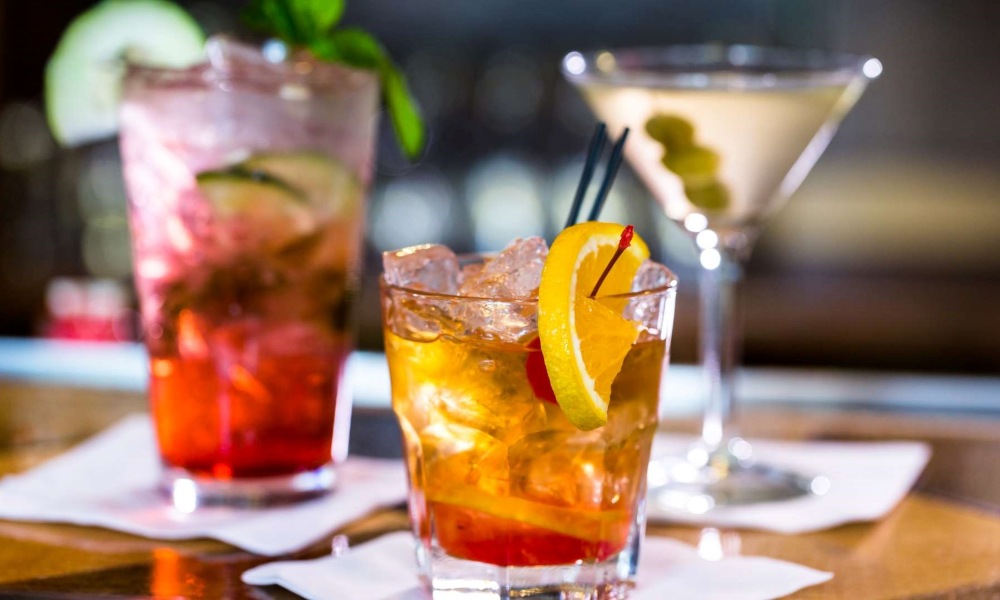
When it comes to the world of mixology, few terms are as ubiquitous and intriguing as “cocktail.” This simple word has become synonymous with sophistication, creativity, and social gatherings, yet its origins remain shrouded in mystery.
From the classic martini to cutting-edge concoctions, cocktails have become an integral part of our cultural fabric, inspiring countless variations and sparking endless debates among enthusiasts. The term “cocktail” has transcended its original meaning to become a cultural touchstone, evoking images of glamorous bars, skilled bartenders, and the art of mixing the perfect drink.
But have you ever paused mid-sip and wondered, “Why exactly is it called a cocktail?” This seemingly simple question opens up a fascinating journey through history, linguistics, and social evolution. Today, we’ll dive deep into the origins of the term “cocktail,” unraveling the various theories, legends, and historical contexts that have contributed to its enduring popularity.
From etymological expeditions to cultural implications, we’ll examine how this single word has shaped not just our drinking habits, but also our social interactions and even our language. So, grab your favourite beverage, and let’s get started!
The Cocktail Nomenclature
The Ubiquity of the Term “Cocktail”
In today’s culinary landscape, the word “cocktail” is so commonplace that we rarely pause to consider its origins. From high-end bars to casual gatherings, cocktails have become an integral part of social drinking culture. This ubiquity, however, only deepens the mystery surrounding its name.
The Mystery Behind Its Origin
Despite its widespread use, the true origin of the term “cocktail” remains a subject of debate among historians, linguists, and mixology enthusiasts. This uncertainty has given rise to numerous theories and legends, each adding a layer of intrigue to the cocktail’s story.
Why the Name Matters in Culinary History
Understanding the origin of the term “cocktail” is more than just an exercise in etymology. It provides valuable insights into the evolution of drinking culture, social norms, and even linguistic trends. The name’s history reflects broader cultural shifts and can offer a unique perspective on how we approach and enjoy mixed drinks today.
Etymological Expedition: Tracing the Word’s Roots
Linguistic Origins and Early Usage
The word “cocktail” first appeared in print in the early 19th century, but its linguistic roots may stretch back even further. Some linguists suggest connections to French, Spanish, or even Aztec origins, each theory offering a unique perspective on the word’s evolution.
Cross-Cultural Influences on the Term
As global trade and cultural exchange increased throughout history, so did the potential for linguistic borrowing. The term “cocktail” may have been influenced by various languages and cultures, reflecting the diverse origins of mixed drinks themselves.
Evolution of the Word’s Meaning Over Time
Initially, “cocktail” referred to a specific type of mixed drink, but over time, its meaning broadened to encompass a wide variety of alcoholic concoctions. This evolution mirrors the changing attitudes towards mixed drinks and their place in society.
Popular Theories Behind the Name
The Horse’s Tail Theory
One popular theory suggests that the term originated from the practice of using a cock’s tail feather to garnish drinks. Another variation links it to the practice of docking (or cutting) horses’ tails, resulting in a mixed-breed horse called a “cocktailed horse.”
The French “Coquetel” Connection
Some historians point to the French word “coquetel,” meaning “egg cup,” as a possible origin. This theory suggests that mixed drinks were served in egg-shaped cups, leading to the adoption of the term.
The Aztec “Xoc-tl” Hypothesis
A more exotic theory traces the word to the Aztec term “xoc-tl,” referring to a fermented drink made from the agave plant. This hypothesis highlights the potential for ancient cultural influences on modern drinking terminology.
Historical Context: The Cocktail’s Rise to Fame
Early Mentions in Literature and Press
The first documented definition of a cocktail appeared in “The Balance and Columbian Repository” in 1806, describing it as “a stimulating liquor, composed of spirits of any kind, sugar, water, and bitters.” This early mention set the stage for the cocktail’s growing popularity.
The Role of Prohibition in Cocktail Culture
Ironically, the era of Prohibition in the United States (1920-1933) played a significant role in cocktail culture. Speakeasies and bootleggers developed creative mixed drinks to mask the taste of poor-quality alcohol, leading to a boom in cocktail innovation.
Post-War Cocktail Renaissance
Following World War II, cocktail culture experienced a renaissance. The martini became an icon of sophistication, and the emergence of tiki culture introduced exotic, tropical-themed drinks to the mainstream.
Mixology Musings: How the Definition Shaped the Craft
Early Cocktail Recipes and Their Influence
Early cocktail recipes, such as the Old Fashioned and the Sazerac, laid the foundation for modern mixology. These classics established principles of balance and flavor combination that continue to influence bartenders today.
The Impact of the Name on Drink Creation
The term “cocktail” itself has inspired creativity in drink creation. Mixologists often play with the idea of what constitutes a cocktail, pushing boundaries and experimenting with unconventional ingredients and techniques.
Modern Interpretations and the Craft Cocktail Movement
The craft cocktail movement of the 21st century has revitalized interest in classic recipes while also spurring innovation. This renaissance has led to a deeper appreciation for the art and science of cocktail making, elevating the bartender to the status of a culinary artist.
Cultural Implications: The Cocktail as a Social Phenomenon
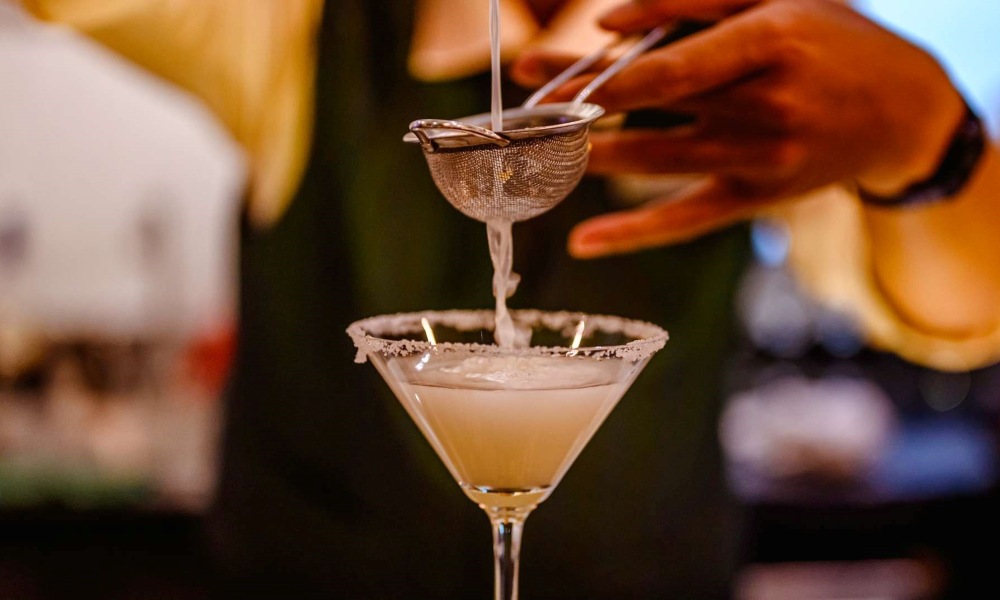
Cocktails in Literature and Film
Cocktails have played a significant role in popular culture, often symbolizing sophistication, decadence, or character traits in literature and film. From James Bond’s shaken-not-stirred martini to the White Russian in “The Big Lebowski,” cocktails have become powerful storytelling devices.
Gender Dynamics and Cocktail Consumption
Historically, certain cocktails have been associated with specific genders, reflecting and sometimes challenging social norms. The evolution of these associations provides insight into changing gender roles and expectations over time.
Global Variations and Local Interpretations
As cocktail culture spread globally, different regions developed their own unique interpretations and signature drinks. This localization of cocktail culture has led to a rich tapestry of flavors and traditions worldwide.
Scientific Perspective: The Psychology of Naming Drinks
The Power of Naming in Consumer Behavior
The name of a cocktail can significantly influence a drinker’s perception and enjoyment of the beverage. Studies have shown that creative or evocative names can enhance the perceived value and taste of a drink.
How the Term “Cocktail” Affects Perception
The word “cocktail” itself carries connotations of sophistication and indulgence. This perception can influence consumer behavior, making people more likely to order mixed drinks in social settings.
Neurolinguistic Programming in Beverage Marketing
Marketers and mixologists often use neurolinguistic programming techniques in naming and describing cocktails. By carefully choosing words that evoke certain emotions or experiences, they can enhance the overall drinking experience.
FAQs
1. What is the most widely accepted theory about the origin of the term “cocktail”?
While there’s no definitive answer, the most widely accepted theory links the term to the practice of using a rooster’s tail feather to garnish drinks in the early 19th century. However, this remains a subject of debate among historians and mixology experts.
2. When was the term “cocktail” first officially defined?
The first published definition of a cocktail appeared in 1806 in “The Balance and Columbian Repository,” describing it as “a stimulating liquor, composed of spirits of any kind, sugar, water, and bitters.”
3. How has the meaning of “cocktail” changed over time?
Initially, “cocktail” referred to a specific type of mixed drink. Over time, its meaning broadened to encompass virtually any mixed alcoholic beverage. Today, it can even include non-alcoholic mixed drinks in some contexts.
4. Does the term “cocktail” have different meanings in different cultures?
While the general concept is similar worldwide, some cultures have unique interpretations. For example, in Japan, the term might be used more broadly to include simple mixed drinks like whiskey and soda.
5. How has social media influenced modern cocktail culture?
Social media has significantly impacted cocktail culture by popularizing visually appealing drinks, spreading new trends rapidly, and allowing bartenders and enthusiasts to share recipes and techniques globally. It has also influenced naming trends, with creators often choosing Instagram-friendly names for new cocktails.
Final Thoughts
As we’ve journeyed through the fascinating world of cocktails, from their mysterious origins to their cultural impact and future trends, one thing becomes clear: the allure of the cocktail lies not just in its taste, but in its rich history and cultural significance. The term “cocktail” has evolved from a simple descriptor of a mixed drink to a symbol of creativity, social connection, and culinary artistry.
While we may never definitively answer why it’s called a cocktail, perhaps that uncertainty is part of its charm. The ongoing debate and myriad theories surrounding its origin reflect the dynamic nature of language and culture, reminding us that even the most familiar terms can hold surprising depths of meaning and history.
0 Comments
Most Voted