How Many Glasses in a Bottle of Champagne?

Whether you’re celebrating a special occasion or just enjoying a casual evening with friends, champagne often plays a central role in the festivities. Understanding how many glasses you can pour from a single bottle can help you plan your gatherings better and ensure that there’s plenty of bubbly to go around.
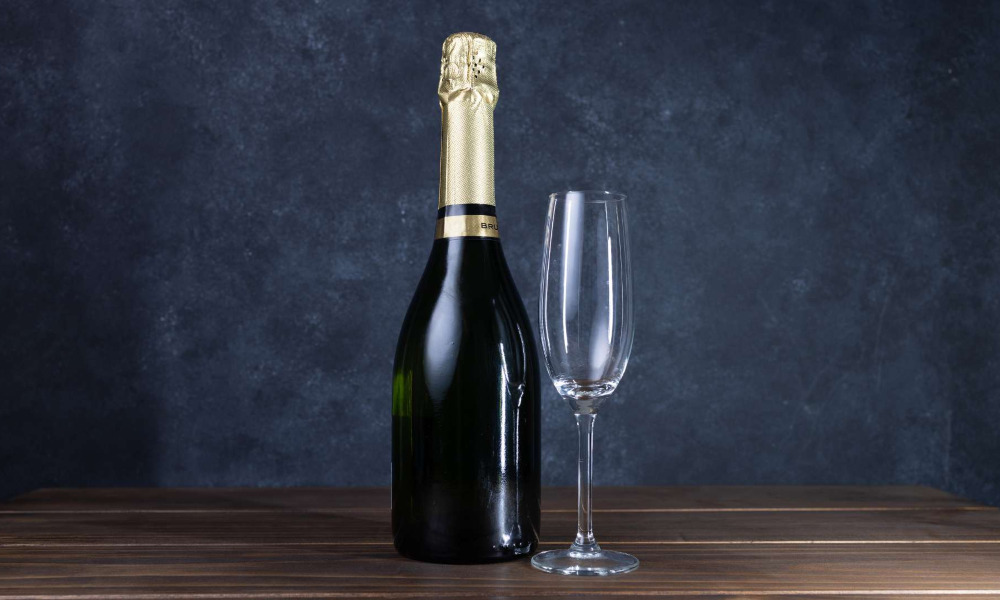
The exact number of glasses per bottle can vary depending on several factors, including the size of the bottle and the type of glasses used. Typically, a standard 750ml bottle of champagne can serve around six to eight glasses. However, the size of a champagne flute can significantly impact this number. A traditional flute, which holds about 125ml, will yield roughly six glasses, while a smaller flute might stretch that bottle to eight servings.
For larger gatherings or special events, magnum bottles and even larger formats are available, offering more servings per bottle. It’s also important to consider the serving style when determining how much champagne you’ll need. Some people prefer a modest pour to savor the taste and experience, while others might enjoy a more generous helping.
By gaining a better comprehension of these factors, you can ensure that every guest’s glass is adequately filled and the celebration remains joyous.
The Standard Champagne Bottle
1. The 750ml Bottle
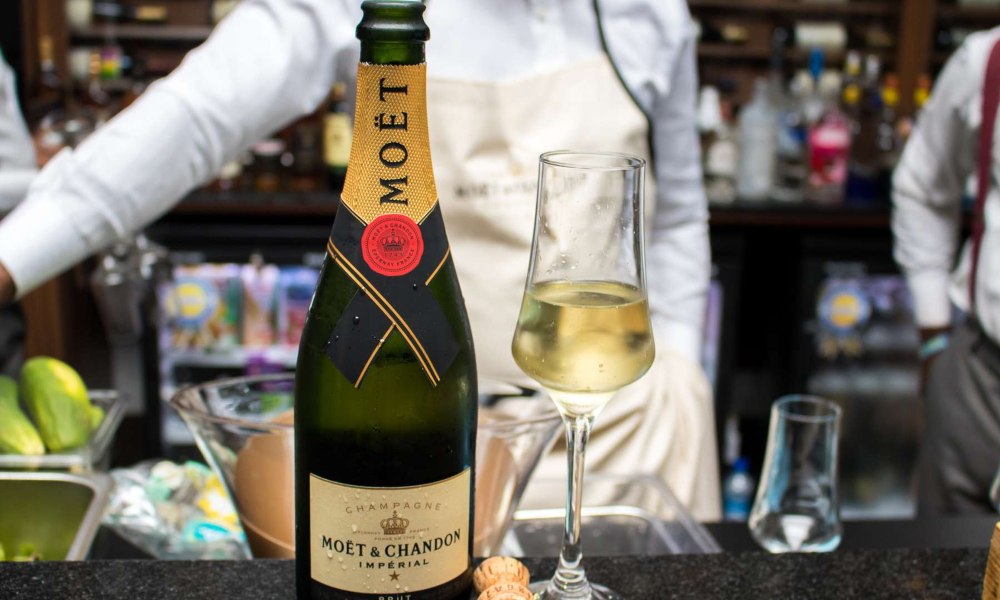
When most people think of a champagne bottle, they picture the standard 750ml size. This iconic bottle has been the norm for champagne production and consumption for centuries, with its origins dating back to the early days of champagne-making in the 18th century.
The 750ml bottle has become so ubiquitous in the world of champagne that it’s often used as a reference point for other bottle sizes. It’s the most common size found in retail stores, restaurants, and bars, and is the go-to choice for most consumers looking to purchase champagne for a special occasion or celebration.
So, How Many Glasses in a Bottle of Champagne can you expect to get from a standard 750ml bottle? The answer depends on a few factors, including the size and shape of your glassware and your pouring technique.
On average, a 750ml bottle of champagne will yield around 5-6 glasses. This assumes a serving size of approximately 125-150ml per glass, which is considered the optimal amount for appreciating the champagne’s aroma and flavor profile. However, if you’re using smaller flutes or pouring more generously, you may only get 4 glasses per bottle.
It’s worth noting that the shape of your glassware can also impact the number of glasses you’ll get from a bottle. Wider glasses, such as coupes or saucers, will naturally hold more champagne than slender flutes, which may result in fewer servings per bottle.
2. Recommended Serving Size for Champagne
As mentioned above, the ideal serving size for champagne is around 125-150ml or roughly one glass from a standard 750ml bottle. This amount of champagne allows for the perfect balance of aroma, flavor, and effervescence, without overwhelming the palate or causing the bubbles to dissipate too quickly.
Of course, personal preferences and occasions may dictate slightly larger or smaller servings. For example, if you’re enjoying a pre-dinner glass of champagne, you may opt for a smaller pour to save room for the meal ahead. Conversely, if you’re celebrating a momentous occasion, you may choose to indulge in a more generous serving.
Ultimately, the key is to find the serving size that allows you to fully appreciate the champagne’s unique characteristics while still maintaining a sense of moderation and balance.
Other Champagne Bottle Sizes
While the 750ml bottle may be the most common, champagne comes in a wide range of sizes to suit every occasion and celebration. From the petite half bottle to the jaw-dropping Nebuchadnezzar, each size has its own unique charm and serving potential. Let’s explore some of the most popular champagne bottle sizes and how many glasses you can expect from each.
1, Half Bottle (375ml)
The half bottle, or demi-bouteille, is a charming and convenient option for intimate gatherings or solo indulgence. At half the size of a standard bottle, it’s perfect for those times when a full bottle may be too much, but you still want to enjoy the elegance and luxury of champagne.
A half bottle of champagne typically yields 2-3 glasses, depending on your serving size and pouring technique. This makes it an ideal choice for a cozy dinner for two, a small bridal shower, or even a solo night with a good book and a bubble bath.
2. Magnum (1.5L)
For larger celebrations and events, the magnum is an impressive and generous choice. Equivalent to two standard bottles, a magnum of champagne is sure to make a statement and keep the festivities flowing.
A magnum will typically provide 10-12 glasses of champagne, making it perfect for medium-sized gatherings like wedding receptions, anniversary parties, and corporate events. Plus, the larger bottle size is said to improve the champagne’s aging potential and flavor development, making it a favorite among connoisseurs and collectors.
3. Jeroboam (3L)
If you really want to make an impression, consider upgrading to a jeroboam. This towering bottle holds the equivalent of four standard bottles and is sure to be the centerpiece of any celebration.
A jeroboam of champagne will yield around 20-24 glasses, making it ideal for larger parties and events. Whether you’re celebrating a milestone birthday, toasting to a successful product launch, or simply want to add some extra sparkle to your next soirée, a jeroboam is a grand and memorable choice.
4. Rehoboam (4.5L)
For those truly special moments that call for an extravagant and rare champagne experience, the rehoboam is the way to go. This commanding bottle holds the equivalent of six standard bottles and is sure to leave a lasting impression on your guests.
A rehoboam will provide approximately 30-36 glasses of champagne, making it perfect for significant events like weddings, galas, and major company milestones. While it may be more difficult to find and handle than smaller bottles, the rehoboam is a truly unforgettable way to celebrate life’s grandest occasions.
5. Methuselah (6L)
Named after the longest-living figure in the Bible, the Methuselah is a monumental champagne bottle that commands attention and respect. Holding the equivalent of eight standard bottles, this giant is not for the faint of heart.
A Methuselah of champagne will yield around 40-48 glasses, making it a show-stopping choice for large-scale events and celebrations. Whether you’re hosting a gala for hundreds of guests or want to make a splash at your next corporate function, a Methuselah is sure to leave a lasting impression.
6. Salmanazar (9L)
For those occasions that truly demand the extraordinary, the Salmanazar is a champagne bottle like no other. Equivalent to a full case of standard bottles (12 in total), this behemoth is a rare and awe-inspiring sight.
A Salmanazar of champagne will provide approximately 60-72 glasses, making it the ultimate choice for large-scale celebrations and events. From grand openings to festival VIP lounges, the Salmanazar is a symbol of luxury, extravagance, and unbridled festivity.
7. Balthazar (12L)
If you thought the Salmanazar was impressive, wait until you see the Balthazar. This colossal champagne bottle holds the equivalent of 16 standard bottles and is a true testament to the artistry and grandeur of champagne-making.
A Balthazar will yield around 80-96 glasses of champagne, making it the perfect choice for the most lavish and over-the-top celebrations imaginable. Whether you’re hosting a royal wedding, a celebrity-studded gala, or a once-in-a-lifetime event, a Balthazar is sure to make an indelible mark on your guests’ memories.
8. Nebuchadnezzar (15L)
For those rare moments that call for the ultimate in champagne extravagance, the Nebuchadnezzar reigns supreme. As the largest commercially available champagne bottle, this titan holds the equivalent of 20 standard bottles and is a true marvel of the champagne world.
A Nebuchadnezzar of champagne will provide a staggering 100-120 glasses, making it the epitome of luxury and celebration. Reserved for only the most extraordinary occasions, such as state dinners, international film festivals, and historic milestones, the Nebuchadnezzar is a symbol of unparalleled prestige and grandeur.
Factors Affecting Champagne Glass Yield
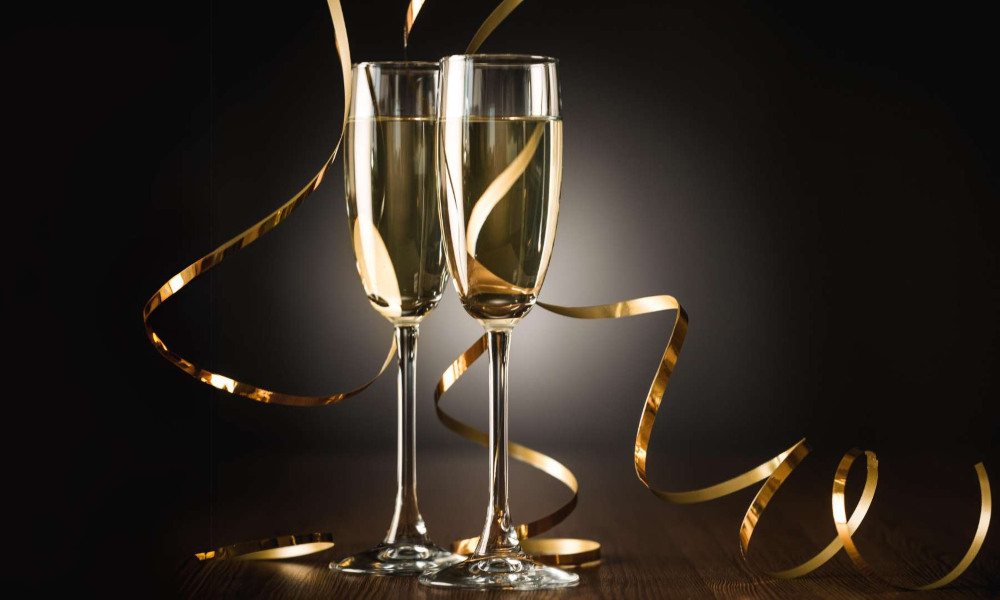
While the bottle size is the primary determinant of how many glasses of champagne you can expect, there are a few other factors that can influence the final yield.
1. Glass Size and Shape
The size and shape of your champagne glassware can have a significant impact on how much champagne each glass can hold, and therefore how many servings you’ll get from a bottle.
Traditional champagne flutes are tall and slender, designed to showcase the bubbles and preserve the effervescence of the champagne. These glasses typically hold around 125-150ml of champagne, which is considered the ideal serving size for appreciation and enjoyment.
In contrast, champagne coupes or saucers are wider and shallower, with a more open bowl that allows for more aeration and faster dissipation of bubbles. While these glasses may be more visually appealing and evocative of Old Hollywood glamour, they generally hold more champagne (150-180ml) and may result in fewer servings per bottle.
Finally, tulip glasses are a more modern and versatile option, with a shape that falls somewhere between a flute and a coupe. The slightly wider bowl allows for greater aroma development, while the tapered rim helps to retain the bubbles and effervescence. Tulip glasses typically hold around 150-180ml of champagne, making them a good choice for those who want a bit more per glass without sacrificing the integrity of the champagne.
2. Pouring Technique
The way you pour your champagne can also affect how many glasses you get from a bottle. A careful, controlled pour will minimize spillage and overflow, ensuring that each glass is filled to the appropriate level without wasting any precious bubbly.
To pour champagne like a pro, start by holding the glass at a 45-degree angle. Gently tilt the bottle and begin pouring the champagne down the side of the glass, gradually straightening the glass as it fills. This method will help to preserve the bubbles and prevent the champagne from foaming over.
As you reach the end of the pour, twist the bottle slightly to stop the flow of champagne and prevent any drips or spills. With practice, you’ll be able to pour consistently and efficiently, maximizing the number of glasses you get from each bottle.
3. Champagne Temperature
Believe it or not, the temperature of your champagne can also impact the number of glasses you get from a bottle. Champagne that is too warm will tend to foam and bubble more aggressively, leading to more overflow and wastage as you pour.
On the other hand, champagne that is too cold may be less expressive and aromatic, with a muted flavor profile and less effervescence. The ideal serving temperature for most champagnes is around 45-50°F (7-10°C), which allows for the perfect balance of bubbles, aroma, and flavor.
To ensure your champagne is at the perfect temperature for serving, try chilling it in the refrigerator for 2-3 hours before your event. Alternatively, you can place the bottle in an ice bucket filled with ice and a little water for 20-30 minutes before pouring. Just be sure not to leave the bottle in the ice for too long, as over-chilling can dull the flavors and aromas of the champagne.
Tips for Serving Champagne
Now that you know how many glasses of champagne you can expect from each bottle size, let’s explore some tips and best practices for serving and enjoying your bubbly.
1. Chilling the Bottle
As mentioned above, the ideal serving temperature for most champagnes is around 45-50°F (7-10°C). To achieve this temperature, you can either chill the bottle in the refrigerator for 2-3 hours, or in an ice bucket for 20-30 minutes before serving.
If using an ice bucket, be sure to fill it with a mixture of ice and water to ensure even chilling. Avoid adding salt to the ice, as this can lower the temperature too quickly and over-chill the champagne.
2. Opening the Bottle
Opening a bottle of champagne can be a bit daunting, especially if you’re in front of an audience. However, with a few simple techniques, you can open your bottle safely and effortlessly, without losing any of that precious bubbly.
First, remove the foil and wire cage from the top of the bottle. While holding the cork firmly with one hand, twist the bottom of the bottle (not the cork) with your other hand. Gently ease the cork out of the bottle, letting the pressure do most of the work. Avoid twisting the cork itself, as this can cause it to break or crumble.
As the cork begins to loosen, tilt the bottle slightly to allow any excess pressure to escape gradually. Once the cork is nearly out, you can either ease it out gently with your hand or let the pressure pop it out on its own. Just be sure to keep a firm grip on the bottle to avoid any spills or accidents.
3. Pouring the Champagne
To pour your champagne like a pro, start by holding the glass at a 45-degree angle. This will allow the champagne to flow down the side of the glass, preserving the bubbles and preventing overflow.
Gently tilt the bottle and begin pouring the champagne down the side of the glass, gradually straightening the glass as it fills. Fill each glass about 2/3 to 3/4 full, leaving some room for the bubbles to develop and the aroma to expand.
As you reach the end of the pour, twist the bottle slightly to stop the flow of champagne and prevent any drips or spills. Serve the glasses immediately, while the champagne is still chilled and effervescent.
FAQs
1. How many glasses of champagne are in a standard 750ml bottle?
A standard 750ml bottle of champagne typically yields 5-6 glasses, assuming a serving size of 125-150ml per glass. However, this can vary depending on the size and shape of your glassware, as well as your pouring technique.
2. What is the ideal serving size for champagne?
The ideal serving size for champagne is around 125-150ml per glass, which allows for the perfect balance of aroma, flavor, and effervescence. This serving size also ensures that you get the optimal number of glasses from each bottle, without running out too quickly.
3. How should I store leftover champagne after opening the bottle?
To store leftover champagne, remove the cork and cover the opening with a champagne stopper or a piece of plastic wrap secured with a rubber band. Place the bottle in the refrigerator, where it will stay fresh for 3-5 days. Avoid storing the bottle in the freezer, as this can cause the champagne to freeze and expand, potentially shattering the bottle.
4. What is the best way to open a bottle of champagne?
To open a bottle of champagne safely and easily, start by removing the foil and wire cage from the top of the bottle. While holding the cork firmly with one hand, twist the bottom of the bottle (not the cork) with your other hand. Gently ease the cork out of the bottle, letting the pressure do most of the work. Avoid twisting the cork itself, as this can cause it to break or crumble.
5. What is the largest bottle of champagne available?
The largest commercially available bottle of champagne is the Nebuchadnezzar, which holds a staggering 15 liters (equivalent to 20 standard 750ml bottles). This massive bottle is typically reserved for the most extravagant and over-the-top celebrations, such as state dinners, international film festivals, and historic milestones.
Final Thoughts
Understanding how many glasses of champagne are in a bottle is essential for planning and executing any celebration or event. Whether you’re popping open a standard 750ml bottle or splurging on a massive Nebuchadnezzar, knowing the yield and serving size of each bottle will help you ensure that there’s plenty of bubbly to go around.
Throughout this post, we’ve explored the various factors that can influence the number of glasses per bottle, from the size and shape of your glassware to your pouring technique and the temperature of the champagne. We’ve also provided tips and best practices for serving, storing, and enjoying your champagne, as well as some etiquette guidelines for toasting and displaying empty bottles.
Armed with this knowledge, you’ll be able to approach your next champagne-fueled celebration with confidence and style. Whether you’re hosting a small gathering or a grand gala, you’ll know exactly how much champagne you need to buy, how to serve it properly, and how to create a memorable and enjoyable experience for your guests.
So the next time you’re planning a special occasion, remember the importance of understanding champagne bottle sizes and serving quantities. With a little bit of knowledge and preparation, you can ensure that your event is a sparkling success, with plenty of bubbles and joy to go around. Cheers!
0 Comments
Most Voted