Turkish Teapot | Learn the History

In the vibrant tapestry of Turkish culture, few elements are as ubiquitous and beloved as the humble teapot. From bustling city streets to tranquil countryside gardens, the sight of steaming teapots and the aroma of freshly brewed tea are constant reminders of the central role that tea drinking plays in daily life. But have you ever wondered about the origins and evolution of this iconic vessel?
The Turkish teapot, or çaydanlık, is more than just a functional object; it is a symbol of hospitality, a catalyst for social bonding, and a testament to the rich history and cultural heritage of Turkey. Its design and use have been shaped by centuries of tradition, innovation, and adaptation, reflecting the changing tastes and influences of Turkish society.
In this blog post, we will embark on a fascinating journey through the history of Turkish tea and the teapot that has become synonymous with it. From the early days of the Silk Road to the modern era of global tea culture, we will explore the various factors that have contributed to the development and popularity of the Turkish teapot. So, sit back, grab a cup of your favorite brew, and let us dive into the captivating world of Turkish tea and the beloved vessel that brings it to life.
The Origins of Tea Culture in Turkey
1. The Introduction of Tea to Turkey
The story of tea in Turkey begins long before the country itself was established, with roots stretching back to the ancient trade routes that connected the Far East with the Mediterranean world. As early as the 6th century BCE, Chinese merchants were trading tea along the Silk Road, a network of overland and maritime routes that facilitated the exchange of goods, ideas, and cultures between Asia, Europe, and Africa.
It was through these early trade routes that tea first made its way to the region that would later become Turkey. The influence of Chinese and Central Asian tea traditions can be seen in the preparation and consumption of tea in Turkey, which often involves brewing loose tea leaves in a pot and diluting the resulting strong brew with hot water.
2. The Rise of Tea Consumption in the Ottoman Empire
While tea was known in the region for centuries, it was not until the Ottoman Empire that tea drinking became a widespread and socially significant practice in Turkey. In the 16th and 17th centuries, the establishment of tea gardens and public tea houses in Istanbul and other major cities helped to popularize tea consumption among the urban population.
These tea gardens and houses served as important social and political gathering places, where people from all walks of life could come together to drink tea, exchange ideas, and engage in lively debates. The act of sharing tea became a symbol of hospitality and friendship, cementing its place in the fabric of Ottoman society.
3. The Emergence of the Turkish Tea Industry
Despite the growing popularity of tea in the Ottoman Empire, it was not until the 20th century that Turkey began to cultivate and produce its own tea on a large scale. In the 1920s and 1930s, the newly established Republic of Turkey sought to reduce its dependence on imported tea and promote economic self-sufficiency.
To this end, the government encouraged the cultivation of tea in the Black Sea region, particularly in the province of Rize, which had the ideal climate and soil conditions for growing tea plants. With the help of Russian and Georgian tea experts, local farmers learned how to plant, harvest, and process tea leaves using traditional methods.
Over time, the Turkish tea industry grew and flourished, with the development of local tea processing factories and packaging facilities. Today, Turkey is one of the largest tea producers in the world, with a thriving domestic market and a growing export industry.
The Traditional Turkish Teapot: Çaydanlık
1. The Design and Components of the Çaydanlık
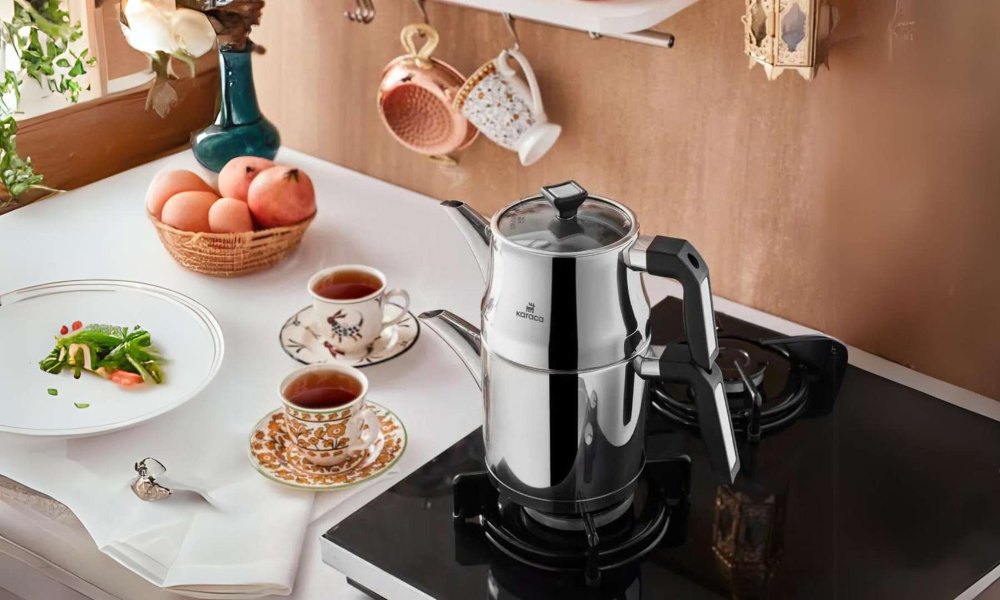
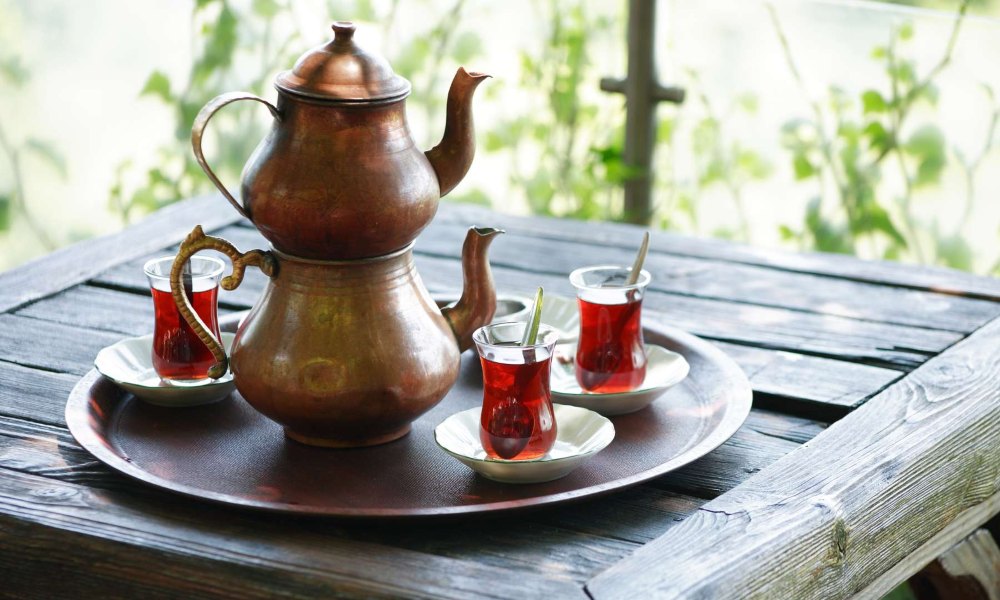
At the heart of Turkish tea culture is the çaydanlık, a unique and ingenious teapot that has been used for centuries to brew and serve the perfect cup of tea. The çaydanlık consists of two main components: the demlik, or top pot, and the çaydanlık altı, or bottom pot.
The demlik is where the loose tea leaves are placed and brewed, typically using a small amount of water to create a strong, concentrated infusion. The demlik is usually made of metal, such as copper, brass, or stainless steel, and has a handle and a spout for pouring the brewed tea.
The çaydanlık altı, on the other hand, is used to boil water and dilute the strong tea from the demlik to the desired strength. The çaydanlık altı is placed on a heat source, such as a stove or a special tea-making device called a semaver, which keeps the water hot and ready for use.
2. The Brewing Process Using a Çaydanlık
Brewing the tea in a çaydanlık is a simple but precise process that requires a bit of skill and practice to perfect. First, loose tea leaves are placed in the demlik, using about one teaspoon of tea per person. A small amount of boiling water is then poured over the leaves, just enough to dampen them and release their aroma.
After allowing the leaves to steep for a minute or two, more boiling water is added to the demlik, filling it about halfway. The demlik is then placed on top of the çaydanlık altı, which is kept simmering on the heat source. The tea is allowed to brew for several minutes, depending on the type of tea and personal preference.
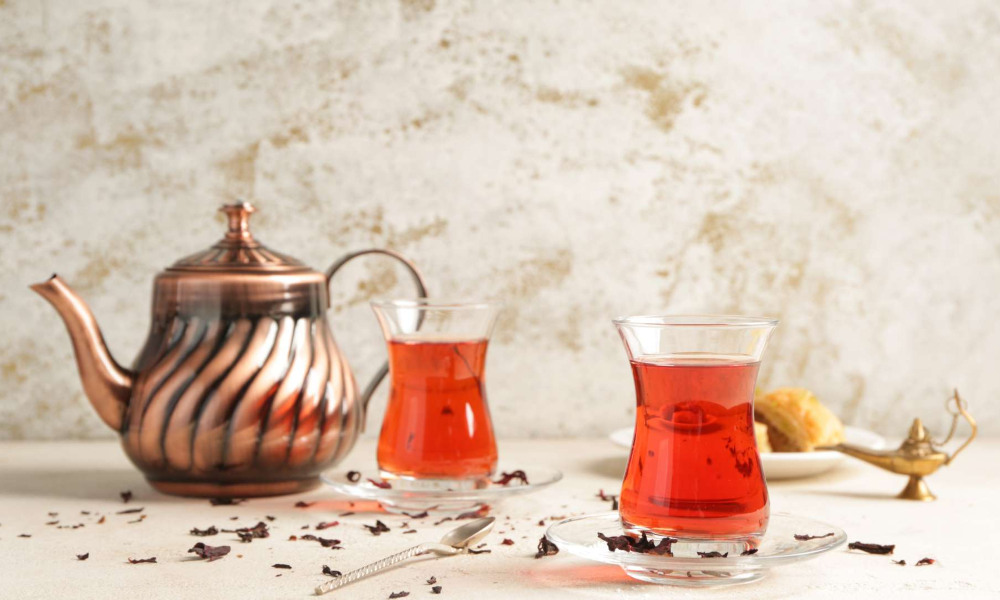
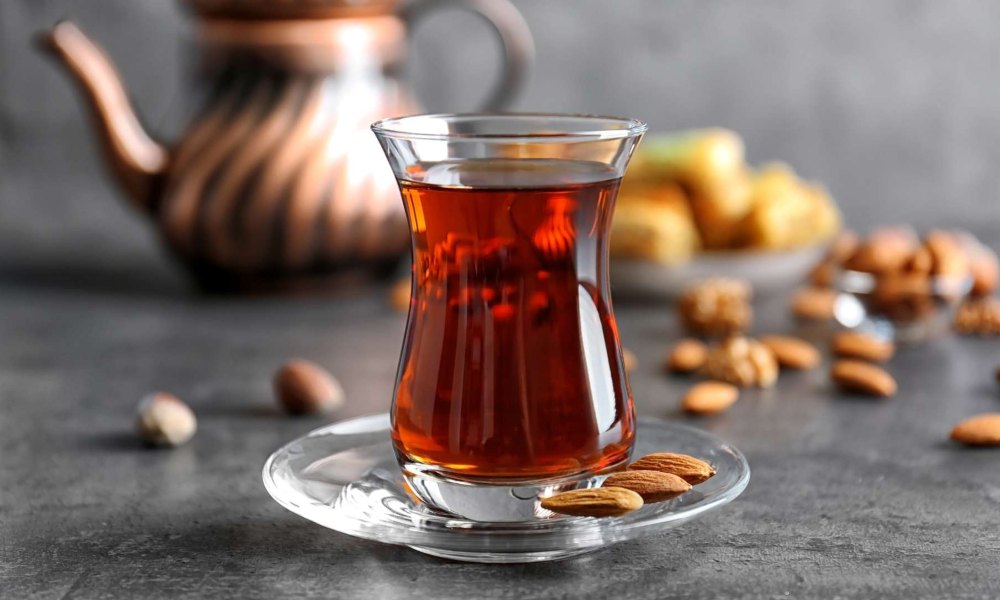
Once the tea is fully brewed, it is poured into small, tulip-shaped tea glasses called ince belli bardak. The strong tea from the demlik is diluted with hot water from the çaydanlık altı to the desired strength, usually ranging from a light golden color to a deep reddish-brown.
The art of pouring and serving Turkish tea is a crucial part of the tea-drinking experience. The tea is typically poured from the demlik into the glass from a height of about a foot, creating a frothy foam on top of the liquid. This foam, called köpük, is considered a sign of a well-brewed and properly poured cup of tea.
3. Cultural Significance of the Çaydanlık
Beyond its functional role in brewing tea, the çaydanlık holds a deep cultural significance in Turkish society. The act of preparing and sharing tea is an essential part of Turkish hospitality and social gatherings, from casual get-togethers with friends and family to formal business meetings and diplomatic events.
The çaydanlık is often the centerpiece of these gatherings, with the host or a designated tea server carefully preparing and pouring the tea for the guests. The offering and acceptance of tea are seen as a gesture of friendship, respect, and goodwill, helping to create a warm and convivial atmosphere.
In Turkish art and literature, the çaydanlık is often used as a symbol of home, comfort, and social connection. Its distinctive shape and shiny metallic surface have inspired countless paintings, poems, and songs celebrating the joys and rituals of Turkish tea culture.
The Evolution of Turkish Teapot Design
1. The Influence of Western Tea Culture on Turkish Teapots
While the traditional çaydanlık remains a beloved and ubiquitous fixture of Turkish tea culture, the design and production of Turkish teapots have also been influenced by Western tea traditions and aesthetics over time. In the late 19th and early 20th centuries, as the Ottoman Empire began to modernize and adopt European customs, the use of porcelain and glass teapots became increasingly popular among the upper classes.
These new materials and styles were seen as a symbol of refinement and sophistication, reflecting the growing influence of Western culture on Turkish society. The adoption of European-style tea sets and serving customs, such as the use of teacups and saucers instead of traditional tea glasses, also began to change the way tea was consumed and presented in some social circles.
2. The Modernization of Turkish Teapot Production
As Turkey underwent rapid industrialization and economic development in the 20th century, the production of teapots and other tea accessories also began to modernize and expand. The use of new materials, such as stainless steel and heat-resistant glass, allowed for the creation of more durable and efficient teapots that could be mass-produced and widely distributed.
The rise of industrial manufacturing techniques also led to the standardization of teapot designs and sizes, with many producers focusing on creating functional and affordable products for the growing domestic market. However, some artisans and small workshops continued to handcraft traditional çaydanlıks using time-honored techniques and materials, preserving the authentic character and quality of these iconic vessels.
3. Contemporary Turkish Teapot Styles and Innovations
In recent years, there has been a resurgence of interest in traditional Turkish tea culture and a renewed appreciation for the artistry and craftsmanship of handmade teapots. Many contemporary Turkish designers and artisans are now creating innovative and stylish teapots that combine traditional elements with modern aesthetics and functionality.
These new designs often feature unique shapes, colors, and patterns that reflect the diverse influences and creativity of modern Turkish culture. Some teapots are decorated with intricate calligraphy, geometric patterns, or colorful floral motifs, while others are crafted from unusual materials like wood, clay, or even fruit shells.
There is also a growing market for specialty and artistic teapots among collectors and enthusiasts, both in Turkey and abroad. These teapots are often one-of-a-kind or limited edition pieces that showcase the skill and imagination of their creators, and are prized for their beauty, rarity, and cultural significance.
Turkish Teapots in Popular Culture
1. The Representation of Turkish Teapots in Film, Television, and Literature
The ubiquity and cultural importance of Turkish teapots have made them a frequent subject and symbol in popular media and artistic works. In Turkish films and television shows, scenes of characters gathering to drink tea and chat are a common motif, often used to establish a sense of intimacy, familiarity, or social connection.
In literature, the teapot is often used as a metaphor for home, comfort, and tradition, evoking the warmth and conviviality of Turkish family life. The Turkish novelist Orhan Pamuk, for example, frequently uses tea and teapots as symbols of memory, nostalgia, and cultural identity in his works, such as the novel “The Museum of Innocence.”
2. The Role of Turkish Teapots in Tourism and Cultural Diplomacy
As Turkey has become an increasingly popular tourist destination in recent years, the Turkish teapot has also taken on a new role as a symbol of the country’s hospitality and cultural heritage. Many tourists seek out traditional tea gardens and houses to experience the authentic flavors and rituals of Turkish tea drinking, and teapots and tea sets are popular souvenirs and gifts.
In addition, Turkish teapots have become a tool of cultural diplomacy and soft power, used to promote understanding and appreciation of Turkish culture abroad. Turkish embassies and cultural centers often host tea ceremonies and workshops featuring traditional teapots and brewing techniques, while Turkish airlines and hotels may offer specially designed teapots and tea glasses to their customers as a way of showcasing the country’s iconic beverage.
3. The Popularization of Turkish Tea Culture and Teapots Around the World
As tea in Turkey has gained global recognition and popularity, so too have Turkish teapots and tea accessories. In many countries, Turkish-style tea houses and cafes have opened up, offering a wide selection of black teas and herbal infusions served in traditional tea glasses and brewed in ornate çaydanlıks.
Online retailers and specialty tea shops also now carry a variety of Turkish teapots and tea sets, allowing customers around the world to recreate the experience of Turkish tea drinking at home. Social media and food blogs have also helped to spread awareness and appreciation of Turkish tea culture, with countless posts and articles featuring photos and reviews of Turkish teapots and brewing techniques.
As a result, the Turkish teapot has become not only a beloved national icon but also a globally recognized symbol of the rich history and cultural significance of tea in Turkey.
FAQs
1. What is the difference between a Turkish teapot and a regular teapot?
A Turkish teapot, or çaydanlık, is a double-chambered vessel consisting of a small top pot (demlik) for brewing strong tea and a larger bottom pot (çaydanlık altı) for boiling water to dilute the tea. This design allows for the preparation of a concentrated tea that can be adjusted to each drinker’s preferred strength. Regular teapots, on the other hand, typically have a single chamber and are used to brew tea directly.
2. Can I use a Turkish teapot to brew other types of tea besides Turkish black tea?
Yes, you can use a Turkish teapot to brew various types of loose-leaf tea, such as green tea, oolong tea, or herbal infusions. However, the traditional Turkish method of brewing a strong, concentrated tea in the demlik and diluting it with hot water from the çaydanlık altı is best suited for black tea leaves.
3. How do I clean and maintain my Turkish teapot?
To clean your Turkish teapot, rinse it thoroughly with hot water after each use and dry it completely to prevent rust or tarnish. If the teapot is made of metal, such as copper or brass, you may occasionally need to polish it with a soft cloth or a special metal cleaner to restore its shine. Glass or ceramic teapots should be washed by hand with mild soap and water and handled gently to avoid chips or cracks.
4. What is the best way to serve Turkish tea?
Turkish tea is traditionally served in small, tulip-shaped glasses called ince belli bardak, which are placed on small saucers. The tea is poured from the demlik into the glass from a height of about a foot, creating a frothy foam on top of the liquid. This foam, called köpük, is considered a sign of a well-brewed and properly poured cup of tea. Sugar cubes or other sweets may be served alongside the tea for those who prefer a sweeter taste.
Final Thoughts
From its humble beginnings on the ancient Silk Road to its current status as a global cultural icon, the Turkish Teapot has played a central role in the rich and fascinating history of Turkish tea. Through centuries of innovation, adaptation, and refinement, the çaydanlık has become not only a functional tool for brewing tea but also a symbol of the warmth, hospitality, and social connection that lie at the heart of Turkish tea-drinking traditions.
As we have seen, the Turkish teapot has evolved over time to reflect the changing tastes, technologies, and influences of Turkish society, while still maintaining its essential character and cultural significance. Today, Turkish teapots continue to inspire and delight tea lovers around the world, with their unique designs, craftsmanship, and association with the beloved beverage that tea plays such an important role in Turkish life.
So, the next time you pour yourself a steaming cup of black tea from a traditional Turkish teapot, take a moment to reflect on the centuries of history and culture that have shaped this beloved object, and to savor the unique flavors and aromas that have made Turkish tea a cherished part of daily life for generations.
0 Comments
Most Voted