Yixing Teapot | What Makes Them Unique?

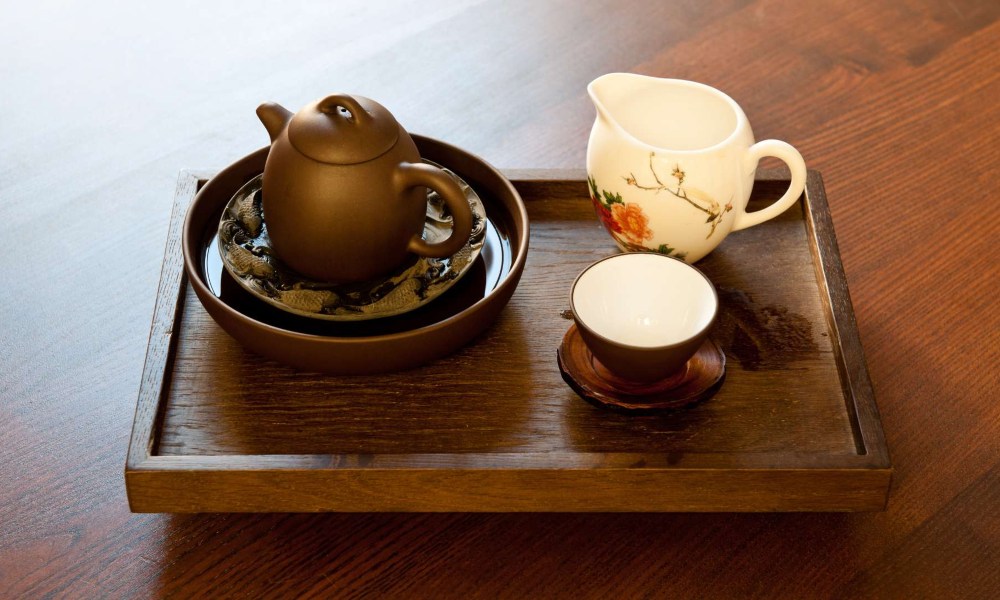
In the world of tea, few vessels are as revered and sought-after as the Yixing teapot. These small, unassuming clay pots have captured the hearts of tea drinkers for centuries, and for good reason. Yixing teapots are not just simple vessels for brewing tea; they are works of art, imbued with history, culture, and a unique set of properties that set them apart from other teaware.
The story of Yixing teapots is a fascinating one, spanning over 500 years of Chinese history and cultural heritage. From their humble beginnings as functional tea brewing vessels to their status as highly prized collectibles, Yixing teapots have played a significant role in shaping the world of tea as we know it today.
We’ll explore the history and origins of these remarkable clay pots, investigate the unique properties of the renowned Yixing clay, and celebrate the artistry and craftsmanship behind each handcrafted teapot. Whether you’re a seasoned tea connoisseur or a curious newcomer to the world of tea, this post will instill a newfound appreciation for the magic and allure of Yixing teapots.
The Origins and History of Yixing Teapots
1. The Geographical Location and History of Yixing, China
To understand the significance of Yixing teapots, we must first look at the place where they originated: the city of Yixing in China’s Jiangsu Province. Yixing has a long and storied history as a center of ceramic production, with a tradition of pottery-making that dates back over 6,000 years.
The unique geological conditions of the Yixing region, with its rich deposits of iron-rich clay, have made it an ideal location for the production of high-quality ceramics. The discovery and early use of Yixing clay for pottery-making can be traced back to the Song Dynasty (960-1279 AD), when it was used to create a variety of functional and decorative objects.
2. The Development of Yixing Teapot Craftsmanship
It wasn’t until the Ming Dynasty (1368-1644 AD), however, that Yixing teapots began to emerge as a distinct and highly prized form of teaware. During this period, the art of tea drinking became increasingly popular among Chinese scholars and literati, who prized the simplicity and functionality of Yixing teapots.
As demand for Yixing teapots grew, so too did the skill and artistry of the craftsmen who made them. During the Qing Dynasty (1644-1912 AD), Yixing teapot production reached new heights of sophistication and refinement, with the emergence of famous artisans and workshops that set the standard for quality and design.
3. The Cultural and Artistic Significance of Yixing Teapots
Over time, Yixing teapots became more than just functional tea brewing vessels; they became objects of cultural and artistic significance, prized by collectors and connoisseurs around the world. The unique properties of Yixing clay, combined with the skill and creativity of the artisans who worked with it, resulted in teapots that were not only beautiful but also highly effective at brewing the perfect cup of tea.
Today, antique Yixing teapots from the Ming and Qing dynasties are highly sought-after collectibles, with some rare examples fetching prices in the millions of dollars at auction. Modern Yixing teapots, crafted by skilled artisans using traditional techniques, are also highly prized by tea enthusiasts around the world, who appreciate their beauty, functionality, and cultural significance.
The Unique Properties of Yixing Clay
1. The Composition and Characteristics of Yixing Clay
One of the key factors that sets Yixing teapots apart from other types of teaware is the unique properties of the clay used to make them. Yixing clay, also known as “zisha” or “purple sand,” is a type of clay that is found only in the Yixing region of China.
This special clay is composed of a variety of minerals, including iron, quartz, and mica, which give it its distinctive color and texture. Yixing clay is typically divided into three main categories based on its color: purple clay (zini), red clay (hongni), and green clay (lüni), each with its own unique characteristics and properties.
2. The Effects of Yixing Clay on Tea Brewing
One of the most remarkable properties of Yixing clay is its porosity. Unlike other types of ceramic teapots, which are typically glazed to create a smooth, non-porous surface, Yixing teapots are left unglazed, allowing the clay to absorb the flavors and aromas of the tea brewed inside the teapot.
Over time, as the teapot is used to brew the same type of tea repeatedly, it develops a unique “seasoning” that enhances the flavor and aroma of the tea. This is why many tea drinkers choose to dedicate a specific Yixing teapot to a particular type of tea, such as oolong or pu-erh.
Another important property of Yixing clay is its excellent heat retention. The thick walls and dense composition of the clay help to maintain a consistent temperature inside the teapot, allowing the tea leaves to steep evenly and efficiently.
3. The Health Benefits of Brewing Tea in Yixing Teapots
In addition to their effects on the flavor and aroma of tea, Yixing teapots are also believed to have certain health benefits. Some tea enthusiasts believe that brewing tea in a Yixing teapot can help to reduce the acidity and bitterness of certain teas, making them smoother and more palatable.
There is also a long tradition of using Yixing teapots in the practice of “tea therapy” in traditional Chinese medicine. According to this practice, brewing and drinking tea from a Yixing teapot can help to promote relaxation, improve digestion, and alleviate certain health conditions.
While more research is needed to fully understand the potential health benefits of brewing tea in Yixing teapots, there is no denying the unique and special properties of Yixing clay that make it such a prized material for teaware.
The Art and Craftsmanship of Yixing Teapots
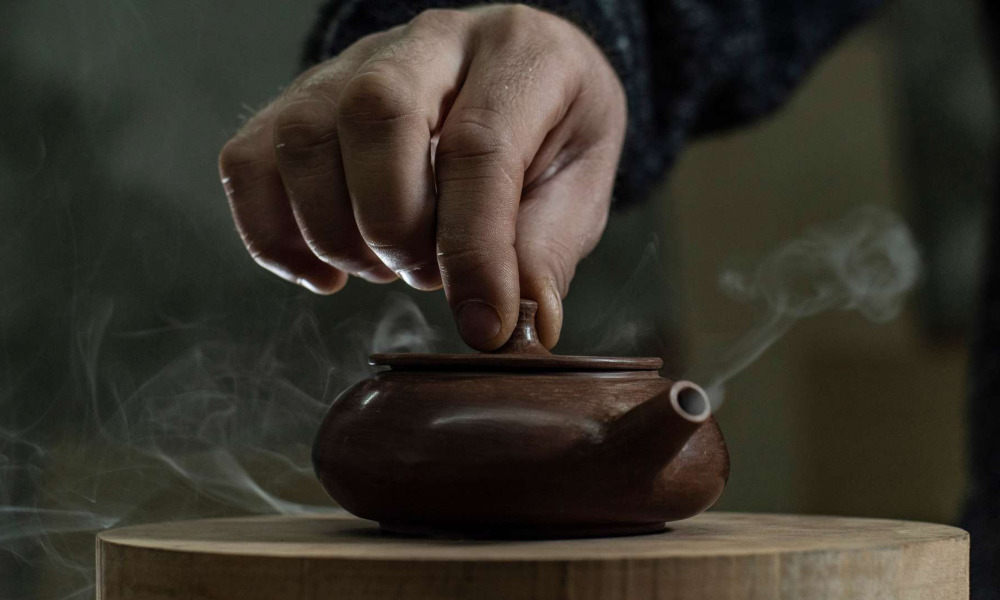
The Traditional Techniques Used in Yixing Teapot Production
The creation of a Yixing teapot is a complex and time-consuming process that requires great skill, patience, and attention to detail. The first step in the process is the harvesting and preparation of the Yixing clay itself.
The clay is typically harvested from deep underground mines in the Yixing region, where it has been formed over millions of years by the forces of nature. Once harvested, the clay is carefully sorted and cleaned to remove any impurities, then aged and refined to achieve the desired consistency and plasticity.
The next step in the process is the shaping and carving of the teapot itself. Yixing teapots are typically made using a combination of hand-building and wheel-throwing techniques, with each artisan developing their own unique style and approach.
Once the basic shape of the teapot has been created, the artisan will then use a variety of tools and techniques to refine and decorate the surface of the teapot. This may include carving intricate designs and patterns into the clay, adding handles and spouts, and applying various glazes and finishes.
Finally, the teapot is fired in a kiln at high temperatures to harden and strengthen the clay. This firing process is critical to the final quality and durability of the teapot and requires great skill and precision to achieve the desired results.
The Different Styles and Designs of Yixing Teapots
One of the most fascinating aspects of Yixing teapots is the incredible variety of styles and designs that have evolved over the centuries. From simple, unadorned teapots to highly elaborate and ornate designs, there is a Yixing teapot to suit every taste and preference.
Some of the most classic and enduring styles of Yixing teapots include:
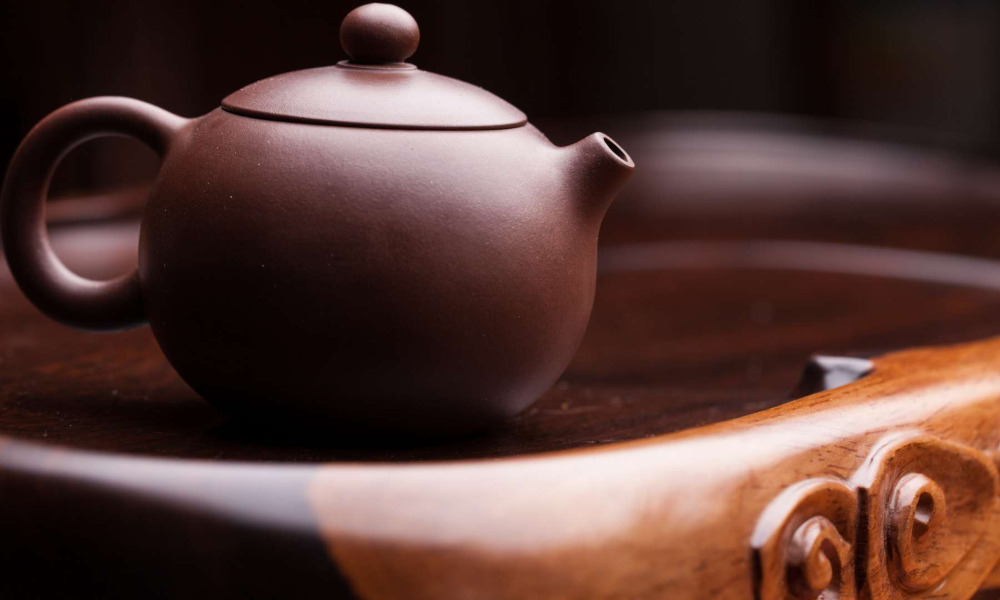
- The “Xi Shi” teapot, is named after a famous Chinese beauty, with its graceful curves and elegant proportions.
- The “Pear-shaped” teapot, with its plump, rounded body and slender neck.
- The “Shi Piao” or “Stone Scoop” teapot, with its angular, geometric shape and bold, sculptural lines.
In addition to these classic shapes, Yixing teapots are also known for their intricate and symbolic decorations. Many teapots feature designs and motifs that are rich in cultural and historical significance, such as dragons, phoenixes, and Chinese characters.
The Famous Yixing Teapot Artisans and Their Signature Styles
Throughout the history of Yixing pottery, there have been many famous artisans and workshops that have left their mark on the art form. These master craftsmen are celebrated for their unique styles, techniques, and contributions to the world of Yixing teapots.
Some of the most famous Yixing teapot artisans include:
- Gong Chun, is a 16th-century artisan known for his simple, elegant designs and exquisite craftsmanship.
- Chen Ming Yuan, is an 18th-century artisan famous for his intricate and detailed carvings.
- Gu Jing Zhou, a 20th-century master who pioneered the use of new materials and techniques in Yixing teapot production.
Today, there are many contemporary Yixing teapot artisans who are carrying on the rich tradition of this art form, creating stunning and innovative designs that push the boundaries of what is possible with Yixing clay. These modern masters are helping to ensure that the art of Yixing teapot-making continues to thrive and evolve for generations to come.
Choosing and Caring for a Yixing Teapot
Factors to Consider When Selecting a Yixing Teapot
If you’re in the market for a Yixing teapot, there are several important factors to consider to ensure that you get the best possible teapot for your needs and preferences. Here are a few key things to keep in mind:
- Authenticity and quality: With the popularity of Yixing teapots, there are unfortunately many counterfeit and low-quality imitations on the market. To ensure that you’re getting a genuine Yixing teapot, look for reputable sellers and carefully examine the craftsmanship and details of the teapot.
- Size and shape: Yixing teapots come in a wide range of sizes and shapes, from small, single-serving pots to larger, multi-cup vessels. Consider your tea-drinking habits and preferences when selecting the right size and shape for your needs.
- Clay type and color: As mentioned earlier, Yixing clay comes in a variety of colors and types, each with its own unique properties and characteristics. Consider the type of tea you plan to brew most often, as well as your personal aesthetic preferences, when selecting the clay type and color of your teapot.
- Price and value: Yixing teapots can range in price from a few dollars to several thousand dollars, depending on the tea pot’s age, rarity, and craftsmanship. While it’s important to invest in a quality teapot, be sure to set a budget that works for you and shop around to find the best value for your money.
Tips for Seasoning and Maintaining a Yixing Teapot
Once you’ve selected your perfect Yixing teapot, it’s important to properly season and maintain it to ensure the best possible tea-drinking experience. Here are a few tips to keep in mind:
- Seasoning your teapot: Before using your Yixing teapot for the first time, it’s important to season it to remove any residual clay dust and prepare the pot for use. This typically involves boiling the teapot in water for several minutes, then steeping tea leaves in the pot and discarding the first few brews.
- Cleaning and storing your teapot: To clean your Yixing teapot after use, simply rinse it with hot water and allow it to air dry. Avoid using soap or abrasive cleaners, as these can damage the delicate clay and affect the flavor of your tea. When storing your teapot, keep it in a cool, dry place away from direct sunlight and strong odors.
- Dedicating your teapot to a specific tea type: As mentioned earlier, many tea enthusiasts choose to dedicate a specific Yixing teapot to a particular type of tea, such as oolong or pu-erh. This allows the teapot to develop a unique seasoning over time that enhances the flavor and aroma of that specific tea.
By following these simple tips and guidelines, you can ensure that your Yixing teapot provides you with many years of delicious and satisfying tea-drinking experiences.
FAQs
1. Are Yixing teapots only suitable for brewing Chinese teas?
While Yixing teapots are most commonly associated with traditional Chinese teas like oolong and pu-erh, they can actually be used to brew a wide variety of teas from around the world. However, it’s generally recommended to dedicate a specific Yixing teapot to a particular type of tea to allow the pot to develop a unique seasoning that enhances the flavor and aroma of that tea.
2. How do I know if a Yixing teapot is authentic?
Unfortunately, with the popularity of Yixing teapots, there are many counterfeit and low-quality imitations on the market. To ensure that you’re getting an authentic Yixing teapot, look for reputable sellers who specialize in Chinese teaware and carefully examine the craftsmanship and details of the teapot. Authentic Yixing teapots should have a smooth, dense texture and a slightly rough, unglazed surface. They should also have a good balance and feel comfortable to hold and pour.
3. Can I use soap to clean my Yixing teapot?
No, it’s generally not recommended to use soap or other cleaning agents to clean your Yixing teapot, as these can damage the delicate clay and affect the flavor of your tea. Instead, simply rinse your teapot with hot water after each use and allow it to air dry. If your teapot becomes stained or develops a buildup of tea residue, you can try boiling it in water for a few minutes to help remove the stains.
4. How long does it take to season a Yixing teapot?
The amount of time it takes to season a Yixing teapot can vary depending on factors like the type of tea you’re brewing, the frequency of use, and the specific characteristics of the Yixing clay. In general, it’s recommended to use your teapot regularly for 6 months to a year before it reaches its full potential in terms of flavor enhancement.
5. Can I use my Yixing teapot for both hot and cold tea?
While Yixing teapots are primarily designed for brewing hot tea, they can also be used for cold teas or other beverages like fruit-infused water. However, be cautious when using the pot for significantly different temperatures as drastic temperature changes can cause cracks to form in the delicate clay. If you do plan on using your teapot for cold teas, it’s best to let it cool down gradually before adding ice or refrigerating it.
Final Thoughts
Yixing teapots are truly unique and special vessels that offer a perfect balance of form and function. With their rich history, cultural significance, and unparalleled performance in brewing tea, it’s no wonder that Yixing teapots have captured the hearts and minds of tea lovers for centuries.
From the unique properties of Yixing clay to the incredible skill and artistry of the craftsmen who shape them, every aspect of Yixing teapots is designed to enhance and elevate the tea-drinking experience. Whether you’re a seasoned tea connoisseur or a newcomer to the world of tea, investing in a quality Yixing teapot is a decision that you won’t regret.
As we continue to explore and appreciate the art and science of tea, it’s important to recognize and celebrate the role that Yixing teapots have played in shaping this beloved global tradition. By preserving and promoting the craft of Yixing teapot making, we can ensure that future generations will have the opportunity to experience the magic and wonder of these remarkable clay pots.
So the next time you sit down to enjoy a cup of your favorite tea, take a moment to appreciate the beauty and craftsmanship of your Yixing teapot. Savor the rich flavors and aromas that have been carefully cultivated and preserved by generations of skilled artisans, and raise a toast to the enduring legacy of this timeless art form.
0 Comments
Most Voted