Types of Japanese Knives | Compare and Contrast

11FAQs
In the realm of culinary artistry, few tools command as much respect and admiration as the Japanese knife. These masterpieces of craftsmanship are not merely instruments for cutting; they are the embodiment of centuries-old traditions, meticulous attention to detail, and an unwavering commitment to perfection. From the bustling kitchens of Tokyo’s finest restaurants to the humble countertops of home cooks worldwide, Japanese knives have earned their reputation as the pinnacle of culinary precision.
What sets these blades apart is not just their razor-sharp edges or elegant designs, but the philosophy that underpins their creation. Each Japanese knife is a testament to the harmonious relationship between form and function, where every curve, every gram of weight, and every millimeter of the blade is purposefully crafted to enhance the user’s experience. This dedication to excellence has given rise to a diverse array of specialized knives, each designed to excel in specific culinary tasks.
In this exploration of Japanese knives, we’ll uncover the secrets behind their construction, compare their strengths and specialties, and discover why chefs and cooking enthusiasts alike revere these tools. Whether you’re a seasoned professional or an aspiring home cook, understanding the nuances of Japanese knives can elevate your culinary skills and deepen your appreciation for the art of food preparation.
The Art of Japanese Knife Making
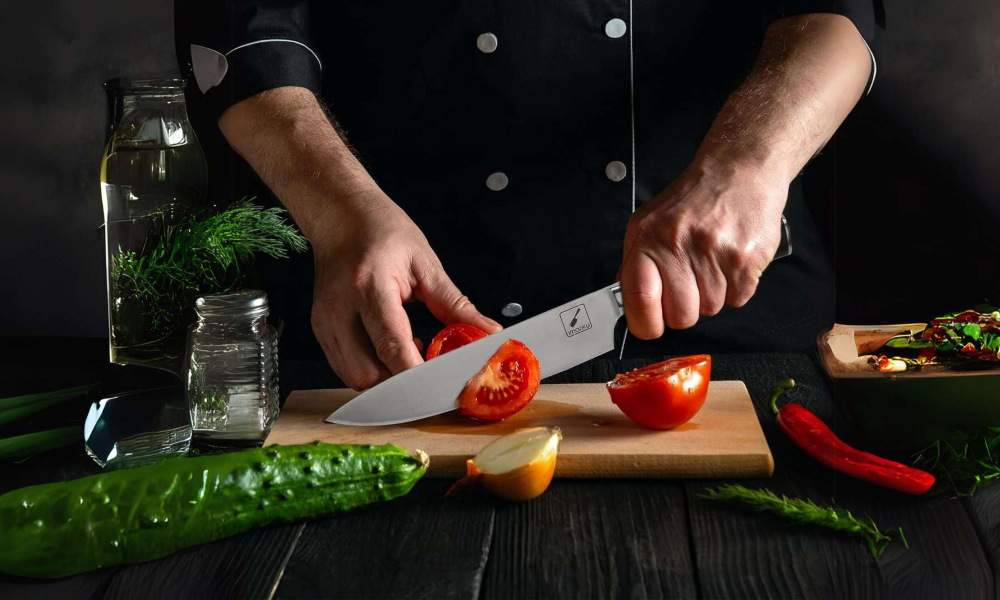
The creation of a Japanese knife is a process that blends ancient tradition with modern innovation. Master craftsmen, known as “toshogu,” dedicate their lives to perfecting the art of knife making, often passing down their skills through generations. This dedication to craftsmanship is evident in every aspect of the knife, from the selection of materials to the final polishing of the blade.
At the heart of Japanese knife-making is the choice of steel. While modern stainless steel knives have gained popularity for their ease of maintenance, many traditionalists still prefer high-carbon steel for its superior sharpness and ability to hold a keen cutting edge. The type of steel used can dramatically affect the knife’s performance, with each variety offering a unique balance of hardness, flexibility, and edge retention.
The forging process itself is a spectacle of skill and precision. Many high-end Japanese knives are still crafted using traditional methods, where the steel is heated, folded, and hammered repeatedly to create a blade with exceptional strength and a beautiful layered appearance. This process, known as “Damascus” or “suminagashi,” not only enhances the knife’s performance but also results in a visually stunning pattern on the blade’s surface.
Gyuto: The All-Purpose Powerhouse
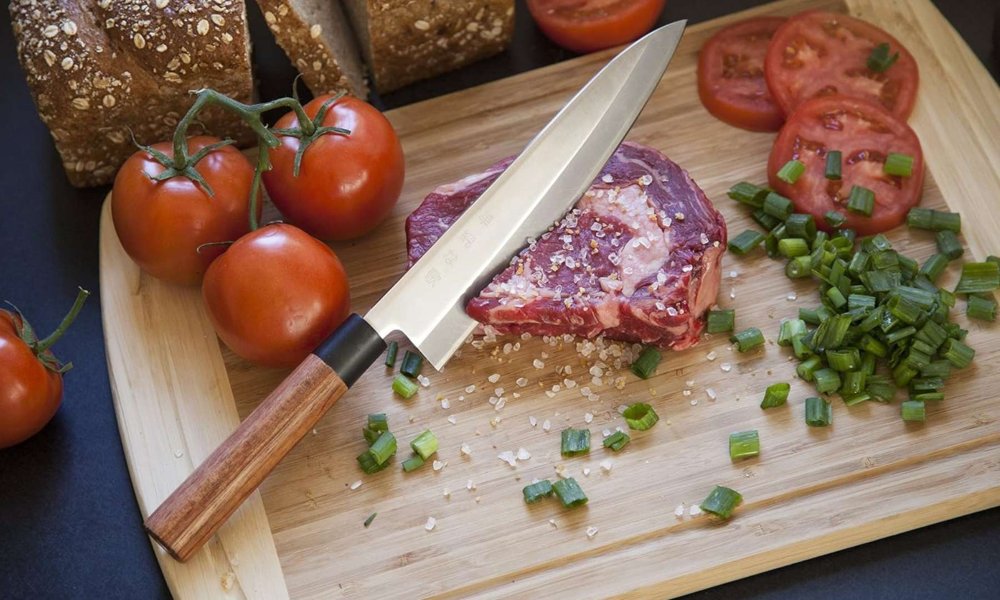
The Gyuto, often referred to as the Japanese equivalent of a Western chef’s knife, is a versatile tool that has found its way into kitchens around the world. Its name, which translates to “cow sword,” belies its adaptability to a wide range of culinary tasks. The Gyuto’s design typically features a curved edge that allows for a rocking motion, making it ideal for chopping vegetables, slicing meats, and performing delicate tasks with equal proficiency.
What sets the Gyuto apart from its Western counterparts is its typically thinner blade and more acute edge angle. This design allows for exceptionally precise cuts, whether you’re finely dicing herbs or breaking down a whole chicken. The lighter weight and balance of a Gyuto also contribute to reduced fatigue during long prep sessions, a feature highly valued by professional chefs.
Many Gyuto knives are highly sought after for their ability to combine the best of both Japanese and Western knife designs. They often feature a hybrid handle that blends the comfort of Western-style grips with the lightweight properties of traditional Japanese handles. This fusion of styles has made the Gyuto a favorite among chefs who appreciate the precision of Japanese knives but desire the familiarity of Western blade profiles.
Santoku: The Three-Virtue Knife
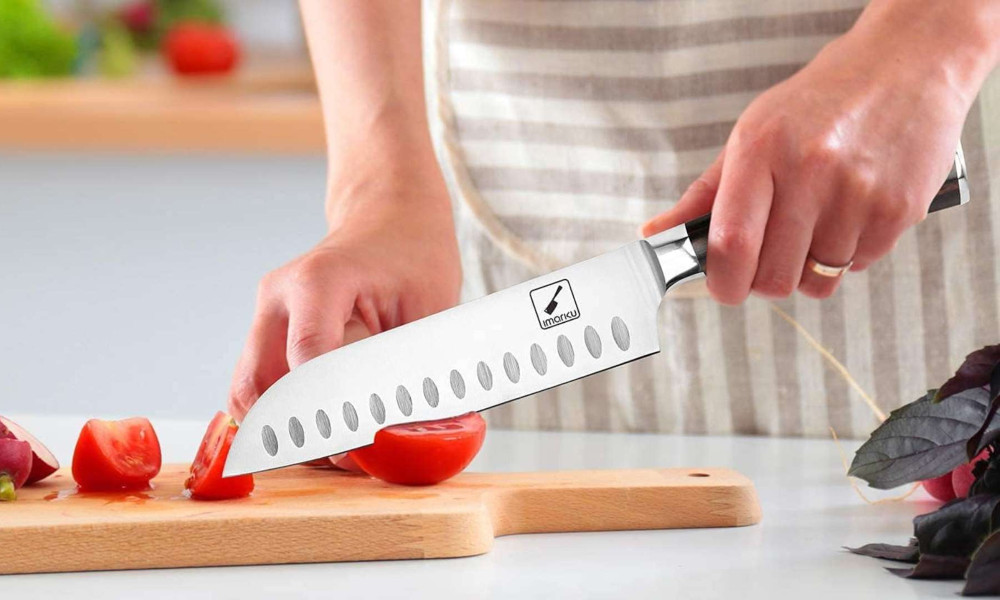
The Santoku, with its name meaning “three virtues” or “three uses,” is a testament to Japanese practicality in knife design. These three virtues refer to the knife’s proficiency in handling meat, fish, and vegetables, making it an excellent all-rounder in the kitchen. The Santoku’s popularity has soared in recent years, both in Japan and internationally, thanks to its user-friendly design and versatile nature.
Characterized by its shorter, wider blade and relatively flat cutting edge, the Santoku excels in up-and-down chopping motions. This design makes it particularly effective for producing thin, uniform slices of vegetables or boneless meats. The knife’s wide blade also serves as an efficient tool for scooping up chopped ingredients, adding to its convenience in food preparation.
One distinctive feature of many Santoku knives is the “granton edge” – a series of small indentations along the blade that create air pockets between the knife and the food being cut. This design helps prevent ingredients from sticking to the blade, allowing for smoother, more efficient cutting. While not all Santoku knives feature this edge, it’s a popular addition that enhances the knife’s functionality, especially when dealing with sticky foods like potatoes or squash.
Nakiri: The Vegetable Specialist
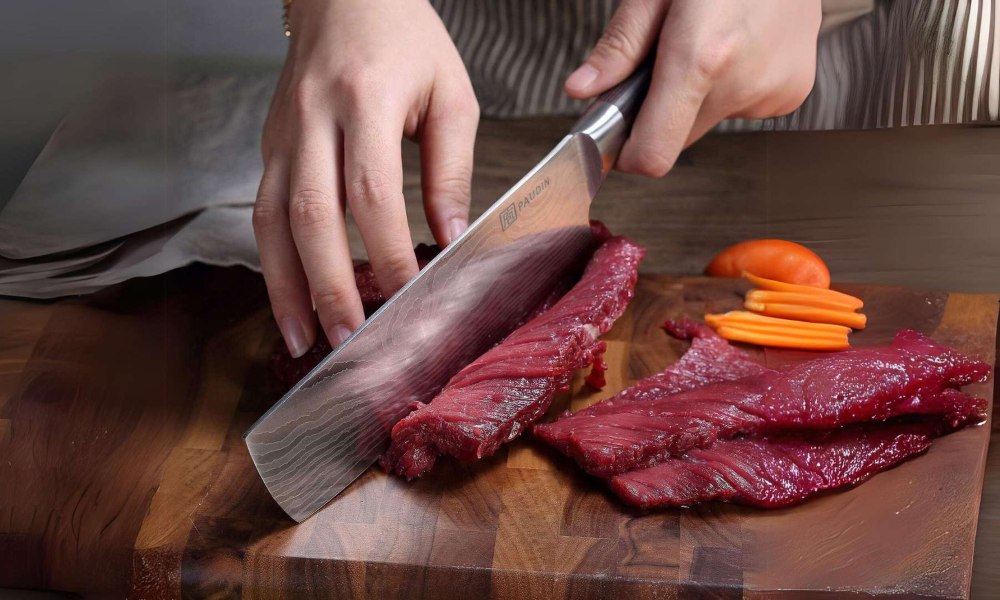
For those who take their vegetable preparation seriously, the Nakiri is an indispensable tool. This rectangular-bladed knife is designed specifically for chopping and slicing vegetables with precision and efficiency. The straight edge of the Nakiri allows for clean cuts from heel to tip, making it ideal for producing uniform slices and dice.
The Nakiri’s design is particularly well-suited to the push-cutting technique, where the knife is pushed straight down through the ingredient, rather than using a rocking motion. This technique, combined with the knife’s thin blade, results in minimal cell damage to vegetables, helping to preserve their freshness and appearance.
While the Nakiri may seem specialized, its efficiency in vegetable preparation makes it a valuable addition to any kitchen. For those who prepare large quantities of vegetables regularly, or for the home cook who wants to elevate their vegetable dishes, the Nakiri offers a level of precision and ease that can significantly enhance the cooking experience.
Deba: The Fish Filleting Master
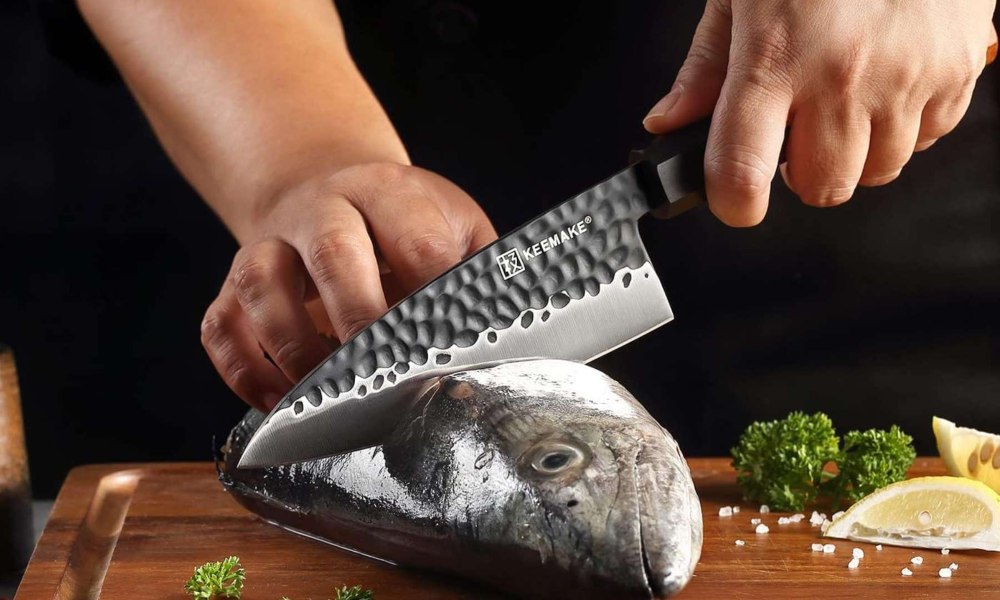
The Deba is a testament to the importance of fish in Japanese cuisine. This hefty, single-beveled knife is designed primarily for filleting and breaking down whole fish. Its robust construction, featuring a thick spine and substantial weight, allows it to handle tasks that would be too demanding for more delicate knives.
What sets the Deba apart is its ability to perform a variety of fish preparation tasks with a single tool. From removing fish heads with a clean cut to filleting and portioning, the Deba’s design allows for precise control and power when needed. The knife’s single-bevel edge, a hallmark of many traditional Japanese knives, enables exceptionally clean cuts through fish flesh and smaller bones.
While the Deba excels in fish preparation, its sturdy construction also makes it suitable for some meat and poultry tasks. However, it’s important to note that the Deba is not designed for cutting through large bones or frozen foods, as this can damage the blade. For those who regularly work with whole fish or enjoy Japanese-style fish preparation, the Deba is an invaluable tool that can significantly enhance the quality and presentation of fish dishes.
Yanagiba: The Sashimi Slicer
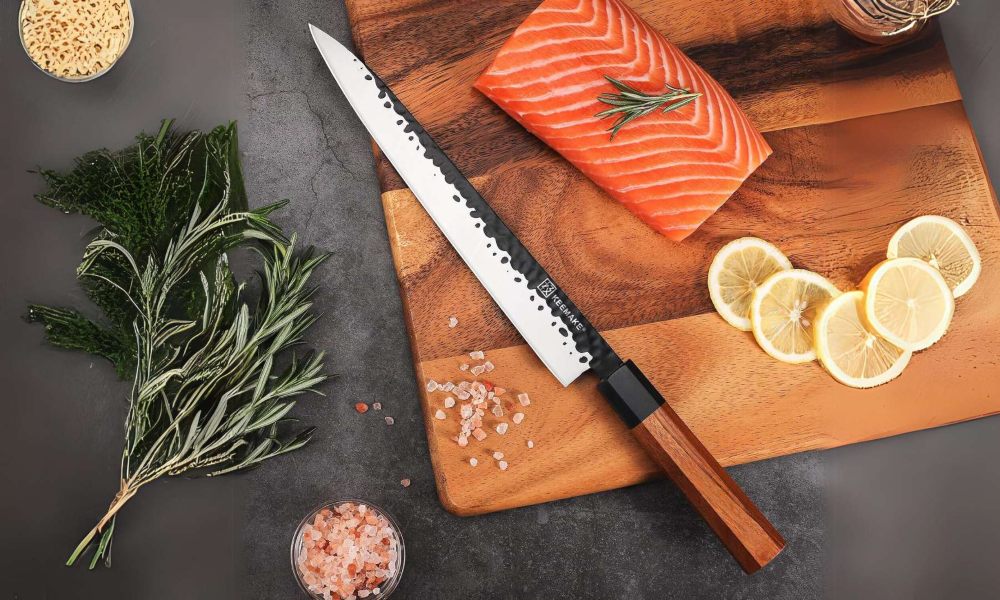
The Yanagiba, which translates to “willow blade,” is a specialist knife designed for one primary purpose: slicing raw fish for sashimi and sushi. This long, slender knife epitomizes the Japanese philosophy of tool specialization, with every aspect of its design optimized for creating paper-thin, uniform slices of fish with a single drawing cut.
The most distinctive feature of the Yanagiba is its single-bevel edge. This design allows for incredibly thin, precise slices and creates a slight vacuum effect that helps separate each slice cleanly from the rest of the fish. The result is beautifully presented sashimi that retains its texture and moisture, crucial for the delicate flavors of raw fish dishes.
Using a Yanagiba requires skill and practice, as the single-bevel edge demands a different cutting technique compared to double-beveled knives. However, for sushi chefs and enthusiasts of Japanese cuisine, mastering the Yanagiba opens up new levels of precision and presentation in raw fish preparation. The knife’s long blade also makes it suitable for slicing other boneless meats, although its primary domain remains in the realm of sashimi and sushi.
Usuba: The Professional Vegetable Knife
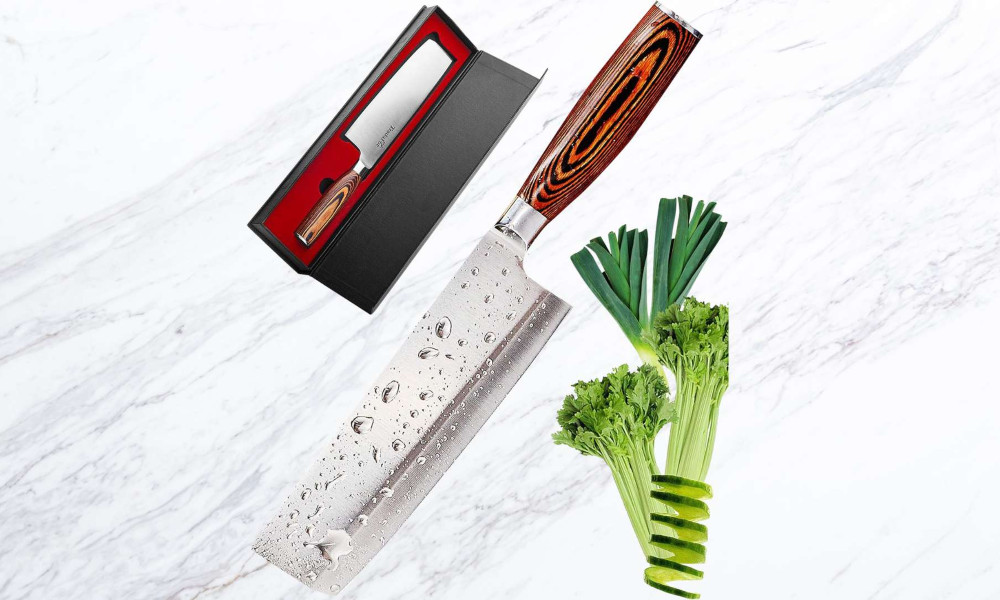
While the Nakiri is often considered the home cook’s vegetable knife, the Usuba is its more specialized, professional-grade counterpart. This thin, single-beveled knife is designed for the most precise vegetable cutting techniques in Japanese cuisine. The Usuba’s name, meaning “thin blade,” is a testament to its incredibly fine edge and the delicate cuts it can achieve.
The Usuba’s flat edge and incredibly sharp blade make it ideal for techniques like katsuramuki, where vegetables are cut into extremely thin sheets. This technique is often used to create decorative garnishes or to prepare vegetables for dishes that require uniform, paper-thin slices. The knife’s design also excels in creating julienne cuts and brunoise dice, where consistency and precision are paramount.
While the Usuba’s specialized nature makes it less versatile than some other Japanese knives, its ability to perform intricate vegetable cuts with unparalleled precision makes it a prized tool in professional kitchens. For home cooks who are passionate about Japanese cuisine or who want to elevate their vegetable preparation skills, the Usuba offers a level of control and finesse that can transform ordinary vegetables into culinary works of art.
Petty: The Compact Multitasker
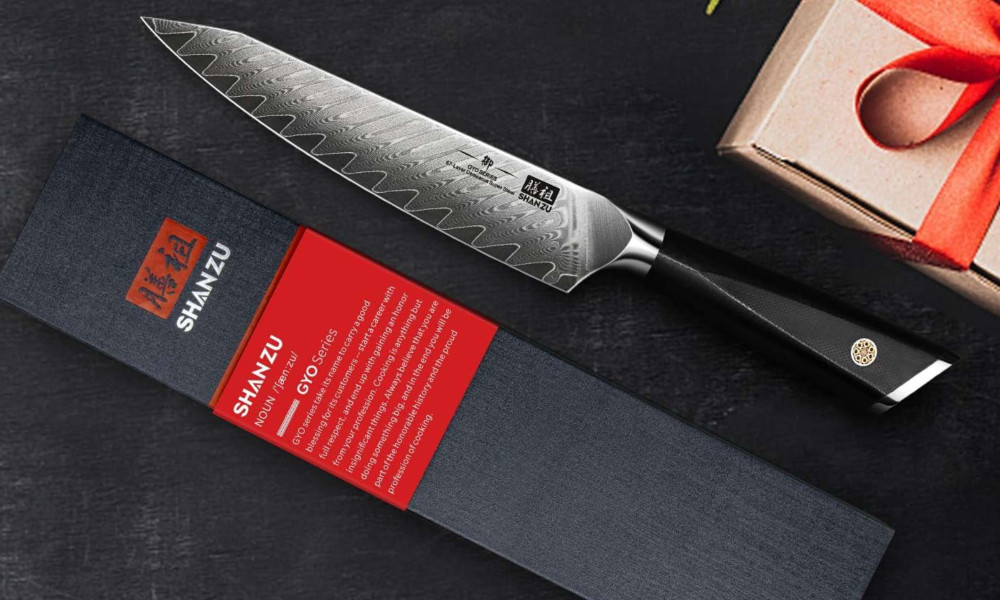
The Petty knife, often described as a Japanese paring knife, is a smaller, more nimble blade that excels in precision tasks. Its compact size and versatile design make it an essential tool for many chefs, capable of handling a wide range of small-scale cutting tasks with ease.
Typically ranging from 120mm to 150mm in length, the Petty is perfect for intricate work such as peeling fruits, trimming vegetables, and performing detailed cuts on smaller ingredients. Its pointed tip allows for precise work, while the short blade offers excellent control for fine slicing and mincing.
Despite its small size, the Petty is often constructed with the same attention to detail and quality materials as larger Japanese knives. This means that even in a compact package, you’re getting a high-performance tool capable of maintaining a razor-sharp edge. For many cooks, the Petty becomes an indispensable everyday knife, always within reach for those quick, precise cutting tasks that arise during meal preparation.
Caring for Your Japanese Knives
Owning a Japanese knife is not just about using it; it’s about maintaining a relationship with a finely crafted tool. Proper care and maintenance are crucial to preserving the knife’s performance and longevity. Unlike some Western knives that are designed to withstand more robust treatment, Japanese knives often require a gentler, more mindful approach.
One of the most important aspects of knife care is proper sharpening. Many Japanese knives, particularly those made of high-carbon steel, can be sharpened to an incredibly keen edge. However, this also means they may require more frequent sharpening to maintain this edge. Learning to use a whetstone effectively is a valuable skill for any owner of Japanese knives, as it allows you to maintain the precise angle and polish of the blade’s edge.
Proper storage is another crucial factor in knife care. Avoid storing Japanese knives loose in a drawer where they can knock against other utensils. Instead, use a knife block, magnetic strip, or individual blade guards to protect the edges. For carbon steel blades, it’s also important to keep them dry to prevent rust and to occasionally apply a light coat of food-grade mineral oil to protect against moisture.
Choosing the Right Japanese Knife for You
With such a wide variety of Japanese knives available, choosing the right one can seem daunting. The key is to consider your cooking style, the types of ingredients you work with most often, and your comfort level with specialized tools.
For those new to Japanese knives, starting with a versatile option like a Gyuto or Santoku can be a great introduction. These knives can handle a wide range of tasks and are often more forgiving in terms of technique compared to more specialized blades.
Consider also the maintenance you’re willing to undertake. While carbon steel blades can offer superior sharpness and edge retention, they require more care to prevent rust and discoloration. Stainless steel options, on the other hand, are more forgiving in terms of maintenance but may not achieve quite the same level of sharpness.
Ultimately, the best Japanese knife for you is one that feels comfortable in your hand, suits your cooking style, and inspires you to cook. Whether you choose a single, high-quality all-purpose knife or invest in a set of specialized blades, Japanese knives can elevate your cooking experience and help you achieve new levels of precision and enjoyment in the kitchen.
FAQs
1. What makes Japanese knives different from Western knives?
Japanese knives typically feature thinner, harder blades with more acute edge angles, allowing for exceptionally precise cuts. They often use different steel types and may have single-bevel edges, unlike the double-bevel edges common in Western knives. Japanese knives are usually designed for specific tasks, while Western knives tend to be more all-purpose.
2. Are Japanese knives suitable for left-handed users?
Many Japanese knives, especially those with single-bevel edges, are designed for right-handed use. However, left-handed versions of most knife types are available. It’s important to specify if you need a left-handed knife when purchasing, as using a right-handed single-bevel knife with your left hand can be awkward and potentially dangerous.
3. How often should I sharpen my Japanese knife?
The frequency of sharpening depends on usage, but generally:
A. Hone the knife regularly (every 1-3 uses) to maintain the edge
B. Sharpen with a whetstone every 2-3 months for home cooks, or more frequently for professional use
C. Look for signs like decreased performance in cutting tomatoes or paper as indicators that sharpening is needed
4. Can I put my Japanese knife in the dishwasher?
It’s strongly recommended to never put Japanese knives in the dishwasher. The harsh detergents, high temperatures, and potential for the knife to bang against other items can damage the blade, handle, and overall construction of the knife. Always hand wash and immediately dry your Japanese knives.
5. What’s the best Japanese knife for a beginner?
For beginners, a Gyuto or Santoku knife is often recommended. These versatile knives can handle a wide range of tasks and are similar in function to Western chef’s knives, making them easier to adapt to. They’re suitable for various cutting techniques and can be used for vegetables, meats, and fish, providing a good introduction to Japanese knife styles and techniques.
Final Thoughts
The world of Japanese knives is rich with tradition, craftsmanship, and specialized designs that cater to every aspect of food preparation. From the versatile Gyuto to the precision-focused Yanagiba, each traditional Japanese kitchen knife offers unique benefits that can elevate your culinary skills and enhance your cooking experience.
Investing in quality Japanese knives and learning to use them effectively can transform your approach to food preparation, allowing for more precise cuts, better ingredient preservation, and ultimately, more delicious and visually appealing dishes. Whether you’re a professional chef or an enthusiastic home cook, exploring the various types of Japanese knives can open up new possibilities in your kitchen.
Remember, the key to getting the most out of your Japanese knives lies not just in selecting the right ones, but also in proper care, maintenance, and technique. With the right knowledge and practice, these exceptional tools can become treasured companions in your culinary journey, helping you create dishes that are not only delicious but also a joy to prepare.
0 Comments
Most Voted