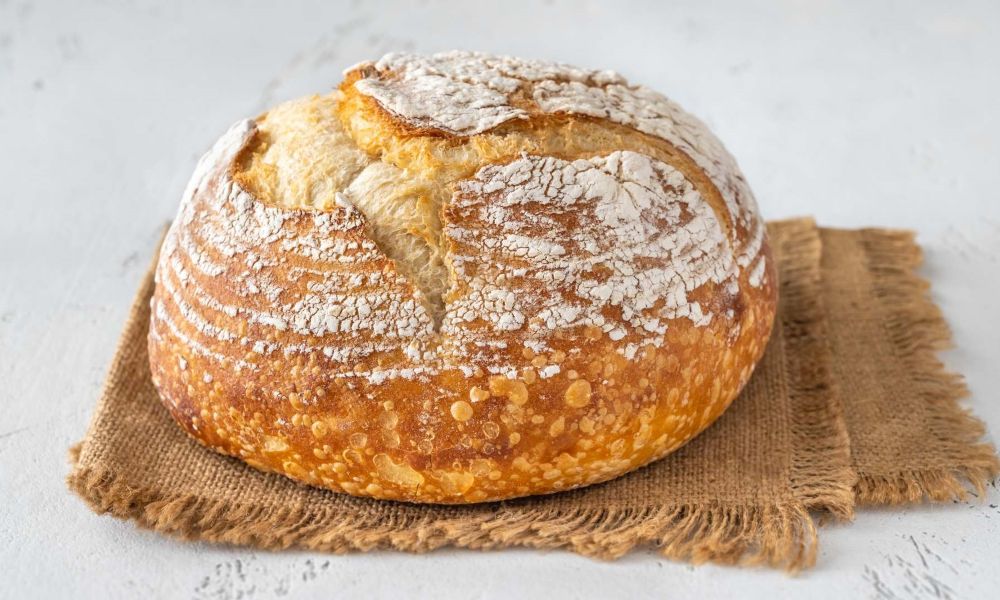
Same Day Sourdough Bread | Fast & Fresh

9FAQs
The key to having your cake and eating it too might be an old adage, but when it comes to sourdough bread, the challenge has always been about having your loaf and baking it today. For generations, sourdough enthusiasts have been bound by the shackles of time, patiently nurturing their starters and waiting through long fermentation periods to achieve that perfect tangy crumb and crisp crust.
But what if there was a way to break free from these temporal constraints and still create a loaf worthy of any artisanal bakery? Enter the world of same-day sourdough bread, a revolutionary approach that combines the artistry of traditional sourdough baking with modern techniques designed to accelerate the process without compromising on flavor or texture.
This method isn’t about cutting corners; it’s about understanding the science of fermentation and harnessing it to fit our busy lifestyles. By mastering a few key principles and techniques, you can transform your kitchen into a micro-bakery capable of producing fresh bread on demand.
So now, we’ll explore the secrets of rapid fermentation, unveil the tricks to maintaining a vigorous sourdough starter, and walk you through a step-by-step process to create a loaf of sourdough that goes from flour to finished product in a matter of hours.
The Sourdough Revolution: Debunking the Time Myth
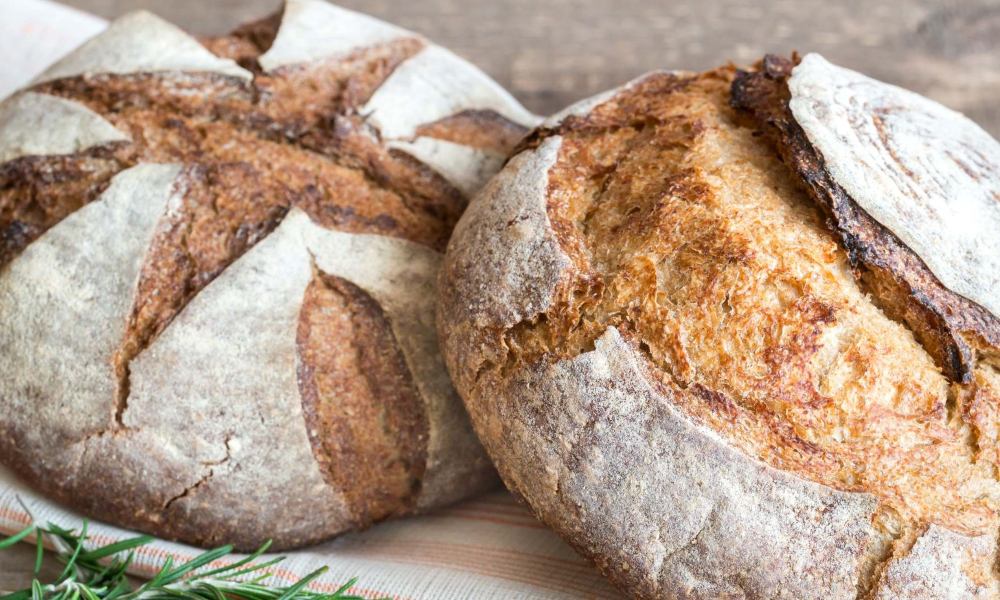
Traditional Sourdough Methods vs. Accelerated Techniques
For centuries, sourdough bread has been synonymous with patience. Traditional methods often require days of preparation, from feeding the starter to multiple rounds of fermentation. However, modern baking has seen a shift towards accelerated techniques that can produce comparable results in a fraction of the time. These methods focus on optimizing every step of the process to encourage rapid fermentation without sacrificing the complex flavors that make sourdough unique.
The Science Behind Rapid Fermentation
The key to same-day sourdough lies in understanding and manipulating the factors that influence fermentation. Temperature, hydration, and the ratio of starter to flour all play crucial roles in speeding up the process. By creating an ideal environment for yeast and bacteria to thrive, we can significantly reduce the time needed for the dough to develop its characteristic flavor and structure.
Benefits of Same-Day Sourdough
The advantages of mastering same-day sourdough extend beyond mere convenience. This method allows for greater spontaneity in baking, enables you to respond quickly to cravings or unexpected guests, and helps maintain a more active and vibrant starter. Moreover, it opens up sourdough baking to those with busy schedules who might otherwise be intimidated by the time commitment of traditional methods.
Crafting Your Speedy Starter
1. Selecting the Right Flour for Quick Activation
The foundation of any good sourdough bread is its starter, and for rapid fermentation, choosing the right flour is crucial. Whole grain flours, particularly rye or whole wheat, are excellent choices for a speedy starter due to their high enzyme content and abundance of wild yeast. These flours kickstart fermentation more quickly than refined bread flour, giving you a head start on your same-day loaf.
2. Boosting Yeast Activity with Natural Enhancers
To further accelerate your starter’s activity, consider incorporating natural enhancers. A small amount of honey or maple syrup can provide quick food for the yeast, while a pinch of ginger can stimulate yeast growth. These additions, when used judiciously, can significantly reduce the time needed to achieve an active, bubbly starter ready for baking.
3. Maintaining a Vigorous Starter for On-Demand Baking
The key to successful same-day sourdough is maintaining a starter that’s always ready to go. Feed your starter regularly, keeping it at room temperature if you plan to bake it frequently. A mature, active starter will rise and fall predictably, making it easier to time your baking. Remember, a healthy starter is resilient; don’t be afraid to experiment with feeding schedules to find what works best for your baking routine.
The Express Sourdough Recipe
1. Ingredient Ratios for Rapid Fermentation
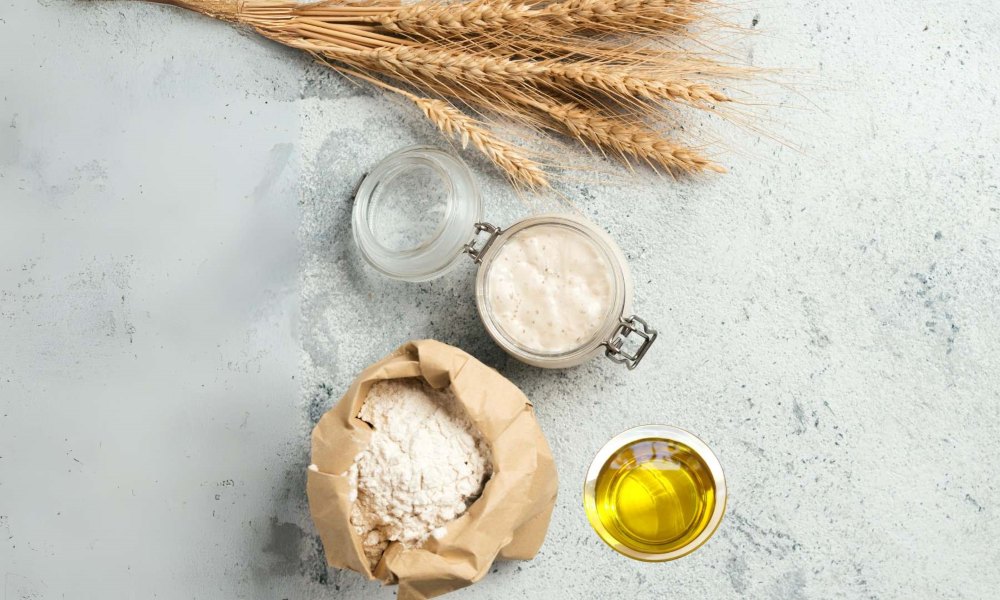
For a day sourdough bread recipe that truly delivers, precise ratios are essential. Aim for a higher percentage of starter than traditional recipes, around 25-30% of the total flour weight. This increased yeast population jumpstarts fermentation. Additionally, opt for a slightly higher hydration level, around 75-80%, which promotes faster enzyme activity and gluten development.
2. Mixing Techniques for Optimal Gluten Development
To make up for the shortened fermentation time, employ intensive mixing techniques to jumpstart gluten development. The “slap and fold” method, where you literally slap the dough on the counter and fold it over itself repeatedly, can rapidly build structure. Alternatively, use a stand mixer with a dough hook for 5-7 minutes on medium speed to achieve similar results quickly.
3. Folding Methods to Build Structure Quickly
Even with accelerated fermentation, building dough strength is crucial for a well-structured loaf. Implement a series of stretch and fold techniques at 15-minute intervals during the first hour of bulk fermentation. This not only strengthens the gluten network but also ensures an even distribution of temperature and fermentation throughout the dough.
Mastering the Accelerated Bulk Fermentation
1. Creating the Ideal Environment for Fast-Rise
Temperature is your ally in rapid fermentation. Aim for an ambient temperature of around 80-85°F (26-29°C) during bulk fermentation. You can create this warm environment using a proofing box, a turned-off oven with the light on, or even by placing your dough container in a larger container of warm water. This elevated temperature significantly speeds up yeast activity and acid production.
2. Recognizing Signs of Readiness in Record Time
In a same-day sourdough process, the bulk fermentation might only last 2-3 hours, compared to the traditional 4-6 hours or overnight fermentation. Look for telltale signs of readiness: the dough should increase in volume by about 50%, show visible bubbles on the surface and sides of the container, and have a slightly domed top of the dough. When gently poked, it should slowly spring back, leaving a slight indentation.
3. Troubleshooting Common Rapid Fermentation Issues
Rapid fermentation can sometimes lead to overproofing if not carefully monitored. If your dough becomes overly bubbly or starts to collapse, it’s time to move to shape immediately. Conversely, if the dough isn’t rising as quickly as expected, try increasing the ambient temperature slightly or gently stretching and folding the dough one more time to redistribute the yeast.
Shaping and Proofing: The Sprint to the Finish Line
1. Quick Shaping Techniques for Maximum Oven Spring
When shaping your same-day sourdough, efficiency is key. Use decisive movements to shape your loaf, being careful not to degas the dough excessively. A simple envelope fold followed by a tight roll can create sufficient surface tension for a good rise. For boules, the “pick-up” method, where you gather the dough’s edges to create tension on the surface, works well and can be done in under a minute.
2. Accelerated Proofing Methods Without Compromising Flavor
To accelerate the final proof without sacrificing flavor development, employ a warm proofing environment similar to the bulk fermentation stage. Aim for a temperature around 85°F (29°C). This final proof might only take 30-45 minutes, compared to the hours required in traditional methods. Use the “poke test” to check for readiness – the dough should spring back slowly when gently prodded.
3. Using Heat and Humidity to Speed Up the Final Rise
Create a humid environment for your proofing dough by placing a pan of hot water near it or covering it with a damp cloth. This humidity, combined with warmth, creates ideal conditions for rapid but controlled fermentation. Some bakers even use a slightly warm proofing liquid to kickstart this final rise from the inside out.
Baking Brilliance: From Dough to Loaf in Hours
Oven Preparation for the Perfect Crust
Preheat your oven to a high temperature, around 450-500°F (230-260°C), with a Dutch oven or baking stone inside. This high heat is crucial for achieving the characteristic crisp crust of sourdough. The preheated baking vessel ensures immediate heat transfer to the dough, promoting rapid oven spring.
Steam Techniques for Rapid Oven Spring
Steam plays a vital role in crust development and oven spring. If using a Dutch oven, the lid traps moisture from the dough to create steam. For open baking, add ice cubes or boiling water to a preheated tray at the bottom of the oven when you put in your loaf. This burst of steam in the first 10-15 minutes of baking is crucial for a good rise and crust formation.
Achieving Golden Perfection in Less Time
Due to the higher initial temperature, your same-day sourdough might bake faster than traditional loaves. Start checking for doneness after about 20 minutes of covered baking (if using a Dutch oven) and another 15-20 minutes uncovered. Look for a deep golden color and a hollow sound when tapping the bottom of the loaf. Internal temperature should reach about 205-210°F (96-99°C) for a fully baked loaf.
Appliance Assistance
A Bread Machine can also be an option for sourdough bread by mixing the ingredients, kneading the dough, and providing a warm environment for the dough to rise. The machine can also be used to bake the bread, making it a convenient option for home bakers.
Flavor Enhancement: Maximizing Taste in Minimal Time
Ingredient Additions for Depth of Flavor
To compensate for the shortened fermentation time, consider adding flavor enhancers to your dough. A small amount of whole grain flour (10-15% of total flour weight) can add complexity. Ingredients like toasted seeds, dried fruits, or even a touch of honey can introduce interesting flavor notes without extending the process.
Utilizing Preferments for Complexity
While same-day sourdough doesn’t allow for long preferments, you can still use a small preferment to boost flavor. Try mixing a portion of your flour, water, and starter the night before and refrigerating it. This short preferment can add a subtle depth to your final loaf without significantly extending the overall process.
Balancing Acidity in Quick-Fermented Breads
Rapid fermentation can sometimes result in a less pronounced sour flavor. If you prefer a tangier loaf, you can adjust the acidity by adding a small amount of organic acid, such as ascorbic acid or citric acid, to your dough. Alternatively, using a more mature starter (one that’s been fed and left at room temperature for 8-12 hours) can introduce more acetic acid flavors to your bread.
3 Easy Same Day Sourdough Bread Recipes
1. Basic Same Day Sourdough Loaf
Ingredients
- 500g bread flour
- 350g warm water (85°F/29°C)
- 150g active sourdough starter
- 10g salt
- 1 tbsp olive oil (optional, for coating the bowl)
2. Whole Wheat Same Day Sourdough
Ingredients:
- 300g bread flour
- 200g whole wheat flour
- 375g warm water (85°F/29°C)
- 175g active sourdough starter
- 12g salt
- 1 tbsp honey (optional, for added flavor and faster fermentation)
3. Seeded Same Day Sourdough
Ingredients:
- 450g bread flour
- 50g rye flour
- 350g warm water (85°F/29°C)
- 160g active sourdough starter
- 10g salt
- 50g mixed seeds (such as sunflower, pumpkin, and sesame)
- 1 tbsp olive oil (for coating the bowl)
For all recipes:
- Mix ingredients (except seeds for recipe 3) until well combined.
- Perform 4-6 stretches and folds at 15-minute intervals.
- Bulk ferment for 2-3 hours at 80-85°F (26-29°C).
- Shape and proof for 30-45 minutes.
- Bake in a preheated oven at 450°F (230°C) for 20 minutes covered, then 20-25 minutes uncovered.
For the seeded loaf, add seeds during the first stretch and fold. Adjust water content slightly if needed, as different flours absorb water differently.
FAQs
1. Can I use whole-grain flour for same-day sourdough recipes?
Yes, you can use whole-grain flour for same-day sourdough recipes. Whole-grain flour can add complexity and depth of flavor to your bread. Just be aware that whole-grain flours tend to absorb more water, so you may need to adjust the hydration levels accordingly. Additionally, whole grain flour can lead to a denser loaf, so ensure proper kneading and adequate fermentation times.
2. What’s the best way to store same-day sourdough bread?
The best way to store same-day sourdough bread is to let it cool completely, then store it in a paper bag or wrapped in a clean kitchen towel. This keeps the crust crisp while maintaining the interior’s moisture. Avoid storing it in plastic bags, as this can make the crust become soggy. For longer storage, you can freeze the loaf, tightly wrapped in plastic wrap or foil, and thaw it at room temperature when needed.
3. How do I know when my dough is properly proofed and ready to bake?
To determine if your dough is properly proofed and ready to bake, you can use the “poke test.” Gently press your finger into the dough; if the indentation springs back slowly and partially remains, the dough is ready. If it springs back quickly, it needs more proofing time. If it doesn’t spring back at all, it may be over-proofed, and you should bake it immediately.
4. Can I add sweeteners to my same-day sourdough, and how will they affect the fermentation?
Yes, you can add sweeteners like honey, molasses, or sugar to your same-day sourdough. Sweeteners can help to feed the yeast, speeding up the fermentation process and adding a subtle sweetness to the flavor profile. However, be cautious with the amount, as too much sugar can inhibit yeast activity and affect the dough’s texture and rise.
5. Why is humidity important during the final proof and baking stages?
Humidity is crucial during the final proof and baking stages because it helps to keep the dough’s surface moist, preventing a crust from forming too early. This allows for better oven spring, as the dough can expand more before the crust sets. Additionally, humidity during baking contributes to a glossy, blistered crust, which is characteristic of well-made sourdough bread.
Final Thoughts
As we conclude our journey through the world of same-day sourdough, it’s clear that this method is more than just a time-saving trick – it’s a reimagining of what’s possible in artisan baking. By understanding the science behind fermentation and applying targeted techniques, we’ve unlocked the ability to create beautiful, flavorful sourdough bread in a fraction of the traditional time.
This approach to sourdough baking doesn’t just save time; it opens up a world of possibilities. It allows us to be more spontaneous in our baking, to respond to sudden cravings or unexpected guests with freshly baked bread. It makes sourdough accessible to those with busy schedules who might otherwise shy away from the commitment of traditional methods. And perhaps most importantly, it keeps the art of sourdough alive and thriving in our fast-paced world.
As you embark on your same-day sourdough adventures, remember that this method, like all baking, is part science and part art. Don’t be afraid to experiment, to adjust techniques to suit your environment and preferences. Every loaf is an opportunity to learn and refine your skills. Embrace the process, celebrate your successes, and learn from the loaves that don’t turn out quite as expected.
Whether you’re a seasoned baker looking to expand your repertoire or a novice eager to dive into the world of sourdough, this method offers a gateway to creating artisanal bread on your own terms. So fire up your oven, feed your starter, and get ready to bake sourdough bread that’s not just fast and fresh, but a testament to the evolving art of bread making. Here’s to many delicious loaves in your future, each one a perfect blend of tradition and innovation, ready to grace your table in just a matter of hours.
0 Comments
Most Voted