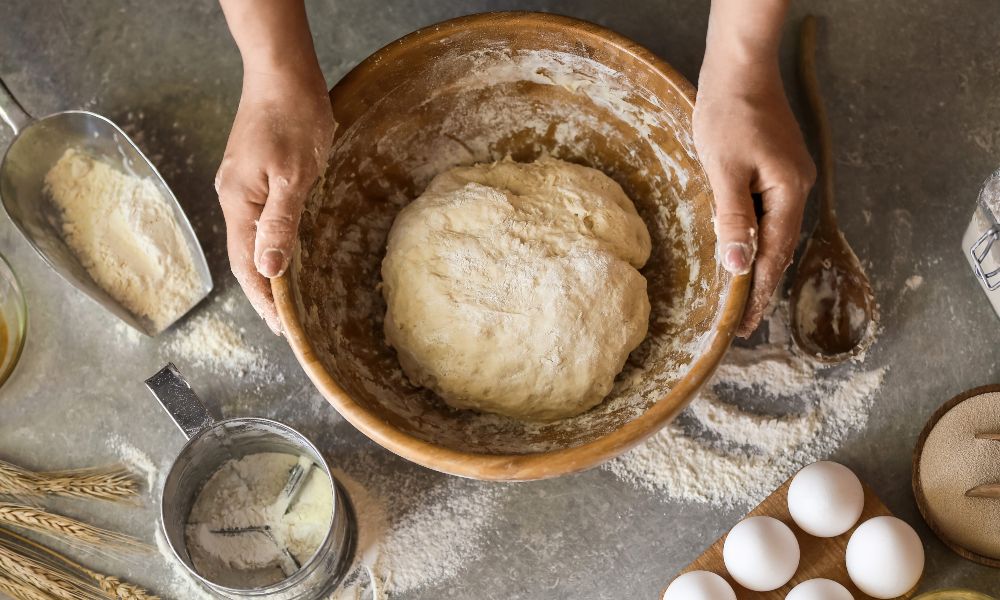
How Do I Make Bread Dough? 6 Tips and Tricks You Knead To Know!

When it comes to baking, there’s something undeniably heartwarming about crafting your own loaf of bread from scratch. The simple yet magical process of transforming basic ingredients like flour, water, yeast, and salt into a fluffy, aromatic masterpiece has captivated culinary enthusiasts for centuries.
Beyond the enticing aroma and the joy of slicing into a freshly baked loaf, making your own bread also gives you control over the ingredients and the freedom to experiment with flavors and textures. Many people, however, find themselves intimidated by the seemingly complex steps involved or are unsure about the precise science behind yeast fermentation.
Navigating the world of bread-making can indeed be difficult, especially when faced with terms like “proofing”, “kneading”, or “gluten development”. Yet, with the right guidance and a little patience, anyone can master the art of dough creation. So in order to make you an informed decision, let’s dive into the fundamentals of crafting the perfect bread dough.
Key Ingredients
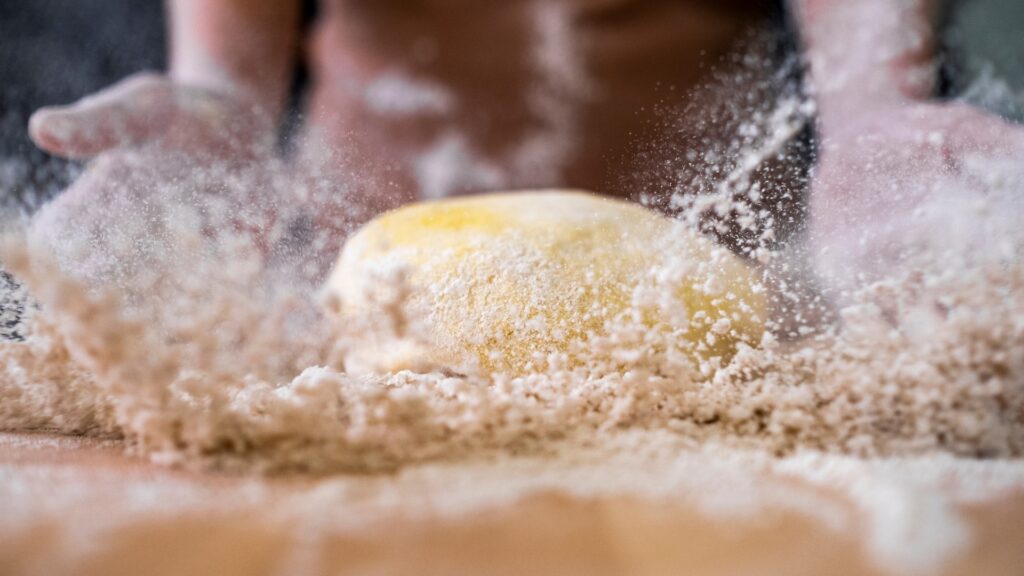
For a basic white bread recipe, the main ingredients you’ll need are:
- Bread Flour (4 cups): This type of flour has a higher protein content, which is great for making yeast bread. It gives the bread its structure and chewy texture. Look for bread flour with a protein content of around 12-14% for the best results.
- Active Dry Yeast (2 ¼ teaspoons): The heart and soul of any bread recipe. This is what makes your bread rise and gives it that unique bread flavor. Make sure your yeast is fresh and active for optimal rising.
- Water (1 ½ cups): Used to activate the yeast and combine the ingredients. The water should be warm, around 110-115°F, to help activate the yeast without killing it.
- Salt (1 ½ teaspoons): Enhances flavor and controls yeast activity. Use kosher or sea salt for the best flavor.
- Sugar or Honey (2 tablespoons): Feeds the yeast and sweetens the bread. Sugar provides a quick source of food for the yeast, while honey adds a subtle sweetness to the bread.
I recommend always keeping good quality bread flour in your pantry. It really does make a difference in achieving the best homemade bread. Experiment with different types of flour and add-ins to personalize your bread-making experience. Enjoy the process of creating delicious, fresh bread from scratch!
Let’s Get Kneading – The Process
1. Activating the Yeast
To start, warm up some water to a lukewarm temperature, ensuring it’s not too hot. Then, dissolve a teaspoon of sugar in the water, stirring gently until it’s fully incorporated. Next, sprinkle the active dry yeast into the water and allow it to sit undisturbed for approximately 5-10 minutes.
As time passes, you’ll begin to observe the yeast becoming frothy, creating a delightful sight that indicates the activation process is taking place.
2. Mixing and Kneading
In a large bowl, combine the bread flour, salt, and yeast mixture. Gently mix the ingredients together until they form a cohesive dough. Now comes the therapeutic part: kneading. Transfer the dough onto a well-floured surface and begin working it with your hands, applying gentle pressure and folding it over itself.
Feel the texture change as you continue to knead for about 10 – 20 minutes, or until the dough becomes smooth, supple, and elastic. This step not only ensures proper gluten development but also gives you a mini arm workout, leaving you with a sense of accomplishment and anticipation for the delicious bread that will soon be baked to perfection!
3. First Rise
To shape your dough into a ball, gently gather the edges and tuck them underneath until a smooth surface forms. Place the dough in a greased bowl, ensuring it is fully coated to prevent sticking. Cover it with a damp cloth, which will create an ideal environment for fermentation, allowing the yeast to work its magic.
Find a warm place, like near a window or on top of a preheated oven, to let the dough rise. This crucial step is key to achieving a light and fluffy texture in your homemade white bread. Be patient as the dough doubles in size, which typically takes about an hour but may vary depending on the temperature and humidity of your surroundings.
4. Shaping and Second Rise
Once the dough has risen, gently punch it down to release any air bubbles (yes, literally!). Then, shape the dough according to the size and shape of the bread pan you’re using. For a classic loaf, a rectangular bread pan works best.
Carefully place the shaped dough into the pan and cover it again, allowing it to rise for another 30 minutes or so in a warm and cozy spot. This second rise will give the bread an extra boost of fluffiness and flavor.
If you’ve tried this recipe, I’d love to hear from you. It’s always a delight to know how others find it.
Baking the Perfect Loaf
1. Preheat the Oven
Before you place the dough in the oven, it’s important to preheat it to about 375°F (190°C). This step ensures that the oven reaches the ideal temperature, allowing for an even bake for your homemade bread recipe. By preheating the oven, you create the optimal environment for the dough to rise and develop a delicious golden crust.
2. Baking Time
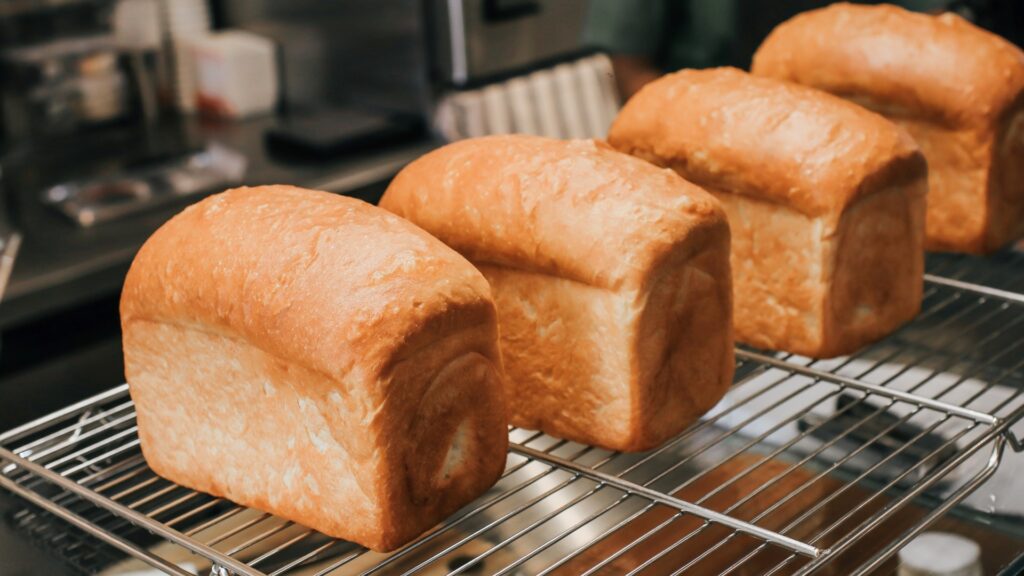
To achieve the perfect loaf of bread, start by placing your bread pan in the center of the oven. Let it bake for about 30 minutes, ensuring a golden-brown crust and a soft, fluffy interior. If you’re using smaller bread pans or making delicious rolls, remember to adjust the baking time accordingly to achieve that same delightful texture.
3. Cooling Down
Once the bread is baked to golden brown perfection, carefully remove it from the warm embrace of the oven. Gently place it onto the waiting wire rack, where it will be granted the opportunity to cool gracefully. As it settles into its new environment, the cooling process allows the crust to maintain its delightful crispiness, ensuring a satisfying and enjoyable culinary experience.
4. Storing
If you manage to resist the mouthwatering temptation to devour your homemade white bread all at once, you can ensure its freshness by storing it in a dedicated bread box or a breathable bread bag. These specialized storage solutions provide the ideal environment to preserve the delightful texture and flavor of your bread, allowing you to savor it over an extended period.
Tips and Tricks For The Best Bread
1. Use a Digital Scale
When baking bread, measurements can make all the difference. Instead of using cups, opt for a digital scale. It offers a higher degree of accuracy, ensuring that your bread ingredients are perfectly balanced. The right amount of flour, water, yeast, and salt can change your bread from good to great.
2. Experiment with Different Flours
Every flour type brings its unique flavor and texture. While all-purpose flour is a common choice, branching out to bread flour, whole wheat, or even rye can elevate the taste of your bread. Experimentation can help you discover a blend that resonates with your palate and results in a richer flavor profile.
3. Monitor Dough Temperature
The temperature of your dough plays a crucial role in how it rises. If the dough is too cold, the yeast won’t activate properly; if it’s too warm, the bread might be over-proof. Aim for a dough temperature between 75-78°F for optimal yeast activity. Guessing your water or dough temperature can affect the final result, so it’s best to be precise.
4. The Right Rising Environment
Where you let your dough rise matters. Instead of using regular mixing bowls, use transparent containers. This way, you can visually monitor the rising process and ensure that it’s doubling in size. Moreover, pick a warm, draft-free spot in your house. The right environment ensures your dough rises perfectly, leading to fluffy and light bread
5. Bread Machines
If you’re not a fan of kneading dough by hand, bread machines can be a real lifesaver. These handy appliances take care of all the hard work for you, they mix the ingredients, knead the dough to perfection, and can even bake the bread to golden perfection. With a bread machine, you can enjoy delicious homemade bread without any of the hassle or effort.
6. Toaster Oven Friendly
If you don’t have a conventional oven, don’t worry! This versatile dough recipe can also be baked in a toaster oven. Just make sure to carefully monitor the bake time and temperature to achieve perfect results. With this alternative option, you can still enjoy freshly baked goodies without the need for a traditional oven.
Frequently Asked Questions – FAQs
1. What’s a basic bread dough recipe?
For a simple bread dough recipe, combine flour, water, salt, and instant yeast. The precise measurements can vary, but a common ratio is 4 cups of flour, 1 ½ cups of water, 2 teaspoons of salt, and 1 teaspoon of instant yeast. Once mixed, knead the dough until it’s smooth and elastic.
2. How long should I allow the dough to rise?
For the best results, let the bread dough rise in a warm place until it doubles in size. This usually takes about 1 to 1.5 hours. The dough’s rise is essential for achieving a fluffy sandwich bread texture.
3. Can I make homemade wheat bread using this method?
Absolutely! Simply substitute half of the regular flour with whole wheat flour. This adjustment will give you a nutritious wheat bread that’s both tasty and hearty. Just follow the same steps as you would for white bread.
4. Do I need a bread maker for this?
While a bread maker can simplify the process, especially for beginners, it’s not mandatory. You can achieve a great recipe by hand-mixing and kneading. However, if you have a bread maker, you can use it to prepare the dough and then bake it in a conventional oven using a bread loaf pan.
5. How do I ensure my bread has a soft crust?
For a softer crust, once you make the bread, wrap it in a clean cloth while it cools down. This will keep the moisture in and result in a tender crust, perfect for slicing and making delicious sandwich bread.
Conclusion – Final Verdict!
Making bread dough might seem like a challenging task at first, but with the right approach, it becomes a simple and enjoyable process. An easy bread recipe is all about understanding the balance between ingredients and mastering the technique.
By dedicating time and attention to the details, such as ensuring your bowl of dough is placed in the right environment for rising, the result is a soft, flavorful bread that’s worth every effort. The magic of transforming basic ingredients into a delicious loaf is truly gratifying, making the journey of bread-making an experience to cherish every time.
0 Comments
Most Voted