

What Is a Broiler Pan? | Uses, Tips & Tricks

In the vast landscape of kitchen tools and gadgets, few items are as underappreciated yet versatile as the humble broiler pan. Often overlooked in favor of flashier cooking equipment, this unassuming piece of cookware holds the key to unlocking a world of culinary possibilities. From perfectly seared steaks to crisp-tender vegetables, the broiler pan is a silent hero in the kitchen, capable of transforming ordinary ingredients into extraordinary meals.
At its core, a broiler pan is designed to harness the intense, direct heat of your oven’s broiler element, creating a cooking environment that closely mimics the effects of grilling. This unique ability to broil food sets it apart from other cooking methods, offering a quick and efficient way to achieve that coveted caramelized exterior while maintaining a juicy interior.
Whether you’re a seasoned chef or a cooking novice, understanding the ins and outs of broiler pan usage can elevate your culinary game to new heights. Let’s delve into the world of broiler pans, uncovering their anatomy and untapped potential. We’ll share expert tips and tricks to help you master this often-overlooked cooking technique. From the science of broiling to creative recipes and essential safety tips, we’ll provide the knowledge you need to maximize this versatile kitchen tool.
Anatomy of a Broiler Pan
1. Components and Design Features
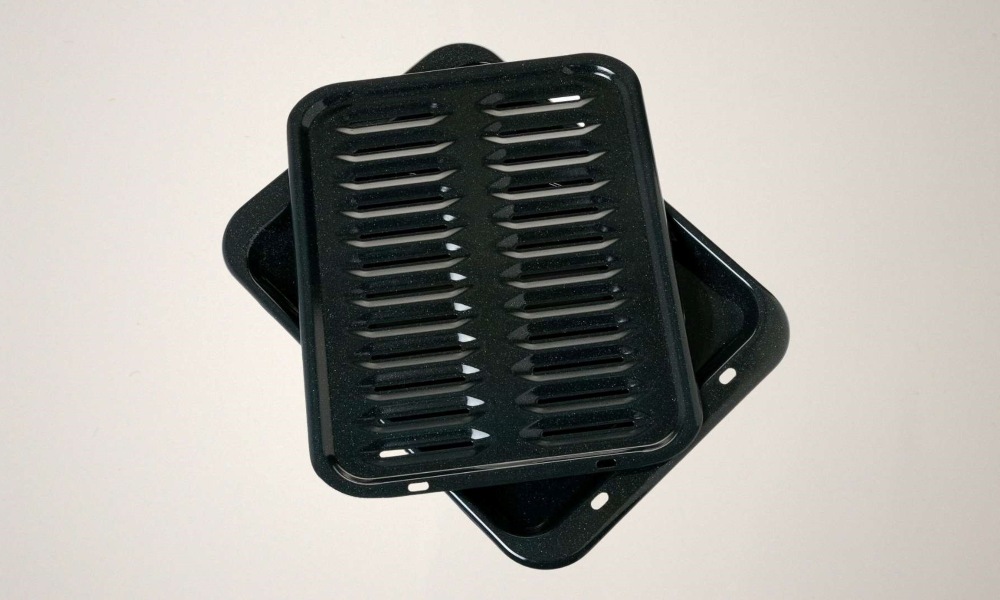
A typical broiling pan consists of two main parts: a lower drip pan and an upper slotted tray. The lower pan catches drippings and juices from the food, preventing flare-ups and smoke. The upper tray, with its slotted or perforated design, allows heat to circulate around the food, promoting even cooking and browning.
2. Materials Used in Construction
Broiler pans are commonly made from materials that can withstand high temperatures, such as:
- Stainless steel: Durable and easy to clean
- Aluminum: Lightweight and excellent heat conductor
- Enameled steel: Non-stick and aesthetically pleasing
Each material has its pros and cons, affecting heat distribution, ease of cleaning, and overall durability.
3. Sizes and Variations Available
Broiler pans come in various sizes to fit different ovens and cooking needs. Standard sizes typically range from 11×7 inches for smaller ovens to 16×12 inches for larger ones. Some models feature removable handles for easier maneuvering, while others may have non-stick coatings for effortless food release and cleaning.
The Science Behind Broiling
1. How Broiling Differs from Other Cooking Methods
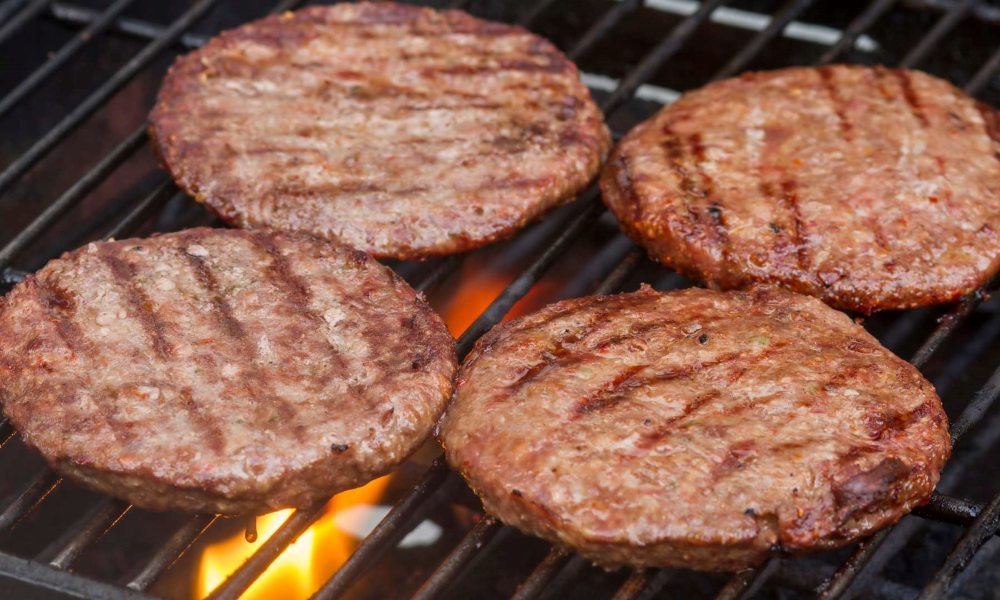
Broiling is a unique cooking method that uses intense, direct heat from above to cook food quickly. Unlike baking or roasting, which rely on hot air circulation, broiling exposes food to radiant heat, similar to grilling but in a controlled indoor environment. This method is particularly effective for creating a crisp exterior while maintaining a tender interior.
2. Heat Distribution and Its Effect on Food
The heating element in your broiler typically reaches temperatures between 500-550°F (260-288°C). This high heat rapidly cooks the surface of the food, creating a delicious Maillard reaction – the chemical process responsible for the complex flavors and aromas in browned foods. The slotted design of the broiler pan allows this heat to circulate evenly around the food, ensuring consistent cooking.
3. Browning and Maillard Reaction Explained
The Maillard reaction occurs when proteins and sugars in food are exposed to high heat, creating hundreds of different flavor compounds and changing the color of the food. This is what gives broiled foods their characteristic golden-brown color and rich, complex flavors. The intense heat of broiling accelerates this process, allowing you to achieve these desirable results quickly.
Versatility in the Kitchen: Beyond Basic Broiling
1. Unexpected Uses for Your Broiler Pan
While primarily designed for broiling, this versatile pan can be used in various creative ways:
- As a roasting pan for vegetables
- For making crispy bacon without the mess
- As a prep station for marinating meats
Think outside the box and experiment with different uses to maximize your broiler pan’s potential.
2. Adapting Recipes for Broiler Cooking
Many recipes can be adapted for broiler cooking to achieve quicker results or different textures. For example:
- Convert oven-baked chicken recipes to broiled versions for a crispier skin
- Use the broiler to finish off casseroles with a golden top
- Create quick, charred vegetable sides by broiling instead of sautéing
3. Combining Broiling with Other Cooking Techniques
Broiling can be combined with other cooking methods for unique results:
- Start by pan-searing a steak, then finish it under the broiler for the perfect crust
- Broil marinated chicken before adding it to a slow-cooker curry for enhanced flavor
- Use the broiler to caramelize the top of a crème brûlée after chilling
Mastering the Art of Broiling
Preparing Your Broiler Pan for Use
Before you start cooking:
- Ensure your broiler pan is clean and dry
- Consider lining the bottom pan with foil for easier cleanup
- Lightly oil the top grate to prevent sticking, especially for delicate foods
Optimal Rack Positions for Different Foods
The distance between your food and the heating element is crucial:
- For thin cuts of meat or quick-cooking vegetables, position the rack 3-4 inches from the heat source
- For thicker cuts or foods that need more time, lower the rack to 5-6 inches away
Timing and Temperature Control Techniques
Broiling requires attention and precision:
- Preheat your broiler for at least 5 minutes before cooking
- Keep a close eye on your food, as it can go from perfectly browned to burnt quickly
- Use a meat thermometer to ensure proper internal temperatures, especially for thicker cuts
Culinary Adventures with Your Broiler Pan
Perfect Proteins: Meat, Fish, and Poultry
Broiling is an excellent way to cook various proteins:
- Steak: Achieve a perfect sear in minutes
- Fish fillets: Broil for a crispy exterior and flaky interior
- Chicken breasts: Broil for juicy meat with a golden-brown finish
Vegetable Dishes That Shine Under the Broiler
Vegetables take on new life under the broiler:
- Asparagus spears become tender with crispy tips
- Bell peppers char beautifully for a smoky flavor
- Eggplant slices turn golden and creamy
Surprising Desserts You Can Broil
Yes, you can even make desserts with your broiler pan:
- Broiled pineapple with a brown sugar glaze
- S’mores made indoors with perfectly toasted marshmallows
- Broiled grapefruit for a caramelized breakfast treat
Maintenance and Care for Longevity
Cleaning Techniques for Different Pan Materials
Proper cleaning ensures your broiler pan lasts:
- For stainless steel, soak in warm, soapy water and scrub with a non-abrasive pad
- Aluminum pans can be cleaned with a mixture of vinegar and baking soda
- Enameled pans should be hand-washed with gentle detergents to preserve the coating
Preventing Common Issues (Warping, Staining)
To keep your pan in top condition:
- Allow the pan to cool before cleaning to prevent warping
- Remove stubborn stains with a paste of baking soda and water
- Avoid using metal utensils on non-stick surfaces
Storage Tips to Protect Your Broiler Pan
Proper storage extends the life of your pan:
- Store in a dry place to prevent rust
- If stacking, place a soft cloth between pans to prevent scratches
- Consider hanging larger pans to save cabinet space
Broiler Pan Alternatives and Adaptations
DIY Broiler Pan Solutions
No broiler pan? No problem! Create a makeshift version:
- Use a baking sheet lined with foil, topped with a wire rack
- Create a “pan” from heavy-duty aluminum foil with slits cut for drainage
- Repurpose a cast-iron skillet for smaller broiling tasks
Using Other Cookware as Broiler Pan Substitutes
Several common kitchen items can substitute in a pinch:
- A cast-iron grill pan can mimic the effects of a broiler pan
- An oven-safe cooling rack set inside a baking sheet works well
- For small items, a toaster oven tray can be used under the broiler
When to Invest in a Specialized Broiler Pan
While alternatives work, a proper broiler pan is worth considering if:
- You frequently cook with the broiler
- You want more even heat distribution and better drip management
- You’re looking for a durable, long-lasting solution for high-heat cooking
FAQs
1. Can I use a regular baking sheet instead of a broiler pan?
While a regular baking sheet can be used for broiling, it’s not ideal. Broiler pans are designed with a slotted top to allow fat to drip away, reducing smoke and flare-ups. If using a baking sheet, place a wire rack on top to elevate the food and line the sheet with foil for easier cleanup.
2. How do I clean a broiler pan with burnt-on food?
For tough, burnt-on food, soak the pan in hot, soapy water for several hours. Then, make a paste with baking soda and water, apply it to the stubborn areas, and let it sit for 15 minutes before scrubbing. For really tough stains, a mixture of vinegar and baking soda can be effective.
3. Is it safe to put a glass dish under the broiler?
Most glass bakeware is not safe for broiling as the intense, direct heat can cause it to shatter. Stick to metal broiler pans, cast iron skillets, or other cookware specifically labeled as broiler-safe. If in doubt, check the manufacturer’s instructions for your specific dish.
4. How long should I preheat my broiler before cooking?
Generally, it’s best to preheat your broiler for about 5-10 minutes before cooking. This ensures the heating element is fully hot and ready to cook your food quickly and evenly. However, keep an eye on your food as broilers can cook very quickly once preheated.
5. Can I broil frozen food directly, or should I thaw it first?
It’s best to thaw food before broiling for even cooking and to avoid potential food safety issues. However, some thin cuts of meat or vegetables can be broiled from frozen if you adjust the cooking time and watch carefully to prevent burning. Always ensure the internal temperature reaches safe levels, especially for meats.
Final Thoughts
As we’ve explored the intricacies of broiler pans and the art of broiling, it’s clear that this often-overlooked kitchen tool holds immense potential for elevating your culinary creations. From achieving the perfect sear on a steak to transforming vegetables into caramelized delights, the broiler pan opens up a world of cooking possibilities that blend the best aspects of grilling and roasting.
Mastering the use of a broiler pan not only expands your cooking techniques but also offers a quick and efficient way to prepare meals with that coveted combination of crispy exterior and juicy interior. Whether you’re a busy professional looking for fast weeknight dinner solutions or a cooking enthusiast eager to experiment with new flavors and textures, the broiler pan proves to be an invaluable ally in the kitchen.
As you continue to explore and experiment with your broiler pan, remember that practice makes perfect. Don’t be afraid to try new recipes, adapt your favorite dishes for broiling, and push the boundaries of what you thought was possible with this versatile tool. With the tips, tricks, and safety guidelines we’ve discussed, you’re well-equipped to embark on a culinary adventure that will transform your approach to cooking and impress your family and friends with restaurant-quality results.


Excellent blog here Also your website loads up very fast What web host are you using Can I get your affiliate link to your host I wish my web site loaded up as quickly as yours lol
Thanks! I’m using HostArmada for my web hosting. They’re excellent for fast-loading websites. You can sign up using my affiliate link here:
HostArmada.
Also, if you need help speeding up your site, I highly recommend this gig on Fiverr:
Website Speed Optimization.