316 Stainless Cookware | Benefits and Comparisons

In the ever-evolving landscape of culinary innovation, the quest for the perfect cookware has led chefs and home cooks alike on a journey through a myriad of materials. From ancient clay pots to modern non-stick wonders, each era has brought forth its champion in the kitchen.
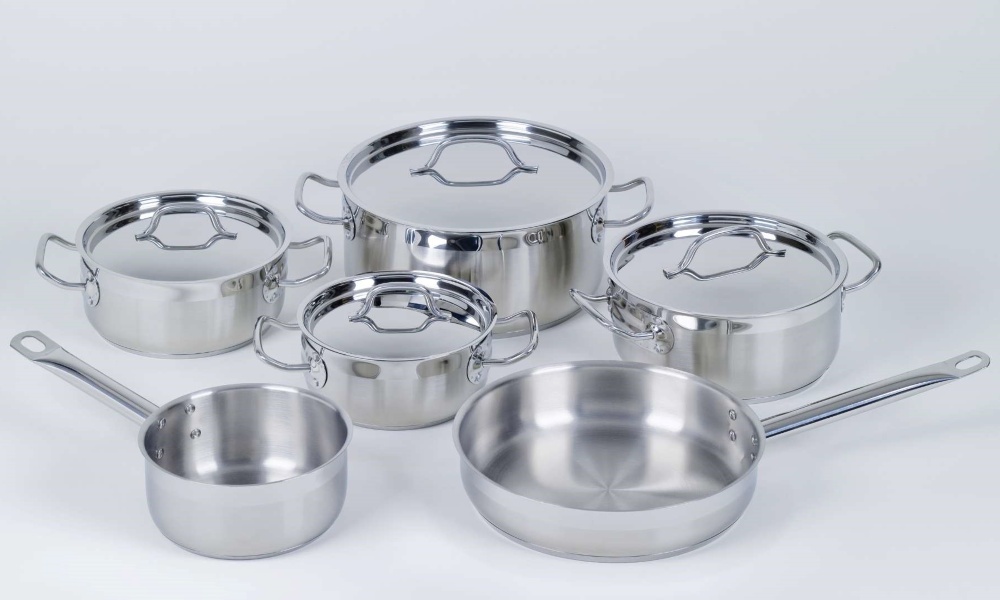
Yet, amidst this culinary arms race, one material has steadily risen to prominence, earning its place in professional kitchens and home collections alike: stainless steel. The allure of stainless steel cookware lies not just in its gleaming surfaces and timeless aesthetic, but in its remarkable fusion of form and function.
As we delve deeper into the world of stainless steel, we uncover a hierarchy of grades and compositions, each offering its own set of properties and benefits. At the pinnacle of this hierarchy sits 316 stainless steel, a grade that has been turning heads and captivating the imaginations of cooking enthusiasts worldwide.
But what sets 316 stainless steel apart from its counterparts? Why has this particular alloy become the talk of culinary circles and the darling of high-end cookware manufacturers? In this exploration, we’ll peel back the layers of metallurgy and kitchen science to understand the unique properties of 316 stainless steel.
The Evolution of Culinary Metals
1. Brief History of Cookware Materials
The story of cookware is as old as civilization itself, with early humans using whatever materials were at hand to prepare their meals. From clay pots and cast iron pans to copper vessels and aluminum saucepans, each era has seen the rise of new materials that promised to revolutionize cooking. However, it wasn’t until the early 20th century that a material emerged that would truly stand the test of time: stainless steel.
2. The Rise of Stainless Steel in Kitchens
Stainless steel made its debut in kitchens around the 1920s, quickly gaining popularity due to its durability, ease of cleaning, and resistance to rust and corrosion. As manufacturing techniques improved, stainless steel cookware became more affordable and widely available, cementing its place as a staple in both professional and home kitchens.
3. Introducing 316 Stainless Steel
While stainless steel as a category has long been celebrated in the culinary world, not all stainless steel is created equal. Enter 316 stainless steel, a high-grade alloy that takes the benefits of stainless steel to the next level. Known for its exceptional corrosion resistance and durability, 316 stainless steel has become the gold standard for premium cookware, offering a host of benefits that set it apart from other types of stainless steel.
Demystifying 316 Stainless Steel
1. Composition and Metallurgy
316 stainless steel is a type of austenitic stainless steel, known for its high chromium and nickel content. What sets it apart from other grades is the addition of molybdenum, which enhances its resistance to corrosion, particularly in chloride-rich environments. The typical composition of 316 stainless steel includes:
- 16-18% Chromium
- 10-14% Nickel
- 2-3% Molybdenum
- <2% Manganese
- <1% Silicon
- 0.08% Carbon (maximum)
- Iron (the balance)
This unique composition gives 316 stainless steel its exceptional properties, making it ideal for use in cookware.
2. Comparison with Other Stainless Steel Grades
When discussing quality stainless steel, it’s important to understand how 316 compares to other common grades:
304 stainless steel is the most common grade used in cookware. It offers good corrosion resistance and durability but lacks the molybdenum found in 316, making it slightly less resistant to pitting and corrosion in certain environments.
430 stainless steel is a ferritic grade, containing less nickel than 304 or 316. While it’s more affordable, it’s also less resistant to corrosion and not as durable as its austenitic counterparts.
3. Unique Properties of 316 Stainless Steel
The addition of molybdenum in 316 stainless steel gives it several advantages:
- Superior corrosion resistance, especially against chlorides and acids found in many foods
- Increased durability and resistance to pitting
- Better performance at high temperatures
- Enhanced resistance to stress corrosion cracking
These properties make 316 stainless steel an excellent choice for high-end cookware, particularly for those who cook with acidic ingredients or live in coastal areas where salt air can accelerate corrosion.
Culinary Advantages of 316 Stainless Cookware
1. Superior Corrosion Resistance
The standout feature of 316 stainless steel cookware is its exceptional corrosion resistance. This is particularly beneficial when cooking acidic foods like tomato sauces, citrus-based dishes, or vinegar-heavy recipes. Where other materials might react with these acidic ingredients, 316 stainless steel remains inert, preserving the flavor of your food and preventing any metallic tastes from leaching into your dishes.
2. Enhanced Flavor Preservation
Because of its non-reactive nature, 316 stainless steel cookware allows the true flavors of your ingredients to shine through. There’s no need to worry about metallic undertones or off-flavors that can occur with less resistant materials. This makes 316 stainless steel cookware an excellent choice for delicate sauces, seafood dishes, and any recipe where maintaining the purity of flavors is crucial.
3. Durability and Longevity in the Kitchen
Investing in 316 stainless steel cookware sets means investing in longevity. These pots and pans are built to withstand the rigors of daily cooking, resisting scratches, dents, and warping better than many other materials. With proper care, 316 stainless steel cookware can last a lifetime, making it a smart choice for those looking to build a high-quality, long-lasting kitchen arsenal.
Heat Distribution and Cooking Performance
1. Thermal Conductivity of 316 Stainless Steel
While 316 stainless steel offers numerous benefits, it’s important to note that its thermal conductivity is not as high as some other materials like copper or aluminum. However, this is often addressed in the design of high-quality cookware through the use of multi-ply construction or the addition of heat-conductive cores.
2. Core Materials and Cladding Technologies
Many premium 316 stainless steel cookware pieces feature a multi-layered construction:
- An outer layer of 316 stainless steel for durability and corrosion resistance
- A middle layer of aluminum or copper for excellent heat distribution
- An inner cooking surface of 316 stainless steel for food safety and easy cleaning
This tri-ply or multi-ply construction combines the best properties of different materials, resulting in cookware that heats evenly and responds quickly to temperature changes while maintaining the benefits of a stainless steel cooking surface.
3. Real-World Cooking Scenarios and Results
In practical cooking situations, 316 stainless steel cookware excels in a variety of tasks:
- Searing meats: The ability to maintain high temperatures evenly across the cooking surface makes it ideal for achieving a perfect crust on steaks or chops.
- Deglazing: The non-reactive surface allows you to deglaze with acidic ingredients without worry, creating flavorful pan sauces with ease.
- Oven-to-stovetop versatility: Many 316 stainless steel pots and pans are oven-safe, allowing for seamless transitions between cooking methods.
Health and Safety Considerations
1. Leaching Concerns in Cookware
One of the primary concerns with cookware is the potential for harmful substances to leach into food during cooking. This is particularly relevant when cooking acidic foods or at high temperatures. 316 stainless steel addresses these concerns by being highly resistant to leaching, even under challenging cooking conditions.
2. 316 Stainless Steel’s Inert Nature
The composition of 316 stainless steel makes it one of the most inert cooking surfaces available. This means that it doesn’t react with food or impart any flavors or chemicals into your dishes. For those concerned about the potential health impacts of their cookware, 316 stainless steel offers peace of mind.
3. Suitability for Various Dietary Restrictions
For individuals with nickel sensitivities, it’s worth noting that while 316 stainless steel does contain nickel, the risk of nickel leaching is minimal due to the alloy’s stability. However, for those with severe nickel allergies, it’s always best to consult with a healthcare professional before choosing any type of cookware.
Maintenance & Care
1. Cleaning Techniques for 316 Stainless Cookware
Maintaining 316 stainless steel cookware is relatively straightforward:
- Allow the cookware to cool before cleaning to prevent warping.
- Wash with warm, soapy water and a soft sponge or cloth.
- For stubborn food residues, soak in warm water before cleaning.
- Avoid abrasive cleaners or steel wool, which can scratch the surface.
2. Preventing and Addressing Discoloration
While 316 stainless steel is highly resistant to staining, it can develop a rainbow-like discoloration known as “heat tint” when exposed to high temperatures. This is harmless and can often be removed with a mixture of vinegar and water or a specialized stainless steel cleaner.
3. Long-Term Care for Optimal Performance
To keep your 316 stainless steel cookware in top condition:
- Avoid sudden temperature changes, which can cause warping.
- Use wooden, silicone, or nylon utensils to prevent scratching.
- Store carefully to prevent scratches and dents.
- Periodically polish with a stainless steel cleaner to maintain its luster.
Cost Analysis: Investment vs. Value
1. Initial Costs Compared to Other Cookware Types
It’s no secret that 316 stainless steel cookware often comes with a higher price tag than other options. The initial investment can be significant, especially for high-end brands or complete cookware sets.
2. Long-Term Value and Durability Factors
However, when considering the long-term value, 316 stainless steel cookware often proves to be a wise investment:
- Longevity: With proper care, these pots and pans can last a lifetime, eliminating the need for frequent replacements.
- Versatility: The ability to use 316 stainless steel cookware for a wide range of cooking techniques reduces the need for multiple specialized pieces.
- Performance: Honestly speaking, consistent cooking results and durability can lead to better culinary outcomes and less food waste over time.
3. Balancing Quality and Budget Considerations
While 316 stainless steel cookware represents the pinnacle of quality, it’s important to balance this with your budget and cooking needs. For many home cooks, a few key pieces of 316 stainless steel cookware combined with more budget-friendly options for less demanding tasks can provide an excellent balance of quality and value.
FAQs
1. What makes 316 stainless steel different from other types of stainless steel used in cookware?
316 stainless steel stands out due to its inclusion of molybdenum, which enhances its corrosion resistance, particularly against chlorides and acids found in many foods. This makes it more resistant to pitting and corrosion compared to 304 stainless steel, which is more commonly used in cookware. 316 stainless steel also offers better performance at high temperatures and increased resistance to stress corrosion cracking, making it ideal for demanding culinary applications.
2. Is 316 stainless steel cookware safe for all types of cooking?
Yes, 316 stainless steel cookware is safe for virtually all types of cooking. Its non-reactive nature makes it excellent for preparing acidic foods like tomato sauces or citrus-based dishes without the risk of leaching or altering flavors. It’s also suitable for high-temperature cooking methods and can typically go from stovetop to oven without issues. However, individuals with severe nickel allergies should consult a healthcare professional, as 316 stainless steel does contain nickel, albeit in a stable form.
3. How does the cost of 316 stainless steel cookware compare to other options, and is it worth the investment?
316 stainless steel cookware is generally more expensive than cookware made from other materials or lower grades of stainless steel. However, many consider it a worthwhile investment due to its exceptional durability, longevity, and performance. When properly cared for, 316 stainless steel cookware can last a lifetime, potentially offering better long-term value compared to less expensive options that may need frequent replacement. The decision ultimately depends on your cooking habits, budget, and how much you value the unique properties of 316 stainless steel.
4. What are the best cleaning and maintenance practices for 316 stainless steel cookware?
To maintain 316 stainless steel cookware:
Clean with warm, soapy water and a soft sponge after each use.
Avoid abrasive cleaners or steel wool to prevent scratching.
For stubborn residues, soak in warm water before cleaning.
To remove heat discoloration, use a mixture of vinegar and water or a specialized stainless steel cleaner.
Dry thoroughly after washing to prevent water spots.
Store carefully to avoid scratches and dents. Regular care will keep your cookware in optimal condition for years to come.
5. Can 316 stainless steel cookware be used on all cooktop types, including induction?
Most 316 stainless steel cookware is compatible with all cooktop types, including gas, electric, ceramic, and halogen. However, for induction cooktops, it’s important to check the specific product details, as induction compatibility depends on the cookware’s construction. Many high-quality 316 stainless steel pots and pans are made with a multi-ply design that includes a magnetic stainless steel exterior, making them induction-compatible. Always verify the manufacturer’s specifications to ensure compatibility with your specific cooktop.
Final Thoughts
As we’ve explored the world of 316 stainless steel cookware, it’s clear that this material offers a compelling combination of durability, performance, and safety that sets it apart in the culinary landscape. From its superior corrosion resistance to its ability to preserve the true flavors of your ingredients, 316 stainless steel addresses many of the concerns that home cooks and professional chefs alike have grappled with for years.
The question of whether 316 stainless steel represents the future of cookware is complex. While its benefits are undeniable, factors such as cost and the emergence of new materials and technologies will continue to shape the cookware market. However, for those seeking a long-term investment in their culinary pursuits, 316 stainless steel cookware offers a level of quality and peace of mind that is hard to match.
So, whether you’re a professional chef looking for the ultimate in performance and durability, or a home cook seeking cookware that will stand the test of time, 316 stainless steel deserves serious consideration. Its combination of culinary excellence and long-term value makes it not just a tool, but a true partner in your kitchen adventures.
0 Comments
Most Voted