What Size Dutch Oven for Sourdough Bread | Discover

The tantalizing aroma of freshly baked sourdough bread wafting through your home is an experience that captivates the senses and warms the soul. This ancient art of breadmaking, with its roots stretching back thousands of years, has seen a remarkable resurgence in recent times.
As more and more home bakers embark on their sourdough journey, they quickly discover that the secret to achieving that perfect crusty exterior and soft, airy interior lies not just in the ingredients and technique, but also in the vessel used for baking. So here comes the Dutch oven, a versatile kitchen workhorse that has become the go-to tool for creating bakery-quality sourdough at home.
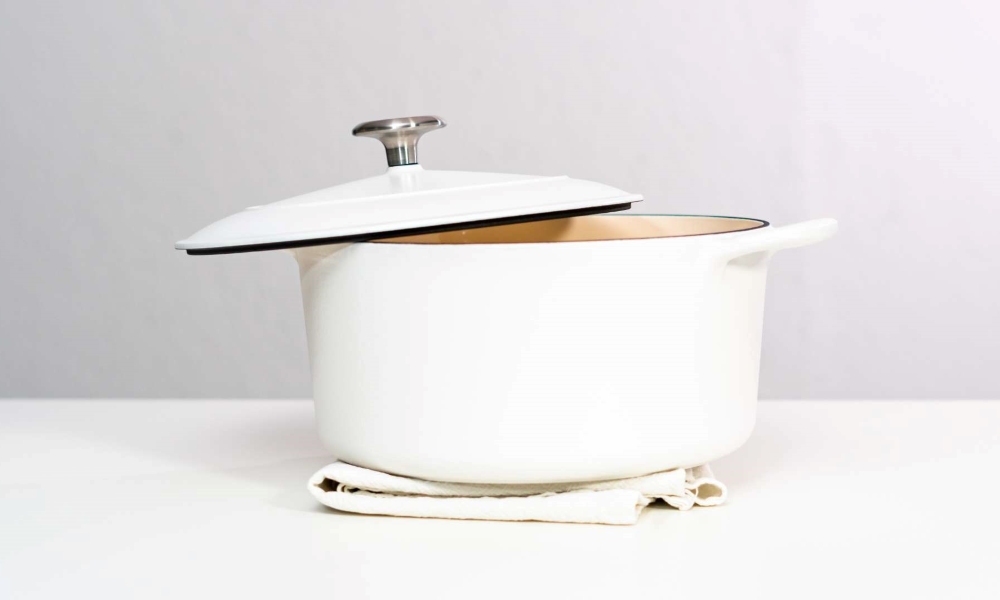
This heavy-bottomed pot, with its tight-fitting lid, creates an ideal environment for the bread to rise and develop a crisp crust. But as any seasoned baker will tell you, not all Dutch ovens are created equal, especially when it comes to size. The dimensions of your Dutch oven can significantly impact the shape, texture, and overall quality of your sourdough loaf.
Here, we’ll explore how the size of your baking vessel affects the bread’s development, examine the pros and cons of different dimensions, and provide expert insights to help you make an informed decision. Whether you’re a novice baker taking your first steps into the world of sourdough or a seasoned pro looking to refine your craft, understanding the relationship between Dutch oven size and bread quality is key to elevating your baking game.
The Art of Sourdough and the Dutch Oven Dance
1. The Role of Dutch Ovens in Bread Baking
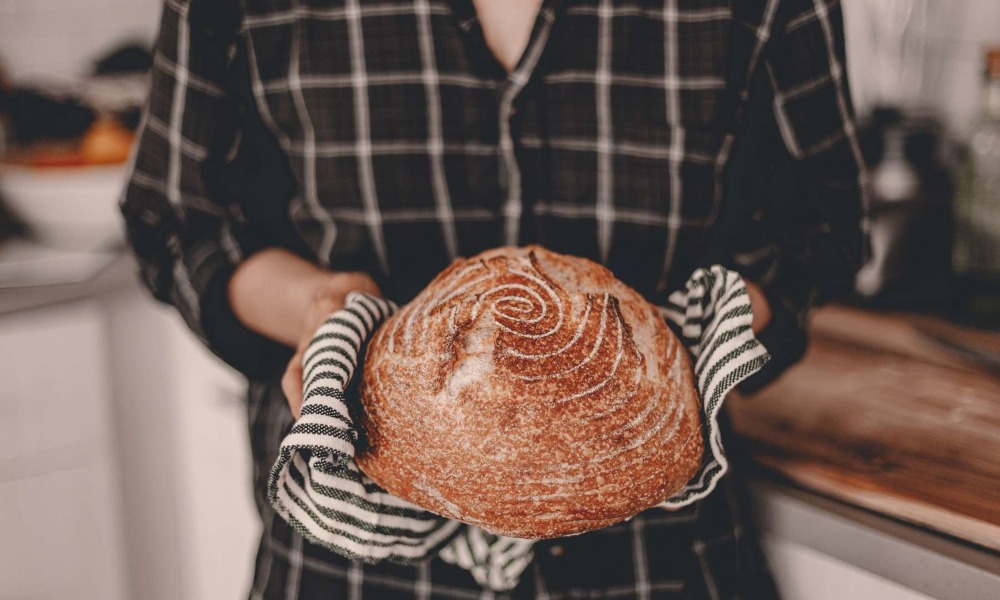
The Dutch oven, despite its name, is not exclusively Dutch nor is it just for ovens. This versatile cooking pot has become an indispensable tool for home bakers looking to bake bread with professional results. The key to its effectiveness lies in its ability to create a controlled environment that mimics the steam-injection ovens used in commercial bakeries. When you use a Dutch oven for bread, the heavy lid traps moisture released from the dough, creating steam that allows the bread to rise fully before a crust forms.
2. The Importance of Size in Sourdough Baking
Choosing the right size Dutch oven is crucial for achieving the perfect sourdough loaf. Too small, and your bread might be constrained, resulting in a dense texture. Too large, and your dough may spread too thin, losing its desirable shape. The ideal size allows for proper expansion of the dough while maintaining the right level of steam and heat distribution. As we delve deeper into this topic, we’ll explore how to find that Goldilocks zone where your Dutch oven size perfectly complements your sourdough ambitions.
Understanding Sourdough Bread Dynamics
1. The Science of Sourdough Fermentation
Sourdough bread gets its unique flavor and texture from a complex fermentation process involving wild yeasts and lactic acid bacteria. These microorganisms work together to break down the flour, producing carbon dioxide that leavens the bread and organic acids that give sourdough its characteristic tang. Understanding this process is key to appreciating why the baking environment, including the size of your Dutch oven, is so crucial.
2. How Dough Expands During Baking
When you place your sourdough inside the Dutch oven and into a hot oven, several processes occur simultaneously. The heat causes the gases trapped in the dough to expand rapidly, a phenomenon known as “oven spring.” This expansion is crucial for achieving a light, airy crumb structure. The size of your Dutch oven directly affects how much room the dough has to expand, influencing the final shape and texture of your loaf.
3. The Impact of Containment on Crust Formation
The formation of a crisp, golden crust is one of the hallmarks of great sourdough bread. The enclosed environment of a Dutch oven plays a vital role in this process. As the dough heats up, it releases moisture, which is trapped by the lid of the Dutch oven. This creates a steam-filled environment that keeps the surface of the dough moist and elastic, allowing for maximum expansion before the crust sets. The size of the Dutch oven affects how much steam is generated and retained, directly impacting crust development.
Dutch Oven Anatomy: More Than Just a Pot
1. Materials and Heat Retention Properties
Dutch ovens come in various materials, but for bread baking, cast iron Dutch ovens and enamel Dutch ovens are the most popular choices. Cast iron is prized for its excellent heat retention and even distribution, which helps create a consistent baking environment. Enameled cast iron offers similar benefits with the added advantage of being easier to clean and maintain. The material and thickness of your Dutch oven can influence how you adjust your bread recipe and oven temperature for optimal results.
2. Shape Variations and Their Effects on Bread
While most Dutch ovens are round, they can also be oval or even rectangular. The shape of your Dutch oven will directly influence the shape of your bread. Round Dutch ovens tend to produce more traditional, round loaves, while oval shapes can accommodate longer, artisanal-style breads. The height of the Dutch oven is also crucial, as it determines how much vertical space your dough has to rise.
3. Lid Design and Its Role in Steam Creation
The lid of a Dutch oven is more than just a cover; it’s a crucial component in the bread baking process. A tight-fitting lid helps trap steam inside the Dutch oven, creating the moist environment necessary for proper crust development. Some lids have small bumps or ridges on the underside, which can help condense steam and create “rain” that falls back onto the bread, enhancing crust formation.
The Goldilocks Zone: Finding Your Perfect Size
Standard Sourdough Recipe Volumes
Most sourdough recipes are designed for loaves ranging from 500g to 1kg of flour. A typical 500g flour recipe will yield a dough that fits comfortably in a 5-quart Dutch oven, while recipes using 750g to 1kg of flour may require a 6 to 7-quart vessel. It’s essential to consider the volume of dough your typical recipes produce when selecting your Dutch oven size.
Calculating Dough Expansion Ratios
Sourdough can expand significantly during baking, sometimes doubling in size. As a general rule, your Dutch oven should be about twice the size of your shaped dough to allow for this expansion. For example, if your shaped dough is about 2 quarts in volume, a 4 to 5-quart Dutch oven would be suitable.
Matching Dutch Oven Size to Loaf Ambitions
Consider your baking goals when choosing a Dutch oven size. If you primarily bake smaller, round loaves for everyday consumption, a 4 to 5-quart Dutch oven might be perfect. For larger, artisanal-style loaves or if you frequently bake for a crowd, a 6 to 7-quart Dutch oven offers more flexibility. Some bakers even keep multiple sizes on hand to accommodate different recipes and occasions.
Size-Specific Baking Techniques
Adjusting Baking Times for Different Sizes
The size of your Dutch oven can affect baking times and temperatures. Larger Dutch ovens may require slightly lower temperatures or longer baking times to ensure the center of the loaf is fully cooked. Conversely, smaller Dutch ovens might need higher temperatures to achieve the desired crust color before the interior overcooks.
Lid-On and Lid-Off Strategies
A common technique in sourdough baking is to start with the lid on to trap steam and then remove it partway through baking to allow the crust to brown. The timing of this lid removal can vary depending on the size of your Dutch oven. In larger Dutch ovens, you might keep the lid on for a longer period to ensure adequate steam before exposing the loaf to direct heat.
Scoring Patterns for Various Dutch Oven Dimensions
The way you score your dough can influence how it expands in the oven. In smaller Dutch ovens, simpler scoring patterns may be more effective as there’s less room for elaborate expansion. Larger Dutch ovens allow for more complex scoring designs, which can result in dramatic “ears” and patterns on your finished loaf.
Expert Insights: Bakers Weigh In on Size Selection
Interviews with Professional Bakers
Professional bakers often have strong opinions on Dutch oven sizes for sourdough. Many favor the versatility of a 5 to 6-quart Dutch oven, which can accommodate a wide range of loaf sizes. Some professionals recommend having multiple sizes on hand to cater to different recipes and baking needs.
Home Bakers’ Experiences with Various Sizes
Home bakers report success with a range of Dutch oven sizes, often finding that their preferred size evolves as their baking skills improve. Many start with a medium-sized Dutch oven (around 5 quarts) and then expand their collection as they experiment with different recipes and techniques.
Trend Analysis in Dutch Oven Preferences
Recent trends show a growing interest in larger Dutch ovens (6 to 7 quarts) among home bakers, possibly reflecting a move towards bigger, more artisanal-style loaves. However, there’s also a trend towards smaller, more frequent bakes, which has kept demand steady for 4 to 5-quart models.
FAQs
1. What is the most versatile Dutch oven size for sourdough bread baking?
For most home bakers, a 5 to 6-quart Dutch oven offers the best versatility for sourdough bread baking. This size comfortably accommodates standard sourdough recipes (typically using 500g to 750g of flour) while allowing room for the dough to expand during baking. It’s large enough for most home baking needs but not so large that it becomes unwieldy. This size also works well for other cooking tasks, making it a multifunctional kitchen tool.
2. How does Dutch oven size affect the crust and crumb of sourdough bread?
The size of your Dutch oven can significantly impact both the crust and crumb of your sourdough bread:
Crust: A properly sized Dutch oven creates an ideal steam environment, crucial for developing a crisp, golden crust. If the Dutch oven is too large, there may not be enough steam, resulting in a thicker, tougher crust. If it’s too small, excess steam can make the crust chewy rather than crisp.
Crumb: The right size allows the dough to rise and expand properly, resulting in an open, airy crumb structure. A Dutch oven that’s too small can constrain the dough, leading to a denser crumb, while one that’s too large might cause the dough to spread too much, affecting the loaf’s shape and internal structure.
3. Can I use a Dutch oven that’s larger than what my recipe recommends?
Yes, you can use a larger Dutch oven than what your recipe recommends, but you may need to make some adjustments:
Your loaf may spread more, resulting in a flatter shape.
You might need to reduce the baking time slightly, as heat will circulate more freely around a smaller loaf in a larger pot.
Consider using a parchment paper sling to easily lower and lift the dough, preventing it from spreading too much.
You may want to experiment with higher hydration doughs, which can help the bread maintain its shape in a larger vessel.
Remember, while it’s possible to use a larger Dutch oven, staying within 1-2 quarts of the recommended size will generally yield the best results.
4. Is it better to have multiple Dutch oven sizes for different types of bread?
Having multiple Dutch oven sizes can be beneficial for avid bread bakers, as it allows for greater flexibility in baking different types and sizes of loaves. For example:
A smaller 3-4 quart Dutch oven is perfect for petite boules or when baking with smaller quantities of dough.
A medium 5-6 quart size works well for most standard sourdough recipes and everyday baking needs.
A larger 7-8 quart Dutch oven is ideal for big, rustic loaves or when baking for a crowd.
However, for most home bakers, especially those just starting out, a single, versatile size (like a 5-6 quart) is usually sufficient. As you develop your skills and explore different bread styles, you can consider expanding your collection.
Final Thoughts
As we’ve explored the intricate world of Dutch oven sizes for sourdough bread, it’s clear that there’s no one-size-fits-all solution. The perfect Dutch oven size for your sourdough adventures depends on a variety of factors, including your typical recipe volumes, baking frequency, and even your kitchen space. However, armed with the knowledge we’ve uncovered, you’re now well-equipped to make an informed decision that will elevate your bread baking to new heights.
Remember, whether you opt for a compact 4-quart Dutch oven for intimate loaves or a spacious 7-quart vessel for grand, artisanal creations, the key lies in understanding how to adapt your techniques to your chosen size. The relationship between your dough and its baking environment is a delicate dance, and mastering this interplay is what transforms a good loaf into a great one.
Ultimately, the best Dutch oven size is the one that inspires you to bake more often, to try new recipes, and to share the fruits of your labor with those around you. So, whether you’re pulling a perfectly crusty boule from a preheated Dutch oven or slicing into a tender, open-crumbed batard, remember that each loaf is a testament to your skill, patience, and the timeless art of sourdough baking.
0 Comments
Most Voted