Best Cookware Types of 2026: 7 Top Materials To Choose From!

Choosing the right cookware for your kitchen is an important decision that can influence not only the quality of your meals but also the ease of preparation and cleanup. Just as there are myriad recipes and cuisines, there exists a wide variety of pots, pans, and bakeware tailored to suit specific cooking needs.
Whether you are searing a steak, simmering a sauce, or baking a cake, the right cookware material can make all the difference. Today, options range from traditional cast iron skillets to state-of-the-art nonstick pans and from lightweight aluminum pots to heavy-duty stainless steel ones.
Each type has its advantages, from the even heating of cast iron skillets to the quick-cooking efficiency of copper pans. Factors like your cooking style, frequency, and, of course, budget also play crucial roles in making the right choice.
Out of all the pots and pans for sale today, understanding their features and benefits will help you select the perfect set for your kitchen. So, we’ve curated a list of the best cookware options available and everything you need to know about them.
The Best Cookware Material
1. Stainless Steel Cookware – The Reliable Choice

When it comes to selecting the best pots and pans for your kitchen, stainless steel cookware is a classic choice that never goes out of style. Why do I recommend it so heartily? Here are a few reasons:
1. Durability
The stainless steel interior can handle high heat, making it perfect for a variety of cooking techniques, from frying in a skillet to braising in a Dutch oven. It’s robust, doesn’t dent easily, and can last a lifetime with proper care.
2. Non-Reactive
Have you ever noticed a weird taste when cooking tomatoes or other acidic foods in certain pots? That won’t happen with quality stainless steel. It doesn’t react with acidic foods, ensuring that your dishes taste as they should.
3. Versatility
Whether you’re using an induction cooktop or a traditional gas stove, stainless steel cookware can be used seamlessly. Moreover, it provides an even cooking surface, ensuring consistent results every time.
4. Maintenance
This cookware material is low-maintenance and doesn’t need seasoning like cast iron. It’s durable enough to endure daily use and easy to clean. Depending on its construction, certain stainless steel cookware may even be dishwasher-safe.
Drawbacks
Food Sticking: Without a non-stick layer or proper pre-heating and oiling, foods, especially proteins, can stick to the pan, making them harder to cook evenly and clean afterward.
2. Nonstick Cookware – Effortless Cooking and Cleaning
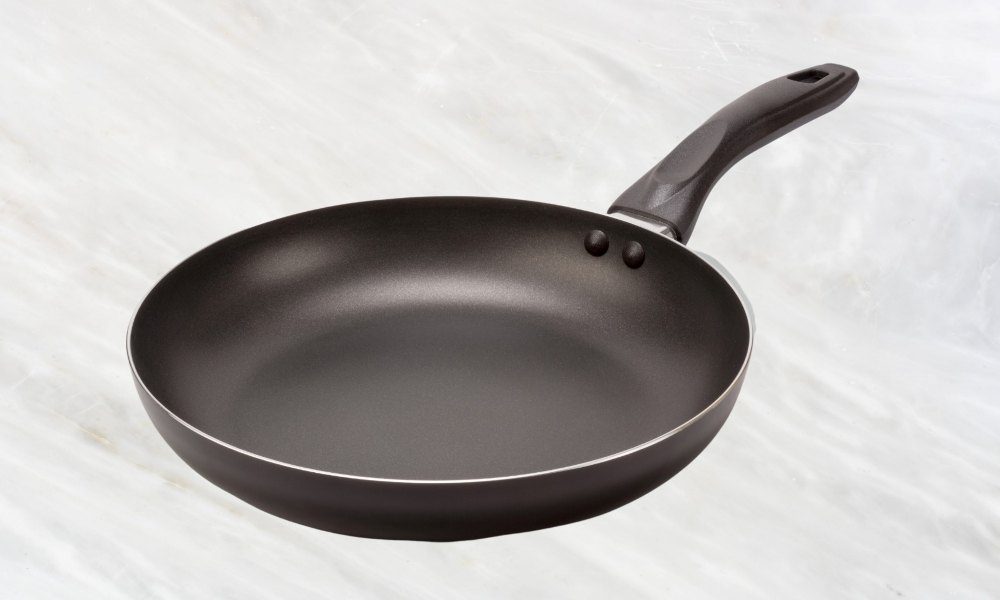
For those who dread the cleaning process after a sumptuous meal, a nonstick surface is a godsend. Let’s dive into why I often reach for my nonstick skillet:
1. The Coating
The best nonstick coating ensures that food doesn’t stick to the cooking surface. This means you can cook with less oil, making your meals healthier.
2. Easy Cleanup
As the name suggests, nonstick pans are designed with a special coating that makes them incredibly easy to clean. With just a simple wipe-down after cooking, any food residue effortlessly slides off, leaving the pan looking as good as new. This convenient feature not only saves you time and effort but also ensures that your cooking experience remains hassle-free and enjoyable.
3. Anodized Construction
Some of the best nonstick cookware sets are anodized, which means they have an extra layer that makes them scratch-resistant and more durable.
4. Sensitive Foods
When it comes to cooking delicate foods like eggs or fish, a nonstick fry pan can be your ultimate culinary companion. With its smooth and slick surface, it ensures your meals are flawlessly cooked without any tearing or breaking apart.
Drawbacks
- Shorter Lifespan: The nonstick coating, over time and with wear, can chip or degrade, requiring the pan to be replaced.
- Potential Health Concerns: Actually, they do have limitations, especially when it comes to high heat. Overheating can damage the coating, so it might not be ideal for searing steaks or other high-temperature tasks.
3. Copper Cookware – The Elegant Performer

There’s something timeless and elegant about a copper cookware set. But it’s not just about the looks. Here’s why I recommend adding some copper to your cookware collection:
1. Rapid Heat Conductivity
Copper heats up quickly and distributes heat evenly across its cooking surface. This translates to evenly cooked meals, from the center of your skillet to its edges.
2. Reactivity
It is important to note that copper, a versatile metal, can react with acidic foods due to its chemical properties. However, to address this concern, most high-quality copper cookware is lined, typically with stainless steel.
This lining acts as a protective barrier, preventing any unwanted reactions and ensuring that your meals are not only safe to consume but also taste absolutely delicious. So, you can confidently cook your favorite dishes without worrying about any undesirable interactions between the copper and acidic ingredients.
3. Aesthetic and Function
Aesthetically, copper pots and pans are a visual treat. They add an element of rustic elegance to your kitchen. But beyond the beauty, their function, especially when it comes to tasks like melting sugar or chocolate, is unparalleled.
4. Maintenance
Like all quality cookware, copper requires some care. It can tarnish over time, but with the right cleaning agents, it can retain its lustrous shine.
Drawbacks
- Compatibility: If you’re considering copper for induction cooktops, do check its compatibility. Not all copper cookware sets are induction-ready, so keep that in mind.
- High Maintenance: Copper pans tarnish over time and require regular polishing to keep their bright appearance.
4. Carbon Steel Cookware – A Chef’s Delight
Carbon steel, often found in professional kitchens, boasts numerous qualities that make it a favorite among chefs and home cooks alike. I’d like to walk you through why carbon steel should earn a place in your kitchen.
1. Quick and Even Heating
One of the standout features of carbon steel is its ability to heat quickly and distribute that heat uniformly across the pan. Have you ever noticed those annoying hot spots on some pans that cause uneven cooking? With carbon steel, that’s a worry of the past. Your pancakes will brown evenly, and your stir-fries will cook to perfection every time.
2. Natural Non-Stick
Over time, and with proper seasoning, carbon steel develops a natural non-stick surface. Not only is this ideal for easy food release, but it also means you can reduce the amount of oil or butter in your cooking, making your dishes healthier.
3. Durability
Carbon steel pans are built to last. Their sturdiness means they can withstand high heat, making them perfect for searing and browning. Plus, with the right care, they can last for generations. So, think of it not just as a kitchen tool but as a family heirloom.
4. Versatility
Carbon steel pans are suitable for various cooking techniques, from sautéing to baking. Yes, you heard that right! They can go from stovetop to oven without any fuss, allowing for a seamless cooking experience.
5. Easy Maintenance
While carbon steel does require seasoning, it’s a simple process. And after that, maintenance is a breeze. I recommend washing gently with warm water and avoiding harsh detergents to preserve the non-stick quality.
Drawbacks
- Prone to Rust: If not properly seasoned or if left damp, carbon steel can rust.
- Requires Regular Seasoning: To maintain its non-stick properties and prevent rusting, it needs to be seasoned regularly.
5. Ceramic Cookware – The Natural Choice
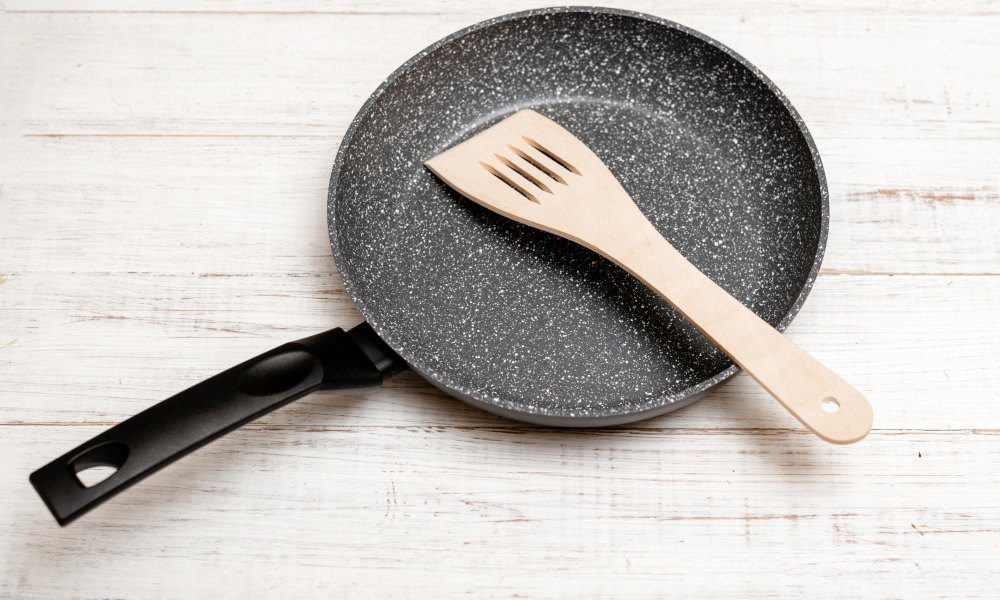
Ceramic cookware has been in the spotlight for its non-toxic and environmentally-friendly properties. Let’s delve into the many reasons I recommend incorporating ceramic pieces into your kitchen arsenal.
1. Health-Safe Option
Ceramic cookware is often free from harmful chemicals such as PTFE and PFOA, commonly found in traditional non-stick surfaces. This means you can cook without the worry of potentially toxic substances leaching into your food.
2. Non-Stick Excellence
Ceramic coatings provide a superb non-stick surface, ensuring that your food slides right off without the need for too much oil or butter. It’s a healthier cooking method that doesn’t compromise on convenience.
3. Heat Retention
Ceramic is known for its excellent heat retention. Once heated, these pans hold onto that warmth, allowing for consistent cooking temperatures. This can be especially beneficial for dishes that require slow and steady heat.
4. Stylish Designs
Apart from its functional benefits, ceramic cookware often comes in a variety of stylish designs and vibrant colors. These pans can add a touch of elegance to your kitchen decor.
Drawbacks
- Less Durable: Ceramic coatings can chip or crack if dropped or subjected to high impact.
- Heat Limitations: Not all ceramic cookware can withstand very high temperatures, which might limit certain cooking techniques.
6. Aluminum Cookware – Lightweight Cookware Material
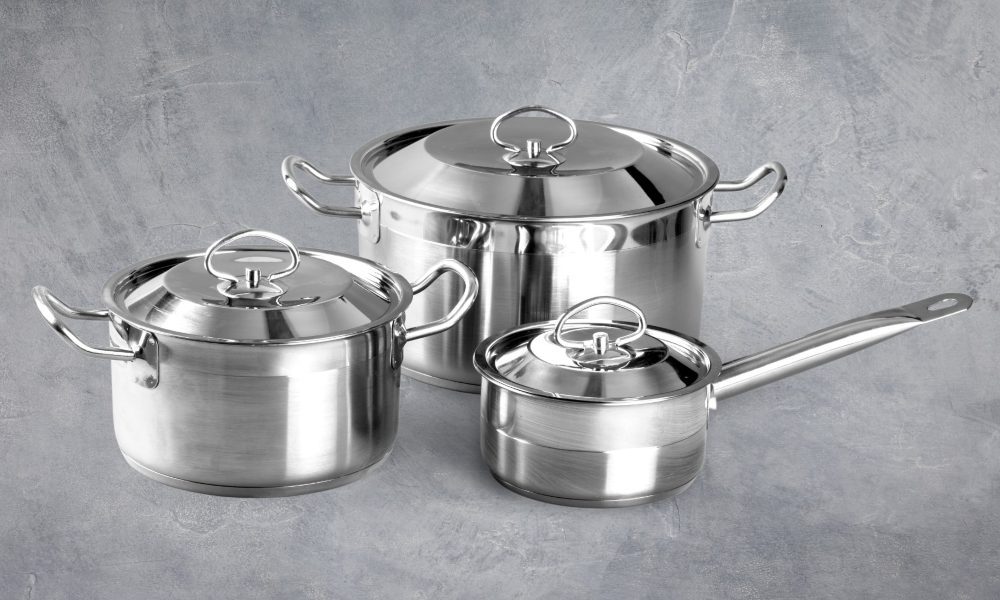
One of the first things I noticed when I held an aluminum pan was its surprising lightness. But don’t be fooled by its weight; aluminum cookware packs a punch in the kitchen.
1. Heat Conductivity
Aluminum is known for its exceptional heat conductivity. This ensures that the pan heats up quickly and distributes that heat evenly, eliminating the annoying hotspots that can cause your food to cook unevenly.
2. Cost Effective
If you’re just starting to build your cookware collection or are on a budget, aluminum is a great choice. It offers excellent value for money without compromising on performance.
3. Versatility
Whether you’re whipping up a quick stir-fry or simmering a sauce, aluminum pans respond well to different cooking needs. Their quick heat responsiveness means you can switch between high and low temperatures with ease.
4. Care Tip
While aluminum is fantastic, it’s prone to scratching and can react with acidic or alkaline foods. Hence, many aluminum pans come with a non-stick coating or are anodized to prevent these issues.
Drawbacks
Prone to Warping: Thin aluminum pans can warp under high heat, affecting their ability to sit flat on a burner and heat evenly.
7. Enameled Cast Iron Cookware – The Timeless Classic
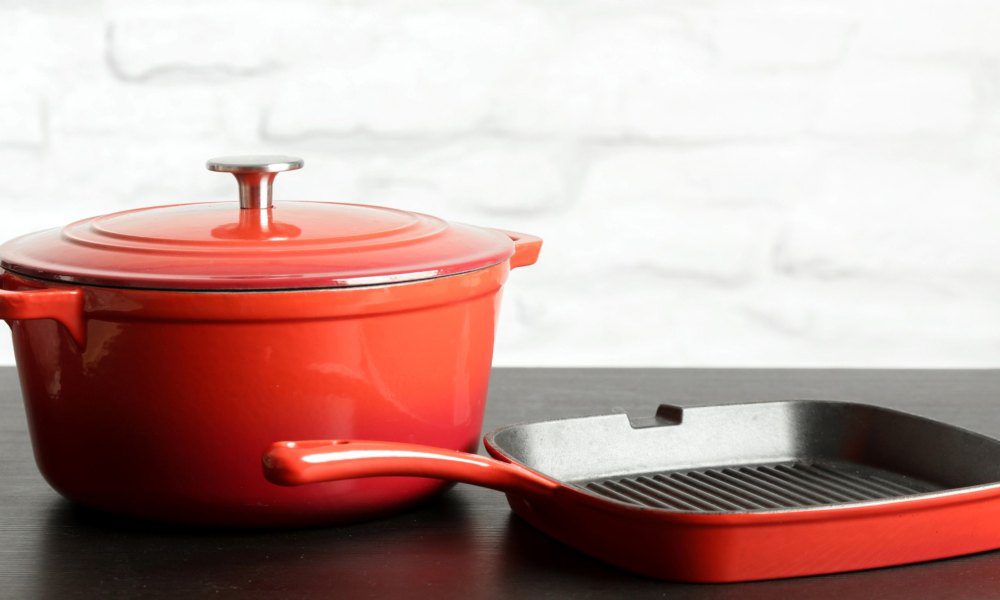
Enameled cast iron is one of those cookware types that exudes class and tradition. It has a timeless appeal, backed by impressive cooking capabilities. Let’s dive into what makes enameled cast iron a gem in the kitchen.
1. Stovetop to Oven
One of the things I love most about enameled cast iron is its ability to transition from stovetop to oven seamlessly. It’s perfect for dishes that need to be seared first and then roasted or baked.
2. High Heat Retention
Enameled cast iron excels at retaining heat due to its excellent thermal conductivity and retention properties. This makes it perfect for various cooking techniques, such as deep-frying at high temperatures or slow-cooking at low heat, ensuring your dishes are cooked to perfection.
3. Low Maintenance
Unlike bare cast iron, which requires specific cleaning and maintenance techniques, enameled cast iron is incredibly easy to clean and maintain. Simply wash it with soap and water, and you’re good to go! Beyond that, there is no need for seasoning or complicated cleaning rituals, making it a convenient choice for busy home cooks.
4. Longevity
When properly cared for, your enameled cast iron cookware can become a cherished family heirloom, passed down from generation to generation. With its durable construction and high-quality enamel coating, you can trust that your cookware will stand the test of time.
In fact, most enameled cast iron products come with a lifetime warranty, providing you with peace of mind and confidence in your investment.
Drawbacks
- Heavy: Enameled cast iron pans can be very heavy, making them more difficult to handle, especially when full.
- Chipping: The enamel coating can chip or crack if the cookware is dropped or banged against hard surfaces.
Frequently Asked Questions – FAQs
1. What materials are common in the best cookware sets?
The best cookware sets are often made from a range of materials, including aluminum, copper, stainless steel, and ceramic. Each material has its unique properties suitable for different cooking needs.
2. Is stainless steel or aluminum better for cookware?
Both stainless steel and aluminum have their merits. Stainless steel is durable and doesn’t react with acidic foods. On the other hand, aluminum heats up quickly and provides even heat distribution. Some of the best cookware sets combine stainless steel and aluminum to leverage the advantages of both.
3. Are nonstick cookware sets recommended?
Yes, nonstick cookware sets are popular due to their easy food-release properties. However, it’s essential to ensure that the nonstick coating is free from harmful chemicals and to avoid overheating them to maintain their integrity.
4. Why is a stainless steel cookware set popular?
Stainless steel cookware sets are favored for their durability, non-reactivity, and aesthetic appeal. They can resist rust and tarnish and are suitable for a variety of cooking techniques.
5. Is Le Creuset a good cookware brand?
Le Creuset is a well-known brand that offers a range of cookware, including enameled cast iron pieces. It’s undeniable that Le Creuset has a solid reputation in the cookware industry.
Conclusion – The Bottom Line!
Determining the best cookware material largely depends on individual cooking needs and preferences. While a stainless steel pan offers durability and non-reactivity, making it versatile for various cooking techniques, those seeking quick and even heat distribution might lean towards aluminum or copper cookware.
Copper, in particular, stands out for its superior heat conduction, but aluminum is often favored for its lightweight nature. Keeping in mind the pros and cons of each material is crucial in making an informed decision.
0 Comments
Most Voted