Wine Cooler Temperature | Ideal Settings Revealed

Your bottle of wine tastes best when stored at the perfect temperature. Whether you’re a casual wine drinker or a serious collector, understanding the importance of proper wine storage is essential to ensuring that your favorite vintages maintain their quality and flavor over time. One of the most critical factors in wine preservation is temperature, and this is where a wine fridge comes into play.
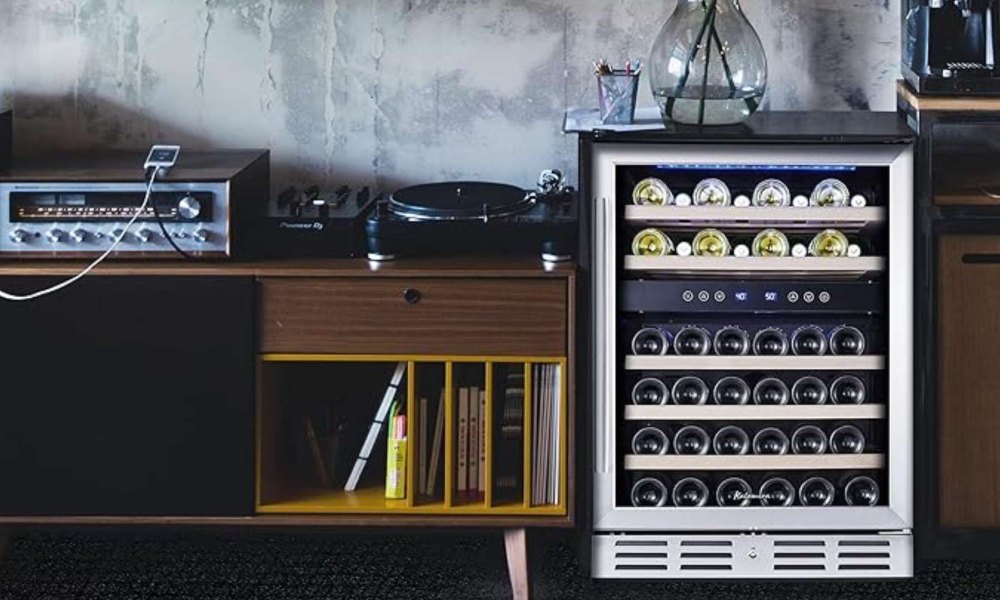
A wine cooler, also known as a wine refrigerator or wine cellar, is designed to provide a stable and controlled environment for your wine collection. By maintaining consistent temperature and humidity levels, a wine cooler can protect your bottles from the harmful effects of light, heat, and vibration, allowing them to age gracefully and retain their unique characteristics.
In this thorough guide, we explore the nuances of wine cooler temperature settings, uncovering the optimal ranges for different wine types and examining the factors that affect temperature stability. Whether you’re a novice investing in your first wine fridge or an experienced collector aiming to perfect your storage conditions, this blog post offers the insights and tools you need to ensure your wine tastes exceptional every time you uncork a bottle.
Understanding Wine Storage Basics
Before we dive into the specifics of wine cooler temperature settings, it’s essential to understand the basic principles of wine storage and the factors that can impact the quality and longevity of your collection.
The Adversaries of Wine
Wine is a delicate and complex beverage that can be easily affected by its storage environment. There are four primary “enemies” of wine that can cause it to deteriorate or lose its flavor over time:
- Light exposure: Ultraviolet light can cause wine to age prematurely and develop unpleasant flavors and aromas.
- Humidity fluctuations: Excessive humidity can lead to mold growth and damage to wine labels, while low humidity can cause corks to dry out and allow air to enter the bottle.
- Vibration: Constant vibration can disturb the sediment in wine and disrupt the aging process, leading to a loss of flavor and aroma.
- Temperature variations: Rapid or extreme changes in temperature can cause the wine to expand and contract, leading to seepage, premature aging, and a loss of quality.
The Benefits of a Wine Cooler
A wine fridge is designed to address these storage challenges and provide a safe and stable environment for your wine collection. By investing in a quality wine cooler, you can enjoy several key benefits:
- Maintaining consistent temperature: A wine cooler is designed to maintain a steady temperature within a specific range, protecting your wine from harmful fluctuations.
- Protecting from light and vibration: Most wine coolers feature solid or UV-resistant doors and vibration-dampening technology to minimize the impact of these harmful factors.
- Controlling humidity levels: Many wine coolers include humidity control features to maintain optimal moisture levels and prevent damage to corks and labels.
- Organizing and showcasing your collection: With adjustable shelves and sleek designs, a wine cooler provides an attractive and functional way to store your wine and show off your favorite bottles.
Types of Wine Coolers
When shopping for a wine fridge, you’ll encounter several different types and configurations to choose from:
- Freestanding units: These standalone coolers can be placed anywhere in your home and are available in a range of sizes and capacities.
- Built-in or under-counter models: Designed to be integrated into your kitchen cabinetry, these coolers offer a seamless and space-saving solution for storing wine.
- Single-zone vs. dual-zone coolers: Single-zone units maintain one consistent temperature throughout, while dual-zone coolers allow you to set different temperatures for red wine and white wine.
- Thermoelectric vs. compressor-based cooling systems: Thermoelectric coolers are quieter and more energy-efficient, while compressor-based systems are more powerful and can maintain lower temperatures.
The Ideal Temperature Range for Wine Storage
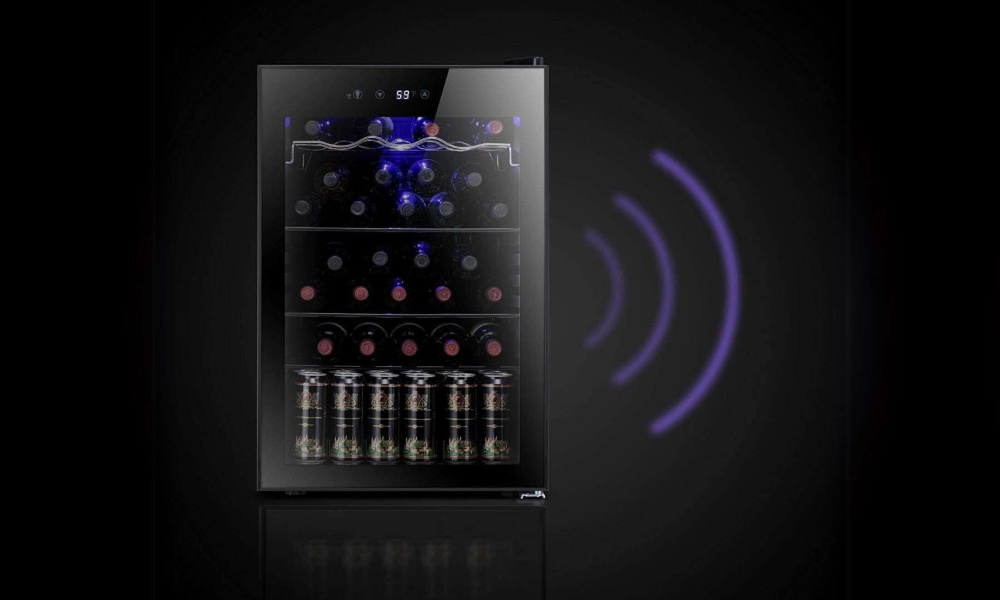
Now that we’ve covered the basics of wine storage, let’s dive into the heart of the matter: the ideal wine cooler temperature settings for different types of wine.
1. General Temperature Guidelines
As a general rule, the ideal storage temperature for most wines falls within the range of 45-65°F (7-18°C). This temperature range is cool enough to slow down the aging process and prevent spoilage, but not so cold that it dulls the wine’s flavors or causes it to become overly tannic.
Within this range, consistency and stability are key. Rapid or frequent temperature fluctuations can be just as damaging as exposure to extreme heat or cold, so it’s important to choose a wine cooler that can maintain a steady temperature over time.
2. Temperature Preferences for Different Wine Types
While the 45-65°F range is a good starting point, the optimal storage temperature can vary depending on the specific type of wine you’re storing:
- Red wines: a. Light-bodied reds (such as Pinot Noir and Beaujolais) are best stored between 55-60°F (12-15°C). b. Full-bodied reds (such as Cabernet Sauvignon and Syrah) can be stored between 60-65°F (15-18°C).
- White wines: a. Light-bodied whites (such as Sauvignon Blanc and Pinot Grigio) are best stored between 45-50°F (7-10°C). b. Full-bodied whites (such as Chardonnay and Viognier) can be stored between 50-55°F (10-12°C).
- Sparkling wines (such as Champagne and Prosecco) should be stored between 40-45°F (4-7°C) to maintain their bubbles and freshness.
- Rosé wines can be stored between 45-55°F (7-12°C), depending on their style and body.
3. The Impact of Temperature on Wine Flavor and Aroma
It’s important to note that the ideal storage temperature for wine is not necessarily the same as the ideal serving temperature. In general, red wines are served slightly below room temperature (around 60-65°F or 15-18°C), while white wines and rosés are served chilled (around 45-55°F or 7-12°C).
Storing wine at the proper temperature helps to preserve its flavor and aroma over time, but serving it at the right temperature can also enhance your drinking experience. When wine is served too cold, its flavors and aromas can be muted or dulled, while serving it too warm can cause it to taste flat or alcoholic.
On the other hand, exposure to excessive heat or cold during storage can cause wine to age prematurely, develop off-flavors, or even spoil completely. This is why maintaining a consistent and appropriate storage temperature is so crucial for the long-term health and quality of your wine cellar.
Setting and Maintaining the Ideal Wine Cooler Temperature
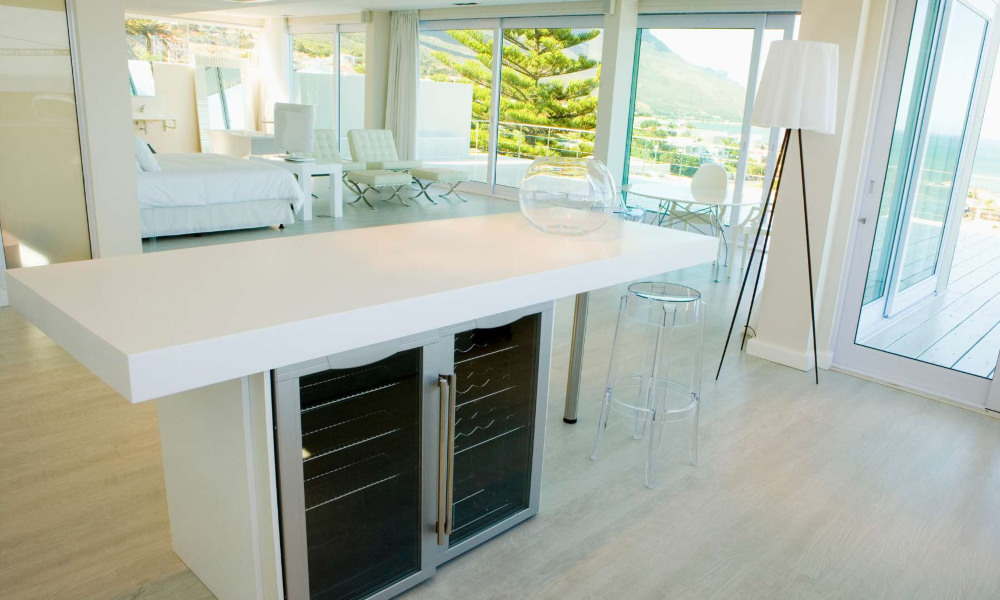
Now that you know the ideal temperature ranges for storing wine, let’s explore some of the factors that can influence temperature stability in your wine fridge and how to maintain the perfect conditions for your collection.
1. Factors Influencing Temperature Stability
Several factors can impact the ability of your wine cooler to maintain a consistent temperature, including:
- Ambient room temperature: The temperature of the room where your wine cooler is located can affect its ability to maintain a steady internal temperature, especially if the room is subject to extreme heat or cold.
- Cooler capacity and fullness: A wine cooler that is too empty or too full may have difficulty maintaining a consistent temperature, as the air inside the unit will circulate differently depending on the amount of space and thermal mass.
- Frequency of door opening: Every time you open your wine cooler door, warm air from the room can enter the unit and disrupt the internal temperature. Frequent or prolonged door opening can lead to temperature fluctuations and potential damage to your wine.
- Cooler location and ventilation: Placing your wine cooler in direct sunlight, near a heat source, or in an area with poor ventilation can impact its ability to maintain a consistent temperature and may lead to premature wear and tear on the cooling system.
2. Adjusting Temperature Settings
To set the ideal temperature for your wine cooler, you’ll need to use the unit’s control panel or thermostat. Most modern wine coolers feature digital displays and intuitive controls that allow you to easily adjust the temperature and monitor the conditions inside the unit.
When adjusting the temperature, it’s important to make gradual changes to avoid shocking your wine. Rapid or extreme temperature fluctuations can cause the wine to expand and contract, potentially leading to seepage or damage to the cork.
If you’re unsure about the accuracy of your wine cooler’s built-in thermometer, you may want to invest in a separate, calibrated thermometer to monitor the temperature inside the unit. Place the thermometer in the center of the cooler, away from the walls or any vents, and check it regularly to ensure that the temperature remains within the desired range.
3. Maintaining Temperature Consistency
To maintain a stable temperature in your wine cooler, there are a few best practices to keep in mind:
- Avoid frequent door opening: Limit the amount of time you spend browsing or rearranging your collection, and only open the door when necessary to add or remove bottles.
- Ensure proper ventilation: Make sure your wine cooler has adequate space around it for air to circulate, and avoid placing it in direct sunlight or near heat sources.
- Store wines in the appropriate zones: If you have a dual-zone wine cooler, be sure to store your wine in the appropriate section based on its ideal storage temperature. This will help to maintain consistency and prevent temperature fluctuations between zones.
4. Monitoring Humidity Settings
Finally, it’s important to regularly monitor the temperature and humidity levels inside your wine cooler and make adjustments as needed to maintain the ideal conditions for your collection.
Use a calibrated thermometer and hygrometer to check the temperature and humidity levels inside the unit, and compare them to the ideal ranges for the types of wine you’re storing. If you notice any significant deviations or fluctuations, adjust the settings on your wine cooler accordingly.
Keep in mind that the ideal humidity range for storing wine is typically between 50-80%, with 70% being the sweet spot for most collections. If the humidity level in your wine cooler is too low, you may need to add a humidification system or place a bowl of water inside the unit to increase moisture levels.
FAQs
1. What is the difference between a wine cooler and a regular refrigerator?
While both appliances are designed to keep food and beverages cold, a wine cooler is specifically designed to maintain the optimal temperature and humidity levels for storing wine. Unlike a regular refrigerator, which can be too cold and dry for wine storage, a wine cooler typically maintains a temperature range of 45-65°F (7-18°C) and a humidity level of 50-80% to prevent cork dry-out and preserve the wine’s flavor and aroma.
2. Can I store red and white wines together in the same wine cooler?
If you have a single-zone wine cooler, it’s best to choose a temperature that works well for the majority of your collection, typically around 55°F (13°C). However, if you have a dual-zone wine cooler, you can store red and white wines separately at their ideal temperatures – typically 60-65°F (15-18°C) for reds and 45-50°F (7-10°C) for whites.
3. How long can I store wine in a wine cooler?
The length of time you can store your wine in a cooler depends on the type of wine and its aging potential. Some wines, such as light-bodied whites and rosés, are meant to be consumed young and may only last a few years in storage. Other wines, such as full-bodied reds and vintage ports, can age for decades when stored at the proper temperature and humidity levels.
4. Do I need to worry about humidity levels in my wine cooler?
Yes, it’s important to monitor and maintain proper humidity levels in your wine cooler to prevent cork dry-out and preserve the quality of your wine. If the humidity level is too low, you may need to add a humidification system or place a bowl of water inside the unit. Regularly checking and adjusting the humidity settings as needed can help ensure that your wine remains in optimal condition for long-term storage. So, it is crucial to keep an eye on the temperature and humidity levels in your wine cooler to ensure that your collection stays safe and well-preserved.
5. Why is it important to avoid temperature fluctuations in a wine cooler?
Temperature fluctuations can cause the wine to expand and contract, which may lead to seepage or damage to the cork. This can expose the wine to oxygen and potentially spoil its flavor and aroma. Consistent temperature control is crucial for preserving your wine collection for long-term storage. By avoiding frequent door openings, ensuring proper ventilation, and monitoring humidity settings, you can maintain a stable temperature in your wine cooler and protect your valuable bottles of wine
Final Thoughts
The ideal wine cooler temperature is a critical factor in ensuring that your wine collection stays in optimal condition for years to come. By understanding the different temperature ranges for various types of wine and the factors that influence temperature stability, you can create the perfect environment for your bottles to age gracefully and maintain their unique flavors and aromas.
Whether you’re a casual wine drinker or a serious collector, investing in a quality wine fridge and taking the time to properly set and maintain the temperature can make a world of difference in the enjoyment and longevity of your collection. By following the tips and guidelines outlined in this blog post, you can be confident that you’re storing your wine at the right temperature for maximum flavor and quality.
Of course, the ideal wine cooler temperature is just one piece of the puzzle when it comes to proper wine storage. Factors such as humidity, light exposure, and vibration can also impact the quality and aging potential of your wine, so it’s important to take a holistic approach to your wine cellar management. So whether you’re savoring a well-aged Bordeaux or sipping a crisp Sauvignon Blanc, remember that the right temperature can make all the difference in your wine-drinking experience.
0 Comments
Most Voted