Tilt-Head vs Bowl Lift | Which Is the Preferred Mixer

12FAQs
In the realm of culinary creativity, few tools are as indispensable as the stand mixer. These kitchen workhorses have revolutionized the way we bake, cook, and experiment with flavors. But as with any tool, the design can make all the difference. Enter the great debate of our time: tilt head vs. bowl lift mixers.
For the uninitiated, this might seem like a trivial distinction. However, ask any passionate home baker or professional chef, and you’ll quickly realize that the choice between a tilt-head mixer and a bowl-lift stand can be as crucial as selecting the perfect ingredients for your signature dish. Each design brings its own set of advantages and quirks to the table, influencing everything from the way you add ingredients to how you tackle heavy dough.
At KD4U, we believe that knowledge is the secret ingredient to culinary success. That’s why we’ve whipped up this comprehensive guide to help you navigate the world of stand mixers. Whether you’re a novice baker looking to invest in your first serious kitchen appliance or a seasoned pro considering an upgrade, we’re here to help you make an informed decision. So, let’s dive in and unravel the mysteries of tilt head and bowl lift mixers, ensuring that your next culinary creation is mixed to perfection.
Stand Mixers – Basics You Must Know!
1. Basic Components
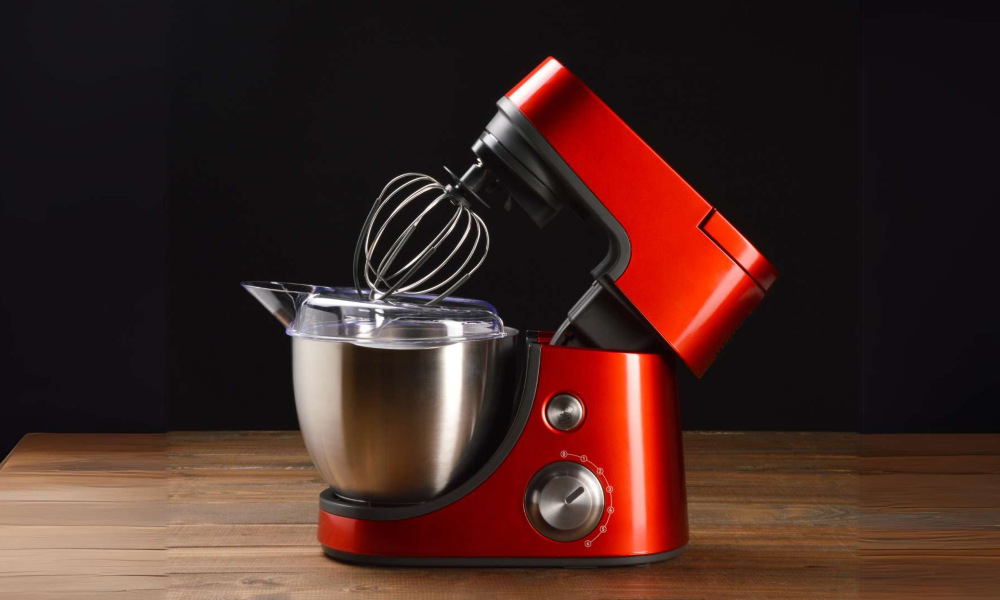
At their core, all stand mixers share similar basic components. The heart of the machine is the motor, which powers the mixing action. Attached to this is the mixing head, which holds the beaters, whisk, or dough hook. The mixing bowl sits below, ready to contain your culinary creations. However, it’s in the design of how these elements interact that we find the key differences between tilt head and bowl lift models.
2. How Stand Mixers Work
Stand mixers operate on a simple principle: the motor rotates the attachment (be it a beater, whisk, or dough hook) within the stationary bowl. This motion incorporates air into batters, creams butter, and sugar, and kneads dough with a consistency and endurance that would make even the most dedicated baker’s arms tired. The ability to add ingredients while the mixer is running is a game-changer for many recipes, allowing for seamless incorporation of components.
3. The Role of Design in Mixer Functionality
The design of a stand mixer isn’t just about aesthetics (though that certainly plays a part in many kitchens). The way a mixer is constructed directly impacts its functionality, ease of use, and even the types of recipes it excels at handling. This is where the distinction between tilt head and bowl lift designs becomes crucial.
Tilt-Head Mixers: A Closer Look
1. Mechanism and Operation
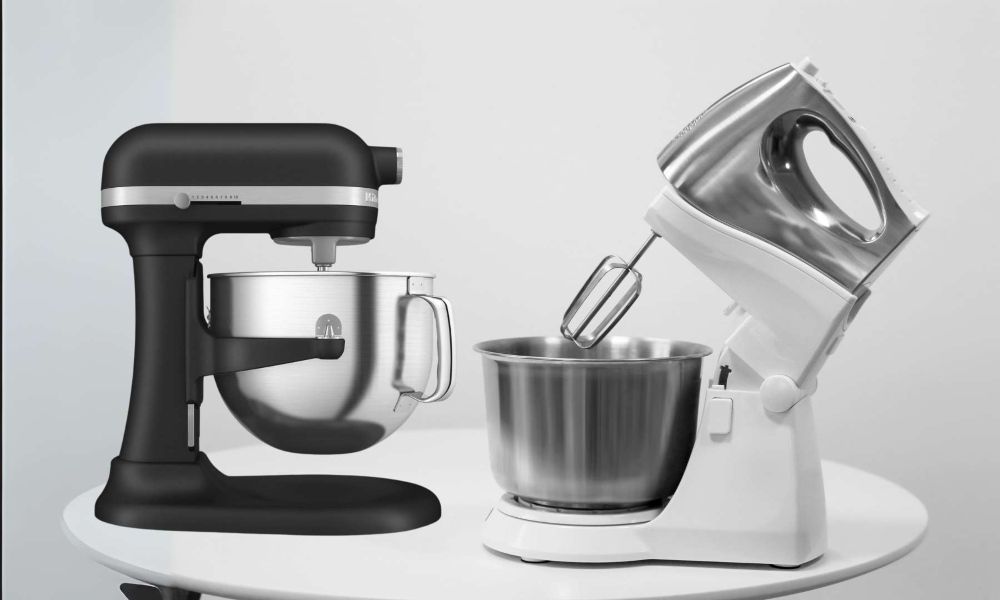
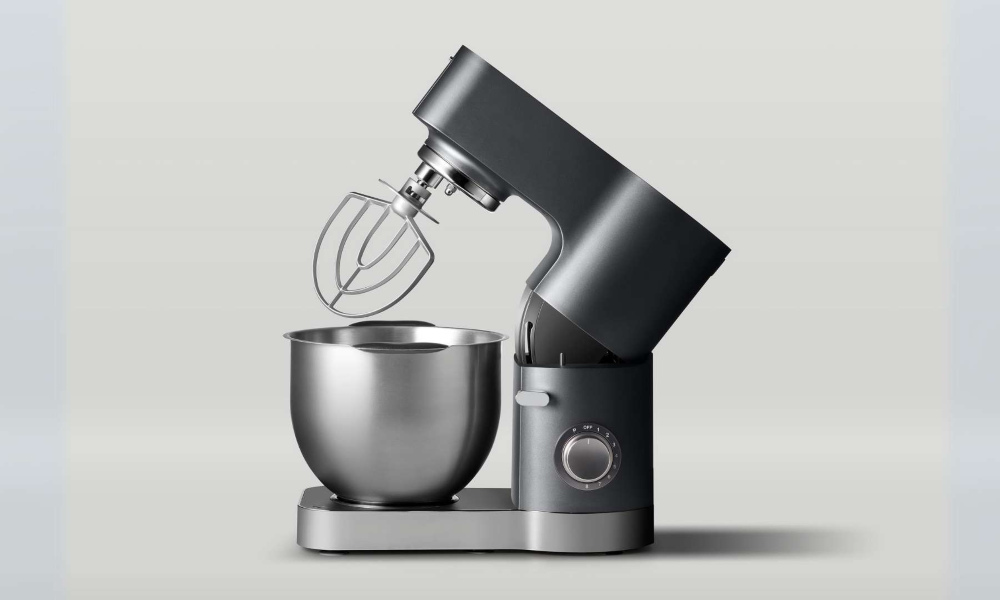
A tilt-head stand mixer, as the name suggests, features a head that tilts back from the base. This design allows easy access to the bowl and attachments. To use it, you simply lift the head, attach your chosen implement, lower the head, and start mixing. When you need to add ingredients or scrape down the sides of the bowl, you can quickly tilt the head back without removing the bowl.
2. Advantages of Tilt-Head Design
One of the primary benefits of a tilt-head mixer is its accessibility. The ability to easily lift the head makes it simple to change attachments or add ingredients mid-mix. This design is particularly user-friendly for those who frequently need to check their mixtures or scrape down the bowl. Tilt head mixers are often more compact, making them a favorite for home bakers with limited counter space.
3. Potential Drawbacks
While tilt head mixers offer great convenience, they do have some limitations. The mechanism that allows the head to tilt can sometimes become less stable over time, especially with heavy use. Additionally, the maximum capacity of tilt head mixers is generally smaller than their bowl lift counterparts, which can be a drawback for those who frequently work with large batches.
4. Ideal Uses and Applications
Tilt head mixers shine in everyday baking tasks. They’re perfect for whipping up cake batters, cookie doughs, and frostings. The easy access makes them ideal for recipes that require frequent additions or checks. For the average home baker, a tilt-head mixer often provides the perfect balance of functionality and convenience.
Bowl Lift Mixers: In-Depth Analysis
1. How Bowl Lift Mixers Function
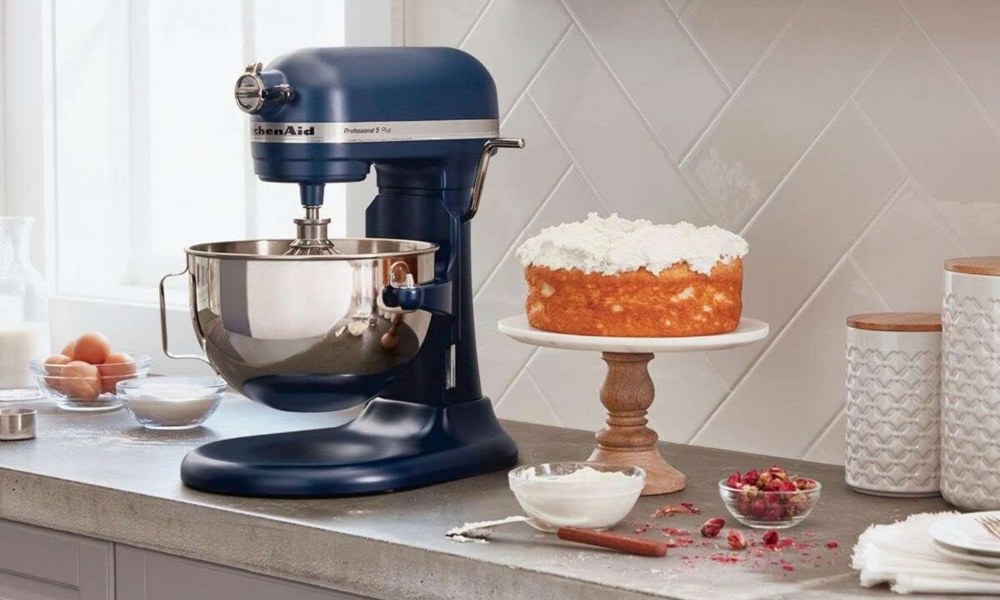
A bowl-lift mixer operates differently. Instead of the head tilting back, the bowl is attached to arms that raise and lower it into position. To use this type of mixer, you attach the bowl to the lift mechanism, secure your chosen attachment to the fixed head, and then use a lever to raise the bowl into the mixing position.
2. Benefits of the Bowl Lift Design
Bowl lift mixers are renowned for their stability, especially when working with heavy doughs. The fixed head provides a sturdy base for mixing, which can be particularly beneficial when kneading bread dough or working with large quantities. These mixers often come with larger bowls, making them suitable for bigger batches. The design also allows for a more powerful motor, as the head doesn’t need to accommodate a tilting mechanism.
3. Limitations to Consider
The trade-off for the stability of a bowl lift mixer is a slight reduction in accessibility. Adding ingredients or scraping the bowl requires lowering the bowl, which can be a bit more time-consuming than simply tilting back the head. Additionally, bowl lift mixers tend to be taller, which might be a consideration if you have limited vertical space in your kitchen.
4. Best Scenarios for Bowl Lift Mixers
Bowl lift mixers excel in scenarios that demand power and capacity. They’re often the go-to choice for serious bakers who regularly work with bread doughs, large batches of cookies, or multiple cakes. In professional settings, the durability and capacity of bowl lift mixers make them indispensable workhorses.
Power and Performance Comparison
1. Motor Strength and Durability
When it comes to raw power, bowl lift mixers often have the edge. Their design allows for larger, more powerful motors without compromising stability. However, many high-end tilt head mixers now offer comparable power, closing the gap in this area. The KitchenAid stand mixer, available in both designs, is known for its robust motors regardless of the style.
2. Mixing Efficiency and Consistency
Both styles can achieve excellent mixing results, but their efficiency can vary depending on the task. Tilt head mixers often excel at incorporating air into batters and creams, making them great for cakes and frostings. Bowl lift mixers, with their powerful motors and stable design, are particularly effective at handling dense doughs and large quantities.
3. Noise Levels During Operation
Noise levels can vary significantly between models and brands rather than being strictly tied to the tilt head or bowl lift design. However, the more powerful motors often found in bowl lift mixers can sometimes result in slightly higher noise levels during operation.
4. Energy Consumption
Energy consumption is generally more related to the power of the motor than the specific design of the mixer. However, the efficiency of use can play a role. If a tilt-head mixer allows you to complete tasks more quickly due to easier access, it might result in lower overall energy use for some recipes.
Capacity and Versatility
1. Bowl Sizes and Maximum Capacities
Bowl lift mixers typically offer larger capacities, with bowls often ranging from 5 to 7 quarts or more. Tilt head mixers usually come with bowls in the 4.5 to 5-quart range, though some models offer larger options. The KitchenAid mixer line, for instance, offers various sizes in both designs to cater to different needs.
2. Compatibility with Various Attachments
Both tilt head and bowl lift mixers can accommodate a wide range of attachments, from dough hooks to pasta makers. The compatibility is often more brand-specific than design-specific. However, the stability of bowl lift mixers can sometimes give them an edge when using attachments that require more power or put more stress on the machine.
3. Handling Different Types of Ingredients and Recipes
While both designs can handle a variety of tasks, they each have their strengths. Tilt head mixers often excel at lighter tasks like whipping cream or beating egg whites, thanks to their easy access for scraping and checking consistency. Bowl lift mixers, with their powerful motors and sturdy design, are particularly adept at handling heavy doughs and large batches.
Ease of Use and Ergonomics
1. Accessibility of the Mixing Bowl
Tilt head mixers generally offer easier access to the bowl and attachments. The ability to simply lift the head makes it quick and easy to add ingredients, scrape down the bowl, or change attachments. Bowl lift mixers require lowering the bowl to access it fully, which can be slightly more time-consuming but offers greater stability during mixing.
2. Comfort During Prolonged Use
For extended baking sessions, the ergonomics of each design can make a difference. Tilt head mixers often require less effort to check on your mixture or add ingredients, which can be beneficial during long baking marathons. However, the stability of bowl lift mixers can reduce vibration and movement during heavy-duty tasks, potentially reducing fatigue.
3. Cleaning and Maintenance Considerations
Both designs require regular cleaning and maintenance to ensure longevity. Tilt head mixers might have a slight edge in ease of cleaning, as the ability to tilt the head back allows for easy access to all parts of the bowl and attachments. However, bowl lift mixers often feature removable bowls that are dishwasher safe, which can simplify cleanup for large batches.
Space Efficiency and Storage
1. Countertop Footprint Comparison
Tilt head mixers generally have a smaller footprint on your countertop, making them a popular choice for kitchens with limited space. Bowl lift mixers, while often larger, can sometimes tuck more easily under cabinets due to their fixed head design.
2. Height Considerations for Under-Cabinet Storage
When it comes to storage, height is a crucial factor. Tilt head mixers are typically shorter when the head is down, but require more vertical clearance when the head is tilted back. Bowl lift mixers are taller overall but maintain a consistent height, which can be advantageous if you plan to store your mixer under kitchen cabinets.
3. Portability and Weight Factors
Tilt head mixers are often lighter and more portable, making them easier to move around the kitchen or store away when not in use. Bowl lift mixers, with their larger capacity and more powerful motors, tend to be heavier and less portable, but this weight contributes to their stability during use.
Aesthetic Appeal and Design Options
1. Visual Impact in Kitchen Decor
Both tilt head and bowl lift mixers can be stunning additions to your kitchen decor. Tilt head mixers often have a more compact, streamlined appearance that can blend seamlessly into various kitchen styles. Bowl lift mixers, with their professional look, can make a bold statement and serve as a focal point in your kitchen.
2. Color and Finish Varieties
The availability of colors and finishes is more brand-dependent than design-dependent. Many manufacturers offer a wide range of colors for both tilt head and bowl lift models. For example, the popular KitchenAid stand mixer comes in a rainbow of colors in both designs, allowing you to match your mixer to your kitchen aesthetic perfectly.
3. Modernist vs. Classic Design Preferences
Tilt head mixers often have a more retro or classic look, appealing to those who prefer a vintage kitchen aesthetic. Bowl lift mixers, with their professional appearance, often appeal to those looking for a more modern or industrial kitchen vibe. However, with the variety of designs available today, you can find mixers of both types to suit any style preference.
Price Points and Value Proposition
1. Average Cost Comparison
Generally, bowl lift mixers tend to be more expensive than their tilt head counterparts, reflecting their larger capacity and often more powerful motors. However, high-end tilt head mixers can be priced comparably to entry-level bowl lift models. The price range for both types can vary significantly based on brand, capacity, and features.
2. Long-Term Investment Perspective
When considering the cost, it’s important to think long-term. While bowl lift mixers might have a higher upfront cost, their durability, and capacity can make them a worthwhile investment for serious bakers or those who frequently cook in large batches. Tilt head mixers, while potentially less expensive, can still offer excellent value, especially for everyday home use.
3. Warranty and Durability Factors
Both types of mixers can be highly durable, with many users reporting decades of use from well-maintained machines. Warranty terms are typically more brand-specific than design-specific, so it’s worth checking the details when making your decision. Look for mixers with solid warranties and good customer support to ensure your investment is protected.
Professional vs. Home Use
1. Commercial Kitchen Requirements
In professional settings, bowl lift mixers are often the preferred choice. Their larger capacity, powerful motors, and sturdy design make them well-suited to the demands of commercial kitchens. Many commercial-grade mixers are bowl lift models, designed to handle constant use and large batches.
2. Home Baker Preferences
For home use, preferences can vary widely. Many home bakers prefer tilt head mixers for their ease of use and compact design. However, serious home bakers or those who frequently entertain might opt for a bowl lift mixer to handle larger batches and more demanding recipes.
3. Frequency of Use Considerations
If you’re an occasional baker, a tilt-head mixer might suit your needs perfectly. Its ease of use and storage can make it ideal for bringing out a few times a month. For those who bake daily or work with heavy dough regularly, the durability and capacity of a bowl lift mixer might be more appropriate.
Mixing Techniques and Recipe Adaptations
1. How Design Affects Mixing Methods
The design of your mixer can influence your mixing techniques. With a tilt-head mixer, you might find yourself frequently lifting the head to scrape down the sides or check the consistency. Bowl lift mixers might require you to stop and lower the bowl more often, but their stability can allow for the hands-off mixing of heavier doughs.
2. Adjusting Recipes for Different Mixer Types
Some recipes might need slight adjustments depending on your mixer type. For instance, you might need to increase mixing times slightly with a tilt-head mixer when working with very stiff doughs. Conversely, the powerful motor of a bowl lift mixer might require shorter mixing times for delicate batters to avoid over-mixing.
3. Expert Tips for Optimal Results with Each Design
For tilt head mixers:
- Use the splash guard to add ingredients easily while mixing
- Take advantage of the tilt feature to scrape down the bowl frequently
- Start at lower speeds to avoid ingredient splatter
For bowl lift mixers:
- Use the lever to adjust bowl height for perfect beater-to-bowl clearance
- Take advantage of the powerful motor for heavy dough
- Use the pouring shield to add ingredients in a controlled manner
FAQs
1. Which type of stand mixer is better for making bread dough?
A: Bowl lift mixers are generally more suitable for making bread dough due to their more powerful motors and larger capacity. They are designed to handle heavy, dense dough efficiently, making them a preferred choice for tasks requiring more power.
2. Are tilt head mixers easier to clean than bowl lift mixers?
A: Both types of mixers are relatively easy to clean, but tilt-head mixers might offer a slight edge in terms of convenience. The tilt-head design allows easy access to the bowl and attachments, making it simpler to scrape down the sides and clean the interior.
3. Can attachments from one model type be used on another?
A: Attachments are often model-specific, so it’s essential to check compatibility. Many manufacturers design attachments that fit both tilt head and bowl lift mixers of the same brand, but it’s always best to verify before purchasing additional accessories.
4. What should I consider when choosing between a tilt head and a bowl lift mixer?
A: Consider factors such as your typical batch size, the types of recipes you frequently make, available kitchen space, and your aesthetic preference. Tilt head mixers are great for smaller batches and ease of use, while bowl lift mixers excel in power and capacity for larger projects.
5. Do stand mixers come with a warranty, and what does it typically cover?
A: Most stand mixers come with a warranty, but the terms can vary by brand. Warranties typically cover defects in materials and workmanship for a specified period. It’s important to review the warranty details and ensure good customer support to protect your investment.
Final Thoughts
Choosing between a tilt head and a bowl lift mixer ultimately depends on your specific baking needs, kitchen space, and usage frequency. Tilt head mixers offer the convenience of easy access and are typically more compact, making them ideal for casual bakers or those with limited space.
On the other hand, bowl lift mixers provide robust power and larger capacities, which are essential for professional kitchens or avid home bakers tackling heavy dough and large batches. Both types of mixers have their advantages, and recent technological advancements have further enhanced their functionality and versatility.
Regardless of the type you choose, investing in a quality stand mixer tailored to your needs can elevate your baking experience, providing consistency, efficiency, and enjoyment in your culinary endeavors. Remember to consider warranty and customer support when making your decision to ensure a reliable product that will serve you well for years to come. Happy baking!
0 Comments
Most Voted