Best French Press Coffee Beans | Find Your Match

Coffee lovers around the world know that the perfect cup of joe starts with the right beans. For those who swear by the rich, full-bodied flavor of French press coffee, selecting the ideal beans can make all the difference between a mediocre morning brew and a transcendent coffee experience. But with countless options available, how do you find the perfect match for your palate and brewing method?
Enter the world of French press coffee beans, where the journey to your ideal cup begins. From the misty mountains of Colombia to the sun-drenched plains of Ethiopia, coffee growers cultivate beans with distinct flavors and aromas that shine when brewed in a French press. The beauty of this brewing method lies in its simplicity and ability to extract the full spectrum of flavors from your chosen beans.
In this comprehensive guide, we’ll explore the nuances of selecting the best coffee beans for your French press. We’ll delve into the characteristics that make certain beans excel in this brewing method, review top picks from around the globe, and provide expert tips to help you elevate your coffee game.
Understanding the French Press Method
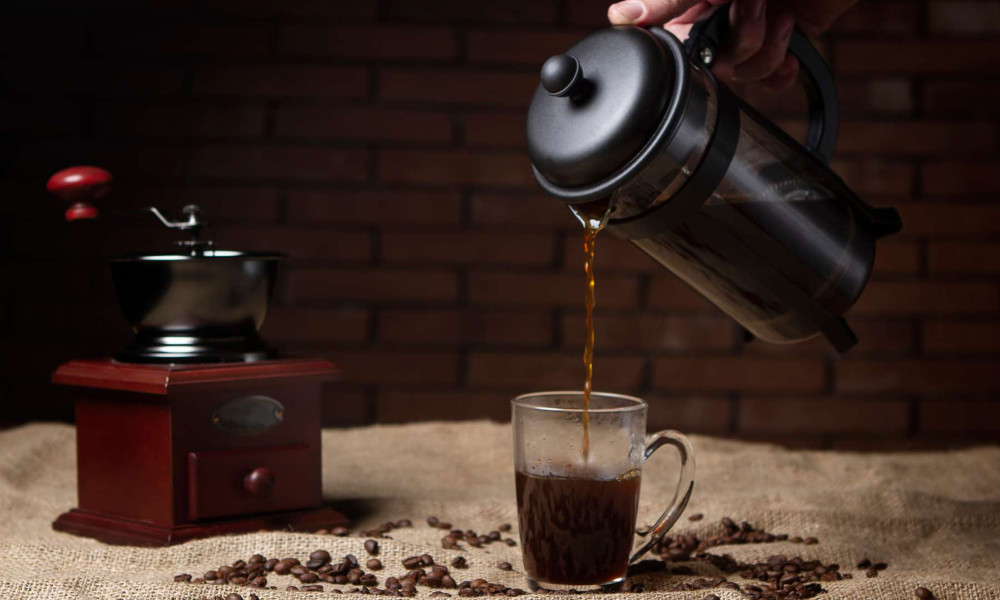
The French press, also known as a press pot or plunger pot, is a simple yet effective brewing method that has captivated coffee enthusiasts for generations. Its popularity stems from its ability to produce a rich, full-bodied cup of coffee with minimal effort and equipment. To truly appreciate why bean selection is crucial for French press brewing, it’s essential to understand how this method differs from other brewing techniques.
How French Press Differs from Other Brewing Techniques
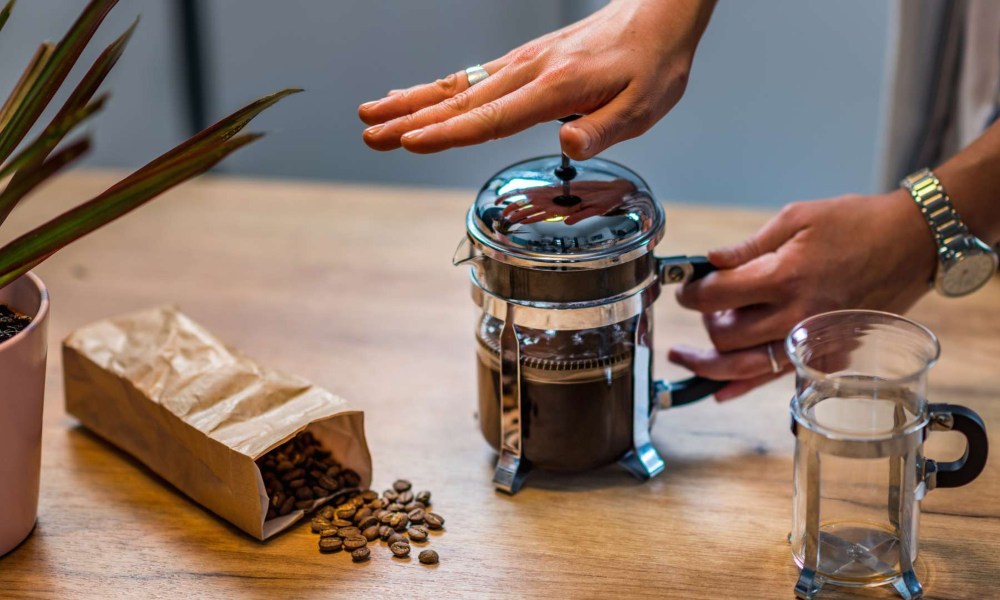
Unlike drip coffee makers or espresso machines, the French press relies on full immersion brewing. Coarsely ground coffee is steeped in hot water for several minutes, allowing for a thorough extraction of flavors and oils. The plunger, fitted with a metal mesh filter, is then pressed down to separate the grounds from the liquid, resulting in a robust brew with a heavier body compared to other methods.
This process preserves more of the coffee’s natural oils and fine particles, which contribute to the characteristic full flavor and slightly cloudy appearance of French press coffee. The lack of paper filters means that more of the coffee’s essential oils and subtle flavors are retained in the final brew, offering a more complex and nuanced taste experience.
Why Bean Selection Matters for French Press
The choice of coffee beans is particularly important for French press brewing because this method highlights both the strengths and weaknesses of the beans used. The extended contact time between water and coffee grounds means that the subtle flavor notes and inherent characteristics of the beans are more pronounced in the final brew.
High-quality beans with complex flavor profiles can truly shine in a French press, allowing you to appreciate their full range of tastes and aromas. Conversely, lower-quality beans or those not well-suited to this brewing method may result in an overly bitter or flat-tasting coffee. The right beans can make the difference between a mediocre brew and an exceptional coffee experience that tantalizes your taste buds and starts your day on the perfect note.
The Ideal Grind: Coarse is King
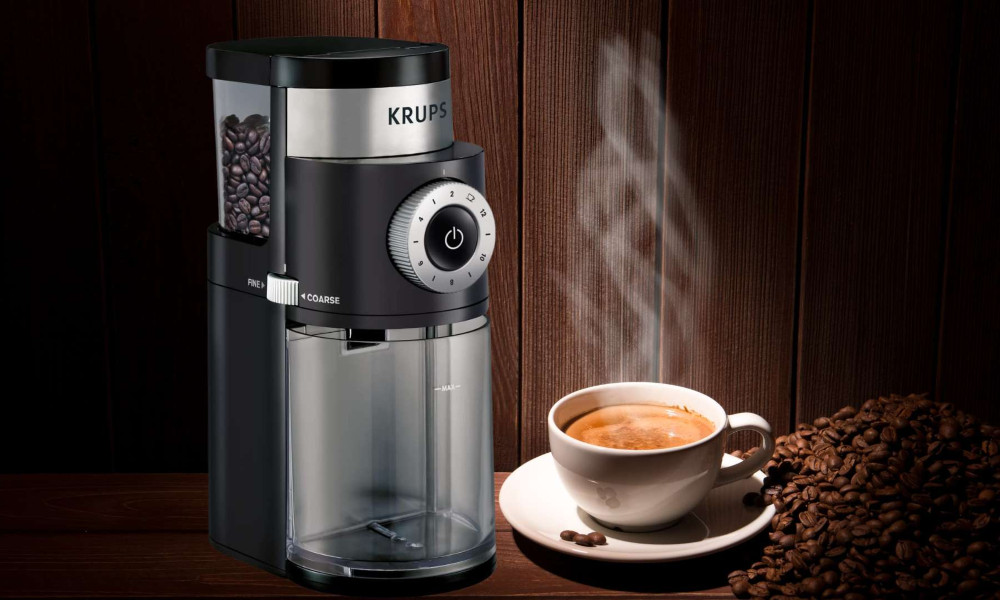
When it comes to French press brewing, the grind size of your coffee beans plays a crucial role in determining the quality of your brew. The ideal grind for French press is coarse, resembling the texture of sea salt or raw sugar. This coarse grind is essential for several reasons and can significantly impact your coffee taste.
1. Importance of Grind Size for French Press
The coarse grind is crucial for French press brewing due to the method’s extended steeping time and the design of the plunger filter. A coarse grind allows for optimal extraction without over-extracting, which can lead to bitterness. It also prevents fine particles from slipping through the metal mesh filter, reducing sediment in your cup and avoiding a gritty texture.
Using the correct grind size ensures:
- Proper extraction of flavors and oils
- Easier plunging with less resistance
- Cleaner cup with minimal sediment
- Balanced flavor without excessive bitterness
2. Tips for Achieving the Perfect Coarse Grind
To achieve the ideal coarse grind for your French press, consider the following tips:
- Invest in a quality burr grinder: Burr grinders offer more consistent grind sizes compared to blade grinders, ensuring a uniform coarse grind.
- Grind just before brewing: Freshly ground coffee preserves more flavors and aromas, enhancing your brewing experience.
- Experiment and adjust: Start with a coarse grind and adjust slightly finer or coarser based on your taste preferences and the specific beans you’re using.
- Maintain your grinder: Regular cleaning and maintenance of your grinder will ensure consistent results over time.
- Consider pre-ground options: If you don’t have access to a grinder, look for coffee specifically ground for French press brewing.
By paying attention to your grind size and following these tips, you’ll be well on your way to brewing the perfect French press coffee that showcases the best qualities of your chosen beans.
Roast Profiles for French Press
The roast level of your coffee beans can significantly impact the flavor profile of your French press brew. Different roast profiles can highlight various aspects of the coffee, from bright acidity to deep, chocolatey notes. Understanding how roast affects flavor can help you choose the best beans for your taste preferences.
1. Light vs. Medium vs. Dark Roasts
Light Roasts: Light roasts are characterized by their light brown color and lack of oil on the bean surface. These roasts often retain more of the coffee’s original flavors, showcasing:
- Bright acidity
- Floral and fruity notes
- Higher caffeine content
- Lighter body
In a French press, light roasts can produce a complex and nuanced brew, but may sometimes lack the body that some prefer in this brewing method.
Medium Roasts: Medium roasts strike a balance between preserving the bean’s original characteristics and developing deeper flavors through the roasting process. They typically offer:
- Balanced acidity and body
- Caramel or nut-like sweetness
- Rounded flavor profile
- Moderate caffeine content
Many coffee enthusiasts find that medium roasts work exceptionally well in a French press, providing a full-bodied brew with a good balance of flavors.
Dark Roasts: Dark roasts are known for their deep brown or almost black color and oily surface. These roasts develop flavors through the roasting process itself, resulting in:
- Low acidity
- Bold, rich flavors
- Notes of chocolate, nuts, and caramel
- Fuller body
- Lower caffeine content
Dark roasts can produce a robust and full-bodied French press coffee, which many traditionalists prefer. However, they may mask some of the bean’s subtle flavor notes.
2. How Roast Affects Flavor in French Press Brewing
The French press method tends to accentuate the characteristics of different roasts:
- Extraction: Darker roasts extract more quickly due to their more porous structure, while lighter roasts may require slightly longer steeping times.
- Body: Darker roasts often produce a fuller-bodied brew in a French press, while lighter roasts may result in a cleaner, tea-like consistency.
- Flavor complexity: Lighter roasts can showcase more complex and varied flavors in a French press, while darker roasts provide deeper, more uniform tastes.
- Bitterness: Over-extraction is more noticeable with darker roasts, potentially leading to increased bitterness if not brewed carefully.
When selecting beans for your French press, consider your personal preferences in terms of flavor profile, body, and complexity. Experimenting with different roast levels can help you find the perfect match for your palate and elevate your french press brew experience.
Single Origin vs. Blends: Which Works Best?
When choosing coffee beans for your French press, you’ll often encounter two main categories: single-origin coffees and blends. Both have their merits and can produce excellent results in a French press, but understanding their characteristics can help you make an informed decision based on your preferences.
1. Single Origin Coffees
Single-origin coffees come from one specific geographic location, which could be a country, region, or even a single farm. These coffees offer a unique taste experience that reflects the terroir, processing methods, and varietals of their origin.
Pros of single origin for French press:
- Distinct flavor profiles that showcase the bean’s origin
- Opportunity to explore and appreciate regional characteristics
- Often higher quality due to traceability and specialty focus
- Ideal for coffee enthusiasts who enjoy variety and exploring different tastes
Cons of single origin for French press:
- May lack complexity compared to well-crafted blends
- Flavors can be more pronounced, which might not suit all palates
- Seasonal availability can limit consistent access to favorites
2. Coffee Blends
Blends combine beans from different origins to create a balanced and consistent flavor profile. Skilled roasters create blends to achieve specific taste characteristics or to maintain a consistent flavor year-round.
Pros of blends for French press:
- Balanced flavor profiles that can appeal to a wider range of tastes
- Consistent flavor throughout the year
- Often designed to pair well with milk, making them versatile for various preparations
- Can offer more complex flavor combinations
Cons of blends for French press:
- May lack the unique characteristics of single-origin coffees
- Quality can vary depending on the blend components
- Less transparency about the specific origins of the beans
3. Recommended Single Origins and Blends
For those who prefer single-origin coffees in their French press, consider trying:
- Ethiopian Yirgacheffe: Known for its bright, floral notes and medium body
- Colombian Supremo: Offers a well-balanced cup with mild acidity and nutty undertones
- Sumatra Mandheling: Delivers a full-bodied brew with earthy, herbal notes
For blend enthusiasts, look for:
- Breakfast Blend: Often a mix of Latin American beans, providing a bright and smooth start to the day
- French Roast Blend: Typically a dark roast blend that produces a bold, robust cup
- Espresso Blend: Despite the name, these blends can work well in a French press, offering rich, complex flavors
Remember that the best choice between single origin and blends ultimately depends on your personal taste preferences and the specific characteristics you enjoy in your French press brew. Don’t be afraid to experiment with both types to find your perfect match.
Top 5 French Press Coffee Beans
Choosing the right beans can elevate your French press coffee from good to exceptional. Here are five top picks that shine when brewed in a French press, each offering a unique flavor profile and brewing experience.
1. Sumatra Mandheling
Origin: Indonesia Roast: Medium-Dark
Flavor Profile:
- Full-bodied with a smooth, syrupy texture
- Notes of cedar, herbs, and dark chocolate
- Low acidity with a long, pleasant finish
Brewing Recommendation: Use a slightly longer steeping time (4-5 minutes) to fully extract the complex flavors. The French press method beautifully showcases the bean’s rich, earthy character.
2. Ethiopian Yirgacheffe
Origin: Ethiopia Roast: Light to Medium
Flavor Profile:
- Bright and complex with a light to medium body
- Floral aroma with notes of citrus and berries
- Distinctive wine-like acidity
Brewing Recommendation: Steep for 3-4 minutes to preserve the delicate floral notes. The French press allows the bean’s unique flavors to shine without overwhelming its subtle complexities.
3. Colombia Supremo
Origin: Colombia Roast: Medium
Flavor Profile:
- Well-balanced with a smooth, clean taste
- Notes of caramel, nuts, and subtle fruit
- Medium acidity and body
Brewing Recommendation: A 4-minute steep time works well to extract the balanced flavors. The French press method enhances the bean’s natural sweetness and nutty undertones.
4. Guatemala Antigua
Origin: Guatemala Roast: Medium to Dark
Flavor Profile:
- Rich and full-bodied with a velvety texture
- Notes of chocolate, spice, and subtle smokiness
- Balanced acidity with a long, smooth finish
Brewing Recommendation: Steep for 4 minutes to fully develop the complex flavors. The French press brings out the bean’s rich character and smooth mouthfeel.
5. Kenya AA
Origin: Kenya Roast: Medium
Flavor Profile:
- Bold and vibrant with a wine-like acidity
- Notes of blackcurrant, citrus, and a hint of tomato
- Full-bodied with a crisp, clean finish
Brewing Recommendation: A 3-4 minute steep time works well to balance the bold flavors and acidity. The French press method allows the bean’s unique characteristics to shine through.
Each of these beans offers a distinct coffee taste when brewed in a French press, catering to different preferences and palates. Experimenting with these top picks can help you find your perfect match and elevate your coffee experience. Remember to adjust your brewing parameters slightly based on your personal taste and the specific beans you’re using.
Exploring Bean Origins for French Press
The origin of coffee beans plays a significant role in determining their flavor profile and how they perform in a French press. Different regions around the world produce beans with unique characteristics, influenced by factors such as climate, soil, altitude, and processing methods. Let’s explore some of the most popular coffee-growing regions and how their beans fare in French press brewing.
South American Beans
South America is home to some of the world’s most renowned coffee-growing countries, producing beans that often work exceptionally well in a French press.
Brazil:
- Flavor Profile: Low acidity, full body, nutty and chocolatey notes
- French Press Performance: Produces a smooth, rich brew with a pleasant sweetness
Colombia:
- Flavor Profile: Well-balanced, medium acidity, caramel sweetness
- French Press Performance: Creates a clean, flavorful cup with a satisfying mouthfeel
Peru:
- Flavor Profile: Mild, slightly sweet with notes of nuts and fruit
- French Press Performance: Offers a gentle, approachable brew with subtle complexity
African Beans
African coffees are known for their bright, complex flavors and often shine in a French press, showcasing their unique characteristics.
Ethiopia:
- Flavor Profile: Bright acidity, floral and fruity notes, wine-like qualities
- French Press Performance: Produces a vibrant, aromatic brew with distinct flavor notes
Kenya:
- Flavor Profile: Bold, wine-like acidity, fruity notes (often blackcurrant)
- French Press Performance: Creates a lively, full-bodied cup with pronounced flavors
Rwanda:
- Flavor Profile: Bright acidity, notes of citrus and florals, often with a tea-like quality
- French Press Performance: Offers a clean, crisp brew with delicate flavor nuances
Asian Beans
Asian coffees, particularly those from Indonesia, are prized for their full body and earthy flavors, which can create impressive results in a French press.
Sumatra:
- Flavor Profile: Low acidity, full body, earthy and herbal notes
- French Press Performance: Produces a rich, syrupy brew with complex undertones
Java:
- Flavor Profile: Medium to full body, earthy with a hint of spice
- French Press Performance: Creates a bold, flavorful cup with a smooth finish
India:
- Flavor Profile: Full-bodied, low acidity, often with spicy or woody notes
- French Press Performance: Offers a robust brew with deep, lingering flavors
When selecting beans from different origins for your French press, consider how their characteristics align with your taste preferences. South American beans often provide a balanced, approachable brew, while African beans can offer more vibrant and complex flavors. Asian beans, particularly those from Indonesia, are excellent choices for those who enjoy a full-bodied, earthy cup.
Final Thoughts
As we’ve explored throughout this guide, selecting the right coffee beans for your French press is a journey of discovery that can significantly enhance your daily coffee experience. From understanding the unique characteristics of the French press brewing method to exploring various bean origins, roast profiles, and ethical considerations, there’s a world of flavor waiting to be unlocked in your kitchen.
Remember that the best coffee for French press brewing is ultimately a matter of personal preference. Whether you prefer the bold, earthy notes of a Sumatran bean or the bright, fruity flavors of an Ethiopian Yirgacheffe, the French press method allows you to fully appreciate the unique qualities of your chosen beans.
To truly elevate your French press experience:
- Experiment with different beans and roasts to find your perfect match.
- Pay attention to grind size, ensuring a coarse, consistent grind for optimal extraction.
- Consider investing in a quality burr grinder to make coffee with freshly ground beans.
- Store your beans properly to maintain their freshness and flavor.
- Don’t be afraid to adjust your brewing parameters, such as steeping time and water temperature, to suit your taste preferences.
So, grab your French press, choose your beans wisely, and embark on a flavorful adventure that will transform your morning routine into a truly exceptional coffee experience.
0 Comments
Most Voted