Damascus Steel Knives | Sharpen Your Knowledge

In the world of culinary artistry and outdoor adventures, few tools captivate the imagination quite like Damascus steel knives. These blades, with their mesmerizing patterns and legendary reputation, have become the holy grail for knife enthusiasts and professionals alike. But what lies beneath the surface of these stunning creations?
At KD4U, we believe that true appreciation comes from understanding. That’s why we’ve crafted this comprehensive guide to Damascus steel knives. From their mysterious origins to the cutting-edge techniques used in modern production, we’ll unravel the secrets that make these blades so special.
Whether you’re a seasoned chef looking to upgrade your kitchen arsenal or a curious collector seeking to expand your knowledge, this journey through the world of Damascus Steel will sharpen your expertise and ignite your passion. So, let’s dive in and discover why these knives have been capturing hearts and minds for centuries.
Damascus Steel
1. Ancient Origins in the Middle East
The story of Damascus Steel begins in the mists of time, with roots tracing back to the Middle East during the medieval period. Legend has it that these blades were first forged in the Syrian city of Damascus, lending their name to this remarkable material. Crusaders returning from the Holy Land spoke of swords so sharp they could cleave a silk scarf in midair or cut through rock without losing their edge.
2. Lost Techniques and Rediscovery
For centuries, the exact method of creating true Damascus steel remained a closely guarded secret. As empires rose and fell, the knowledge of its production was lost to history. This disappearance only added to the mystique surrounding these blades, turning them into objects of fascination for metallurgists and historians alike.
In recent decades, modern smiths and scientists have worked tirelessly to unravel the mysteries of Damascus steel. While the original technique may never be fully recovered, contemporary methods have allowed us to create blades that capture the essence and beauty of their ancient counterparts.
3. Myths and Misconceptions
As with any legend, the tale of Damascus Steel has accumulated its fair share of myths. Some claim these blades could cut through gun barrels or heal themselves. While these stories make for great entertainment, the truth of Damascus Steel is no less impressive. The reality lies in the unique combination of materials and forging techniques that result in a blade of exceptional quality and distinctive appearance.
The Science of Damascus Steel
1. Metallurgical Composition
At its core, Damascus steel is a type of high-carbon steel known for its exceptional hardness and ability to hold a keen edge. The secret lies in the careful blending of different steel alloys, each chosen for specific properties they bring to the final product.
2. Unique Pattern Formation
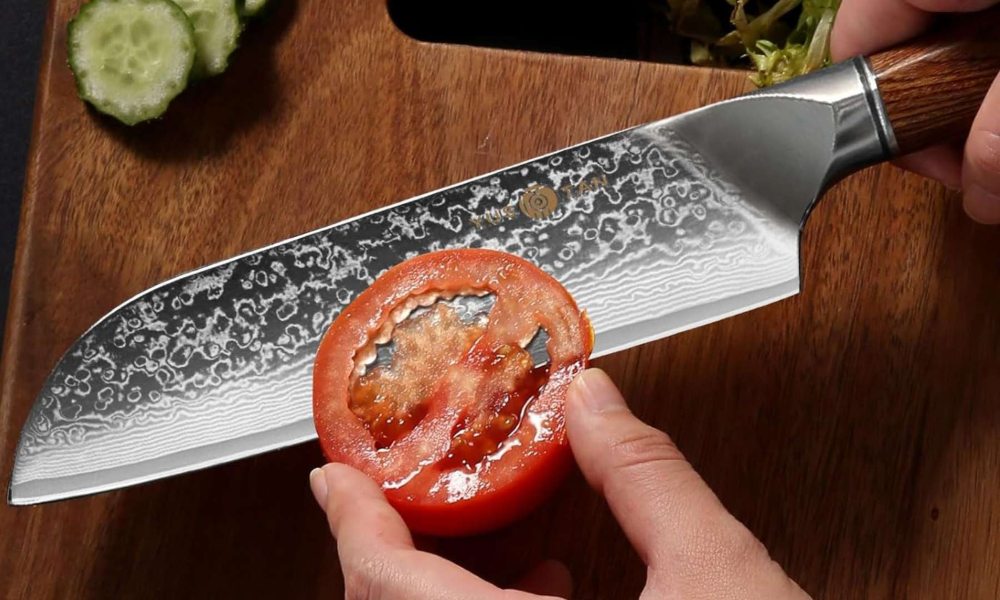
The signature wavy patterns found in Damascus steel are a result of the folding and forge-welding process. As layers of different steel alloys are repeatedly heated, hammered, and folded, they create intricate designs that are as functional as they are beautiful. These patterns aren’t just for show – they contribute to the blade’s strength and flexibility.
3. Comparison to Other High-Carbon Steels
While Damascus Steel shares some characteristics with other high-carbon steel, its layered construction sets it apart. This unique structure allows for a blade that combines hardness for edge retention with the flexibility needed to withstand the rigors of use without chipping or breaking.
Modern Damascus Steel Production
1. Pattern-Welding Techniques
Today’s modern Damascus steel is typically created through a process called pattern welding. This technique involves stacking layers of different steel alloys, heating them to extreme temperatures, and then forge-welding them together. The stack is then folded and re-welded multiple times, creating the intricate patterns Damascus steel is known for.
2. Forging Process Step-by-Step
The forging process of modern Damascus steel is a meticulous art form that requires skill, patience, and precision. The journey begins with selecting the right combination of steel alloys, often including high-carbon steels for hardness and other metals like nickel for added toughness. These steels are cut into thin strips or sheets and then carefully cleaned to ensure they are welded together properly during the forging process.
Step 1: Stacking and Tack Welding
The initial step involves stacking these steel strips in an alternating pattern to create a billet. This billet is then ‘tack welded’ at the ends to hold the layers together during the subsequent forging steps. Tack welding ensures that the layers do not shift or separate when exposed to high temperatures.
Step 2: Heating and Forge Welding
Once the billet is prepared, it is placed into a forge and heated to approximately 2,200 degrees Fahrenheit (1,200 degrees Celsius). At this temperature, the steel becomes malleable and ready for the hammering phase. The heated billet is then hammered repeatedly, a process known as forging, forcing the layers of steel to bond together through a combination of heat and pressure.
Step 3: Drawing Out and Re-Folding
After the initial forging, the billet is drawn out, or lengthened, using a hammer or hydraulic press. Then, it is folded back onto itself, and the process of heating and hammering is repeated. Each fold essentially doubles the number of layers in the billet, contributing to the intricate patterns unique to Damascus steel. This drawing out and re-folding process is repeated multiple times, often up to several hundred layers, depending on the desired pattern complexity.
Step 4: Shaping and Grinding
When the desired number of layers and pattern complexity is achieved, the billet is forged into its final shape, whether it’s a knife blade, a sword, or another tool. After shaping, the blade is rough ground to remove any surface impurities and to begin forming the edge.
Step 5: Heat Treatment
The nearly finished blade undergoes heat treatment to strike a balance between hardness and flexibility. The blade is heated to a carefully controlled temperature and then quenched in oil or water, rapidly cooling it to ‘set’ the steel’s structure. This step is crucial for developing the blade’s final properties, ensuring it can hold a sharp edge and withstand stress without becoming brittle.
Step 6: Acid Etching
The final step is acid etching, which brings out the stunning patterns in the Damascus steel. The blade is immersed in an acid bath, where the different layers of steel react to the acid at different rates, revealing the characteristic waves and swirls. The resulting pattern is not just a visual feast but also a testament to the blade’s exceptional craftsmanship and functional excellence.
3. Challenges in Craftsmanship
Creating a Damascus steel blade is as much an art as it is a science. Master bladesmiths must have an intimate understanding of metallurgy, precise control over temperature and timing, and the skill to shape the metal without compromising its internal structure. It’s a process that demands patience, expertise, and an unwavering commitment to quality.
Characteristics of Damascus Steel Knives
1. Aesthetic Appeal
The most immediately striking feature of a Damascus blade is its unique pattern. These swirling, wavy lines are often compared to flowing water or wood grain. Each blade is a one-of-a-kind work of art, with patterns as individual as a fingerprint.
2. Durability and Edge Retention
Beyond their beauty, Damascus steel knives are prized for their exceptional performance. The combination of hard and softer steel layers results in a blade that holds a razor-sharp edge for extended periods while remaining resilient enough to withstand the stresses of regular use.
3. Balanced Weight and Ergonomics
A well-crafted Damascus steel knife feels like an extension of your hand. The layered construction often allows for a thinner, lighter blade without sacrificing strength. This translates to reduced fatigue during prolonged use, making these knives a favorite among professional chefs and home cooks alike.
4. Versatility
Damascus steel knives come in a variety of shapes and sizes, making them suitable for a wide range of tasks. From slicing and dicing to chopping and carving, there is a Damascus blade suited for every cutting need.
Types of Damascus Steel Knives
Kitchen Knives: From Chef’s Knives to Paring Knives
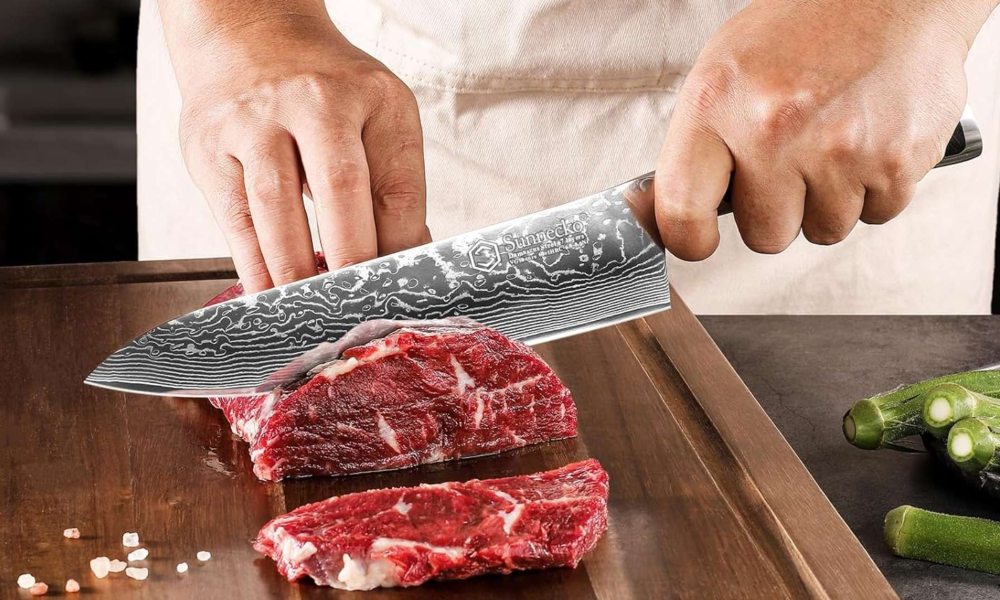
In the culinary world, Damascus Steel has found a loving home. From the versatile chef knife to precise paring knives, these blades elevate every aspect of food preparation. Their sharp edges make quick work of even the most delicate ingredients, while their durability ensures they’ll be a staple in your kitchen for years to come.
Hunting and Outdoor Knives
The strength and resilience of Damascus steel make it an excellent choice for outdoor enthusiasts. Hunting knives, survival blades, and everyday carry options crafted from this material offer unparalleled performance in challenging conditions.
Collector’s Pieces and Custom Designs
For many, Damascus steel knives are more than tools they’re works of art. Limited edition pieces and custom-designed blades often become the centerpieces of knife collections, prized for their unique patterns and exquisite craftsmanship.
Caring for Your Damascus Steel Knife
Proper Cleaning and Storage
To maintain the beauty and performance of your Damascus steel knife, proper care is essential. Always hand wash your blade with mild soap and warm water, drying it thoroughly immediately after. Store your knife in a dry place, preferably in a knife block or sheath to protect the edge.
Sharpening Techniques
While Damascus steel holds an edge exceptionally well, all knives eventually need sharpening. Use a high-quality sharpener designed for high-carbon steel blades. Whetstones are often preferred by enthusiasts, as they allow for precise control over the sharpening process.
Preventing Rust and Maintaining the Pattern
Damascus steel can be prone to rust if not properly cared for. After cleaning, apply a thin layer of food-safe mineral oil to protect the blade. This will also help maintain the vibrancy of the Damascus pattern. Avoid using your knife on acidic foods for prolonged periods, as this can affect the etching that reveals the beautiful layered design.
Choosing the Right Damascus Steel Knife
Considerations for Different Uses
When selecting a Damascus steel knife, consider its primary use. A damascus steel kitchen knife might prioritize edge retention and balance, while an outdoor knife may focus more on durability and versatility. Think about your needs and choose a blade that aligns with your intended use.
Budget-Friendly Options vs. Premium Choices
Damascus steel knives are available at various price points. While premium options offer the highest levels of craftsmanship and materials, there are also excellent mid-range choices that provide great value for the quality-conscious buyer.
Customization Possibilities
For those seeking a truly unique blade, many makers offer customization options. From choosing your preferred handle material to specifying the Damascus pattern, a custom knife can be a deeply personal and rewarding investment.
FAQs
1. What makes Damascus steel knives special?
Damascus steel knives are renowned for their unique wavy patterns, exceptional sharpness, durability, and edge retention. They combine the strength of high-carbon steel with a visually striking appearance, making them both functional tools and works of art.
2. Are Damascus steel knives difficult to maintain?
While they require some care, Damascus steel knives are not particularly difficult to maintain. Regular cleaning, drying, and occasional oiling will keep them in excellent condition. Proper storage and using appropriate cutting surfaces will help preserve their edge and appearance.
3. Can Damascus steel knives rust?
Yes, Damascus steel can rust if not properly cared for. To prevent rust, always dry your knife after use and apply a thin coat of food-safe mineral oil. Avoid leaving the knife wet or exposed to harsh chemicals.
4. How often should I sharpen my Damascus steel knife?
The frequency of sharpening depends on usage, but Damascus steel generally holds an edge well. For regular home use, sharpening every few months is often sufficient. Professional chefs or those who use their knives heavily may need to sharpen more frequently.
5. Are Damascus steel knives worth the investment?
For many users, Damascus steel knives are indeed worth the investment. They offer superior performance, longevity, and aesthetic appeal. While they may cost more upfront, their durability and quality often make them a cost-effective choice in the long run, especially for those who appreciate fine craftsmanship and high-performance tools.
Final Thoughts
Investing in a Damascus steel knife is more than simply adding a tool to your collection; it’s embracing a piece of history and craftsmanship that transcends generations. These knives don’t just meet functional needs but also bring a sense of artistry and tradition into your daily culinary or outdoor activities. Whether you’re a professional chef, an avid hunter, or a collector, a Damascus steel knife offers unparalleled benefits. The unique patterns, distinctive durability, and exceptional sharpness create an experience that’s both practical and aesthetically pleasing.
When properly cared for, a Damascus steel knife can serve you for many years, becoming a trusted companion in all your slicing, dicing, and cutting ventures. The ritual of maintaining the blade, from cleaning and oiling to occasional sharpening, also adds a deeper connection to this timeless piece of craftsmanship. Ultimately, owning a Damascus steel knife is about more than functionality; it’s about cherishing the exquisite merging of art and skill that endures in each blade.
0 Comments
Most Voted