Breads for Charcuterie Board | Perfect Pairings

Bread is more than just a simple staple; it is an integral part of many culinary traditions, and when it comes to creating the perfect charcuterie board, bread plays a crucial role. The right bread can elevate your charcuterie experience, providing a delightful canvas for the flavors of cured meats, artisan cheeses, and savory spreads to shine. With so many varieties of bread available, each with its own unique texture, flavor, and character, the possibilities for creating enticing and memorable charcuterie boards are truly endless.
As you embark on your journey to craft the ultimate charcuterie board, it’s essential to understand the significance of bread selection. From crusty artisan loaves to whole grain and seeded varieties, the bread for the charcuterie board you choose can greatly influence the overall taste, texture, and visual appeal of your creation. The perfect bread not only serves as a vehicle for delectable toppings but also acts as a complementary element, enhancing the flavors and textures of the meats, cheeses, and accompaniments.
Join us as we explore the best bread for charcuterie boards and perfect pairings that will delight your taste buds and impress your guests. Whether hosting a gathering or simply treating yourself, discover how each bite becomes a harmonious blend where bread isn’t just an afterthought but a key player in the symphony of taste. We’re pretty sure that by the end of this article, you’ll have the knowledge and inspiration to craft a charcuterie board with handles that will impress your guests and satisfy your own culinary cravings.
The Significance of Bread in Charcuterie
1. A Foundation for Flavors
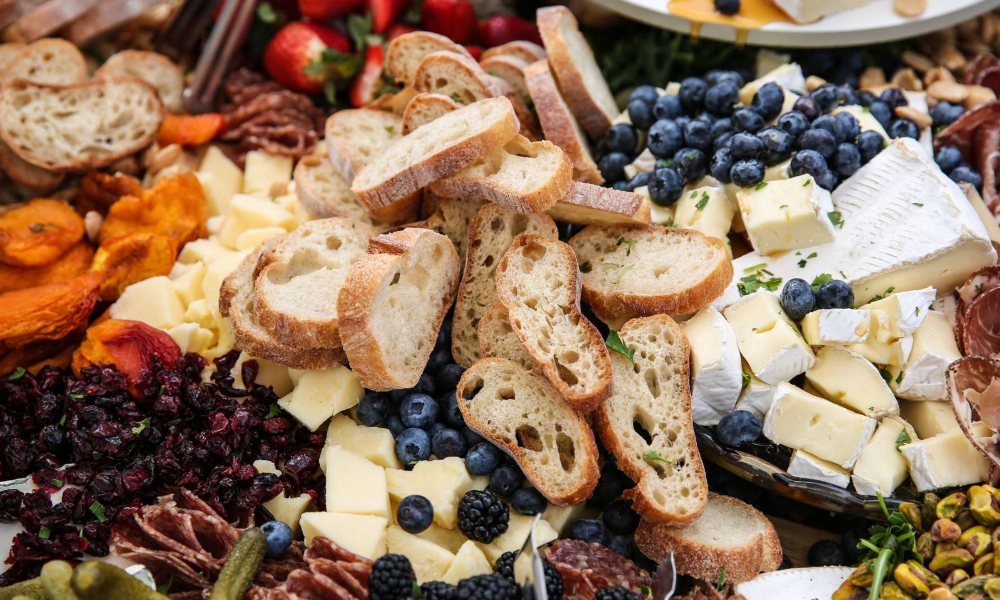
Bread serves as the foundation upon which the flavors of your charcuterie board are built. Its primary purpose is to provide a neutral base that allows the distinct tastes of the meats, cheeses, and spreads to take center stage. The right bread should complement and enhance these flavors without overpowering them, creating a harmonious balance that delights the palate.
Moreover, bread offers a variety of textures that can add depth and interest to your charcuterie board. From the crisp crust of a baguette to the soft, pillowy interior of a ciabatta, the textural contrast between the bread and the toppings can make each bite a unique and enjoyable experience.
2. A Palate Cleanser and Flavor Balancer
In addition to providing a foundation for flavors, bread also acts as a palate cleanser between bites. When indulging in rich, savory meats and bold, pungent cheeses, a piece of bread can help refresh the palate, preparing it for the next delightful combination. This is especially important when presenting a diverse array of charcuterie elements, as it allows guests to appreciate each flavor profile without overwhelming their taste buds.
Bread can also help balance the richness of certain charcuterie components. For example, a slice of tangy sourdough can cut through the creaminess of a triple-crème brie, while a nutty whole wheat bread can stand up to the bold flavors of a spicy chorizo. By thoughtfully pairing your bread with the meats, cheeses, and spreads on your board, you can create a well-rounded and satisfying culinary experience.
3. A Visual and Textural Delight
Beyond its functional roles, bread also serves as a visual and textural element on your charcuterie board. The right bread selection can add height, dimension, and visual interest to your presentation, making it more appealing and inviting to your guests. By incorporating a variety of bread shapes, sizes, and colors, you can create a sense of abundance and artistry that elevates your charcuterie board from a simple snack to a true work of art.
Furthermore, the textural diversity of bread can contribute to the overall sensory experience of your charcuterie board. The contrast between the crisp, crunchy crust of a baguette and the smooth, silky texture of a pâté or the juxtaposition of soft, airy focaccia with the firm, crumbly texture of an aged Parmesan can make each bite a delightful discovery for your guests.
A World of Bread Options for Your Charcuterie Board
1. Crusty Artisan Breads
Crusty artisan breads are a classic choice for charcuterie boards, offering a satisfying crunch and a rustic, authentic feel. These breads are often characterized by their thick, crisp crust and soft, airy interior, making them ideal for slicing and serving with a variety of toppings.
- Baguettes: The iconic French bread, baguettes are known for their elongated shape, crisp crust, and soft, chewy interior. They are perfect for slicing into rounds and serving with pâtés, mousses, and spreads, as their neutral flavor allows the toppings to shine.
- Sourdough: Tangy and flavorful, sourdough bread is crafted using a natural fermentation process that gives it a distinctive taste and chewy texture. Its robust flavor pairs well with rich, creamy cheeses and savory cured meats, making it a popular choice for charcuterie boards.
- Ciabatta: This Italian bread is characterized by its porous, light texture and crisp crust. Its large, irregular holes make it perfect for capturing the flavors of oils, vinegars, and spreads, while its sturdy structure allows for easy slicing and toasting for crostini or small sandwiches.
2. Whole Grain and Seeded Breads
Whole grain and seeded breads offer a nutritious and flavorful alternative to traditional white breads, adding depth and complexity to your charcuterie board.
- Whole Wheat: Hearty and nutty, whole wheat bread boasts a dense texture and a rich, complex flavor profile. Its robust taste complements strong, aged cheeses and bold, spicy meats, making it an excellent choice for those who prefer a more assertive bread pairing.
- Rye: Known for its distinctive, slightly sour flavor and tight crumb, rye bread is a staple in many European cuisines. Its bold taste pairs exceptionally well with smoked fish, pungent cheeses, and pickled vegetables, making it a must-have for any charcuterie board with a Scandinavian or Eastern European flair.
- Seeded Breads: Bread studded with seeds such as sesame, poppy, or sunflower offers a delightful crunch and a nutty, savory flavor that complements a wide range of charcuterie elements. These breads add visual interest and textural variety to your board, making them a popular choice among food enthusiasts.
3. Specialty and Flavored Breads
Specialty and flavored breads can add an extra dimension of taste and aroma to your charcuterie board, helping to create unique and memorable flavor combinations.
- Olive Bread: Infused with briny, rich olives, this savory bread is a perfect match for Mediterranean-inspired charcuterie spreads. Its salty, slightly bitter flavor pairs beautifully with creamy cheeses, cured meats, and sun-dried tomatoes, transporting your taste buds to the sun-drenched shores of the Mediterranean.
- Walnut Bread: This nutty, slightly sweet bread features a tender crumb and a delightful crunch from the embedded walnuts. Its rich flavor and texture make it an excellent companion for creamy cheeses like brie or camembert, as well as sweet accents like honey, fig jam, or dried fruits.
- Herb-Infused Breads: Breads flavored with aromatic herbs such as rosemary, thyme, or basil can add a fresh, fragrant element to your charcuterie board. These breads pair particularly well with roasted or grilled vegetables, as well as with milder cheeses and meats that allow the herb flavors to take center stage.
Crafting Perfect Pairings for Your Charcuterie Board
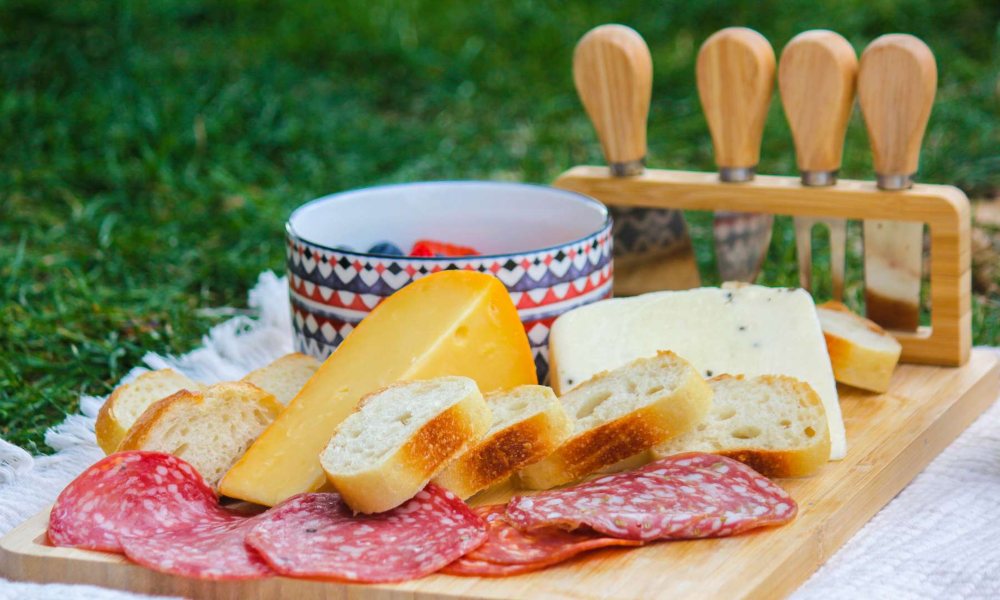
1. Matching Breads with Cured Meats
When pairing breads with cured meats, consider the flavor intensity and texture of each component to create a harmonious balance.
- Prosciutto and Ciabatta: The delicate, melt-in-your-mouth texture of prosciutto is perfectly complemented by the light, airy texture of ciabatta. The bread’s subtle flavor allows the prosciutto’s natural sweetness and nuttiness to shine through.
- Salami and Sourdough: The bold, spicy flavors of salami are well-matched by the tangy, assertive taste of sourdough bread. The bread’s chewy texture and crisp crust provide a satisfying contrast to the rich, fatty texture of the salami.
- Chorizo and Olive Bread: The smoky, spicy notes of chorizo are enhanced by the briny, savory flavor of olive bread. The bread’s dense texture and robust taste stand up well to the bold flavors of the chorizo, creating a memorable and delicious pairing.
2. Pairing Breads with Cheeses
The right bread and cheese pairing can elevate your charcuterie board to new heights, creating a symphony of flavors and textures that will delight your guests.
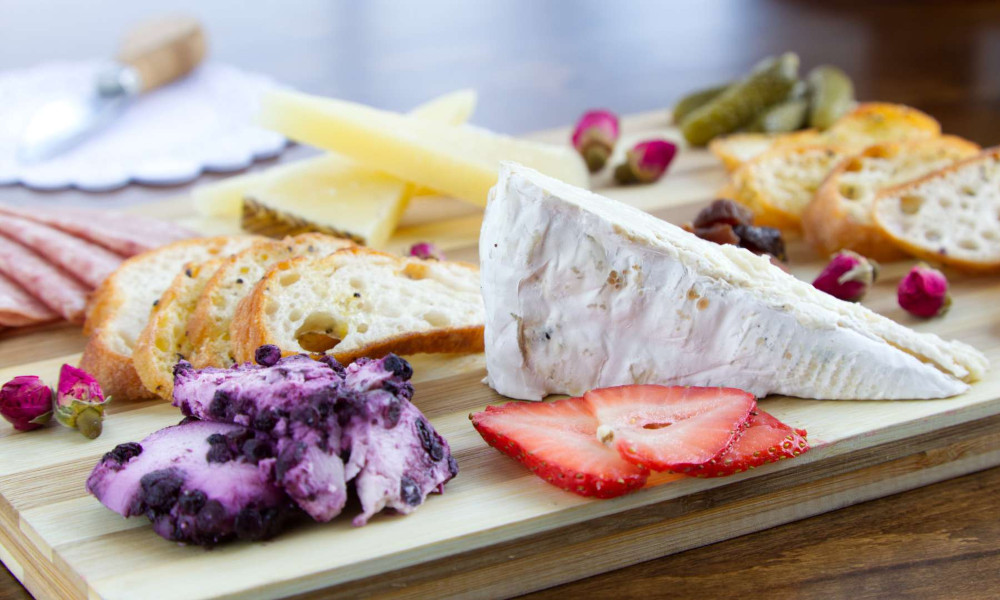
- Brie and Walnut Bread: The creamy, buttery texture of brie is beautifully complemented by the nutty, slightly sweet flavor of walnut bread. The bread’s tender crumb and crunchy walnuts provide a delightful textural contrast to the smooth, velvety cheese.
- Gouda and Whole Wheat: The rich, caramel-like notes of aged Gouda are well-suited to the hearty, nutty flavor of whole wheat bread. The bread’s dense texture and robust taste can stand up to the bold, complex flavors of the cheese, creating a deeply satisfying pairing.
- Blue Cheese and Rye: The pungent, slightly salty taste of blue cheese is perfectly balanced by the tangy, slightly sour flavor of rye bread. The bread’s tight crumb and sturdy texture provide a pleasant contrast to the creamy, crumbly texture of the cheese, making for an unforgettable taste experience.
3. Matching Breads with Spreads and Dips
Breads are the perfect vehicle for savory spreads and dips, allowing your guests to explore a variety of flavor combinations and textures.
- Hummus and Pita Bread: The creamy, nutty flavor of hummus is beautifully complemented by the soft, pillowy texture of pita bread. The bread’s neutral taste allows the flavors of the hummus to take center stage, while its pliable texture makes it easy to scoop and dip.
- Tapenade and Crostini: The briny, salty flavor of olive tapenade is perfectly balanced by the crisp, crunchy texture of crostini. The toasted bread provides a sturdy base for the spread, while its subtle flavor allows the tapenade’s bold, savory notes to shine through.
- Baba Ganoush and Flatbread: The smoky, slightly tangy flavor of baba ganoush is well-suited to the soft, pliable texture of flatbread. The bread’s neutral taste and supple texture make it an ideal canvas for the rich, creamy dip, creating a delicious and satisfying pairing.
4. Designing Balanced Bites
To create the perfect charcuterie board, it’s essential to consider how each element works together to create balanced, harmonious bites. When combining bread, meat, cheese, and condiments, aim for a mix of flavors, textures, and aromatics that complement and enhance one another.
For example, you might pair a slice of crusty baguette with a piece of rich, creamy brie, a thin slice of salty prosciutto, and a drizzle of sweet honey for a perfect balance of flavors and textures. Or, you could top a piece of tangy sourdough with a slice of spicy chorizo, a crumble of sharp cheddar, and a dollop of zesty mustard for a bold and satisfying bite.
By experimenting with different combinations and considering the unique characteristics of each bread, meat, cheese, and condiment, you can create a charcuterie board that is both visually stunning and utterly delicious.
Presentation and Serving Tips for Your Bread Selection
Slicing and Arranging Breads for Visual Appeal
The way you slice and arrange your bread can have a significant impact on the overall appearance and appeal of your charcuterie board. Consider slicing your bread in a variety of shapes and sizes to create visual interest and texture. For example, you might slice a baguette into thin rounds, cut a ciabatta into long, diagonal slices, and tear a rustic sourdough into rough, irregular chunks.
When arranging your breads on the board, aim for a balance of shapes, sizes, and colors. Place your breads strategically around the board, creating height and dimension while ensuring that each variety is easily accessible to your guests.
Offering a Variety of Bread Types and Textures
To create a truly impressive charcuterie board, it’s essential to offer a variety of bread types and textures. This not only provides your guests with a range of options to suit their individual tastes but also contributes to the overall visual appeal and interest of your board.
Consider including a mix of crusty artisan breads, whole grain and seeded varieties, and specialty or flavored breads to create a diverse and enticing selection. By offering a variety of textures, from crisp and crunchy to soft and chewy, you’ll ensure that there’s something for everyone to enjoy.
Providing Bread Serves and Accompaniments
To make it easy for your guests to serve themselves, consider providing bread serves, tongs, or pre-sliced options alongside your charcuterie board. This not only enhances the overall presentation but also encourages your guests to explore and enjoy the different bread pairings you’ve created.
Additionally, you may want to offer accompaniments such as flavored oils, spreads, or dips to complement your bread selection. These added touches can elevate the overall experience and provide your guests with even more opportunities to create their own perfect bites.
FAQs
1. What is the best bread for a charcuterie board?
The best bread for a charcuterie board depends on personal preference and the specific meats, cheeses, and accompaniments you’re serving. However, some popular options include crusty artisan bread like baguettes, sourdough, and ciabatta, as well as whole grain and seeded varieties like whole wheat, rye, and seeded bread. Specialty and flavored breads, such as olive bread, walnut bread, and herb-infused breads, can also add an extra dimension of flavor and interest to your board.
2. How much bread should I include on my charcuterie board?
The amount of bread you include on your charcuterie board will depend on the size of your board and the number of guests you’re serving. As a general rule, aim to provide a variety of bread options and ensure that there’s enough for each guest to enjoy several slices or pieces. A good starting point is to plan for about 2-3 ounces of bread per person, but be sure to adjust based on the specific appetites and preferences of your guests.
3. Should I pre-slice my bread for the charcuterie board?
Pre-slicing your bread can make it easier for guests to serve themselves and can also contribute to the overall visual appeal of your board. However, if you prefer to let your guests slice their own bread or if you’re using softer varieties that may become stale quickly once sliced, it’s perfectly acceptable to present the bread in whole or partially sliced form. If you do choose to pre-slice, be sure to arrange the slices attractively on the board and replenish as needed throughout the serving period.
4. How can I keep my bread fresh during a long serving period?
To keep your bread fresh during extended serving times, consider presenting smaller amounts on the board and replenishing as needed from a reserve kept in an airtight container or bread box. You can also wrap the sliced ends of partially served loaves in wax paper or plastic wrap to prevent them from drying out. If you’re using softer breads that are prone to getting stale quickly, consider toasting them lightly before serving to help them retain their texture and flavor.
5. Can I make my own bread for a charcuterie board?
Absolutely! Making your own bread can be a great way to add a personal touch to your charcuterie board and impress your guests with your culinary skills. Whether you opt for a classic artisan loaf, a savory-flavored bread, or a unique whole-grain variety, homemade bread can elevate your charcuterie experience to the next level. Just be sure to plan ahead and allow yourself enough time for mixing, kneading, proofing, and baking to ensure the best possible results.
Final Thoughts
Bread is an essential component of any charcuterie board, providing a foundation for the flavors, textures, and visual appeal of the meats, cheeses, and accompaniments you’ve carefully selected. By choosing the best bread for charcuterie board and understanding the unique characteristics and pairing potential of each variety, you can elevate your charcuterie experience to new heights.
Whether you opt for crusty artisan loaves, wholesome whole grain breads, or specialty flavored varieties, the key to creating the perfect bread pairings is to consider how each element works together to create balanced, harmonious bites. By experimenting with different combinations and presenting your breads in an attractive, inviting manner, you can craft a charcuterie board that is both visually stunning and utterly delicious.
As you share your charcuterie creation with friends and family, remember that the true joy of this culinary experience lies in the act of savoring and sharing. Encourage your guests to explore the different flavor combinations, to appreciate the unique qualities of each bread and pairing, and to revel in the delightful sensory experience of a well-crafted charcuterie board.
0 Comments
Most Voted