Teapots | Learn How To Properly Brew Tea

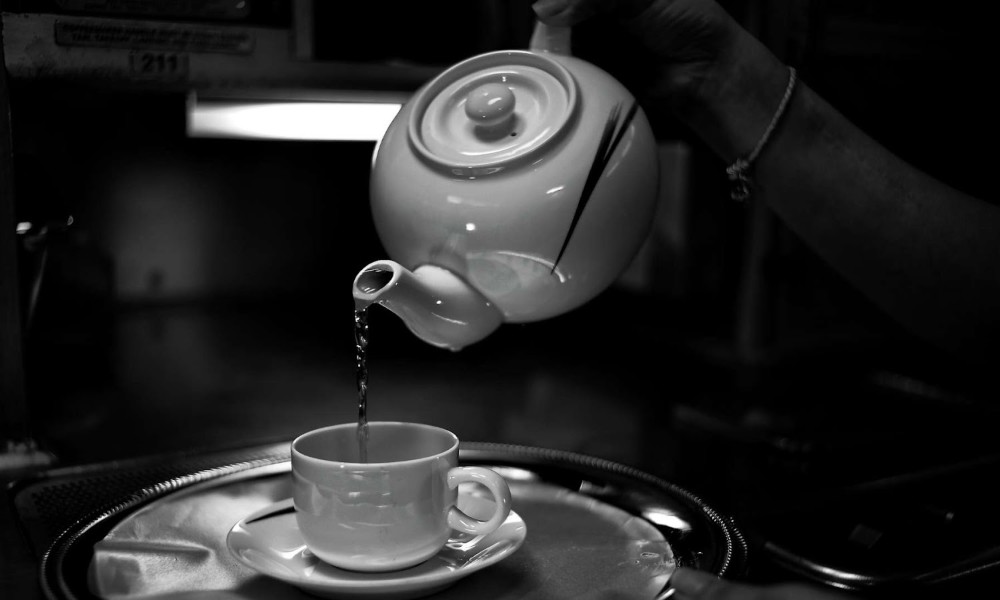
Brewing the perfect cup of tea is an art form that transcends cultures and generations, offering a moment of tranquility and a world of flavor in every sip. From the serene Japanese tea ceremonies to the iconic British afternoon tea, the act of preparing and enjoying tea is deeply embedded in various traditions around the globe.
While the quality of tea leaves and water temperature are crucial, the humble teapot plays an equally significant role in this delicate process. Whether you opt for a classic porcelain teapot, a rustic cast iron one, or a modern glass design, understanding the nuances of each can elevate your tea experience from the mundane to the extraordinary.
In this guide, KD4U delves into the fascinating world of teapots, imparting essential knowledge on how to use each type to brew the perfect cup. Discover tips, tricks, and age-old secrets that will transform your understanding of tea brewing. Welcome to a journey where elegance meets precision, all starting with the right teapot in hand.
Types of Teapots
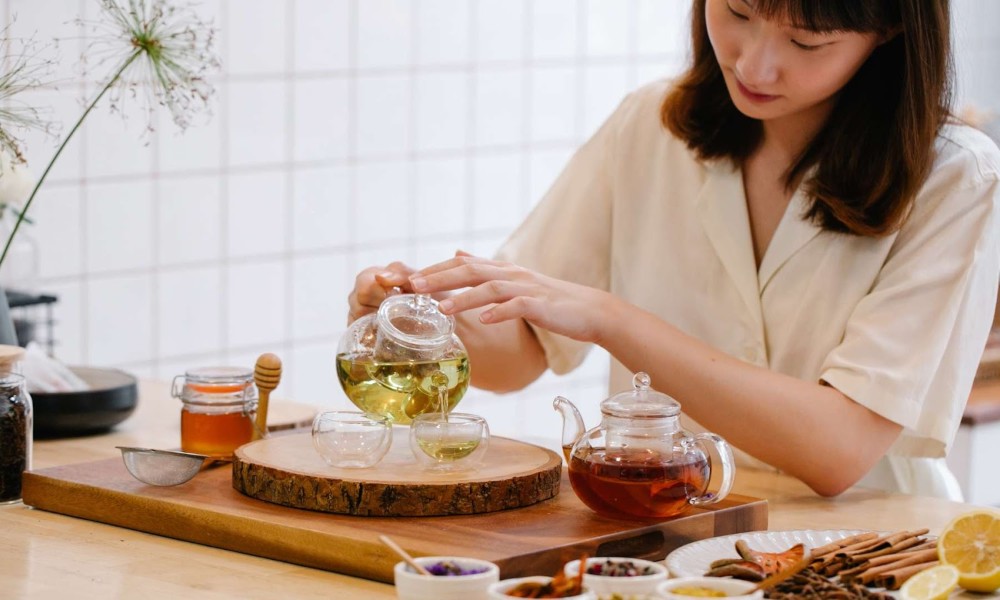
When it comes to choosing a teapot, there are several materials to consider, each with its own unique properties and benefits. Here are some of the most common types of teapots:
Ceramic Teapots
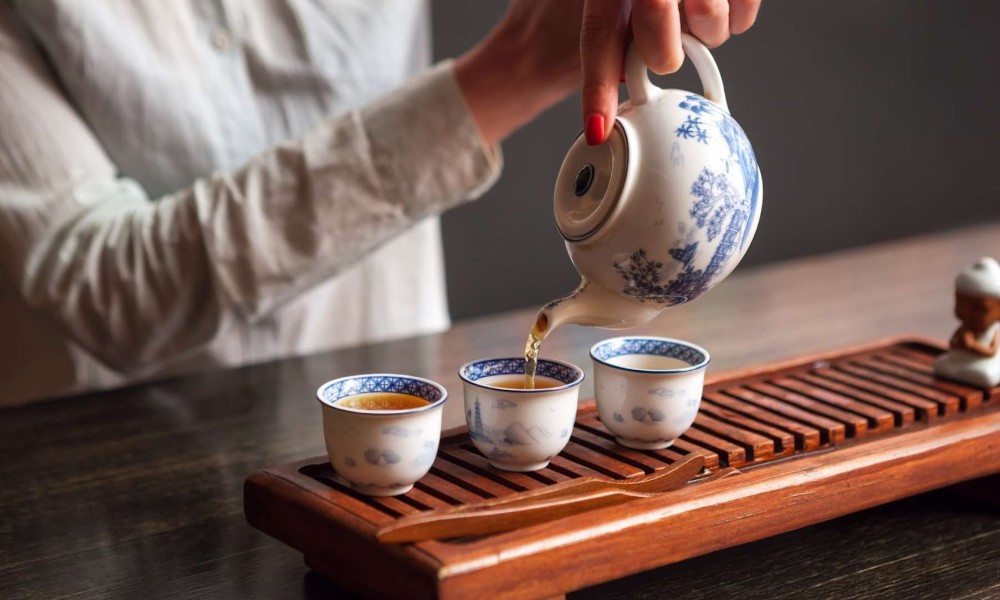
Ceramic teapots are a popular choice for many tea lovers, thanks to their versatility and wide range of styles. Some of the most common types of ceramic teapots include:
- Porcelain: Known for its delicate appearance and smooth texture, porcelain is a type of ceramic that is made from fine, white clay. Porcelain teapots are often used for brewing light-bodied teas like green or white tea, as they don’t retain flavors and are easy to clean.
- Stoneware: Made from dense, non-porous clay, stoneware teapots are known for their durability and heat retention properties. They are a great choice for brewing heartier teas like black or oolong, as they can keep the tea warm for longer periods.
- Earthenware: Crafted from natural clay and fired at lower temperatures, earthenware teapots have a rustic, artisanal feel. They are often used for brewing herbal or fruit teas, as they can impart a subtle, earthy flavor to the brew.
Glass Teapots
Glass teapots offer a modern and elegant way to brew and serve tea. They come in two main varieties:
- Borosilicate Glass: Known for its durability and resistance to thermal shock, borosilicate glass is a popular choice for teapots. It allows you to watch the tea leaves unfurl as you’re brewing, creating a visually appealing experience.
- Heat-Resistant Glass: Similar to borosilicate, heat-resistant glass can withstand high temperatures and is less likely to crack or shatter when exposed to sudden temperature changes.
Cast Iron Teapots
Cast iron teapots have a long and rich history, particularly in Asian tea traditions. There are two main types of cast iron teapots:
- Japanese Tetsubin: Traditionally used for boiling water over an open flame, tetsubin teapots are known for their durability and heat retention properties. They often feature intricate designs and a distinctive black finish.
- Chinese Cast Iron Teapots: Similar to tetsubin, Chinese cast iron teapots are prized for their ability to keep tea warm for extended periods. They often have a more ornate and colorful appearance, with enamel coatings and detailed patterns.
Stainless Steel Teapots
For a more modern and practical option, stainless steel teapots are a great choice. They come in two main styles:
- Single-Walled: Made from a single layer of stainless steel, these teapots are lightweight and easy to clean. They are best suited for quick brewing sessions, as they don’t retain heat as well as double-walled options.
- Double-Walled Insulated: Featuring two layers of stainless steel with a vacuum-sealed space in between, double-walled teapots are excellent at keeping tea hot for longer periods. They are a great choice for those who like to savor their tea over time.
Factors Affecting Tea Brewing
To brew the perfect cup of tea, there are several key factors to consider:
1. Water Quality
The quality of the water you use can greatly impact the flavor and aroma of your tea. Here are some tips for choosing the right water:
- Filtered or Spring Water: Using filtered or spring water can help remove impurities and chemicals that can affect the taste of your tea. Avoid using tap water, especially if it has a strong chlorine smell or taste.
- Avoiding Distilled or Heavily Chlorinated Water: Distilled water lacks the minerals that help bring out the flavor of tea, while heavily chlorinated water can impart an unpleasant taste.
2. Water Temperature
Different types of tea require different water temperatures to extract the best flavor and avoid bitterness. Here are some general guidelines:
- Different Temperatures for Different Types of Tea:
- Black Tea: 195-205°F (90-96°C)
- Oolong Tea: 180-195°F (82-90°C)
- Green Tea: 160-180°F (71-82°C)
- White Tea: 160-175°F (71-79°C)
- Herbal Tea: 208°F (98°C)
- Using a Temperature-Controlled Kettle: Investing in a temperature-controlled kettle can take the guesswork out of heating water for different types of tea, ensuring a perfect brew every time.
3. Tea Leaf Quality and Quantity
The quality and quantity of the tea leaves you use can greatly affect the flavor and strength of your brew. Here are some tips:
- Loose Leaf vs. Tea Bags: While tea bags are convenient, loose-leaf tea generally offers a higher quality and more nuanced flavor. Loose-leaf tea allows the leaves to expand fully and release their flavor more effectively.
- Recommended Tea Leaf to Water Ratios: As a general rule, use about 1 teaspoon ofloose-leaf tea per 8 ounces of water. However, this can vary depending on the specific type of tea and personal preference.
4. Steeping Time
Steeping your tea for the right amount of time is crucial for achieving the perfect balance of flavor and avoiding bitterness. Here are some guidelines:
- Different Steeping Times for Different Types of Tea:
- Black Tea: 3-5 minutes
- Oolong Tea: 2-5 minutes
- Green Tea: 1-3 minutes
- White Tea: 1-3 minutes
- Herbal Tea: 5-7 minutes
- The Importance of Timing for Optimal Flavor: Set a timer to ensure you steep your tea for the recommended amount of time. Over-steeping can lead to a bitter, astringent taste, while under-steeping can result in a weak, flavorless brew.
Brewing Techniques for Different Types of Tea
Now that we’ve covered the basics of tea brewing, let’s explore some specific techniques for different types of tea:
Black Tea
- Teapot Recommendations: Use a ceramic or stainless steel teapot for best results.
- Water Temperature and Steeping Time: Heat water to 195-205°F (90-96°C) and steep for 3-5 minutes.
- Serving Suggestions: Black tea is often enjoyed with milk and sugar, but can also be served plain or with lemon.
Green Tea
- Teapot Recommendations: Use a porcelain or glass teapot to showcase the delicate color and unfurling of the leaves.
- Water Temperature and Steeping Time: Heat water to 160-180°F (71-82°C) and steep for 1-3 minutes.
- Serving Suggestions: Green tea is best enjoyed plain, without any additions.
Oolong Tea
- Teapot Recommendations: Use a Yixing clay teapot, which is porous and can absorb the flavors of the tea over time, creating a more complex brew.
- Water Temperature and Steeping Time: Heat water to 180-195°F (82-90°C) and steep for 2-5 minutes.
- Serving Suggestions: Oolong tea is often enjoyed plain, but can also be served with a small amount of honey or sugar.
White Tea
- Teapot Recommendations: Use a glass or porcelain teapot to showcase the delicate color and flavor of the tea.
- Water Temperature and Steeping Time: Heat water to 160-175°F (71-79°C) and steep for 1-3 minutes.
- Serving Suggestions: White tea is best enjoyed plain, without any additions.
Herbal and Fruit Teas
- Teapot Recommendations: Use a ceramic or glass teapot for best results.
- Water Temperature and Steeping Time: Heat water to 208°F (98°C) and steep for 5-7 minutes.
- Serving Suggestions: Herbal and fruit teas can be enjoyed plain, with honey, or over ice for a refreshing summer drink.
Teapot Maintenance and Care
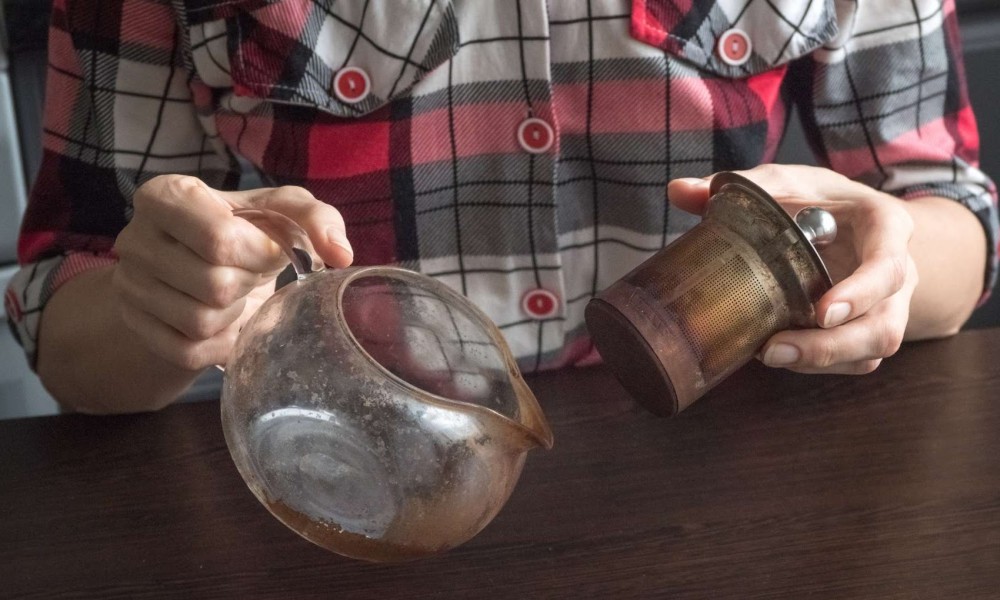
To keep your teapot in top condition and ensure the best possible brew, follow these maintenance and care tips:
Cleaning and Storing Teapots
- Regular Cleaning Methods for Different Materials:
- Ceramic and Glass: Wash with warm, soapy water and rinse thoroughly.
- Cast Iron: Rinse with hot water and wipe dry. Avoid using soap, as it can remove the seasoning.
- Stainless Steel: Wash with warm, soapy water or place in the dishwasher.
- Proper Storage to Avoid Damage and Maintain Flavor: Store your teapot in a dry place, away from direct sunlight and strong odors. If possible, keep it in a designated tea cabinet or on a tea tray.
Dealing with Stains and Buildup
- Natural Cleaning Solutions: To remove stains and buildup, try cleaning your teapot with a mixture of baking soda and water, or vinegar and salt. Let the solution sit in the teapot for a few hours before rinsing thoroughly.
- Specialized Cleaning Products for Stubborn Stains: For particularly stubborn stains, you may need to use a specialized cleaning product designed for teapots. Be sure to follow the manufacturer’s instructions carefully.
Enhancing Your Tea Experience
To take your tea drinking to the next level, consider these tips for enhancing your overall tea experience:
1. Pairing Teas with Food
- Complementary Flavors and Textures: Experiment with pairing different types of tea with foods that have complementary flavors and textures. For example, a robust black tea pairs well with hearty breakfast foods, while a delicate green tea complements light, fresh salads.
- Traditional Tea and Food Pairings: Look to traditional tea cultures for inspiration on classic tea and food pairings. For example, the British tradition of afternoon tea often includes scones with clotted cream and jam, while Japanese tea ceremonies feature delicate sweets and savories.
2. Creating a Relaxing Tea Ritual
- Setting the Atmosphere: Create a peaceful and inviting atmosphere for your tea drinking by choosing a quiet, comfortable space and surrounding yourself with calming decor and lighting.
- Mindful Tea Preparation and Consumption: Approach tea brewing and drinking as a mindful, meditative practice. Take your time with each step, from heating the water to sipping the tea, and focus on the sensory experience of the process.
FAQs
1. What is the best type of teapot for brewing loose leaf tea?
The best type of teapot for brewing loose-leaf tea depends on the specific type of tea you’re brewing and your personal preferences. Generally, ceramic, glass and cast iron teapots work well for most types of tea. Be sure to choose a teapot with a built-in strainer or use a separate strainer to catch the loose leaves.
2. How much loose-leaf tea should I use per cup?
As a general rule, use about 1 teaspoon of loose-leaf tea per 8 ounces of water. However, this can vary depending on the type of tea and your personal taste preferences. Experiment with different ratios to find what works best for you.
3. How long should I steep my tea?
The ideal steeping time varies depending on the type of tea you’re brewing. Black tea typically steeps for 3-5 minutes, oolong for 2-5 minutes, green tea for 1-3 minutes, white tea for 1-3 minutes, and herbal tea for 5-7 minutes. Be sure to set a timer and remove the tea leaves promptly to avoid over-steeping.
4. Can I reuse tea leaves?
Some types of tea, like oolong and pu-erh, can be steeped multiple times, with each infusion offering a slightly different flavor profile. However, most teas are best enjoyed fresh, and reusing tea leaves can result in a weaker, less flavorful brew.
5. How do I clean my teapot?
To clean your teapot, rinse it with warm water and wipe it dry after each use. For a deeper clean, wash it with mild soap and water, or use a mixture of baking soda and water to remove stubborn stains. Avoid using abrasive cleaners or scrubbers, which can damage the surface of your teapot.
Final Thoughts
Brewing the perfect cup of tea is a skill that anyone can master with the right tools, techniques, and knowledge. By understanding the different types of teapots available, the factors that affect tea brewing, and the specific techniques for brewing various types of tea, you’ll be well on your way to enjoying delicious, satisfying tea at home.
Remember, the key to a great cup of tea is patience, practice, and experimentation. Don’t be afraid to try new types of tea, adjust your brewing methods, and find what works best for your personal taste preferences. As you incorporate tea into your daily life, you may find that the ritual of brewing and drinking tea becomes a cherished moment of calm and reflection in your day.
Whether you’re enjoying a cup of tea on your own or sharing it with friends and family, the art of tea brewing is a wonderful way to slow down, savor the moment, and appreciate the simple pleasures of life. So go ahead, put the kettle on, and enjoy the wonderful world of tea!
0 Comments
Most Voted