How Do You Pronounce Charcuterie? | Easy Articulation

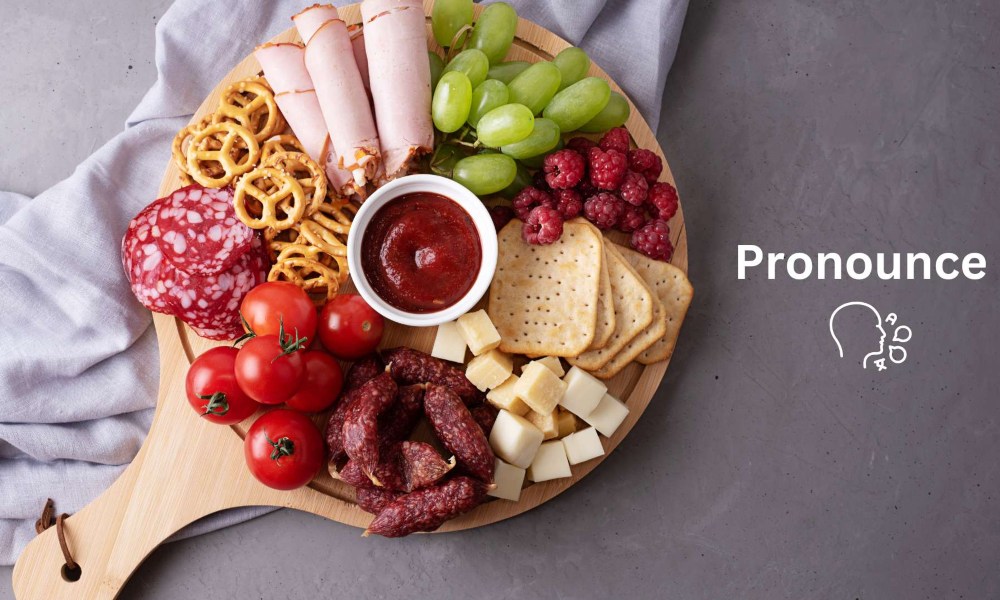
If you’re at a fancy dinner party, and the host brings out a beautiful charcuterie board filled with an array of cured meats, artisanal cheeses, and crisp crackers. As you reach for a slice of prosciutto, you find yourself in a moment of panic. How do you pronounce “charcuterie” without sounding like a culinary novice? Fear not, dear reader, for you are not alone in this quandary.
In recent years, the term “charcuterie” has become increasingly popular in the culinary world, gracing the menus of trendy restaurants and the pages of food magazines. However, for many food enthusiasts and professionals, the pronunciation of this French word can be a source of confusion and uncertainty. After all, mastering the correct articulation of culinary terms is essential for effective communication and confidence in the kitchen.
In this article, we will dive deep into the world of charcuterie pronunciation, providing you with a clear, step-by-step guide on how to say this word like a true connoisseur. We’ll explore the origin and meaning of the term, break down the syllables and sounds, and offer practical tips and resources to help you perfect your speech.
So now, after going through this post, you’ll be able to confidently discuss your favorite olive wood charcuterie board or letter charcuterie board without any linguistic stumbles. So, let’s get started on this delicious journey of verbal discovery!
The Origin and Meaning of the Word “Charcuterie”
Before we delve into the nitty-gritty of pronunciation, let’s take a moment to understand the roots and meaning of the word “charcuterie.” Etymologically speaking, “charcuterie” comes from the French words “chair” (meaning “flesh” or “meat”) and “cuit” (meaning “cooked”). The literal translation, therefore, is “cooked meat.”
Historically, the term “charcuterie” referred to the specialized shops in France that produced and sold a variety of cured meats, sausages, and other pork products. These establishments, known as “charcuteries,” date back to the Middle Ages and have played a significant role in the development of French cuisine and culinary traditions.
In modern culinary circles, the definition of “charcuterie” has expanded to encompass a wider range of meat products, including ham, bacon, pâté, terrines, and galantines. The term is also often used to describe the art and skill of preparing these delicacies, as well as the assortment of meats served together on a board or platter, accompanied by complementary foods such as bread, cheese, and pickles.
Breaking Down the Pronunciation
Now that we have a better understanding of the word’s background, let’s tackle the main event: how to pronounce “charcuterie” correctly. The most common pronunciation of this word in English is “shar-koo-tuh-ree,” with the emphasis placed on the first and third syllables.
To break it down further, let’s look at each syllable individually:
- “shar” – This syllable is pronounced like the “shar” in “shark,” with a soft “sh” sound followed by a short “a” as in “art.”
- “koo” – The second syllable is pronounced like the word “coo,” as in the sound a pigeon makes.
- “tuh” – The third syllable is a short, unstressed “tuh” sound, as in the word “tub.”
- “ree” – The final syllable is pronounced like the word “tree,” with a long “e” sound.
One helpful way to remember the correct pronunciation is to break it down into two parts: “shar-koo” and “tuh-ree.” By focusing on these smaller chunks, you can train your mouth and brain to articulate the word more easily.
It’s also important to note that the French pronunciation of “charcuterie” is slightly different, with a more guttural “r” sound and a less emphasized final syllable. However, for most English speakers, the Anglicized version described above is perfectly acceptable and widely understood.
To further aid your pronunciation practice, consider seeking out audio examples and resources online. Many language learning websites and dictionaries, such as Forvo and Merriam-Webster, offer audio clips of native speakers pronouncing “charcuterie” and other culinary terms. Listening to these examples and repeating them aloud can help you develop a more natural and confident delivery.
Tips for Mastering the Pronunciation
Like any new skill, mastering the pronunciation of “charcuterie” takes practice and persistence. Here are a few tips to help you along the way:
- Listen and repeat: The more you expose yourself to the correct pronunciation, the easier it will become to replicate it yourself. Seek out opportunities to hear native speakers or culinary experts say the word, whether through videos, podcasts, or in-person conversations. Repeat the words aloud, trying to match their intonation and emphasis.
- Break it down: If you find yourself struggling with the full word, try breaking it down into smaller, more manageable parts. Focus on one syllable at a time, making sure you’re pronouncing each sound correctly before moving on to the next. Gradually build up to saying the complete word, linking the syllables together smoothly.
- Don’t be afraid to ask for help: If you’re unsure about your pronunciation or want feedback on your progress, don’t hesitate to reach out to language experts, native French speakers, or fellow food enthusiasts. Joining online language learning communities or forums can be a great way to connect with others who are also working on their pronunciation skills. Remember, everyone starts somewhere, and there’s no shame in asking for guidance.
- Practice, practice, practice: As with any new skill, the key to success is consistent practice. Incorporate the word “charcuterie” into your regular vocabulary, using it in context whenever possible. The more you say it, the more natural and confident it will feel. You can even create your own pronunciation drills or tongue twisters to help cement the correct sounds in your mind and mouth.
Common Mispronunciations and Mistakes to Avoid
Even with the best intentions, it’s easy to fall into common pronunciation pitfalls when learning a new word like “charcuterie.” Here are a few mistakes to watch out for:
- Overemphasizing certain syllables: One common error is placing too much stress on the second or fourth syllable, saying “shar-KOO-tuh-ree” or “shar-koo-tuh-REE.” Remember, the emphasis should be on the first and third syllables, with the second and fourth syllables being shorter and less prominent.
- Incorrect vowel sounds: Another mistake is mispronouncing the vowels in each syllable. For example, saying “shur” instead of “shar,” or “too” instead of “tuh.” Pay close attention to the specific vowel sounds in each syllable, and practice saying them correctly.
- Adding or omitting syllables: Sometimes, in an effort to say the word quickly or casually, people may inadvertently add or remove syllables. For instance, saying “char-koo-tur-ee” (with an extra syllable) or “shar-koo-tree” (missing the third syllable). To avoid this, focus on enunciating each syllable clearly and deliberately, without rushing or slurring your words.
Charcuterie Pronunciation in Context

Now that you’ve mastered the individual components of pronouncing “charcuterie,” it’s time to put your skills into practice. Using the word in context will help you feel more comfortable and confident in your delivery.
Here are a few example sentences to try:
- “I’m planning to serve a delectable charcuterie board at my next dinner party, complete with an assortment of cured meats, artisanal cheeses, and crusty bread.”
- “The restaurant’s charcuterie platter was a work of art, featuring thin slices of prosciutto, salty soppressata, and creamy pâté.”
- “As a food enthusiast, I’m always eager to explore new charcuterie offerings and expand my palate.”
As you practice using “charcuterie” in context, pay attention to your overall fluency and intonation. Aim for a smooth, natural delivery, as if you’ve been using the word effortlessly for years.
In addition to “charcuterie,” there are many related terms and phrases that you may encounter in the world of cured meats and appetizers. Familiarizing yourself with the pronunciation of these words can further enhance your culinary vocabulary and confidence. Some examples include:
- Salami (suh-lah-mee)
- Prosciutto (proh-shoo-toh)
- Pâté (pah-tay)
- Fromage (froh-mahzh)
- Cornichons (kor-nee-shohn)
- Baguette (bah-get)
FAQs
1. Is it okay to say “shar-koo-tuh-ree” instead of the French pronunciation?
Yes, the Anglicized pronunciation of “charcuterie” as “shar-koo-tuh-ree” is widely accepted and understood in English-speaking contexts. While the French pronunciation is slightly different, with a more guttural “r” sound and a less emphasized final syllable, the Anglicized version is perfectly acceptable for most casual and professional settings.
2. Are there any tricks to help me remember how to pronounce “charcuterie”?
One helpful trick is to break the word down into two parts: “shar-koo” and “tuh-ree.” By focusing on these smaller chunks, you can train your mouth and brain to articulate the word more easily. Another tip is to associate each syllable with a familiar word or sound, such as “shark,” “coo,” “tub,” and “tree.”
3. How can I practice pronouncing “charcuterie” on my own?
There are many ways to practice pronouncing “charcuterie” independently. One effective method is to listen to audio examples of native speakers or culinary experts saying the word, and then repeat it aloud, trying to match their intonation and emphasis. You can find these audio clips on language learning websites, online dictionaries, or even YouTube tutorials. Another approach is to incorporate the word into your regular vocabulary, using it in context whenever possible. The more you say it, the more natural and confident it will feel.
4. What should I do if I’m unsure about my pronunciation or want feedback on my progress?
If you’re unsure about your pronunciation or want feedback on your progress, don’t hesitate to reach out to language experts, native French speakers, or fellow food enthusiasts. Joining online language learning communities or forums can be a great way to connect with others who are also working on their pronunciation skills. These groups often provide supportive and constructive feedback, as well as additional resources and practice opportunities. Remember, everyone starts somewhere, and there’s no shame in asking for guidance.
5. Are there any other culinary terms related to charcuterie that I should know how to pronounce?
Yes, there are many culinary terms related to charcuterie that you may encounter, each with its own unique pronunciation. Some common examples include:
A. Salami (suh-lah-mee): A type of cured sausage, often made from pork and seasoned with various spices and herbs.
B. Prosciutto (proh-shoo-toh): A type of dry-cured ham, typically sliced thin and served uncooked.
C. Fromage (froh-mahzh): The French word for “cheese,” often used in the context of a cheese board or platter.
D. Cornichons (kor-nee-shohn): Small, tart pickles, often served as an accompaniment to charcuterie or sandwiches.
Final Thoughts
In short, mastering the pronunciation of “charcuterie” is a valuable skill for any food lover or culinary professional. By understanding the word’s origins, breaking down its syllables, and practicing consistently, you can confidently articulate this term in any context.
Remember, the key to success is exposure, repetition, and a willingness to learn. Seek out resources like audio clips, pronunciation guides, and language learning communities to support your journey. And don’t be afraid to make mistakes – every stumble is an opportunity to improve and refine your skills.
As you continue to explore the delicious world of charcuterie, from classic French offerings to modern American interpretations, your newfound pronunciation prowess will serve you well. Whether you’re discussing your favorite charcuterie board with friends, ordering from a menu, or even creating your own culinary masterpieces, you’ll be able to communicate with clarity and confidence.
So go forth, dear reader, and embrace the art of charcuterie pronunciation. With practice and perseverance, you’ll soon be able to say “shar-koo-tuh-ree” like a true connoisseur, impressing your friends and elevating your culinary experiences to new heights. Bon appétit!
0 Comments
Most Voted