How To Clean an Electric Griddle | Easy Tips & Tricks

8FAQs
The sizzle of pancakes, the aroma of grilled vegetables, and the convenience of cooking multiple dishes at once, are just a few of the joys that come with owning an electric griddle. This versatile kitchen appliance has become a staple in many households, offering a spacious cooking surface for whipping up everything from breakfast feasts to dinner delights. However, with great cooking power comes great responsibility, particularly when it comes to maintenance.
Keeping your electric griddle clean is not just about aesthetics; it’s a crucial step in ensuring the longevity of your appliance and the quality of your meals. A well-maintained griddle not only performs better but also contributes to the overall hygiene of your kitchen. Yet, for many home cooks, the task of cleaning an electric griddle can seem daunting, especially when faced with stubborn grease and stuck-on food particles.
Fear not, culinary enthusiasts! Whether you’re dealing with a non-stick marvel or a seasoned cast iron beauty, this comprehensive guide will walk you through the ins and outs of griddle maintenance. From quick post-cooking wipe-downs to deep cleaning techniques for the toughest residues, we’ve got you covered.
Understanding Your Electric Griddle

Types of Electric Griddles
Before we delve into the cleaning process, it’s essential to understand the different types of electric griddles available. The most common varieties include:
- Non-stick griddles: These feature a special coating that prevents food from sticking, making them easier to clean.
- Cast iron griddles: Known for their durability and heat retention, these require specific care to maintain their seasoning.
- Ceramic griddles: Offer a non-stick surface without the use of chemicals and are typically easy to clean.
Identifying Your Griddle’s Specific Cleaning Needs
Each type of griddle has unique characteristics that influence its cleaning requirements. For instance, a non-stick surface requires gentle cleaning to avoid scratching the coating, while a cast iron griddle may need re-seasoning after a thorough clean. Understanding your griddle’s specific needs is crucial for maintaining its performance and longevity.
Essential Cleaning Tools and Materials
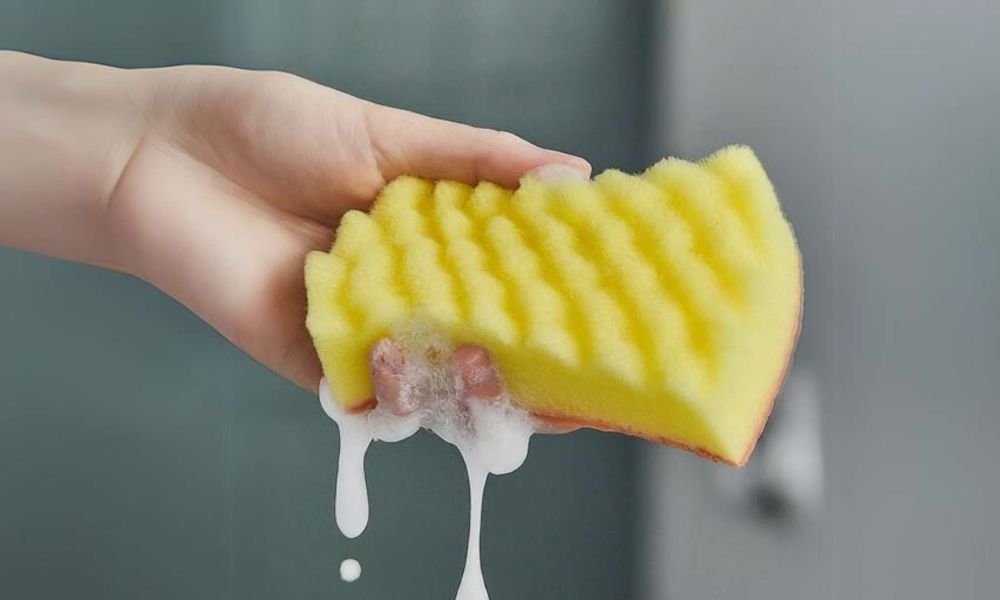
To effectively clean the griddle surface, you’ll need the right tools and materials. Here’s a list of essentials:
- Mild dish soap
- Warm water
- A soft sponge or microfiber cloth
- Plastic scraper or spatula
- Paper towels
- Griddle brush (for cast iron)
- Vegetable oil (for seasoning)
- White vinegar
- Baking soda
Remember, avoid using abrasive materials like steel wool or harsh chemicals, as these can damage the griddle’s surface.
The Quick Clean: Maintaining Your Griddle After Each Use
1. Cooling Down Procedures
After cooking, allow your griddle to cool down to a warm temperature. This makes it safer to handle and prevents thermal shock, which can damage some surfaces.
2. Removing Excess Oil and Food Particles
Once cooled, use a plastic scraper to gently remove any loose food debris. For non-stick surfaces, a damp paper towel can often do the trick.
3. Wiping Techniques for Different Surfaces
For non-stick and ceramic griddles, a soft sponge or microfiber cloth dampened with warm soapy water is usually sufficient. For cast iron, use a griddle brush or a salt scrub to preserve the seasoning.
Deep Cleaning Techniques for Stubborn Residue
1. Soaking Methods for Tough Stains
For particularly stubborn stains, create a paste of baking soda and water. Apply this to the affected areas and let it sit for 15-20 minutes before gently scrubbing.
2. Scrubbing Strategies That Won’t Damage the Surface
When dealing with tougher residue, use a plastic scraper or a nylon brush to avoid scratching. For non-stick surfaces, be extra gentle and avoid applying too much pressure.
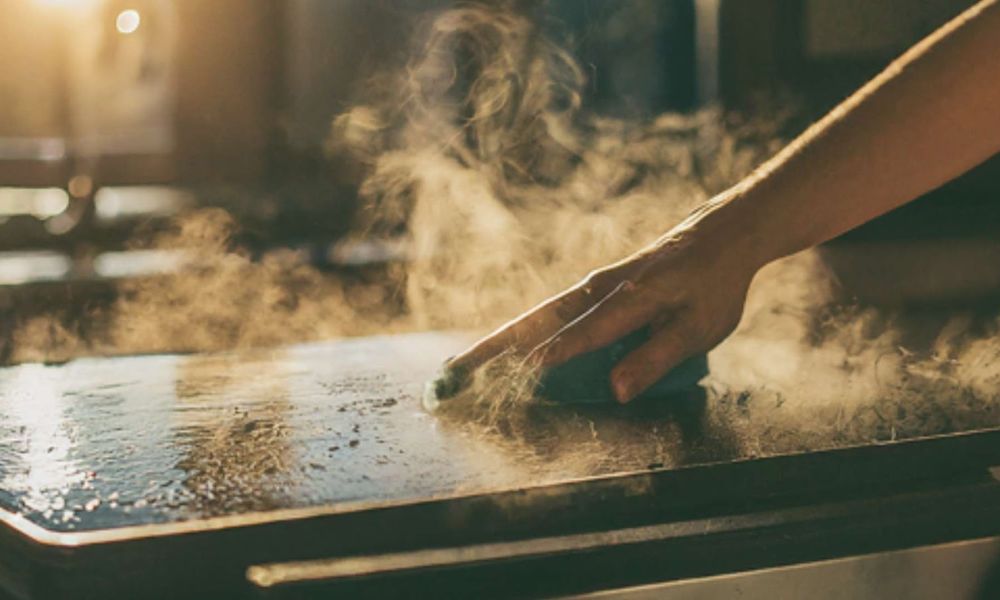
3. Using Steam and Heat to Loosen Grime
For really tough grime, try the steam method:
- Heat the griddle slightly.
- Place a damp cloth over the dirty area.
- Let the steam work for a few minutes to loosen the dirt.
- Wipe clean with a fresh, damp cloth.
Tackling Specific Cleaning Challenges
1. Removing Burnt-on Food
For burnt-on food, create a mixture of equal parts water and white vinegar. Heat the griddle slightly, pour the mixture on the affected area, and let it sit for a few minutes. The acidity will help break down the burnt residue.
2. Dealing with Grease Buildup
To tackle grease buildup:
- Sprinkle baking soda over the greasy areas.
- Let it sit for a few minutes to absorb the grease.
- Using a damp cloth, gently scrub in circular motions.
- Rinse with clean water and dry thoroughly.
3. Addressing Rust on Cast Iron Griddles
If you encounter rust on a cast iron griddle:
- Scrub the rust with steel wool.
- Rinse and dry thoroughly.
- Re-season the griddle immediately to prevent further rusting.
Seasoning and Maintaining Your Griddle’s Surface
1. The Importance of Seasoning
Seasoning is crucial for cast iron griddles and can be beneficial for other types as well. It creates a protective layer that prevents rust and provides a natural non-stick surface.
2. Step-by-Step Seasoning Process
- Clean the griddle thoroughly and dry completely.
- Apply a thin layer of vegetable oil to the entire surface.
- Heat the griddle on medium-high for about 30 minutes.
- Let it cool completely.
- Repeat the process 2-3 times for optimal seasoning.
3. Maintaining the Seasoned Surface Over Time
To maintain the seasoning:
- Avoid using soap on a well-seasoned cast iron griddle.
- After each use, clean with hot water and a brush, then dry immediately.
- Apply a light coat of oil after each cleaning.
Storage and Long-Term Care Tips
1. Proper Drying and Storage Techniques
Always ensure your griddle is completely dry before storage to prevent rust and mold growth. For added protection, place a paper towel or cloth between stacked griddles to absorb any moisture.
2. Preventing Damage During Storage
Store your griddle in a dry place, away from humidity. If possible, store it vertically to save space and prevent scratches.
3. Regular Maintenance Schedule for Optimal Performance
Develop a routine for deep cleaning your griddle at least once a month, depending on the frequency of use. Regular maintenance will extend the life of your appliance and ensure consistent cooking performance.
FAQs
1. How often should I clean my electric griddle?
You should perform a quick clean after each use to remove food debris and excess oil. For deeper cleaning, aim to do it at least once a month or more frequently if you use your griddle often. Regular cleaning prevents buildup and ensures optimal performance.
2. Can I use soap on my cast iron griddle?
It’s generally recommended to avoid using soap on a well-seasoned cast iron griddle as it can strip away the seasoning. Instead, use hot water and a stiff brush to clean it. For stubborn residue, you can use coarse salt as a gentle abrasive. After cleaning, dry thoroughly and apply a light coat of oil to maintain the seasoning.
3. What’s the best way to clean a non-stick electric griddle?
For non-stick griddles, use a soft sponge or cloth with warm, soapy water. Avoid abrasive materials that can scratch the surface. For stuck-on food, soak the area with warm, soapy water before gently wiping. Never use metal utensils or harsh scrubbers on a non-stick surface.
4. How do I remove rust from my electric griddle?
If you encounter rust, especially on a cast iron griddle:
1. Scrub the rust off with steel wool or a metal scrubber.
2. Rinse thoroughly and dry completely.
3. Re-season the griddle immediately by applying a thin layer of oil and heating it.
4. Repeat the seasoning process 2-3 times to rebuild the protective layer.
5. Is it safe to submerge my electric griddle in water?
Final Thoughts
Mastering the art of cleaning your electric griddle is a game-changer for any home cook. By following these easy tips and tricks, you’ve equipped yourself with the knowledge to tackle everything from daily maintenance to deep cleaning challenges. Remember, a clean griddle is not just about appearances – it’s about preserving the quality of your meals, extending the life of your appliance, and ensuring a hygienic cooking environment.
As you incorporate these cleaning techniques into your routine, you’ll find that maintaining your electric griddle becomes second nature. So, don’t forget to pay attention to your griddle’s specific needs, whether it’s a delicate non-stick surface or a sturdy cast iron plate.
Embrace the satisfaction of cooking on a pristine surface, knowing that you’re taking the best possible care of your kitchen companion. With your newly acquired cleaning skills, you’re all set to continue creating delicious memories on your well-maintained electric griddle!
0 Comments
Most Voted