Cutting Board Designs | Exploring Unique Options

10FAQs
In the heart of every kitchen, where culinary creativity meets practicality, lies an unsung hero: the humble cutting board. For centuries, this essential tool has been a steadfast companion to chefs and home cooks alike, providing a sturdy surface for chopping, dicing, and slicing. But in recent years, cutting boards have undergone a remarkable transformation, evolving from simple wooden slabs to innovative kitchen accessories that blend function with artistry.
As our culinary horizons expand and our appreciation for kitchen aesthetics grows, so too does the demand for cutting boards that do more than just provide a surface to chop. Today’s cutting boards are a reflection of personal style, a nod to sustainability, and often, a clever solution to common kitchen challenges. From tech-integrated smart boards to eco-friendly options made from unexpected materials, the world of cutting-board design is ripe with innovation.
Let’s take a closer look at some of the unique cutting board designs that are revolutionizing the way we approach meal preparation.
The Art and Science of Cutting Board Design
Balancing Functionality and Aesthetics
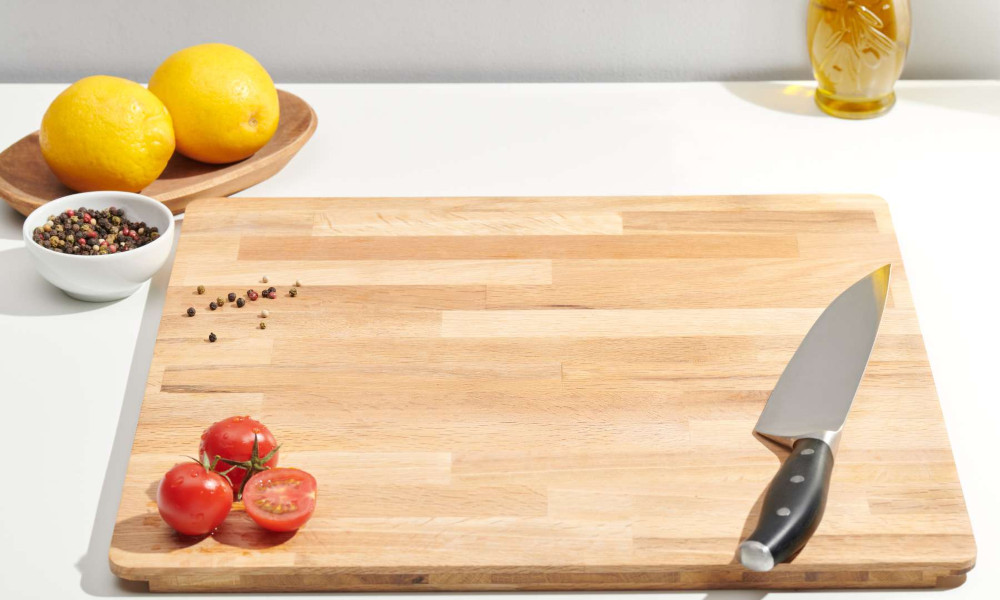
The perfect cutting board is a masterpiece of design, seamlessly blending practicality with visual appeal. It must withstand the daily rigors of food preparation while also complementing your kitchen’s aesthetic. Modern designers are pushing the boundaries, creating boards that are not just tools, but conversation pieces. From minimalist designs that showcase the natural beauty of wood grain to bold, geometric patterns that make a statement, today’s cutting boards are as much about style as they are about function.
Material Considerations in Design
While the classic wood cutting board remains a popular choice, innovative materials are making their way into cutting board design. Bamboo, for its sustainability and natural antibacterial properties, has gained traction. High-density polyethylene offers a non-porous, dishwasher-safe alternative. Even materials like recycled paper composite are entering the scene, offering eco-friendly options that don’t compromise on performance. Each material brings its own set of properties that influence the design process, from weight and durability to knife-friendliness and aesthetic potential.
The Impact of Design on Food Safety
Design isn’t just about looks; it plays a crucial role in food safety. Innovations like juice grooves to catch liquids from meats or fruits, antimicrobial surfaces, and boards with specific zones for different food types all contribute to safer food preparation. Some designs incorporate slight slopes to direct juices away from the cutting area, while others feature removable inserts that can be easily sanitized. As we explore cutting board designs, we’ll see how clever engineering can enhance both safety and convenience in the kitchen.
Classic Cutting Board Designs Reimagined
Traditional Rectangular Boards with a Twist
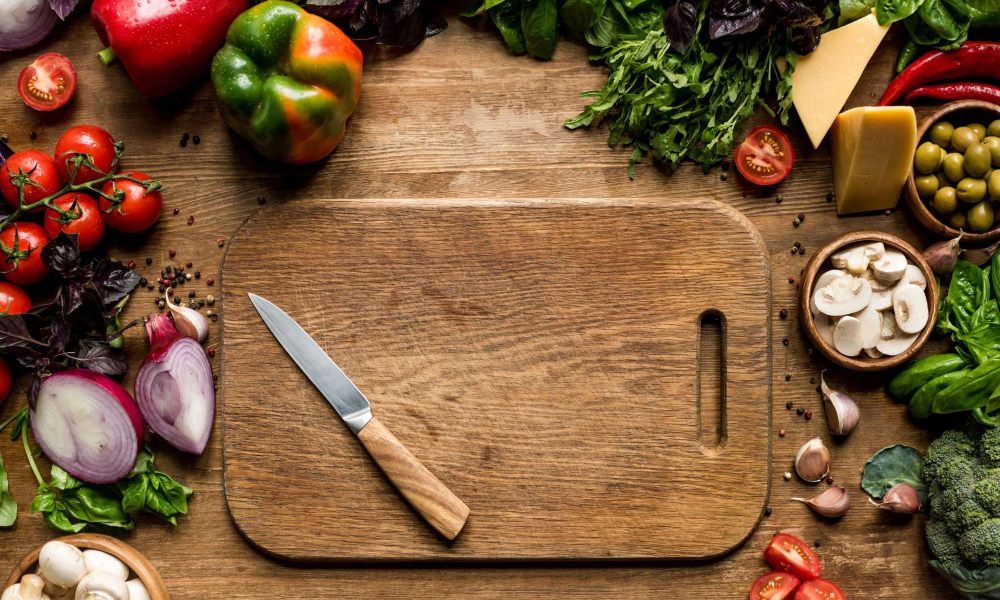
The rectangular cutting board, a kitchen staple, is getting a makeover. Designers are adding unexpected elements to this classic shape. Imagine a walnut board with a vibrant resin river running through it, or a board with an integrated iPad stand for easy recipe viewing. Some feature built-in compartments for holding chopped ingredients, while others incorporate magnets for secure knife storage. These reimagined rectangular boards prove that sometimes, the most innovative designs come from tweaking the familiar.
Circular and Oval Designs: Form Meets Function
Breaking away from the rectangle, circular and oval cutting boards are gaining popularity. These shapes offer a fresh aesthetic and can be more space-efficient on crowded countertops. Some designs feature a rotating base, allowing for easy access to different areas of the board without having to move it. Oval boards often come with tapered ends that make transferring chopped ingredients to a pan or bowl a breeze. These rounded designs aren’t just about looks; they’re reshaping how we interact with our cutting surfaces.
Modernizing the Butcher Block
The butcher block, once relegated to professional kitchens, is making a stylish comeback in home design. Modern versions of this classic are slimmer and more refined, often featuring a mix of end grain and edge grain woods for a striking visual effect. Some designs incorporate removable cutting surfaces that sit atop a solid base, combining the heft of a traditional butcher block with the convenience of a portable board. These updated butcher blocks are becoming centerpieces in contemporary kitchens, blending rustic charm with modern functionality.
Innovative Shape Concepts
Puzzle-Piece Cutting Boards
For those who love a touch of whimsy in their kitchen, puzzle-piece cutting boards are a delightful innovation. These boards come in sets that fit together like a jigsaw puzzle, allowing for customizable work surfaces and easy storage. Each piece can be used individually for smaller tasks or combined to create a larger cutting area. Some designs even incorporate different materials or colors for each piece, adding a playful visual element to your food prep.
Folding and Collapsible Designs
Space-saving solutions are always in demand, and folding cutting boards answer this call brilliantly. These innovative designs can be unfolded to provide a full-sized cutting surface and then collapsed for compact storage. Some versions feature hinged sections that can be angled to create a chute for transferring chopped ingredients. Others incorporate collapsible silicone sides that can be raised to contain messy ingredients. These versatile boards are perfect for small kitchens or for those who love multifunctional tools.
Asymmetrical and Organic Shapes
Breaking free from traditional geometries, some designers are embracing asymmetrical and organic shapes in cutting-board design. These unique cutting boards might mimic the natural contours of a tree slice or take on abstract forms inspired by nature. While unconventional, these shapes can offer unexpected benefits, such as ergonomic edges that make it easier to grip the board or curved sections that naturally guide ingredients toward the center. These boards aren’t just functional; they’re pieces of functional art that make a statement in any kitchen.
Multi-functional Cutting Board Designs
Boards with Built-in Knife Sharpeners
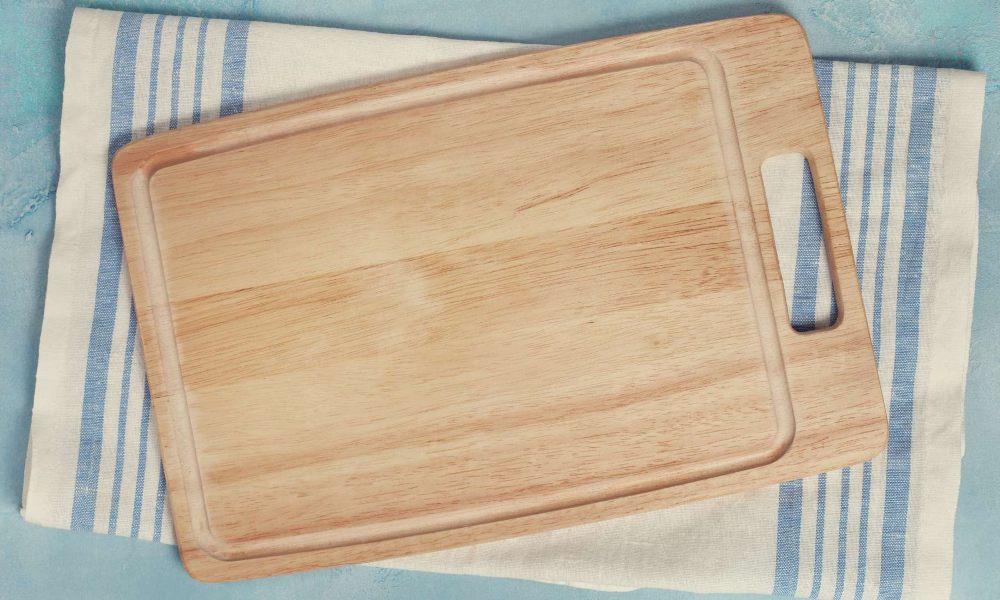
Imagine a cutting board that not only provides a surface for chopping but also keeps your knives in top condition. Some innovative designs now incorporate built-in knife sharpeners, typically along one edge of the board. This integration ensures that you always have a sharp blade at hand, reducing the risk of accidents caused by dull knives. It’s a clever fusion of two essential kitchen tools that saves space and promote good knife maintenance habits.
Integrated Measuring Tools and Conversions
For the precise cook, cutting boards with integrated measuring tools are a game-changer. These designs might feature engraved measurement markings along the edges, built-in scales, or even digital displays for exact measurements. Some boards go a step further, including common kitchen conversions (like tablespoons to cups) directly on the surface. These additions transform the cutting board from a simple chopping surface into a comprehensive food prep station, reducing the need for separate measuring tools and minimizing cleanup.
Cutting Boards Doubling as Serving Trays
Versatility is key in modern kitchen design, and cutting boards that double as serving trays exemplify this trend. These boards often feature elegant handles or decorative edges that make them suitable for presenting cheeses, charcuterie, or appetizers. Some designs include removable serving dishes that nest within the board, perfect for holding olives, nuts, or dips. By serving dual purposes, these boards not only save storage space but also add a touch of sophistication to your entertaining arsenal.
Tech-Integrated Cutting Boards
Smart Cutting Boards with Digital Displays
Welcome to the future of food preparation, where cutting boards come equipped with digital displays. These high-tech boards can show recipe instructions, nutritional information, or even video tutorials right on the cutting surface. Some models feature touch-sensitive controls that allow you to scroll through recipes or adjust settings without having to clean your hands. While still in the early stages, these smart boards hint at a future where technology is seamlessly integrated into every aspect of cooking.
Boards with Built-in Scales
Precision in cooking often requires accurate measurements, and cutting boards with built-in scales offer just that. These innovative designs allow you to weigh ingredients directly on the cutting surface, eliminating the need for a separate kitchen scale. Some advanced models can even sync with smartphone apps to track nutritional information or automatically adjust recipe quantities. This integration of weighing and chopping streamlines the cooking process and appeals to both the health-conscious cook and the culinary perfectionist.
QR Code-Enabled Recipe Suggestions
Imagine scanning your cutting board with your smartphone and instantly accessing a range of recipes tailored to the ingredients you have on hand. Some cutting board designs now incorporate QR codes that, when scanned, link to recipe databases or cooking tips. This feature is particularly useful for those moments when you’re staring at a vegetable, unsure of how to prepare it. By bridging the physical and digital worlds, these boards turn food preparation into an interactive and educational experience.
Eco-Friendly and Sustainable Designs
Recycled Material Cutting Boards
As environmental consciousness grows, so does the demand for kitchenware made from recycled materials. Innovative cutting boards are now being crafted from recycled plastics, reclaimed wood, and even materials like compressed paper or bamboo fibers. These eco-friendly options not only reduce waste but often bring unique textures and patterns to your kitchen. Some designs even incorporate recycled materials in creative ways, like boards made from a composite of recycled paper and cashew nut shells, offering hardwood-like durability with a much smaller environmental footprint.
Biodegradable Options
For those looking to minimize their long-term environmental impact, biodegradable cutting boards are an excellent choice. These boards are typically made from materials like organic bamboo, fast-growing hardwoods, or even innovative bioplastics derived from corn or sugarcane. The key feature of these boards is that they can break down naturally at the end of their life cycle, reducing landfill waste. Some designs go a step further, incorporating seeds into the material so that when the board is eventually discarded, it can potentially grow into plants or trees.
Designs Promoting Waste Reduction
Cutting board designs can play a role in reducing kitchen waste. Some innovative boards feature built-in composting chutes that allow you to easily sweep vegetable scraps into a collection container below. Others incorporate detachable trays for collecting juice and scraps, which can then be easily transferred to a compost bin or used in stocks and sauces. By integrating waste management into the cutting board itself, these designs encourage more sustainable kitchen practices and make it easier for cooks to reduce their food waste footprint.
Personalized and Customizable Cutting Boards
Engraved and Monogrammed Options
A personalized cutting board adds a special touch to any kitchen. Engraving technology has advanced to allow for intricate designs, personal messages, and even photographs to be etched onto cutting-board surfaces. Whether it’s a family recipe preserved in a handwritten script or a monogram that adds a touch of elegance, these personalized boards turn a functional item into a cherished keepsake. Some companies offer online design tools that allow customers to preview their customizations before ordering, ensuring the final product is exactly as envisioned.
Modular and Interchangeable Components
For those who love versatility, modular cutting-board systems offer endless possibilities. These designs feature interchangeable components that can be arranged in various configurations to suit different tasks. You might have a base unit with removable cutting surfaces, attachable containers for holding chopped ingredients, or even add-on modules like graters or mandolin slicers. This modular approach allows users to customize their cutting board setup for each cooking task, maximizing efficiency and minimizing clutter.
Color-Customizable Designs
Color coding cutting boards for different food types (meat, vegetables, etc.) is a well-known food safety practice, but now you can take it a step further with color-customizable designs. Some innovative boards feature interchangeable colored inserts or edges that allow you to switch up the look of your board to match your kitchen decor or mood. Others use heat-sensitive materials that change color based on the temperature of the food being prepared, adding both a functional and visual element to your food prep. These customizable color options add a personal touch to your kitchen while also potentially enhancing food safety practices.
Cutting Boards for Specific Cuisines
Sushi and Sashimi Preparation Boards
The art of sushi and sashimi preparation requires precision and specific tools. Specialized cutting boards for these Japanese cuisines often feature a slight slope to drain away excess moisture, crucial for maintaining the texture of raw fish. Some designs incorporate a built-in rest for sushi rollers or dedicated sections for wasabi and ginger preparation. High-end versions might be crafted from hinoki wood, prized in Japan for its antibacterial properties and subtle, pleasant aroma that complements the delicate flavors of sushi.
Pizza Cutting and Serving Designs
Pizza enthusiasts will appreciate cutting boards designed specifically for their favorite dish. These boards often feature circular designs with subtle grooves that guide pizza cutters for even slices. Some incorporate built-in pizza wheels that pivot from the center of the board, ensuring perfect cuts every time. For serving, these boards might have slight elevations around the edges to keep toppings from sliding off, or even include warming elements to keep the pizza at the ideal temperature. The marriage of cutting and serving functions makes these boards perfect for pizza nights.
Boards Optimized for Cheese Plating
For the cheese connoisseur, a board designed specifically for cheese plating can elevate the entire experience. These boards often feature varied surfaces – perhaps a marble section for keeping certain cheeses cool, a wooden area for softer varieties, and even built-in ceramic dishes for honey or jams. Some designs incorporate a hidden drawer for storing cheese knives and utensils, while others might have labeled sections to help with cheese identification and pairing suggestions. These specialized boards turn cheese serving into an art form, perfect for entertainers and food lovers alike.
Ergonomic Cutting Board Innovations
Designs for Standing vs. Seated Food Prep
Ergonomic considerations in cutting board design are becoming increasingly important, especially as people spend more time cooking at home. Boards designed for standing prep might feature slightly angled surfaces to reduce wrist strain, while those intended for seated use could incorporate notches that secure the board to the edge of a table. Some innovative designs even feature adjustable heights or angles, allowing users to customize the board to their preferred working position, whether standing at a counter or seated at a table.
Boards with Wrist Support Features
Recognizing the strain that prolonged chopping can put on wrists, some cutting board designs now incorporate wrist support features. These might take the form of slightly raised edges that provide a natural rest for your wrists, or attachable ergonomic pads that can be positioned for maximum comfort. Some boards even feature a subtle slope away from the user, which not only supports proper wrist positioning but also helps guide chopped ingredients towards the center of the board.
Left-Handed Friendly Options
While many cutting boards are symmetrical and suitable for both right and left-handed users, some designs are now catering specifically to left-handed cooks. These boards might feature juice grooves or ingredient compartments positioned for left-handed use, or asymmetrical shapes that are more comfortable for left-handed chopping motions. By considering the needs of left-handed users, these designs ensure that everyone can enjoy comfortable and efficient food preparation.
FAQs
1. How do I choose the right cutting board material?
Choosing the right cutting board material depends on your specific needs and cooking habits. Wooden boards, such as those made from maple or walnut, are gentle on knives and provide a classic look but require regular maintenance. Plastic cutting boards are dishwasher safe and ideal for cutting raw meat due to their non-porous nature. Bamboo boards are eco-friendly and more resistant to bacteria. Consider the type of food you commonly prepare and the level of maintenance you’re willing to commit to when selecting a material.
2. What is the best way to clean and maintain my cutting board?
Proper cleaning and maintenance depend on the material of your cutting board. Wooden boards should be hand washed with mild soap and water, then dried immediately to prevent warping and cracking. They also benefit from regular oiling with food-grade mineral oil to maintain their condition. Plastic boards can usually be cleaned in the dishwasher. Regardless of the material, it’s important to sanitize your cutting board by occasionally applying a vinegar or bleach solution, especially after preparing raw meat.
3. Can I use my cutting board for both raw meat and vegetables?
For food safety, it’s best to use separate cutting boards for raw meat and vegetables to avoid cross-contamination. Many people follow the practice of color-coding their boards to distinguish between different food types. If you prefer to use just one board, clean it thoroughly with hot, soapy water after cutting raw meat before using it for vegetables or other foods.
4. How can I prevent my cutting board from sliding on the counter?
To prevent your cutting board from sliding, place a damp dishcloth or a non-slip mat underneath it. Some cutting boards come with built-in non-slip feet or edges to provide stability during use. Ensuring your cutting board is secure not only makes food preparation more efficient but also reduces the risk of accidents.
5. Are modular and color-customizable cutting boards worth the investment?
Modular and color-customizable cutting boards offer significant benefits if you are looking for versatility and aesthetic appeal in your kitchen. Modular systems allow you to adapt your cutting setup to specific tasks, often increasing efficiency and reducing clutter. Color-customizable designs can enhance food safety by helping to prevent cross-contamination and adding a personal touch to your kitchen. While these options may be more expensive, they provide practical and visual benefits that many users find valuable.
Final Thoughts
As we’ve carved our way through the world of cutting-board designs, it’s clear that this kitchen essential has evolved far beyond its humble origins. From smart technology integration to sustainable materials, from ergonomic innovations to artistic collaborations, cutting boards are no longer just about providing a surface to chop on, they’re about enhancing the entire culinary experience.
The beauty of modern cutting board design lies in its ability to cater to every need and preference. Whether you’re looking for a high-tech solution to streamline your cooking process, an eco-friendly option to reduce your environmental impact or a personalized piece to add character to your kitchen, there’s a cutting board out there that’s perfect for.
0 Comments
Most Voted