Sous Vide Beef Short Ribs | Tips & Tricks Revealed

10FAQs
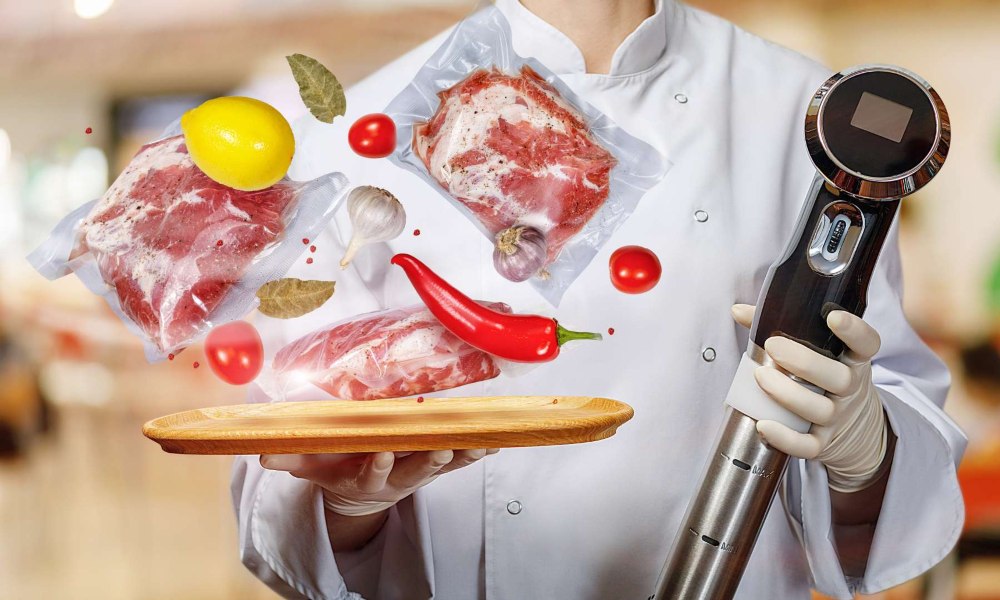
In the realm of culinary delights, few dishes can rival the rich, melt-in-your-mouth experience of perfectly cooked beef short ribs. These flavorful cuts, once relegated to slow-cooking methods that demanded hours of attention, have found a new champion in the world of sous vide cooking.
This revolutionary technique has transformed the way we approach tough cuts of meat, offering a foolproof method to achieve consistently tender and juicy results. As we embark on this gastronomic journey, we’ll delve into the intricacies of sous vide cooking and its particular magic when applied to beef short ribs.
From selecting the ideal cut to mastering the art of temperature control, we’ll uncover the secrets that elevate this dish from simple comfort food to a restaurant-quality masterpiece. With our tips and tricks, you’ll soon be creating fork-tender, flavor-packed ribs that will have your guests questioning if you’ve secretly enlisted the help of a professional chef.
Understanding Beef Short Ribs: The Foundation of Flavor
Before we dive into the sous vide process, it’s crucial to understand the star of our dish: beef short ribs. This cut of beef is known for its rich marbling and robust flavor, making it a favorite among meat lovers and chefs alike.
Actually, the short ribs come from the beef chuck portion of the cow, specifically the rib area. They consist of a short portion of the rib bone surrounded by meat, fat, and connective tissue. This composition is what gives short ribs their incredible flavor and potential for tenderness when cooked properly.
Different Cuts and Their Characteristics
There are two main cuts of short ribs:
- English-cut: These are cut parallel to the bone and typically come in 2-3 inch lengths.
- Flanken-style: Cut across the bones, resulting in thin strips with multiple cross-sections of bones.
For sous vide cooking, English-cut ribs are often preferred due to their thickness and ability to withstand long cooking times without falling apart.
Why Short Ribs Benefit from Slow Cooking
The abundance of connective tissue in short ribs requires extended cooking times to break down and transform into gelatin, which is responsible for the melt-in-your-mouth texture we crave. Traditional methods like braising achieve this through hours of low-temperature cooking. Sous vide takes this concept to the next level, offering precise temperature control for optimal results.
Sous Vide Cooking: A Primer for Perfect Short Ribs
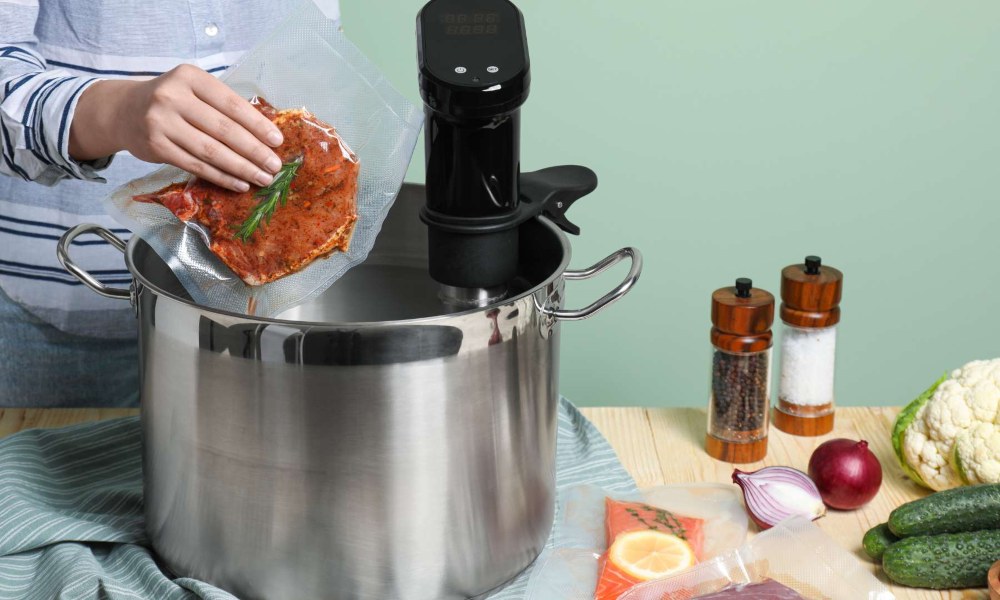
Sous vide, French for “under vacuum” is a cooking method that involves sealing food in airtight bags and cooking it in a temperature-controlled water bath. This technique offers unparalleled precision and consistency, making it ideal for tough cuts like short ribs.
The Science Behind Sous Vide
When you cook sous vide, you’re able to maintain a constant temperature throughout the cooking process. This allows for even cooking from edge to edge and prevents overcooking. For short ribs, this means you can achieve the perfect level of doneness while still breaking down tough connective tissues.
Equipment Needed for Sous Vide Short Ribs
To get started with sous vide short ribs, you’ll need:
- An immersion circulator, or sous vide device
- A large container or pot for water
- Sous vide bags or a vacuum seal system
- A cast-iron skillet or grill for finishing
Advantages Over Traditional Cooking Methods
Sous vide offers several benefits when cooking short ribs:
- Consistency: Achieve the same results every time
- Flexibility: Once the ribs reach temperature, they can hold for hours without overcooking
- Moisture Retention: The sealed environment prevents moisture loss
- Flavor infusion: Seasonings and marinades are intensified during the long cooking time
Selecting the Perfect Short Ribs: Quality Matters
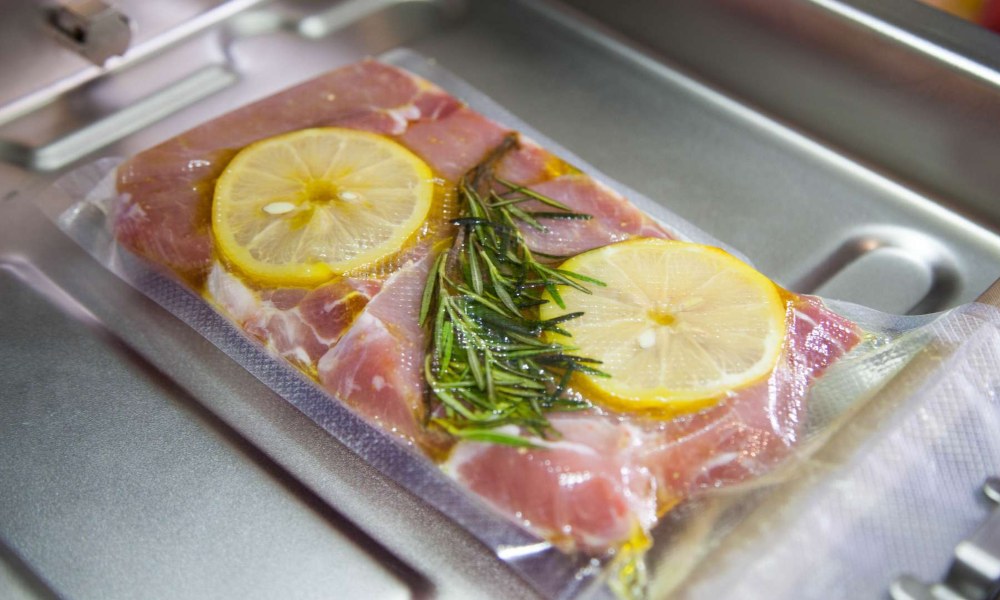
The journey to exceptional sous vide short ribs begins at the butcher counter. Choosing high-quality ribs is crucial for the best results.
Grass-fed vs. Grain-fed Beef
Both grass-fed and grain-fed beef have their merits:
- Grass-fed: Often leaner with a more mineral, “beefier” flavor
- Grain-fed: Typically more marbled, resulting in a richer taste and texture
Your choice will depend on personal preference and dietary considerations.
Fresh vs. Frozen: What to Look For
While fresh is often preferred, properly frozen short ribs can work well for sous vide:
- Fresh: Look for bright red meat with no discoloration
- Frozen: Ensure there’s no freezer burn and that the packaging is intact
Preparation Techniques: Setting the Stage for Success
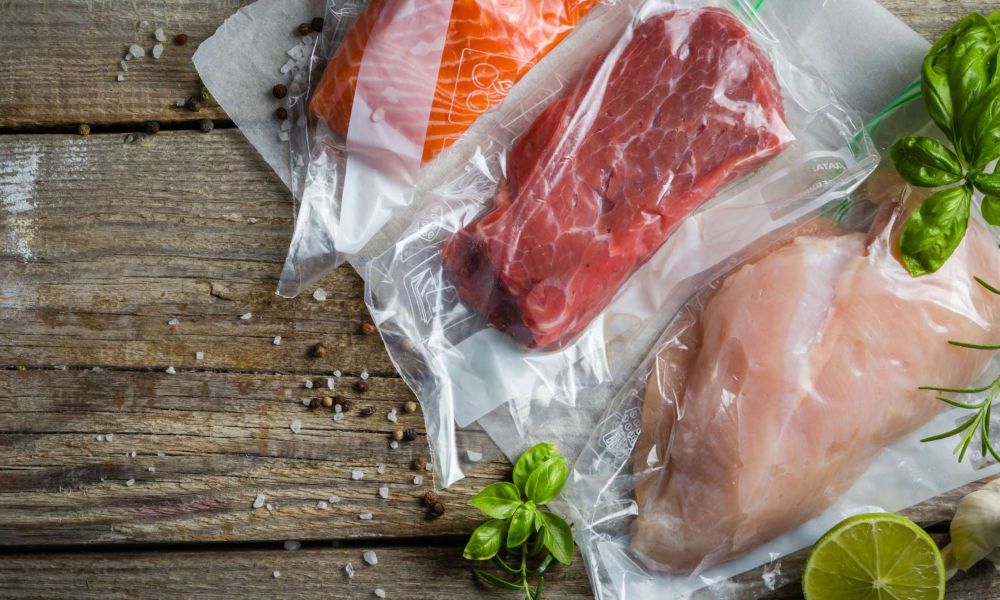
Proper preparation is key to maximizing the flavor and texture of your sous vide short ribs.
1. Trimming and Portioning
Remove any excess fat or silverskin from the exterior of the ribs. While some fat is desirable for flavor, too much can prevent proper seasoning penetration. Portion the ribs into individual servings if desired.
2. To Season or Not to Season?
Seasoning before sous vide cooking is a matter of personal preference. A simple salt and pepper rub can work wonders, allowing the natural flavors of the beef to shine. For more complex flavors, consider adding garlic, herbs, or even a spice rub.
3. Aromatics and Flavor Enhancers
Enhance your short ribs by adding aromatics to the sous vide bag:
- Fresh herbs like thyme or rosemary
- Sliced garlic or shallots
- A splash of red wine or Worcestershire sauce
These additions will infuse the meat with subtle flavors during the long cooking process.
The Sous Vide Process: Mastering Time and Temperature
The key to perfect sous vide short ribs lies in finding the right balance of temperature and cooking duration.
1. Temperature Selection: Balancing Tenderness and Texture
The ideal temperature depends on your preferred level of doneness:
- 131°F (55°C): Medium-rare, with a tender but slightly firmer texture
- 140°F (60°C): Medium, offering a good balance of tenderness and texture
- 165°F: Well-done, fall-off-the-bone tender
2. Cooking Duration: The Long Game
Short ribs benefit from extended cooking times:
- 24 hours: Minimum recommended time for tender results
- 36-48 hours: Optimal for most textures and temperatures
- 72 hours: Maximum time for extreme tenderness (use with caution)
3. Bagging Techniques: Vacuum vs. Water Displacement
While a vacuum sealer is ideal, the water displacement method can work well:
- Place ribs in a ziplock bag
- Slowly lower the bag into the water, allowing the pressure to push out air
- Seal the bag just before it submerges completely
4. Troubleshooting Common Issues
- Floating bags: Use sous vide weights or a rack to keep bags submerged
- Leaking bags: Double-bag or use higher quality bags
- Uneven cooking: Ensure water can circulate freely around each bag
Post-Sous Vide Finishing Methods: The Final Touch
After sous vide cooking, a proper finish is crucial for developing flavor and texture.
1. The Importance of Searing
Searing creates a flavorful crust through the Maillard reaction. Pat the ribs dry and sear them in a hot cast-iron skillet for 1-2 minutes per side.
2. Grilling Options
For a smoky flavor, finish the ribs on a hot grill for 2-3 minutes per side. This method works particularly well for outdoor gatherings.
3. Broiling and Torch Finishing
Use your oven’s broiler or a culinary torch for a quick finish when time is of the essence.
4. Sauce Creation from Bag Juices
Don’t discard the liquid from the sous vide bag! Reduce it with red wine and aromatics for a rich, flavorful sauce to accompany your ribs.
Accompaniments and Pairings: Completing the Meal
Elevate your sous vide short ribs with carefully chosen sides and beverages.
Side Dish Suggestions
- Creamy polenta or mashed potatoes
- Roasted root vegetables
- Sautéed mushrooms or wild greens
Wine and Beer Pairings
- Red wine: Bold Cabernet Sauvignon or Syrah
- Beer: Rich stout or brown ale
Creating a Well-Rounded Meal
Balance the richness of the short ribs with acidic or fresh elements like a crisp salad or pickled vegetables.
Advanced Techniques and Variations: Elevating Your Short Rib Game
Once you’ve mastered the basics, explore these advanced techniques to take your sous vide short ribs to the next level.
Smoke Infusion Pre-Sous Vide
Use a smoker to add a layer of smoky flavor before sous vide cooking. Cold smoke the ribs for 30-60 minutes, then proceed with the sous vide process.
Dry Aging at Home
Experiment with dry aging your short ribs in the refrigerator for 3-7 days before cooking. This concentrates flavors and tenderizes the meat further.
Asian-Inspired Flavor Profiles
Create an Asian-inspired marinade with soy sauce, ginger, and sesame oil to infuse into the ribs during sous vide cooking.
Incorporating Sous Vide Short Ribs in Other Dishes
Use your perfectly cooked short ribs as a component in other dishes:
- Shred for tacos or sandwiches
- Slice thinly for a luxurious steak salad
- Cube and add to a hearty stew or chili
Storing and Reheating: Extending the Enjoyment
Proper storage and reheating techniques ensure you can enjoy your sous vide short ribs for days to come.
Proper Cooling and Storage Methods
After cooking, immediately cool your short ribs in an ice bath before storing. Refrigerate in an airtight container for up to four days, or freeze for up to three months. To reheat, use a sous vide bath at the original cooking temperature for 1-2 hours.
Reheating Without Overcooking
Maintaining the texture and flavor of your sous vide short ribs requires careful reheating to avoid overcooking. One effective method is to reheat the ribs in the sous vide bath at the original cooking temperature for 1-2 hours. Alternatively, you can warm them slowly in a low-temperature oven, keeping them covered to preserve moisture. Both approaches ensure the meat stays tender and juicy without additional cooking. For a quicker option, heat the sealed bags in a 130°F (54°C) water bath for about 30 minutes, then finish with a brief sear.
Freezing Tips for Batch Cooking
For best results when freezing:
- Cool completely before freezing: Ensure that the food has cooled to room temperature to prevent ice crystals from forming, which can affect the texture and flavor upon reheating.
- Remove as much air as possible from the bag: Use a vacuum sealer or press out as much air as you can to minimize freezer burn and preserve the food’s freshness.
- Label with the date and cooking temperature used: Clearly marking the date ensures you use it within an optimal timeframe, and noting the cooking temperature helps in maintaining consistent food quality when you reheat it.
FAQs
1. What’s the ideal cooking temperature and time for sous vide beef short ribs?
The ideal temperature depends on your preferred doneness. For medium-rare, cook at 131°F (55°C) for 36-48 hours. For a more tender, fall-off-the-bone texture, you can cook at 165°F for 24-36 hours. Experiment within these ranges to find your perfect balance of texture and doneness.
2. Can I sous vide frozen short ribs?
Yes, you can sous vide frozen short ribs. Simply add 60-90 minutes to your cooking time to allow for thawing. It’s best to season the ribs before freezing for optimal flavor infusion during cooking.
3. How do I prevent the bag from floating during sous vide cooking?
To prevent floating, ensure you’ve removed as much air as possible from the bag using either a vacuum sealer or the water displacement method. You can also use sous vide weights or a heavy plate to keep the bag submerged.
4. Is it safe to cook short ribs at low temperatures for extended periods?
Yes, it’s safe when proper food handling practices are followed. The long cooking times at precise temperatures pasteurize the meat, making it safe to consume. Always use fresh, properly stored meat and maintain a clean cooking environment.
5. Can I reuse the cooking liquid from the sous vide bag?
Absolutely! The cooking liquid is packed with flavor. Strain it and use it as a base for sauces, gravies, or even as a flavor enhancer for soups and stews. It can be reduced on the stovetop to intensify flavors further.
Final Thoughts
As we conclude our journey through the world of sous vide beef short ribs, it’s clear that this cooking method offers unparalleled control and consistency in transforming this tough cut into a tender delicacy. By understanding the science behind sous vide, selecting quality ingredients, and mastering the techniques we’ve explored, you’re now equipped to create restaurant-quality short ribs in the comfort of your own kitchen.
Remember, the beauty of sous vide lies not just in its precision, but also in its flexibility. Don’t be afraid to experiment with different temperatures, cooking times, and flavor profiles to find your perfect short rib. Whether you prefer a traditional preparation or want to venture into more adventurous culinary territories, sous vide provides a solid foundation for your creativity to flourish.
As you continue to refine your skills, share your successes (and even your learning experiences) with fellow food enthusiasts. The world of sous vide is ever-evolving, and your contributions could inspire others to embark on their own culinary adventures. So fire up that immersion circulator, embrace the art of patience, and prepare to delight in the succulent, flavor-packed results of your sous vide beef short ribs. Happy cooking!
0 Comments
Most Voted