Crackers for Charcuterie Board | Best Options of 2026

9FAQs
In the world of culinary arts, few creations captivate the senses quite like a well-crafted charcuterie board. This symphony of flavors, textures, and visual delights has evolved from simple meat and cheese platters to elaborate displays that showcase the pinnacle of gastronomic creativity. At the heart of this evolution lies an often-overlooked hero, the humble cracker.
But in today’s world, the charcuterie world has experienced a remarkable evolution, with crackers emerging as the unexpected stars. No longer just carriers for cheese and meat, modern crackers have become culinary delights themselves. They now offer innovative flavors, unique textures, and even enhanced nutritional profiles that elevate the entire charcuterie experience.
In this comprehensive guide, we’ll delve into the vibrant world of crackers for charcuterie boards, showcasing the best options for 2026. From artisanal delights to sustainable picks, and from gluten-free alternatives to DIY recipes, we’ll provide you with the insights to elevate your charcuterie spread from ordinary to extraordinary.
The Evolution of Charcuterie Crackers: A Flavorful Journey
The story of crackers in charcuterie is one of remarkable transformation. From simple, bland vehicles for cheese to complex, flavorful components in their own right, crackers have come a long way.
A Brief History of Crackers in Charcuterie
Traditionally, crackers served a utilitarian purpose on charcuterie boards – providing a neutral base for meats and cheeses. Early options were often plain water crackers or basic wheat varieties, chosen more for their ability to not interfere with other flavors than for any contribution of their own.
Recent Innovations in Cracker Production
As consumer palates have become more sophisticated, so too have the crackers adorning our charcuterie boards. Recent years have seen an explosion of innovation in cracker production, with bakers experimenting with unique grains, seeds, and flavoring techniques. The result is a diverse array of crackers that offer complex flavor and texture profiles, designed to complement rather than simply support the other elements on the board.
Shift Towards Artisanal and Health-Conscious Options
2026 has ushered in a new era of cracker consciousness. Artisanal crackers, crafted in small batches with premium ingredients, have gained immense popularity. Simultaneously, there’s been a surge in health-conscious options, with crackers featuring alternative grains, reduced sodium, and added nutritional benefits. This shift reflects a broader trend in food culture towards mindful eating and appreciation for craftsmanship.
Cracker Characteristics for the Perfect Charcuterie Board
Creating the perfect charcuterie board requires careful consideration of each element, and crackers are no exception. Let’s explore the key characteristics that make a cracker ideal for charcuterie.
Texture Considerations
The texture of a cracker can make or break its performance on a charcuterie board. The ideal cracker should be sturdy enough to support toppings without crumbling, yet not so hard that it overpowers delicate cheeses or meats. A satisfying crisp or crispy texture adds an enjoyable contrast to softer charcuterie elements.
Flavor Profiles that Complement Charcuterie
While crackers shouldn’t compete with the star ingredients on your board, they can certainly enhance them. Subtle herb infusions, nutty undertones, or a hint of sweetness can beautifully complement various cheeses and cured meats. The key is balance – a cracker should add to the overall flavor experience without dominating it.
Visual Appeal and Presentation
In the age of Instagram-worthy charcuterie boards, the visual appeal of crackers cannot be overlooked. Crackers with interesting shapes, colors, or textures can add visual interest to your board. Artisanal crackers with visible seeds or herbs not only taste great but also contribute to the overall aesthetic of your spread.
Top 10 Crackers for Charcuterie in 2026
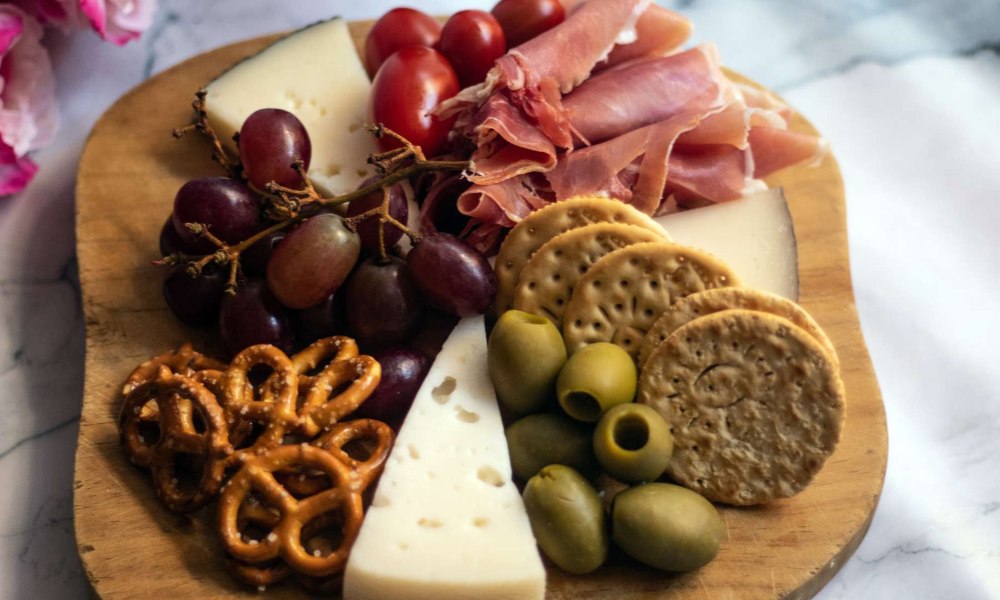
As we dive into the best options for 2026, we’ll explore a diverse range of crackers that cater to various tastes and dietary needs. Each of these selections brings something unique to the charcuterie board experience.
1. Rosemary and Sea Salt Flatbreads
These thin, crispy flatbreads offer a delightful herbal note that pairs beautifully with both soft and hard cheeses. The subtle rosemary flavor elevates simple cheeses, while the sea salt enhances the flavors of cured meats.
2. Ancient Grain Crisps
Featuring a blend of quinoa, amaranth, and millet, these crisps provide a nutty flavor and satisfying crunch. Their hearty texture makes them perfect for supporting heavier toppings like aged cheddar or pâté.
3. Fig and Olive Crisps
A sweet and savory combination that’s perfect for pairing with blue cheeses or prosciutto. The dried fig pieces add bursts of sweetness, while the olive notes provide a Mediterranean flair.
4. Sourdough Crackers
These tangy crackers offer a complex flavor that compliments a wide range of cheeses. Their slightly chewy texture contrasts nicely with creamy spreads and soft cheeses.
5. Seed Medley Thins
Packed with a variety of seeds like pumpkin, sunflower, and flax, these crackers offer a nutritional boost along with a satisfying crunch. They pair exceptionally well with creamy goat cheese or hummus.
6. Black Pepper and Parmesan Crisps
These bold-flavored crisps stand up well to strong cheeses and spicy cured meats. The black pepper provides a nice kick, while the parmesan adds a savory depth.
7. Gluten-Free Almond Flour Crackers
Perfect for those with gluten sensitivities, these crackers offer a nutty flavor and crisp texture that rivals their wheat-based counterparts. They pair beautifully with soft, creamy cheeses.
8. Rye and Caraway Crispbreads
These Scandinavian-inspired crackers bring a robust flavor to the board. Their earthy rye base and aromatic caraway seeds make them an excellent match for smoked salmon or aged gouda.
9. Truffle-Infused Water Crackers
A luxurious twist on the classic water cracker, these delicate crisps are infused with truffle essence. They’re perfect for showcasing high-quality cheeses without overpowering them.
10. Beetroot and Thyme Crisps
These visually striking crackers add a pop of color to your board. Their earthy beetroot flavor, accented with thyme, pairs wonderfully with creamy chèvre or tangy feta.
Gluten-Free and Alternative Grain Options
The rise of gluten-free diets has led to an explosion of innovative cracker options that cater to various dietary needs without sacrificing flavor or texture.
1. Rise of Gluten-Free Charcuterie Boards
As more people adopt gluten-free lifestyles, the demand for suitable crackers has soared. Charcuterie board creators are now prioritizing inclusive options to ensure all guests can enjoy the full experience.
2. Innovative Alternative Grain Crackers
Crackers made from alternative grains like buckwheat, teff, and sorghum are not only gluten-free but also offer unique flavors and textures. These options often provide additional nutritional benefits, making them popular choices for health-conscious consumers.
3. Taste and Texture Comparisons
While early gluten-free crackers often fell short in texture, today’s alternatives rival their wheat-based counterparts. Many gluten-free options now offer the same satisfying crunch and flavor complexity as traditional crackers.
Artisanal and Small-Batch Cracker Makers
The artisanal food movement has brought a new level of craftsmanship to cracker production, resulting in unique and high-quality options for discerning charcuterie enthusiasts.
1. Spotlight on Emerging Artisanal Brands
Small-batch cracker makers are pushing the boundaries of flavor and texture. Brands like “Rustic Roots” and “Urban Oven” are gaining popularity for their innovative recipes and commitment to quality ingredients.
2. Handcrafted Techniques and Ingredients
Artisanal crackers often feature traditional baking methods and carefully sourced ingredients. Hand-rolling, stone-milling grains, and slow fermentation are just a few techniques that set these crackers apart.
3. Supporting Local and Small Businesses
Choosing artisanal crackers not only enhances your charcuterie board but also supports local economies and small-scale food producers. Many of these brands have compelling stories and a deep passion for their craft.
DIY Cracker Recipes for Charcuterie
For those who love to get hands-on in the kitchen, making your own crackers can be a rewarding experience that allows for the ultimate customization of your charcuterie board.
1. Simple Recipes for Homemade Crackers
Creating your own crackers is easier than you might think. A basic recipe might include flour, water, oil, and salt, with endless possibilities for flavor additions. Here’s a simple recipe to get you started:
- 2 cups all-purpose flour
- 2 teaspoons herbs de Provence
- 1 teaspoon sea salt
- 2/3 cup water
- 1/3 cup olive oil
Mix dry ingredients, add wet ingredients, knead, roll thin, and bake at 400°F for 10-12 minutes.
2. Customization Options for Flavor and Texture
Experiment with different flours, seeds, herbs, and spices to create unique flavor combinations. Adding cheese, nuts, or dried fruits to the dough can also yield interesting results.
3. Benefits of Making Your Own Crackers
Homemade crackers allow you to control ingredients, avoid preservatives, and tailor flavors to your specific charcuterie selections. Plus, the aroma of freshly baked crackers adds an extra layer of appeal to your gathering.
Pairing Crackers with Specific Charcuterie Items
The art of pairing crackers with charcuterie elements is key to creating a harmonious and delightful tasting experience.
1. Best Crackers for Soft Cheeses
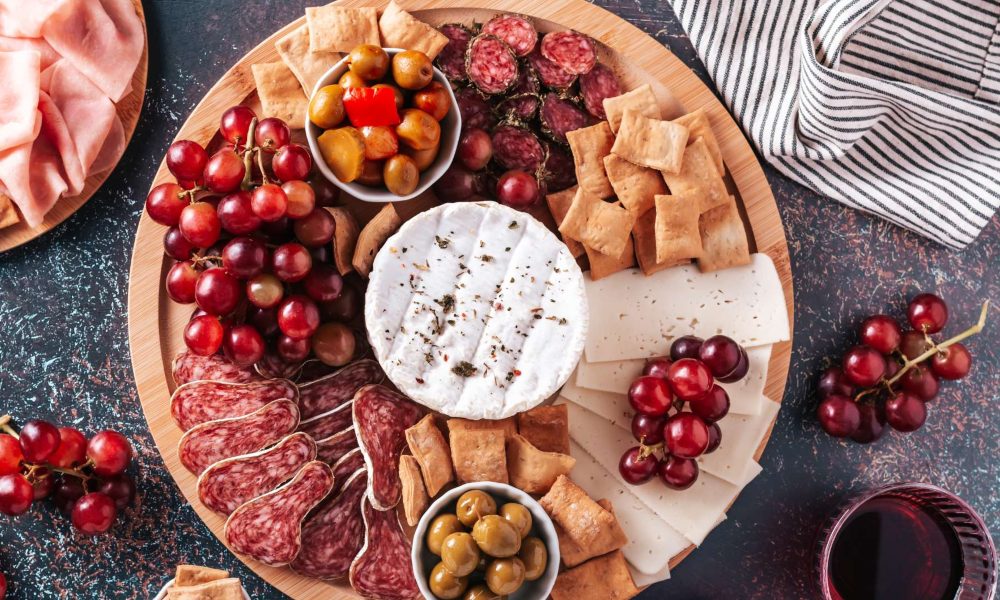
Delicate, neutral crackers like water crackers or mild seed crisps work well with soft cheeses like brie or camembert. They provide a crisp contrast without overpowering the cheese’s subtle flavors.
2. Ideal Pairings for Cured Meats
Robust crackers with herbs or strong flavors can stand up to the intensity of cured meats. Try rosemary flatbreads with prosciutto or black pepper crisps with salami.
3. Complementing Spreads and Dips
For spreads and dips, choose crackers that can hold up to scooping without breaking. Thicker, sturdier options like multigrain crisps or sourdough crackers work well and can add complementary flavors to your dip.
The Art of Cracker Arrangement on a Charcuterie Board
The presentation of your crackers can significantly impact the overall appeal and functionality of your charcuterie board.
1. Visual Composition Techniques
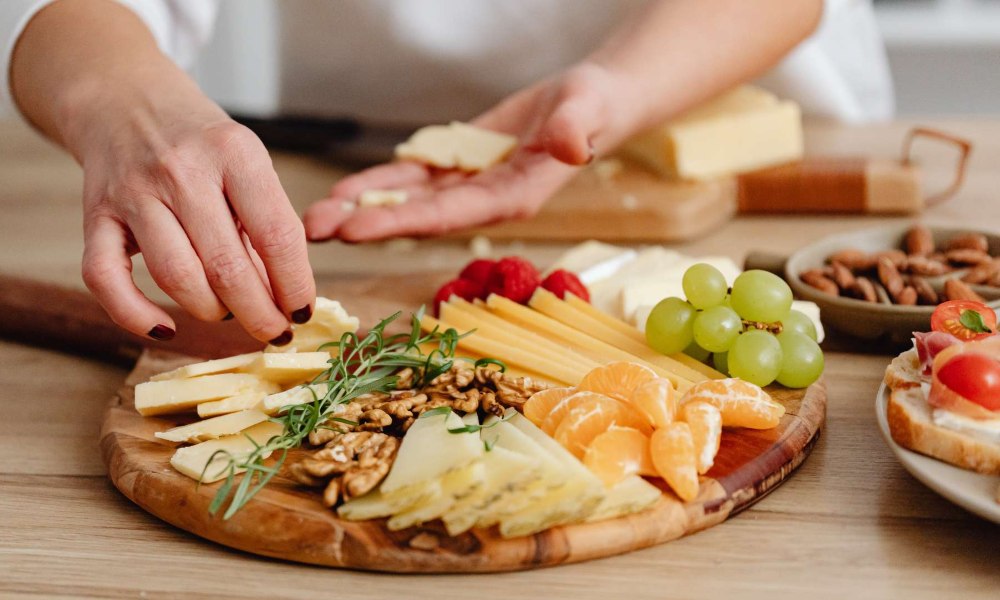
Arrange crackers in fans, stacks, or curved lines to create visual interest. Intersperse different shapes and colors throughout the board to draw the eye and encourage exploration.
2. Practical Considerations for Guest Access
Place crackers strategically around the board to ensure easy access. Consider providing a separate plate of crackers for guests to replenish as needed, keeping the main board intact.
3. Creating Height and Texture Variation
Use small bowls or stands to elevate some crackers, adding dimension to your board. Mix flat crackers with more three-dimensional options to create textural contrast.
FAQs
1. Can I make gluten-free crackers at home for my charcuterie board?
Yes, you can easily make gluten-free crackers at home by using alternative flours such as almond flour, chickpea flour, or a gluten-free flour blend. Simply substitute these flours in your favorite cracker recipe and ensure other ingredients are gluten-free as well.
2. How can I keep my homemade crackers fresh and crispy?
To maintain the freshness and crispiness of your homemade crackers, store them in an airtight container at room temperature. For longer storage, you can also freeze the crackers in a resealable plastic bag; just make sure to place a piece of parchment paper between layers to prevent sticking.
3. What types of crackers are best for vegan charcuterie boards?
Vegan charcuterie boards benefit from a variety of crackers like whole grain crackers, rice crackers, and seed-based crisps. Look for options made without any animal products such as butter, cheese, or milk to ensure they are vegan-friendly.
4. How do I avoid oversaturating my bread crackers when using spreads and dips?
To prevent bread crackers from becoming soggy when serving spreads and dips, opt for thicker, sturdier crackers such as sourdough crisps or pita chips. Additionally, you can lightly toast your bread crackers to add crispness and durability.
5. Are there any low-carb cracker options suitable for charcuterie boards?
Yes, there are several low-carb cracker options available for your charcuterie board. Look for crackers made from seeds, nuts, or low-carb flours like almond flour. These alternatives not only offer fewer carbohydrates but also add interesting flavors and textures to your selection.
Final Thoughts
As we’ve journeyed through the world of crackers for charcuterie boards in 2026, it’s clear that these once-humble accompaniments have evolved into stars in their own right. From artisanal creations to sustainable options, and from gluten-free alternatives to DIY recipes, the choices are more diverse and exciting than ever before.
The perfect cracker for your charcuterie board is one that not only complements the meat and cheese selections but also reflects your personal taste and values. Whether you opt for the innovative flavors of fig and olive crisps, the robust texture of ancient grain crisps, or the satisfaction of homemade rosemary flatbreads, remember that each cracker you choose plays a crucial role in the overall experience.
As you make a charcuterie board, let your creativity shine. Mix and match different crackers to provide a variety of textures and flavors. Consider the season, your guests’ preferences, and the overall theme of your gathering. And most importantly, enjoy the process of creating a board that is uniquely yours.
The world of charcuterie is ever-evolving, and crackers will continue to play an integral role in its future. By staying informed about new trends, experimenting with different pairings, and perhaps even trying your hand at making your own crackers, you’ll be well-equipped to create memorable charcuterie experiences for years to come. So, gather your favorite crackers, select your finest cheeses and meats, and prepare to delight in the art of charcuterie.
0 Comments
Most Voted