Salt and Pepper | Mastering These Culinary Essentials

12FAQs
In the vast orchestra of flavors that compose our culinary world, two instruments stand out for their ubiquity and power: salt and pepper. These humble seasonings, often taken for granted, are the unsung heroes of countless dishes, capable of transforming the mundane into the extraordinary. From the simplest scrambled eggs to the most complex gourmet creations, salt and pepper play an indispensable role in shaping our gastronomic experiences.
The journey of these elements of good cooking through history is as rich and varied as the cuisines they enhance. Salt, once so valuable it was used as currency, has shaped economies and cultures for millennia. Pepper, the “King of Spices,” spurred explorations and changed the course of history in its journey from the lush vines of Southeast Asia to dinner tables around the globe.
Together, they have withstood the test of time, remaining steadfast in their positions as the culinary world’s most essential seasonings. Mastering the use of salt and pepper is a fundamental skill for any cook, professional or amateur. The ability to properly season a dish can mean the difference between a forgettable meal and an unforgettable culinary experience.
In this exploration of these culinary stalwarts, we’ll delve into their histories, examine their scientific properties, and uncover the techniques that can help you elevate your cooking to new heights.
The History of Salt
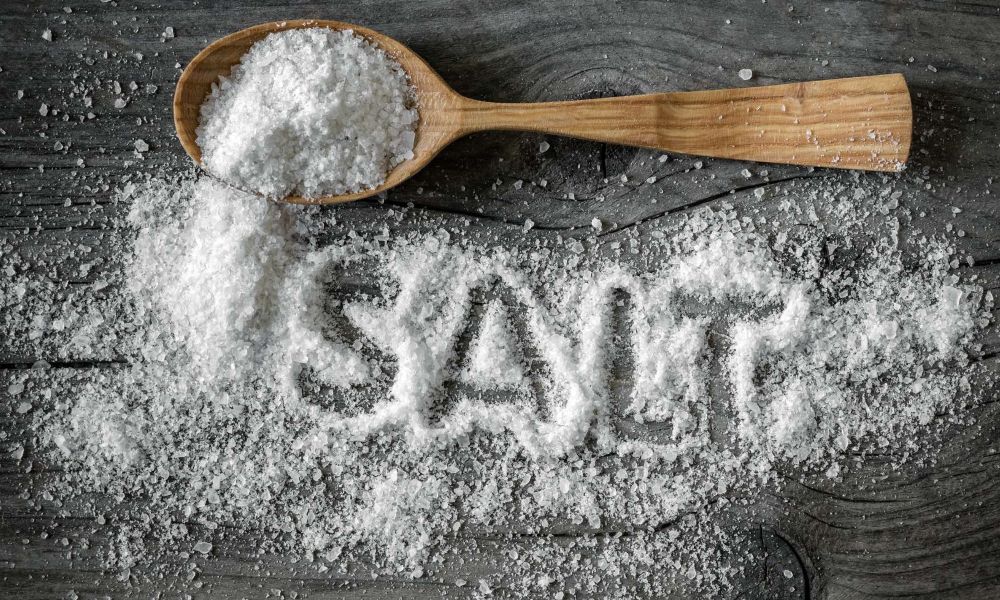
The story of salt is, in many ways, the story of human civilization. This crystalline mineral has been a cornerstone of cuisine, commerce, and culture for thousands of years. Ancient civilizations recognized salt’s ability to preserve food, extending the shelf life of perishables in a world without refrigeration. This preservation quality made salt an incredibly valuable commodity, often referred to as “white gold.”
The salt trade shaped economies and even led to the establishment of trade routes, some of which are still in use today. Cities flourished along these routes, and salt taxes funded empires. The word “salary” derives from the Latin “salarium,” referring to the salt ration given to Roman soldiers as part of their pay.
Beyond its practical uses, salt held significant cultural and religious importance in many societies. It was used in rituals, offered as a sign of friendship, and even played a role in superstitions. The phrase “salt of the earth,” used to describe a person of great worth and reliability, originates from the Bible, underscoring salt’s esteemed position in human history.
The History of Pepper
If salt was the foundation of trade, pepper was its spice. Native to the Malabar Coast of India, black pepper (Piper nigrum) became one of the most sought-after spices in the ancient world. Its journey from the tropical vines of Southeast Asia to the tables of Europe and beyond is a tale of exploration, trade, and culinary revolution.
Pepper was so valuable in ancient Rome that it was used to pay ransoms and taxes. The desire for pepper and other spices motivated explorers like Vasco da Gama to seek new trade routes, inadvertently reshaping the world map. The pepper trade was a significant factor in the development of the spice trade, which connected distant cultures and economies.
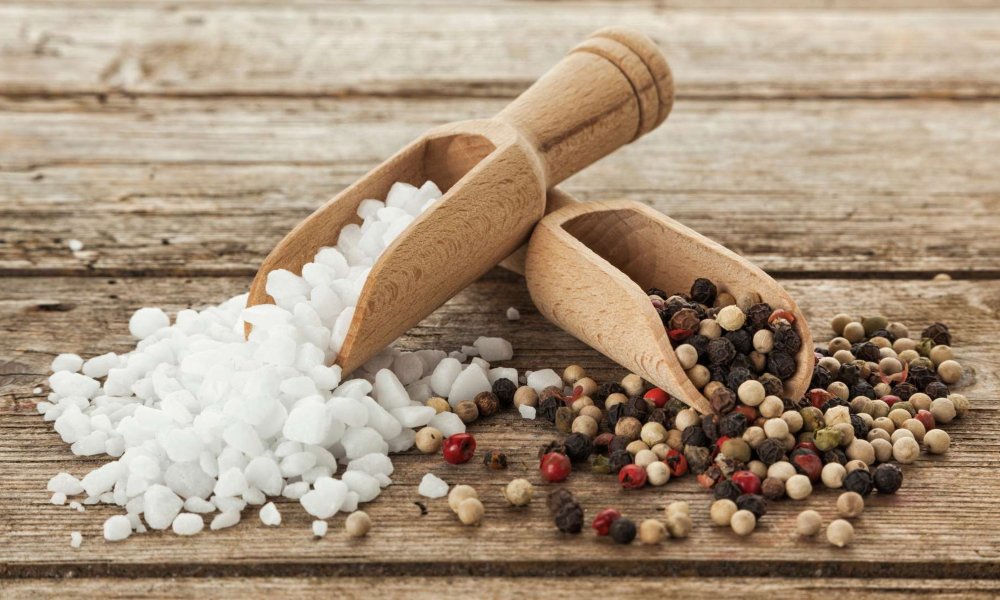
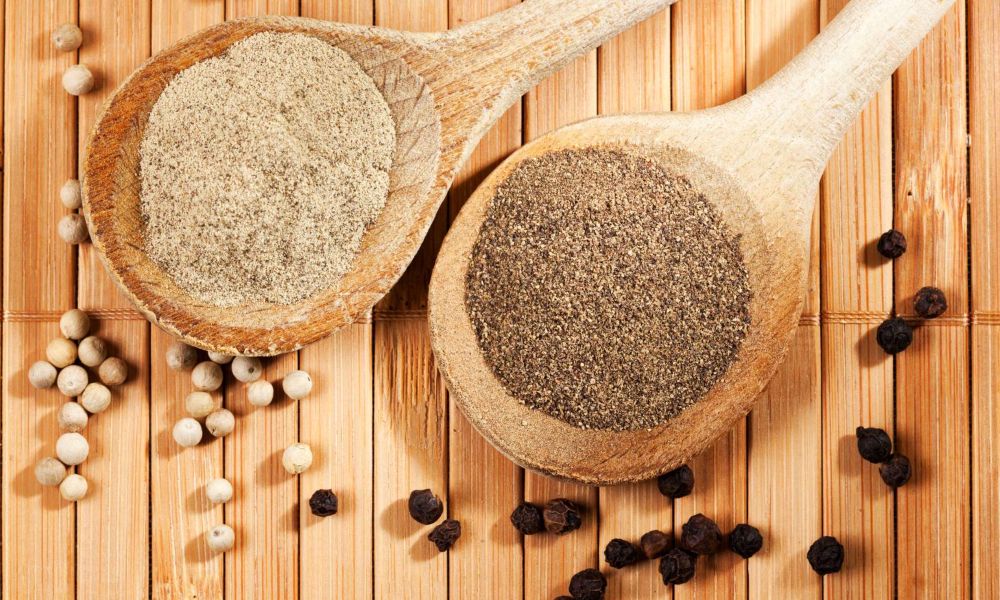
Over time, different varieties of pepper emerged, each with its unique characteristics. Black, white, green, and red peppercorns all come from the same plant but are processed differently, resulting in distinct flavors and appearances. Other types of “pepper,” such as Sichuan pepper and long pepper, added to the diverse world of this beloved spice.
The Science of Salt in Cooking
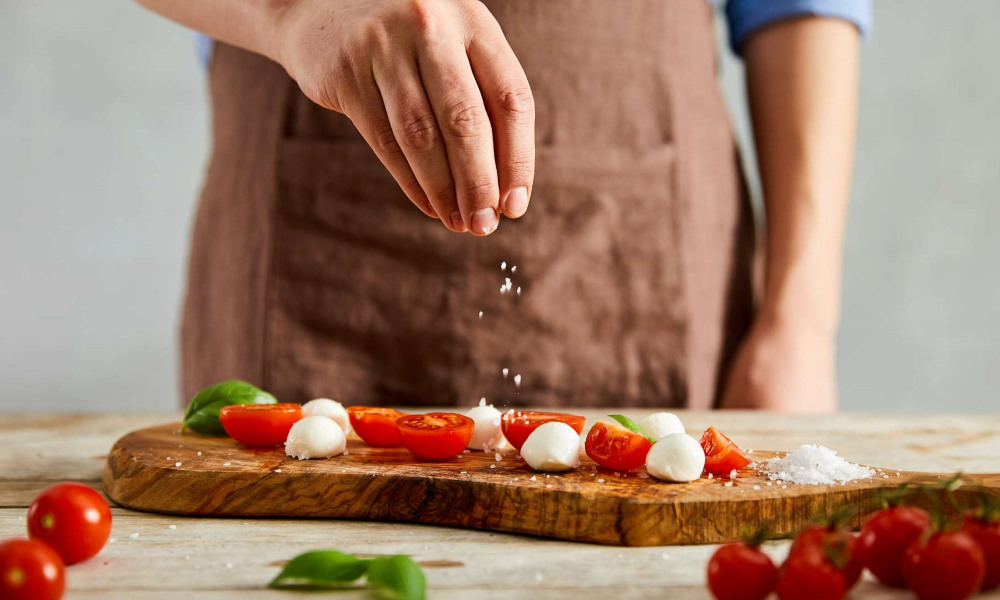
Salt’s role in cooking goes far beyond simply making food taste salty. It’s a flavor enhancer, capable of bringing out the best in other ingredients. When we add salt to a dish, it dissolves in the food’s moisture and breaks down into positively charged sodium ions and negatively charged chloride ions. These ions enhance our perception of flavors by suppressing bitterness and enhancing sweetness and umami tastes.
Salt also plays a crucial role in food chemistry and texture. In bread making, salt controls yeast growth and strengthens gluten, resulting in better texture and flavor. When cooking vegetables, salt can help maintain color and improve texture by drawing out excess moisture. In meat preparation, salt can denature proteins, altering texture and improving moisture retention.
Different types of salt can have varying effects on cooking. Table salt, with its fine grains and added iodine, dissolves quickly and distributes evenly. Sea salt, with its larger, irregular crystals, provides bursts of salinity and a satisfying crunch when used as a finishing salt. The mineral content of specialty salts like Himalayan pink salt can impart subtle flavor nuances to dishes.
The Science of Pepper in Cooking

Pepper’s complex flavor profile is due to several compounds, the most notable being piperine, which is responsible for its characteristic heat and pungency. When we grind peppercorns, we release volatile oils that contribute to its aroma and flavor. These compounds interact with our taste buds and olfactory receptors, creating the multi-dimensional pepper experience we know and love.
The way pepper interacts with other ingredients can significantly impact a dish’s overall flavor profile. Pepper can enhance the savory notes in meats, add depth to creamy sauces, and provide a counterpoint to sweet elements in desserts. It also has the ability to elevate the flavors of other spices when used in blends.
The method of grinding pepper affects its flavor release. Coarsely ground pepper provides sporadic bursts of heat and flavor, while finely ground pepper distributes more evenly throughout a dish. Freshly ground pepper is always preferable, as the volatile oils begin to dissipate once the peppercorns are cracked, leading to a loss of flavor and aroma over time.
Types of Salt for Culinary Use
The world of culinary salt extends far beyond the familiar shaker on your dining table. Here are some common types of salt used in cooking:
- Table Salt: Refined, fine-grained, and often iodized, this is the most common salt for everyday use.
- Kosher Salt: Coarser than table salt, with a clean flavor, it’s favored by many chefs for its ease of pinching and even distribution.
- Sea Salt: Available in fine or coarse grains, sea salt contains trace minerals that can add subtle flavors.
- Fleur de Sel: A delicate, flaky sea salt harvested by hand, often used as a finishing salt for its texture and subtle flavor.
- Himalayan Pink Salt: Known for its rosy color and trace mineral content, it’s used both for cooking and as a finishing salt.
Each type of salt has its unique characteristics and optimal uses in cooking, allowing chefs to fine-tune the salinity and texture of their dishes.
Types of Pepper for Culinary Use
The world of pepper is diverse, offering a range of flavors and heat levels to suit different culinary needs:
- Black Pepper: The most common variety, it offers a sharp, pungent flavor and aroma.
- White Pepper: Milder and less complex than black pepper, it’s often used in light-colored dishes for visual appeal.
- Green Pepper: Harvested before ripening, it has a fresher, more vegetable-like flavor.
- Red Pepper: Fully ripe peppercorns with a sweeter, fruitier flavor than black pepper.
- Sichuan Pepper: Not a true pepper, but offering a unique numbing sensation along with citrusy notes.
Each type of pepper can bring a unique dimension to your cooking, allowing for nuanced seasoning tailored to specific dishes.
Salt and Pepper in Different Cuisines
The use of salt and pepper varies significantly across different cuisines, reflecting local tastes, available ingredients, and cultural traditions. In many Western cuisines, salt and black pepper are staple seasonings, often placed on the table for diners to adjust to their taste. French cuisine, known for its rich, complex flavors, uses salt judiciously to enhance natural flavors rather than dominate them.
Asian cuisines often have a more complex approach to seasoning. In Chinese cooking, salt is used sparingly, with soy sauce often providing the salty element. Black pepper is less common, with white pepper preferred in many dishes. Indian cuisine uses a variety of salts, including black salt (kala namak) with its sulfuric aroma, and pepper is just one of many spices used to create complex flavor profiles.
In some cuisines, unique pepper varieties take center stage. Sichuan cuisine, for example, is characterized by the numbing heat of Sichuan pepper, while in Southeast Asian cuisines, long pepper adds a complex, slightly sweet heat to dishes.
Techniques for Seasoning with Salt
Mastering the use of salt is crucial for bringing out the best in your ingredients. Here are some key techniques:
- Season in Layers: Rather than adding all the salt at the end, season at different stages of cooking to build depth of flavor.
- Salt to Taste: Everyone’s palate is different, so always taste and adjust seasoning as you cook.
- Use the Right Salt for the Job: Use kosher or sea salt for cooking, and save flaky sea salt for finishing dishes.
- Consider Salt’s Other Effects: Remember that salt can affect texture and moisture content, not just flavor.
- Balance Salt with Acid: If a dish tastes too salty, a splash of acid (like lemon juice or vinegar) can help balance it out.
By understanding these techniques, you can use salt not just to make food salty, but to enhance and balance the overall flavor profile of your dishes.
Techniques for Seasoning with Pepper
Pepper, with its complex flavor profile, requires thoughtful application to maximize its impact. Here are some tips:
- Grind Fresh: Invest in a good pepper mill and grind pepper as you need it to preserve its volatile oils and flavor.
- Consider Grind Size: Use coarsely ground pepper for meats and dishes where you want bursts of flavor, and finely ground pepper for more even distribution.
- Add at Different Stages: Adding pepper at the beginning of cooking allows its flavor to permeate the dish, while adding it at the end provides a fresh, sharp bite.
- Pair Wisely: Pepper pairs well with garlic, herbs, and meat, but can overpower delicate flavors if used heavy-handedly.
- Experiment with Varieties: Don’t limit yourself to black pepper. Try white pepper in cream sauces or Sichuan pepper in stir-fries for unique flavor profiles.
By applying these techniques, you can transform pepper from a mere afterthought to a key player in your culinary creations.
Health Considerations
While salt and pepper are essential for flavor, it’s important to consider their health implications. Excessive sodium intake has been linked to high blood pressure and cardiovascular issues. The World Health Organization recommends no more than 5 grams of salt per day for adults.
However, salt is also necessary for our bodies to function properly, regulating fluid balance and supporting nerve and muscle function. The key is moderation and being mindful of hidden sodium in processed foods.
Pepper, on the other hand, has been associated with several potential health benefits. Piperine, the compound responsible for pepper’s heat, may enhance nutrient absorption and has shown anti-inflammatory and antioxidant properties in some studies.
For those on special diets, such as low-sodium or vegan diets, mastering the use of herbs and spices, including pepper, can help create flavorful dishes without relying heavily on salt.
Salt and Pepper Beyond Cooking
While we primarily think of salt and pepper as culinary ingredients, their uses extend far beyond the kitchen. Salt has been used for centuries in various non-culinary applications, from de-icing roads to water softening. In beauty treatments, salt scrubs are popular for exfoliation, while salt lamps are touted for their supposed air-purifying properties.
Pepper, too, has uses outside of cooking. In some cultures, it’s used in traditional medicine for its perceived digestive and antibacterial properties. Black pepper essential oil is used in aromatherapy and massage therapy.
In the world of mixology, both salt and pepper have found their way into creative cocktail recipes. Salt can enhance the flavors in a margarita or bloody mary, while pepper can add an intriguing kick to fruit-based cocktails or even chocolate martinis.
FAQs
1. How much salt should I use when cooking?
The amount of salt needed varies depending on the dish and personal preference. As a general rule, start with less than you think you need and add more gradually, tasting as you go. For most dishes, aim for about 1/4 teaspoon of salt per serving as a starting point.
2. Is freshly ground pepper really better than pre-ground?
Yes, freshly ground pepper is generally considered superior. Whole peppercorns retain their volatile oils and flavor compounds better than pre-ground pepper. When you grind pepper fresh, you release these oils, resulting in a more aromatic and flavorful seasoning.
3. Can I substitute sea salt for table salt in recipes?
While you can substitute sea salt for table salt, keep in mind that sea salt typically has larger grains. This means that a tablespoon of sea salt will contain less sodium than a tablespoon of table salt. Adjust accordingly, or better yet, measure by weight for more accuracy.
4. What’s the best way to season a steak with salt and pepper?
For the best results, season your steak generously with salt and pepper about an hour before cooking. This allows the salt to penetrate the meat. Use coarsely ground black pepper for a nice crust. Remember to season both sides of the steak.
5. How can I reduce sodium in my cooking without sacrificing flavor?
To reduce sodium while maintaining flavor, try using herbs and spices more liberally, incorporate acids like lemon juice or vinegar to brighten flavors, use salt-free seasoning blends, and gradually reduce the salt in your recipes to allow your palate to adjust. Also, consider using salt at the end of cooking or as a finishing salt, where its impact will be more noticeable.
Final Thoughts
Salt and pepper, these timeless condiments, have journeyed through history to become the cornerstones of seasoning in kitchens around the world. Their ability to enhance, balance, and elevate flavors makes them indispensable tools in any cook’s arsenal.
Mastering the use of salt and pepper is a lifelong journey. It requires understanding their properties, respecting their power, and developing a nuanced palate to apply them judiciously. Whether you’re seasoning a simple dish or creating a complex culinary masterpiece, the thoughtful use of salt and pepper can make the difference between good and extraordinary.
As you continue your culinary adventures, remember that salt and pepper are more than just seasonings; they’re the keys to unlocking the full potential of your ingredients. Experiment, taste, and trust your palate. With practice and attention, you’ll develop an intuitive understanding of how to use these culinary essentials to create dishes that sing with flavor.
0 Comments
Most Voted