Pint Glasses | Unmasking American vs Imperial

In the world of beer appreciation, the vessel from which you drink can be just as important as the brew itself. Among the myriad of beer glasses available, the pint glass stands out as an iconic symbol of beer culture. However, not all pint glasses are created equal.
The divide between the American pint and the Imperial pint is more than just a matter of volume; it’s a reflection of cultural traditions, drinking habits, and even the very experience of enjoying a beer. As beer enthusiasts and casual drinkers alike raise their glasses in pubs, bars, and homes around the world, many are unaware of the subtle yet significant differences between these two-pint glass variants.
The choice between an American and an Imperial pint can affect everything from the beer’s aroma and temperature retention to the overall drinking experience. Understanding these differences is key to fully appreciating your favorite beer and making informed choices about your beer glassware.
In this exploration of pint glasses, we’ll delve into the rich history, unique characteristics, and cultural significance of both the American and Imperial pints. We’ll uncover the science behind their designs, examine their impact on various beer styles, and consider their place in the broader context of beer culture.
History of Pint Glasses
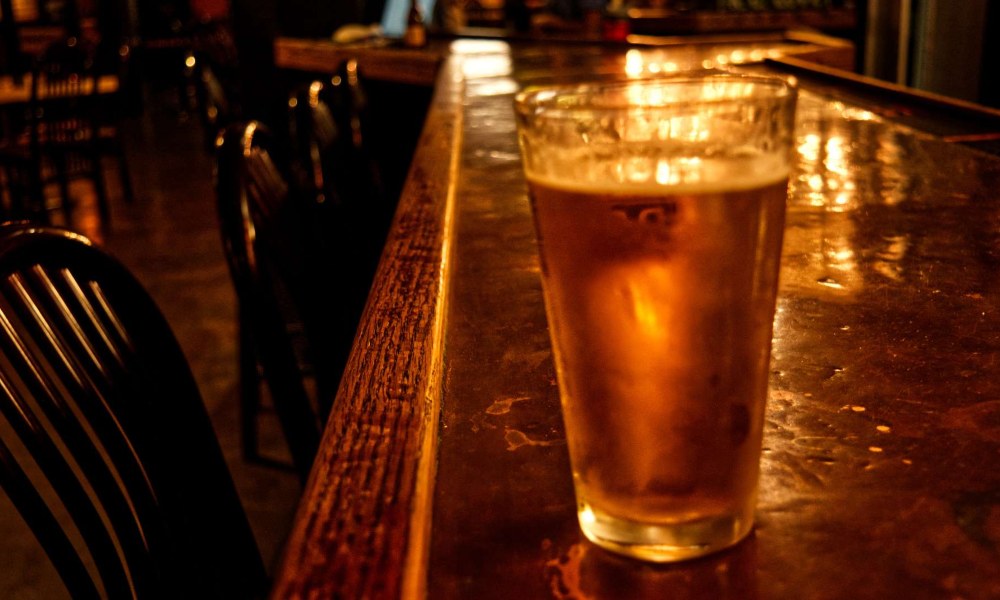
The story of pint glasses is inextricably linked to the history of beer itself. The concept of a “pint” as a measure of volume dates back centuries, with variations across different cultures and time periods. In England, the pint measure was standardized in the 16th century, while in the United States, it was one of the units carried over from British rule.
Initially, beer was served in a variety of vessels, from ceramic mugs to metal tankards. The shift towards glass as the preferred material for beer drinking came with the Industrial Revolution, which made glass production more efficient and affordable. The transparency of the glass allowed drinkers to appreciate the color and clarity of their beer, adding a visual dimension to the drinking experience.
As beer styles evolved and drinking cultures developed, so too did the design of beer glasses. In the United Kingdom, the traditional pint glass went through several iterations, from the dimpled mug to the straight-sided glass, and eventually to the now-iconic nonic pint. In the United States, the shaker pint, originally designed for mixing cocktails, became the de facto pint glass in many establishments due to its stackability and durability.
American Pint Glass
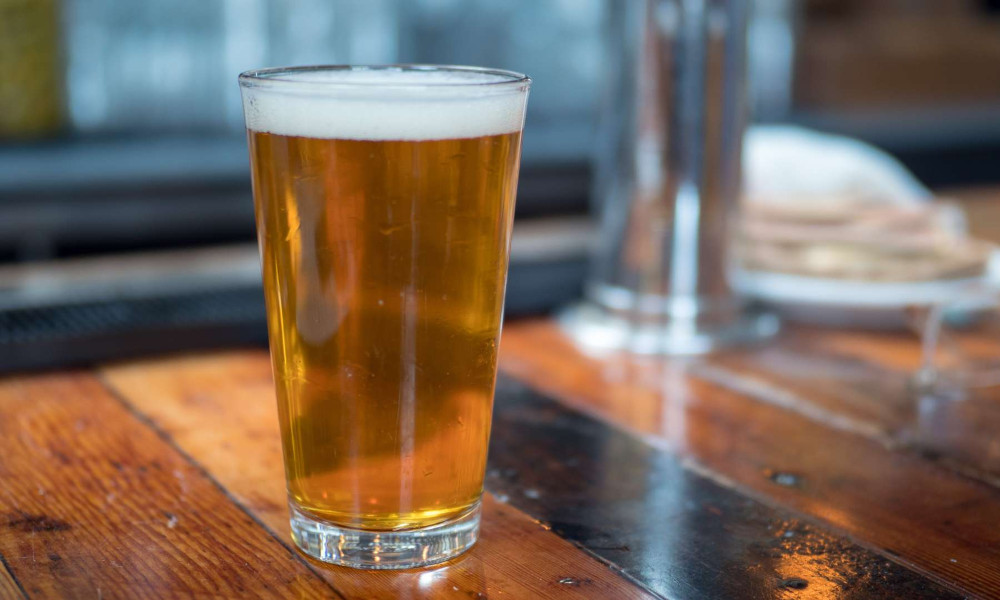
The American pint glass, often referred to as a shaker pint, is characterized by its straightforward, slightly tapered design. Typically holding 16 fluid ounces (473 ml), this glass has become ubiquitous in bars and restaurants across the United States.
Physically, the American pint glass is usually about 5.75 inches tall, with a diameter of about 3.5 inches at the top, tapering slightly to about 3 inches at the base. The straight sides and sturdy base make these glasses easy to stack, a feature that has contributed to their popularity in busy bar environments.
One of the primary advantages of the American pint glass is its versatility. Not only is it used for serving beer, but it’s also commonly employed for other beverages, from soft drinks to iced tea. For beer, the wide mouth allows for easy drinking and showcases the beer’s color well.
However, beer enthusiasts often critique the American pint for its shortcomings in enhancing the beer drinking experience. The wide mouth can lead to faster warming of the beer, and the lack of a nucleation point doesn’t promote ideal head retention. Additionally, the shape doesn’t concentrate aromas as effectively as some other glassware designs.
Imperial Pint Glass

The Imperial pint glass, standard in the United Kingdom and many Commonwealth countries, holds 20 imperial fluid ounces (568 ml), noticeably more than its American counterpart. The most common form of the Imperial pint is the nonic glass, characterized by a bulge near the top.
The nonic (short for “no nick”) design was introduced in the 1960s. Its distinctive bulge serves multiple purposes: it makes the glass easier to grip, helps prevent nicks when stacked, and provides a convenient fill line for a perfect pint. The glass typically stands about 6 inches tall, with the bulge located about 3/4 of the way up.
Another popular variation of the Imperial pint is the tulip glass, which features a bulbous body that tapers slightly towards the top before flaring out. This design is particularly favored for its ability to enhance the aroma and maintain the head of the beer.
Beer aficionados often prefer the Imperial pint for several reasons. The larger volume allows for a more substantial pour, while the design of glasses like the nonic and tulip can enhance the beer’s aroma and maintain its temperature better than the straight-sided American pint.
Comparison of American and Imperial Pints
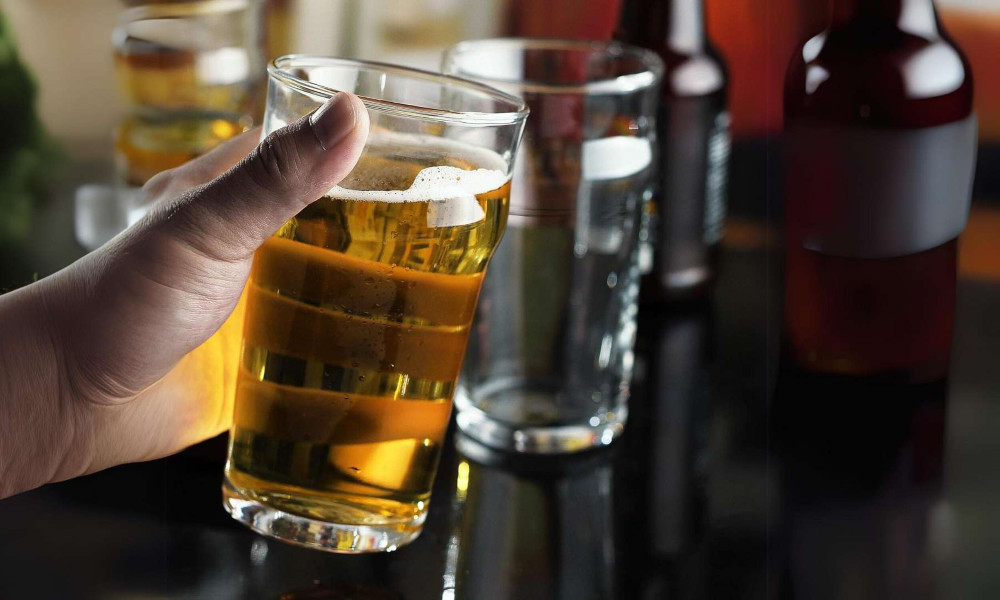
The most obvious difference between American and Imperial pints is their volume. An Imperial pint is about 20% larger than an American pint, which can significantly impact the drinking experience and servings per keg or bottle.
Beyond size, the shape differences between typical American and Imperial pint glasses affect how the beer is experienced. The bulge in a nonic glass or the flared top of a tulip glass can help trap and concentrate aromas, enhancing the sensory experience of the beer. The straight sides of an American pint, while practical for stacking and storage, don’t offer these benefits.
Temperature retention is another factor to consider. The wider mouth of the American pint can lead to faster warming of the beer, while the slightly narrower opening of many Imperial pint glasses can help maintain the beer’s temperature for longer.
The Science of Glass Shape
The shape of a beer glass can significantly impact the drinker’s experience, affecting everything from the release of aromatics to the formation and retention of the beer’s head. The width of the glass’s mouth influences how much of the beer’s surface area is exposed to air, which in turn affects how quickly aromas reach the nose.
Nucleation is another important factor. Some glasses are etched with a nucleation point at the bottom, which promotes the continuous release of carbonation, maintaining the beer’s head and bringing a steady stream of aromas to the surface.
Temperature retention is also influenced by glass shape. Glasses with a narrower mouth tend to slow the warming of the beer, while wider mouths can lead to faster temperature changes. The thickness of the glass also plays a role, with thicker glass providing more insulation.
Beer Styles and Glass Pairings
Different beer styles can benefit from being served in specific types of glasses. While the American pint glass is often used as a catch-all, certain beers truly shine when served in more appropriate glassware.
For example, hop-forward beers like American IPAs can benefit from glasses that help concentrate aromas, such as an IPA-specific glass or even an Imperial nonic pint. Malt-forward beers like stouts and porters often do well in an Imperial pint, where the larger volume allows for a proper head and the shape can enhance the rich, roasty aromas.
Lighter lagers and pilsners can be well-suited to the American pint, where the wider mouth allows for larger sips and the straightforward design doesn’t interfere with the beer’s crisp, clean profile.
The Business Perspective
For bars and restaurants, the choice between American and Imperial pints can have significant business implications. American pints, being smaller, allow for more servings per keg, potentially increasing profits. They’re also typically cheaper to purchase and easier to store due to their stackability.
However, establishments that pride themselves on their beer selection may opt for Imperial pints or even a variety of specialized glassware to enhance the drinking experience and differentiate themselves from competitors. This can attract more discerning beer drinkers and justify higher prices for premium pours.
Customer perception is another factor to consider. In some markets, patrons may expect a “proper pint” to be an Imperial 20 ounces, while in others, the 16-ounce American pint is the norm. Meeting these expectations can be crucial for customer satisfaction and repeat business.
Collecting and Connoisseurship
For some enthusiasts, collecting beer glasses, including various pint glasses, is a hobby in itself. Rare or vintage pint glasses, particularly those branded with logos of defunct breweries or commemorative designs, can be highly sought after.
Proper care of a pint glass collection involves more than just keeping them clean. Storing glasses in a way that prevents chips or cracks, protecting them from sudden temperature changes, and handling them carefully to avoid scratches are all important considerations for collectors.
Some collectors focus on acquiring glasses from every brewery they visit, while others might specialize in specific types of pints, such as nonic glasses from British pubs or branded shaker pints from American craft breweries.
The Future of Pint Glasses
As the beer industry continues to evolve, so too does glassware design. We’re seeing an emergence of new glass shapes designed to enhance specific beer styles, as well as innovations in materials and technology.
Sustainability is becoming an increasingly important consideration in the production and use of beer glasses. Some companies are exploring eco-friendly materials or promoting the use of reusable glasses to reduce waste from disposable cups.
Technological innovations are also making their way into beer glassware. For example, some glasses now incorporate QR codes that, when scanned, provide information about the beer or brewery. Others feature temperature-sensitive designs that change color as the beer warms, indicating the optimal drinking temperature.
Cultural Impact Beyond Beer
While primarily associated with beer, pint glasses have found their way into other areas of beverage culture and beyond. They’re often used for serving cocktails, particularly larger ones like Long Island Iced Teas or Mojitos. In some regions, it’s not uncommon to see soft drinks or water served in pint glasses as well.
In popular culture, the pint glass has become a symbol of social drinking and pub culture. It features prominently in films and television shows set in bars or pubs, and miniature pint glasses are popular as novelty items or collectibles.
The pint glass has also taken on symbolic significance in some contexts. In the UK, for example, the campaign to “Save the Great British Pint” has become a rallying cry for those resisting the switch to metric measurements, turning the pint into a symbol of cultural identity and tradition.
FAQs
1. What’s the main difference between an American pint and an Imperial pint?
The main difference is volume. An American pint holds 16 fluid ounces (473 ml), while an Imperial pint holds 20 imperial fluid ounces (568 ml). Imperial pints are about 20% larger. They also typically have different shapes, with Imperial pints often featuring a bulge near the top (nonic design) or a tulip shape.
2. Does the type of pint glass really affect the taste of the beer?
Yes, the glass can affect the perceived taste and overall experience of drinking beer. Different shapes can impact how aromas are concentrated and delivered to the nose, how the beer retains its temperature, and how the carbonation is maintained. All these factors contribute to the overall flavor experience.
3. Why do some bars use American pint glasses instead of Imperial pints?
There are several reasons: American pints are standard in the US, they’re usually cheaper to purchase, easier to stack and store, and allow for more servings per keg (increasing potential profits). However, some bars, especially those focusing on craft beer, may opt for Imperial pints or other specialized glassware to enhance the drinking experience.
4. Can I use a pint glass for other types of drinks?
Absolutely! While designed for beer, pint glasses are versatile and can be used for a variety of beverages. They’re often used for cocktails, soft drinks, water, and even as small vases for flowers. However, for the best drinking experience, it’s generally recommended to use glasses designed for specific beverage types.
5. How should I care for my pint glasses to keep them in good condition?
To maintain your pint glasses: wash them by hand with mild soap and warm water (avoid extreme temperature changes), dry them with a lint-free cloth, store them in a safe place to prevent chips or cracks, and handle them carefully to avoid scratches. For collecting purposes, consider storing valuable glasses individually wrapped or in protective cases.
Final Thoughts
The world of pint glasses, from the American pint to the Imperial pint and beyond, is rich with history, science, and cultural significance. Understanding the differences between these glasses can enhance your appreciation of beer and the drinking experience as a whole.
Whether you prefer the straightforward simplicity of an American shaker pint or the traditional charm of a British nonic, each glass brings its own character to the beer it holds. As the beer industry continues to innovate and evolve, it’s likely we’ll see further developments in glass design, always with the goal of serving the perfect pint.
So the next time you raise a glass of your favorite beer, take a moment to consider the vessel it’s in. Whether it’s an American pint, an Imperial pint, or a specialized craft beer glass, each has a story to tell and a unique role to play in your beer enjoyment. Cheers to the humble yet mighty pint glass, in all its variations!
0 Comments
Most Voted