Whiskey Glasses | Elevate Your Tasting Experience

The gentle clink of ice against the glass, the rich amber hue catching the light, and the complex aroma wafting up to greet your senses – these are the hallmarks of a truly exceptional whiskey experience. But have you ever paused to consider the vessel from which you sip this liquid gold? The humble whiskey glass, often overlooked, plays a crucial role in shaping your perception and enjoyment of this revered spirit.
From the timeless simplicity of the tumbler to the scientifically designed contours of modern glassware, the world of whiskey glasses is as diverse and nuanced as the spirit itself. Each shape, size, and material has been carefully crafted to unlock the full potential of your favorite dram, enhancing everything from the nose to the finish. As whiskey enthusiasts continue to seek out new ways to elevate their tasting experiences, the importance of proper glassware has come to the forefront of the conversation.
In this comprehensive guide, we’ll explore the fascinating world of whiskey glasses, delving into the science, history, and artistry behind these essential pieces of drinkware. Whether you’re a seasoned connoisseur or just beginning your whiskey journey, understanding the role of glassware in your tasting ritual can open up new dimensions of appreciation for this beloved spirit.
The Art of Whiskey Appreciation
1. The Role of Glassware in Whiskey Tasting
When it comes to appreciating whiskey, the glass you choose plays a pivotal role in your overall experience. Far from being a mere container, the right whisky glass acts as a crucial interface between you and the spirit. It can enhance the aroma, influence the way the whiskey hits your palate, and even affect the visual appeal of the drink. The shape, size, and material of the glass all contribute to how you perceive the whiskey’s bouquet, flavor profile, and finish.
2. How Proper Glasses Enhance the Whiskey Experience
The right glass can enhance your drinking experience in several ways. First, it can concentrate the aroma of the whiskey, allowing you to fully appreciate the complex scents before you even take a sip. The shape of the glass can also direct the whiskey to specific parts of your tongue, highlighting different flavor notes. Additionally, a well-designed glass can help maintain the optimal temperature of your whiskey, ensuring that each sip is as enjoyable as the first.
Crafting the Ideal Whiskey Glass
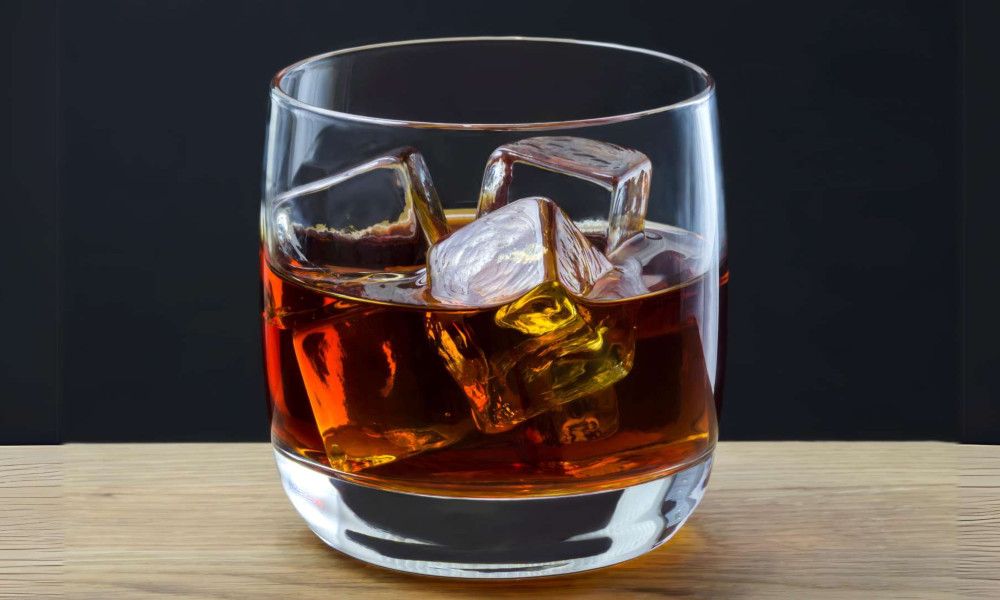
1. Shape and Its Impact on Aroma Concentration
The shape of a whiskey glass is perhaps its most crucial feature. A well-designed glass will have a bowl that tapers towards the top, creating a concentration of aromas at the rim. This shape allows the volatile compounds in the whiskey to gather, presenting a more intense and complex bouquet when you bring the glass to your nose. The iconic tulip shape found in many whiskey glasses is specifically designed to funnel these aromas upwards, enhancing your olfactory experience.
2. Size Considerations for Optimal Tasting
The size of your whiskey glass can significantly affect your tasting experience. A glass that’s too large may dilute the aromas, while one that’s too small might overwhelm your senses or not allow enough room for proper nosing. The ideal size allows for a standard pour (typically 1.5 to 2 ounces) with enough space above the liquid for the aromas to collect. This space, often referred to as the headspace, is crucial for developing and concentrating the whiskey’s bouquet.
3. The Importance of Thickness and Weight
The thickness and weight of a whiskey glass contribute to both its functionality and the overall drinking experience. A glass with a thicker base can help insulate the whiskey, maintaining its temperature for longer. The weight of the glass in your hand can also enhance the perceived value and quality of the drinking experience. However, the rim of the glass should be relatively thin to allow the whiskey to flow smoothly onto your palate, providing a more elegant and refined sipping experience.
Classic Whiskey Glass Designs
1. The Iconic Glencairn Glass
The Glencairn glass has become synonymous with whiskey tasting, and for good reason. Developed in collaboration with master blenders, this glass features a tulip-shaped bowl atop a sturdy base. The shape is designed to concentrate aromas while the flared rim allows for easy sipping. The Glencairn is versatile enough for various whiskey styles and has become a standard in many tasting rooms and distilleries.
2. Traditional Tulip-Shaped Glasses
Tulip-shaped glasses, also known as copita glasses, have long been favored by whiskey blenders and connoisseurs. Their elongated bowl and narrowed rim are excellent for concentrating aromas, making them ideal for nosing and tasting. These glasses often come with a stem, which prevents your hand from warming the whiskey and allows for better appreciation of the spirit’s color.
3. Old Fashioned or Rocks Glasses
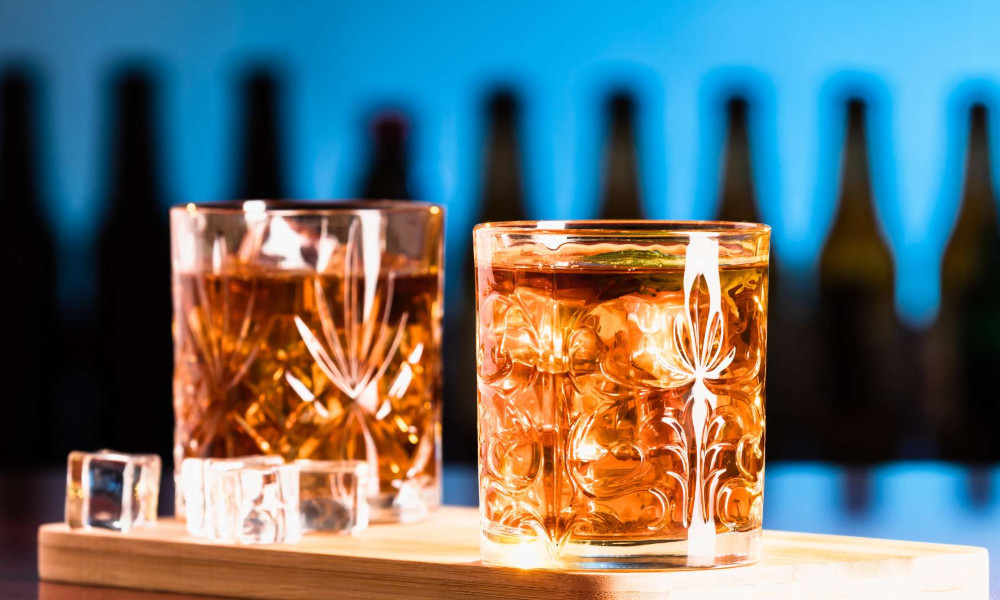
The old fashioned whiskey glass, also called a rocks glass or lowball, is a classic choice for serving whiskey neat or with ice. Its wide brim allows the drinker to appreciate the full range of aromas, while the sturdy base makes it perfect for muddling ingredients in cocktails. While not as specialized as other whiskey glasses, the old fashioned glass remains a popular choice for casual sipping and cocktail enthusiasts.
Modern Innovations in Whiskey Glassware
1. Double-Walled Designs for Temperature Control
One of the most exciting innovations in whiskey glassware is the double-walled design. These glasses feature two layers of glass or crystal with an insulating layer of air between them. This construction helps maintain the whiskey’s temperature, preventing your hand from warming the spirit as you hold the glass. Double-walled glasses also create a striking visual effect, making it appear as if the whiskey is suspended in mid-air.
2. Unique Shapes for Aroma Enhancement
Some modern whiskey glasses feature unconventional shapes designed to maximize aroma concentration and flavor appreciation. For example, glasses with interior ridges or textured bases claim to increase the surface area of the whiskey, leading to more rapid oxidation and aroma release. Others incorporate unique curves or angles that direct the whiskey to specific parts of the tongue, highlighting different flavor notes.
3. Glasses with Built-in Cooling Elements
For those who prefer their whiskey chilled but don’t want to dilute it with ice, glasses with built-in cooling elements offer an innovative solution. These glasses often feature a gel-filled base that can be frozen, keeping your whiskey cool without watering it down. While purists might argue against chilling fine whiskeys, these glasses provide an interesting option for casual drinkers or those enjoying whiskey cocktails.
Material Matters: Glass vs. Crystal
The choice between glass and crystal whiskey glasses has long been a topic of debate among enthusiasts. Both materials have their merits, and the decision often comes down to personal preference and budget. Glass is generally more affordable, durable, and easier to care for. Crystal, on the other hand, offers superior clarity and can be crafted into finer, more delicate shapes due to its higher lead content.
How Material Affects Taste and Presentation
While the material of your glass doesn’t directly affect the taste of the whiskey, it can influence your perception of the drink. Crystal glasses, with their higher refractive index, can enhance the visual appeal of the whiskey, making it appear more brilliant and vibrant. Some argue that the microscopically rough surface of crystal can aerate the whiskey more effectively, potentially enhancing its aroma and flavor. However, these effects are subtle, and many experts maintain that a well-designed glass shape is more important than the material.
Durability and Maintenance Considerations
When choosing between glass and crystal, it’s important to consider durability and maintenance. Glass whiskey glasses are generally more robust and can often be cleaned in a dishwasher, making them ideal for everyday use. Crystal glasses, particularly those with a high lead content, are more delicate and require hand washing to maintain their clarity and brilliance. If you opt for crystal, be prepared to invest more time in caring for your glassware to ensure it remains in pristine condition.
The Science Behind Whiskey Glass Design
1. How Glass Shape Affects Ethanol Evaporation
The shape of a whiskey glass plays a crucial role in how ethanol evaporates from the surface of the liquid. A glass with a wider opening allows ethanol to evaporate more quickly, potentially making the whiskey seem harsher. Conversely, a glass with a narrower opening can help trap some of the ethanol vapors, allowing other, more subtle aromas to come forward. This is why many whiskey glasses feature a tapered design – it helps manage ethanol evaporation for a more balanced nosing experience.
2. The Role of Surface Area in Flavor Release
The surface area of the whiskey exposed to air can significantly impact flavor release. A wider bowl increases the surface area, allowing more of the whiskey to interact with oxygen. This interaction, known as oxidation, can help open up the flavors of the whiskey, particularly in older or more complex spirits. However, too much surface area can lead to rapid oxidation, potentially changing the character of the whiskey over time. The best whiskey glasses strike a balance, providing enough surface area for flavor development without risking over-oxidation.
3. Temperature Retention Properties of Different Designs
Different glass designs can affect how well the whiskey maintains its temperature. Glasses with a stem, like the traditional copita, keep your hand away from the bowl, preventing the heat from your skin from warming the whiskey. Thick-based glasses provide insulation, helping to maintain the whiskey’s temperature for longer. Some modern designs incorporate double-walled construction or materials with specific thermal properties to provide optimal temperature retention, ensuring your whiskey stays at the ideal temperature throughout your tasting experience.
Beyond the Glass: Accessories to Complement Your Whiskey Experience
Whiskey Stones and Their Impact on Taste
Whiskey stones offer a way to chill your drink without dilution. Made from materials like soapstone or stainless steel, these cubes can be frozen and added to your whiskey to cool it slightly without altering its flavor profile. While purists might argue against chilling fine whiskeys, whiskey stones can be a great option for those who prefer their spirits slightly cooled or for use in whiskey cocktails where maintaining flavor intensity is desired.
Decanters: Function and Aesthetics
Decanters serve both functional and aesthetic purposes in the world of whiskey. While not necessary for preserving whiskey (unlike wine), decanters can be used to remove sediment from very old whiskeys or to separate a portion for serving, leaving the original bottle sealed. More commonly, decanters are prized for their visual appeal, adding a touch of elegance to any home bar or office. When choosing a decanter, opt for lead-free crystal to ensure the safety and quality of your whiskey.
Tasting Mats and Journals for the Serious Enthusiast
For those looking to deepen their whiskey knowledge, tasting mats and journals can be invaluable accessories. Tasting mats provide a clean, organized space for multiple glasses during comparative tastings. They often include areas for taking notes or rating different aspects of each whiskey. Tasting journals allow you to record your experiences, track your preferences, and document your whiskey journey over time. These tools can help you develop a more nuanced palate and create a personal record of your whiskey adventures.
FAQs
1. What is the best type of glass for whiskey tasting?
The best type of glass for whiskey tasting is often considered to be the Glencairn glass. Its tulip shape allows the aromas to concentrate towards the nose while the wide bowl provides ample surface area for the whiskey to breathe. This design helps enhance the nosing and tasting experience, making it a favorite among enthusiasts and professionals alike.
2. Can you use a wine decanter for whiskey?
Yes, you can use a wine decanter for whiskey, but it is not necessary. Unlike wine, whiskey does not require decanting for aeration. However, using a decanter can add elegance to your presentation and serve a practical purpose by separating sediment from very old whiskeys. It’s essential to choose a lead-free decanter to ensure the safety of your whiskey.
3. How do whiskey stones affect the flavor of the drink?
Whiskey stones chill the drink without diluting it, maintaining the original flavor profile. Made from materials like soapstone or stainless steel, they are effective for slight cooling. While traditionalists may prefer their whiskey neat, whiskey stones are a great option for those who enjoy their spirits slightly chilled or when crafting whiskey cocktails.
4. Is there a difference between lead crystal and lead-free crystal glasses?
Yes, there is a difference between lead crystal and lead-free crystal glasses. Lead crystal contains lead oxide, which increases the refractive index, making the glass more brilliant and easier to shape. Lead-free crystal uses alternative materials like zinc or barium, offering durability and safety, particularly important for regular use and dishwasher cleaning.
5. How should I clean my crystal whiskey glasses?
Crystal whiskey glasses, especially those with high lead content, should be hand-washed to maintain their clarity and brilliance. Use warm water, a mild detergent, and avoid abrasive sponges to prevent scratches. Dry them with a soft, lint-free cloth. Avoid placing them in a dishwasher as the high heat and harsh detergents can damage the delicate crystal.
Final Thoughts
Concluding your whiskey journey, it’s essential to remember that personal preference reigns supreme. The tools and accessories mentioned can significantly enhance your overall experience, but ultimately, the best way to enjoy whiskey is the way that brings you the most pleasure. Whether you prefer sipping from a meticulously shaped glass, savoring the undiluted essence with whiskey stones, or appreciating the ceremonial aspect of using a beautiful decanter, these elements should serve to enhance your enjoyment rather than dictate it.
Experimentation is encouraged to try different glasses, temperatures, and tasting setups to discover what aligns best with your palate. A whiskey-tasting journal can be an excellent companion for recording these personal insights, helping you identify trends in your preferences and expand your appreciation for the nuances of different whiskeys.
Remember, the world of whiskey is vast and intricate, offering endless opportunities for discovery and enjoyment. So gather your preferred accessories, pour a glass of your favorite whiskey, and toast to the delightful experience of exploring this timeless spirit.
0 Comments
Most Voted