Antipasto vs Charcuterie | What’s the Difference?

10FAQs
In the realm of culinary delights, few things captivate the senses quite like a beautifully arranged platter of appetizers. As social gatherings evolve and food trends shift, two particular styles of pre-meal indulgence have risen to prominence: the Italian antipasto and the French charcuterie.
These artful assemblages of flavors and textures have become staples at dinner parties, restaurants, and even casual get-togethers, offering a tantalizing preview of the gastronomic journey to come. While both antipasto and charcuterie share the common goal of whetting the appetite and setting the stage for the main course, they each possess unique characteristics deeply rooted in their respective cultural traditions.
The antipasto, with its vibrant medley of Italian delicacies, tells a story of sun-drenched Mediterranean landscapes and centuries-old culinary customs. On the other hand, charcuterie speaks to the refined craftsmanship of French butchery and the art of preserving meats, showcasing a different facet of European epicurean heritage.
As these two appetizer styles continue to gain popularity worldwide, they often find themselves intermingled on modern tables, leading to some confusion about their distinctions. So, in this exploration of antipasto vs charcuterie, we’ll unravel the threads that make each unique, delve into their historical roots, and discover how they’ve evolved to become the beloved culinary traditions we know today.
The Art of Appetizers
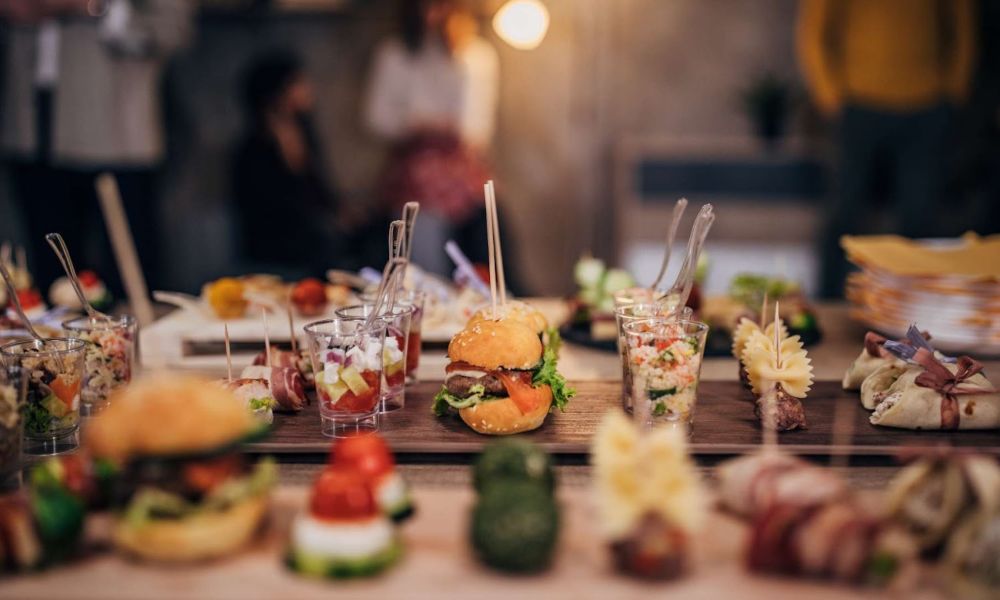
Origins of Pre-Meal Dining Traditions
The concept of serving small bites before the main meal is not a modern invention. Throughout history, cultures around the world have developed their own versions of pre-dinner nibbles. These appetizers serve multiple purposes: they stimulate the appetite, provide a social focal point, and offer a glimpse into the flavors that will follow. The Italian antipasto and French charcuterie are two prime examples of how this tradition has been refined and elevated over centuries.
The Rise of Grazing Platters
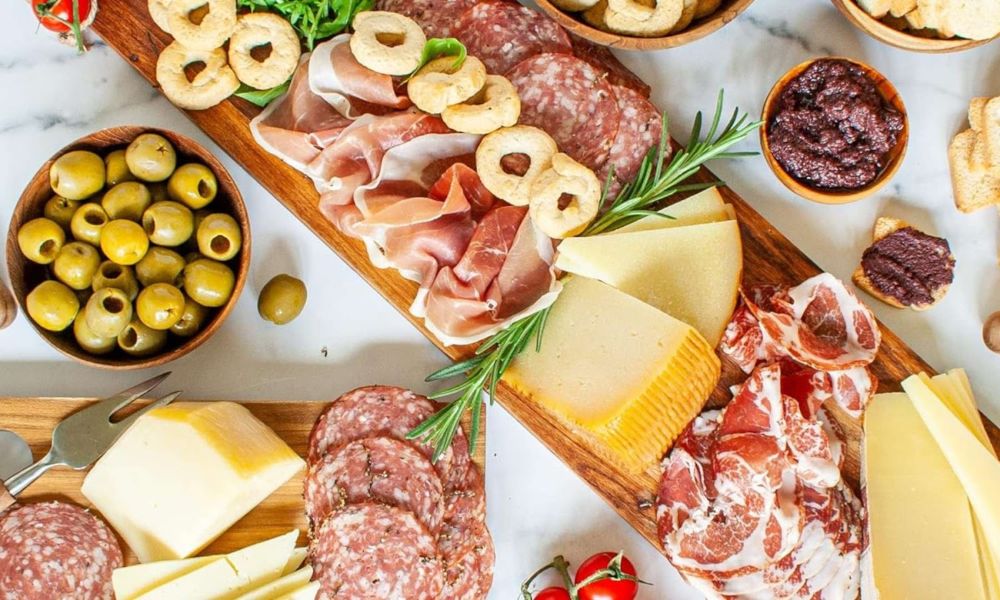
In recent years, there has been a surge in the popularity of grazing platters. These expansive spreads, often featuring a mix of cured meat and cheese, olives, fruits, and various accompaniments, have become a staple at social gatherings. The visual appeal of a well-arranged platter, combined with the variety of flavors and textures it offers, has captured the imagination of food lovers and Instagram enthusiasts alike.
Antipasto: Italy’s Culinary Prelude
Cultural Significance and Origins
Antipasti, the plural form of antipasto, literally translates to “before the meal” in Italian. This traditional Italian custom dates back to medieval times when small bites were served to noble guests upon arrival. Over time, antipasto evolved into a course in its own right, showcasing the diverse regional specialties of Italy.
Components of a Classic Antipasto
A traditional Italian antipasto typically includes a variety of items:
- Cured meats such as prosciutto, coppa, and salami
- Cheeses ranging from soft mozzarella to aged Parmigiano-Reggiano
- Marinated vegetables like artichokes, roasted peppers, and olives
- Seafood items such as anchovies or marinated octopus
- Crusty bread or grissini (breadsticks)
Regional Variations
The beauty of antipasto lies in its regional diversity. In coastal areas, you might find more seafood options, while inland regions might focus on cured meats and local cheeses. For example, a Tuscan antipasto might feature crostini topped with liver pâté, while a Sicilian spread could include caponata, a sweet and sour eggplant relish.
Charcuterie: France’s Meat Mastery
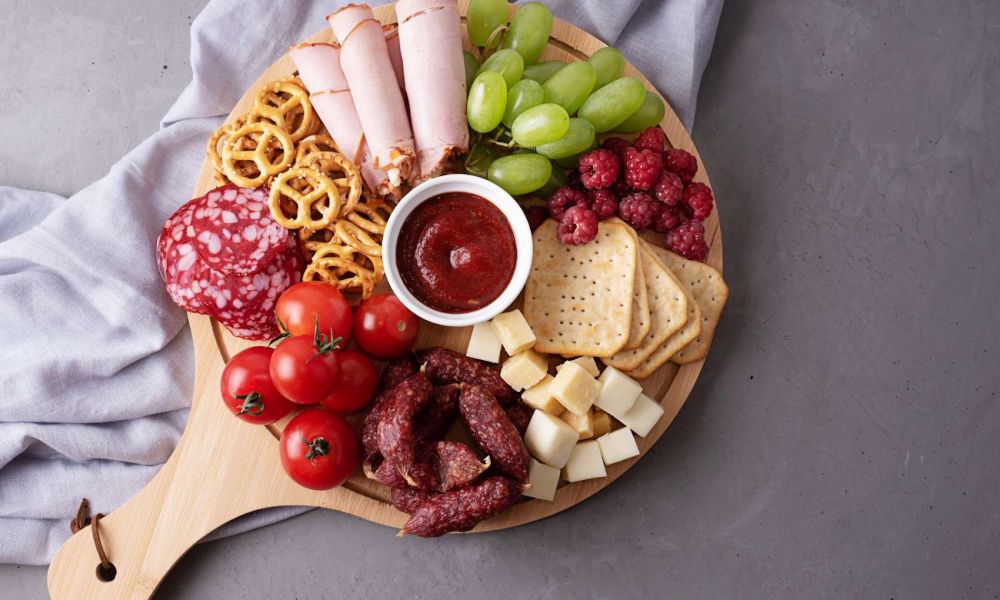
Historical Background
The term “charcuterie” originally referred to the culinary branch of preparing meat products, particularly pork. Derived from the French words “chair” (flesh) and “cuit” (cooked), charcuterie was the domain of specialized butcher shops in France. Over time, it has come to represent a style of serving cured meats and complementary foods.
Evolution from Craft to Dining Staple
What began as a practical method of preserving meat has transformed into a sophisticated culinary art form. The charcuterie board has become a canvas for showcasing not only fine cured meats but also an array of cheeses, fruits, nuts, and condiments.
Key Elements of a Classic Charcuterie Board
A well-composed charcuterie board usually served at gatherings or as an appetizer course might include:
- A selection of cured meats (pâtés, terrines, rillettes, ham, sausages)
- Various cheeses, both soft and hard
- Accompaniments like mustard, cornichons (small pickles), and fruit preserves
- Nuts and dried fruits
- Baguette slices or crackers
Ingredients: A Comparative Analysis
Meats: Cured, Smoked, and Fresh Options
While both antipasto and charcuterie feature cured meats, the selections can differ:
Antipasto often includes:
- Prosciutto di Parma
- Bresaola (air-dried beef)
- Various salami types
Charcuterie might feature:
- Pâté de campagne
- Jambon de Bayonne
- Saucisson sec
Cheeses: Variety and Selection
Cheese plays a crucial role in both traditions:
Antipasto cheeses might include:
- Mozzarella di bufala
- Pecorino Romano
- Gorgonzola
Charcuterie boards often feature:
- Brie or Camembert
- Comté
- Roquefort
Accompaniments: Breads, Fruits, and Vegetables
The supporting cast of ingredients can greatly vary:
Antipasto accompaniments:
- Focaccia or ciabatta
- Marinated artichokes and mushrooms
- Sun-dried tomatoes
Charcuterie accompaniments:
- Baguette slices
- Fresh grapes or figs
- Cornichons and olives
Presentation Styles: Visual Feast
Antipasto: From Simple Plates to Elaborate Spreads
Traditionally, antipasto was served on individual plates or small platters. Modern presentations can range from rustic wooden boards to elegant ceramic dishes. The key is to create a colorful, inviting display that showcases the variety of ingredients.
Charcuterie: The Art of the Board
Charcuterie boards have become a form of edible art. The arrangement of meats, cheeses, and accompaniments is often carefully considered to create an aesthetically pleasing display. Wooden boards, slate plates, or marble slabs are popular choices for presenting charcuterie.
Influence of Social Media on Presentation
The rise of social media platforms like Instagram has had a significant impact on how both antipasto and charcuterie are presented. Hosts and restaurants alike now strive to create photogenic spreads that are as visually appealing as they are delicious.
Flavor Profiles and Pairings
Antipasto: Balancing Act of Italian Tastes
Antipasto flavors tend to be bold and varied, with a focus on the interplay between salty, tangy, and savory notes. The goal is to awaken the palate without overwhelming it, preparing diners for the meal to come.
Charcuterie: French Flavor Combinations
Charcuterie often emphasizes rich, complex flavors. The combination of fatty meats, creamy cheeses, and sharp accompaniments creates a harmonious balance that can be enjoyed on its own or as a prelude to a larger meal.
Wine and Beverage Pairings
For antipasto, light Italian wines like Prosecco or Pinot Grigio are popular choices. Charcuterie pairs well with bold reds like Bordeaux or crisp whites such as Chablis. Both can also be enjoyed with craft beers or cocktails, depending on personal preference.
Cultural Context and Dining Etiquette
Antipasto’s Role in Italian Meals
In Italy, antipasto is typically the first course of a formal meal, followed by primi (pasta or rice dishes), secondi (main courses), and dolci (desserts). It’s meant to be savored slowly, encouraging conversation and setting a leisurely pace for the meal.
Charcuterie’s Place in French Cuisine
Charcuterie can be served as an appetizer, but it’s also common as a light meal in itself, especially when paired with wine. In France, it’s often enjoyed in casual settings, such as picnics or informal gatherings.
Global Adaptations and Fusion Trends
Beyond Borders: International Interpretations
As antipasto and charcuterie have gained global popularity, they’ve been adapted to include local ingredients and flavors. For example, you might find a Spanish-inspired board featuring jamón ibérico and manchego cheese, or an American version with locally produced artisanal meats and cheeses.
Contemporary Innovations
Modern chefs and home cooks are experimenting with new combinations and presentations. Vegetarian and vegan versions of both antipasto and charcuterie have emerged, using plant-based alternatives to traditional meats and cheeses.
DIY Guide: Crafting Your Own Spreads
Essential Components for Antipasto
To create your own antipasto spread, consider including:
- A selection of Italian cured meats
- 2-3 types of Italian cheeses
- Marinated vegetables
- Olives and pepperoncini
- Fresh or grilled bread
Must-Haves for Charcuterie
For a classic charcuterie board, aim to include:
- At least 3 types of cured meats
- A mix of soft and hard cheeses
- Fruit preserves or honey
- Nuts and dried fruits
- Crusty bread or quality crackers
Tips for Sourcing Quality Ingredients
- Seek out specialty food shops or Italian/French markets
- Don’t be afraid to ask for samples before buying
- Consider the season when selecting fresh accompaniments
- Invest in a few high-quality items rather than a large quantity of mediocre ones
FAQs
1. What is the main difference between antipasto and charcuterie?
The main difference lies in their cultural origins and composition. Antipasto is an Italian tradition that typically includes a variety of cured meats, cheeses, marinated vegetables, and olives. Charcuterie, of French origin, focuses more on cured and processed meats, often accompanied by cheeses, fruits, and nuts. Antipasto tends to have a broader range of ingredients, while charcuterie emphasizes the art of meat preparation.
2. Can I serve antipasto and charcuterie together?
Absolutely! Many modern hosts combine elements of both antipasto and charcuterie to create diverse and appealing appetizer spreads. This fusion approach allows you to offer a wider variety of flavors and textures to your guests. Just be mindful of balancing the different components and consider labeling items for those interested in the cultural origins of each element.
3. What are some essential items for a basic antipasto platter?
A basic antipasto platter should include:
> Cured meats like prosciutto or salami
> Italian cheeses such as mozzarella or Parmigiano-Reggiano
> Marinated vegetables (e.g., artichokes, roasted peppers)
> Olives
> Crusty bread or breadsticks
4. How do I choose the right meats for a charcuterie board?
When selecting meats for a charcuterie board, aim for variety in texture and flavor. A good starting point is to include:
> A hard salami (e.g., soppressata)
> A whole muscle meat (e.g., prosciutto or jamón)
> A pâté or terrine
> A cured sausage (e.g., chorizo)
Consider mixing different types of meat (pork, beef, poultry) and include both mild and bold flavors.
5. Are there vegetarian options for antipasto and charcuterie?
Yes, there are many delicious vegetarian alternatives for both antipasto and charcuterie. For antipasto, focus on marinated vegetables, olives, vegetarian cheeses, and bruschetta. Vegetarian charcuterie can include a variety of cheeses, nuts, fruits, vegetable pâtés, and plant-based cured “meats” made from ingredients like mushrooms or seitan. The key is to offer a diverse range of flavors and textures that mimic the variety found in traditional meat-based spreads.
As we’ve explored the nuances of antipasto and charcuterie, it becomes clear that while these two culinary traditions share some similarities, they each possess a unique character shaped by their cultural origins. The difference between charcuterie and antipasti lies not just in their components, but in the philosophy behind their creation and enjoyment.
Antipasto, with its vibrant array of Italian delicacies, offers a snapshot of the Mediterranean diet’s diversity and freshness. It’s a celebration of regional specialties, from sun-ripened vegetables to artisanal cheeses and cured meats. Charcuterie, on the other hand, showcases the French mastery of meat preservation and flavor combination, presenting a more focused yet equally rich culinary experience.
In today’s global culinary landscape, both antipasto and charcuterie have transcended their traditional boundaries, inspiring food lovers worldwide to create their own interpretations. Whether you’re drawn to the rustic charm of an Italian antipasto or the refined elegance of a French charcuterie board, these appetizer traditions offer endless possibilities for exploration and enjoyment.
0 Comments
Most Voted