Japanese Tea Kettles | A History Steeped in Tradition

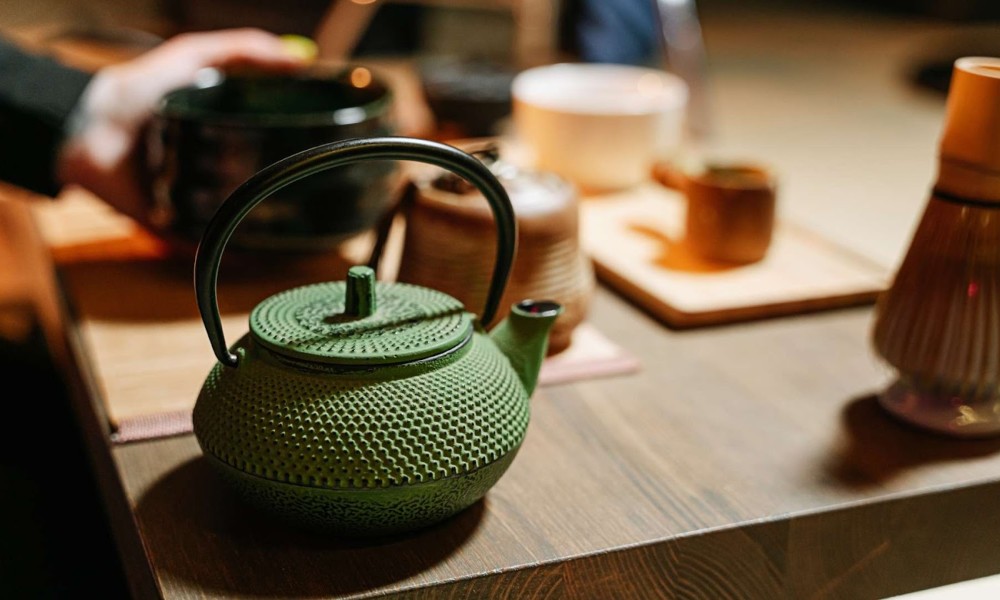
In the heart of Japanese culture lies a profound appreciation for the art of tea. From the tranquil tea rooms of Kyoto to the bustling streets of Tokyo, the act of preparing and sharing tea is a cherished ritual that has been an integral part of Japanese life for centuries. At the center of this time-honored tradition stands the Japanese tea kettle, a vessel that embodies the very essence of tea culture and serves as a testament to the country’s rich history and unwavering dedication to the perfect cup of tea.
The Japanese tea kettle, known as a “kyusu” or “tetsubin,” is more than just a simple teapot; it is a work of art, a symbol of hospitality, and a tool for brewing the finest teas. These kettles have evolved over centuries, shaped by the changing tastes and needs of tea enthusiasts while remaining true to the core principles of simplicity, functionality, and beauty that define traditional Japanese craftsmanship.
In this blog post, we will embark on a journey through the fascinating history of Japanese tea kettles, exploring their origins, the various styles and materials used in their creation, and the role they play in tea ceremonies and daily life. We will delve into the artistry and craftsmanship behind these iconic vessels and discover how they have become an enduring symbol of Japanese tea culture.
So, let us steep ourselves in the rich traditions surrounding Japanese tea kettles and gain a deeper appreciation for the art of brewing the perfect cup of tea.
The Origins of Japanese Tea Culture
The Introduction of Tea to Japan from China
The story of Japanese tea culture begins with the introduction of tea from China, a country with a long and illustrious history of tea cultivation and consumption. In the early 9th century, Japanese Buddhist monks, such as Eichu and Saicho, traveled to China to study Buddhism and brought back tea seeds and the knowledge of tea preparation to Japan. These monks recognized the value of tea not only as a beverage but also as a means of promoting mental clarity and spiritual well-being, which aligned with their Buddhist practices.
As tea gained popularity among the aristocracy and monastic communities, the Chinese influence on Japanese tea culture became increasingly apparent. The early Japanese tea ceremonies were modeled after Chinese tea rituals, which emphasized the appreciation of tea’s flavor, aroma, and aesthetic qualities. However, over time, the Japanese began to develop their own unique tea traditions, adapting and refining the Chinese practices to suit their cultural preferences and values.
The Development of the Japanese Tea Ceremony
One of the most significant developments in Japanese tea culture was the emergence of the tea ceremony, known as “chanoyu” or “sado.” This highly ritualized and choreographed act of preparing and serving tea became a cornerstone of Japanese artistic and cultural expression during the 12th and 13th centuries.
The tea ceremony was heavily influenced by the principles of Zen Buddhism, which emphasized simplicity, mindfulness, and the beauty of imperfection. Tea masters, such as Sen no Rikyu in the 16th century, played a crucial role in shaping the aesthetic and philosophical foundations of the tea ceremony. They promoted the concept of “wabi-sabi,” which celebrated the rustic, unassuming, and ephemeral nature of life and art.
The tea ceremony became a means of fostering social connections, promoting harmony, and cultivating a deep appreciation for the beauty of everyday objects and moments. It also served as a platform for the display of artistic talents, such as calligraphy, flower arrangement, and pottery, which were integral to the overall experience of the tea gathering.
The Emergence of Distinctive Japanese Tea Traditions
As the Japanese tea ceremony evolved, so did the country’s preferences for different types of tea. While the early tea ceremonies focused on the preparation and appreciation of powdered green tea, known as matcha, other tea varieties began to gain popularity during the 17th and 18th centuries.
Sencha, a steamed and rolled green tea, emerged as a favored choice among tea enthusiasts due to its fresh, grassy flavor and vibrant green color. The popularity of sencha led to the development of the kyusu, a small, side-handled teapot specifically designed for brewing loose-leaf teas.
Other tea varieties, such as gyokuro (a shaded green tea), oolong, and black tea, also found their place in Japanese tea culture, each with its own unique brewing methods and associated teaware. These diverse tea traditions showcased the Japanese appreciation for variety and their willingness to embrace new flavors and experiences while honoring the fundamental principles of their tea heritage.
The Evolution of Japanese Tea Kettles
Early Tea Kettle Designs and Materials
The earliest Japanese tea kettles were heavily influenced by Chinese designs and were primarily made from ceramic materials, such as earthenware and porcelain. These kettles often featured simple, elegant shapes and were decorated with glazes and painted motifs that reflected the aesthetic preferences of the time.
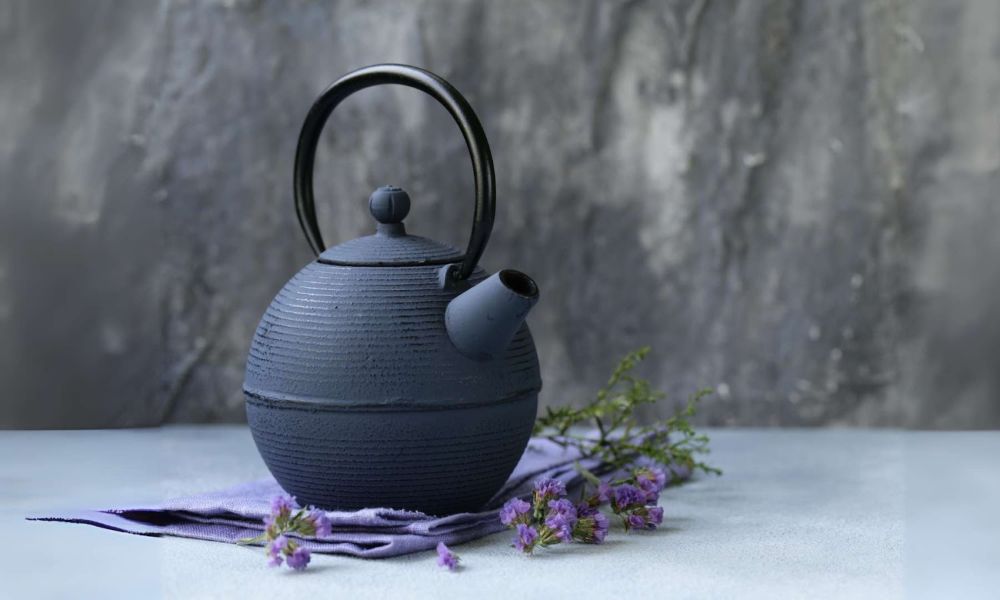
As the Japanese tea ceremony developed and the demand for more durable and functional kettles grew, craftsmen began experimenting with other materials, such as cast iron. Cast iron kettles, known as tetsubin, became increasingly popular during the 17th and 18th centuries due to their excellent heat retention properties and their ability to impart a subtle, pleasant flavor to the water.
The Development of the Tetsubin
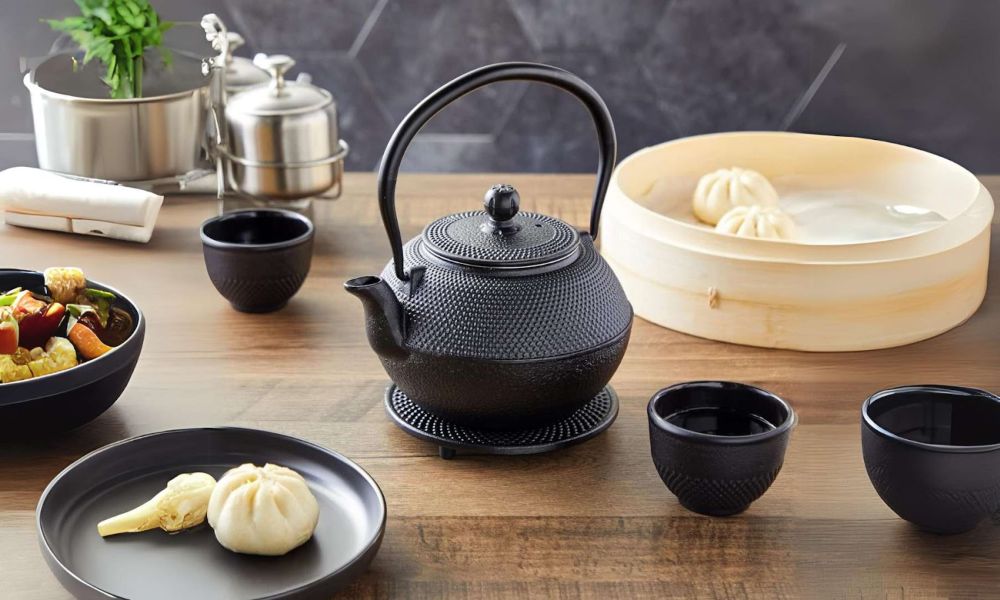
The tetsubin, a cast iron kettle with a pouring spout and a handle, originated in the Iwate Prefecture in northern Japan. These kettles were initially used for boiling water over open hearths and were prized for their durability and heat-retaining capabilities.
As the tetsubin gained popularity among tea enthusiasts, craftsmen began to refine their designs and incorporate more decorative elements. Many tetsubin featured intricate relief patterns, such as cherry blossoms, dragons, or geometric shapes, which were created using molds and skillful casting techniques.
The tetsubin became an integral part of the tea ceremony, as it allowed for the precise control of water temperature and the creation of a smooth, consistent flow of water when pouring. The weight and heat retention properties of the cast iron also contributed to the overall sensory experience of the tea ceremony, as participants could feel the warmth and heft of the kettle in their hands.
The Emergence of the Kyusu
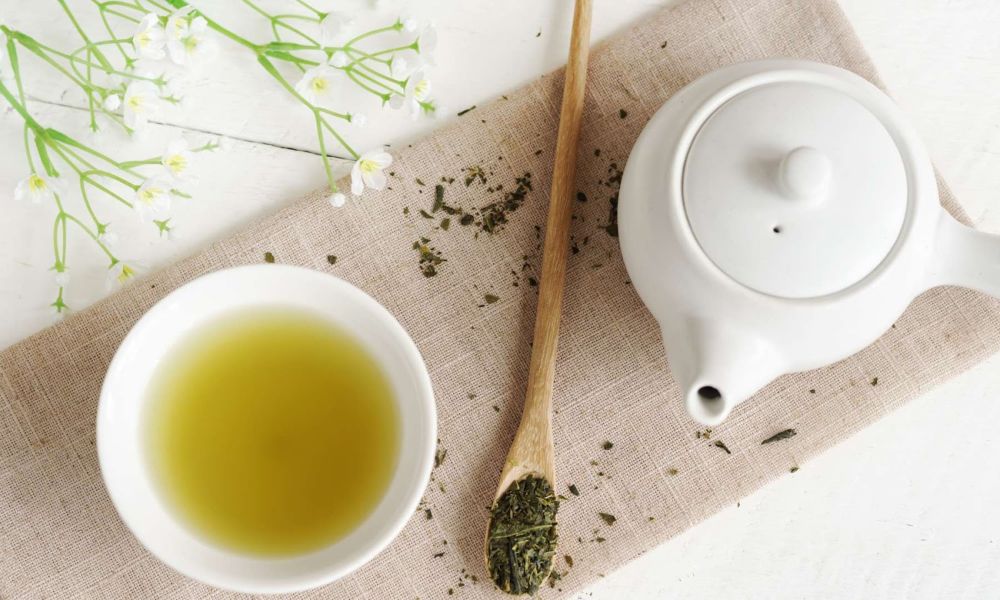
As loose-leaf teas, such as sencha, gained popularity in Japan, the need for a specialized teapot arose. The kyusu, a small, side-handled teapot with a built-in strainer, was developed to meet this need and quickly became a staple of Japanese tea culture.
Kyusu teapots are typically made from ceramic materials, such as porcelain or stoneware, and come in a variety of shapes and sizes. Some kyusu feature a wide, shallow bowl that allows for the tea leaves to expand and release their flavor, while others have a taller, more cylindrical shape that is better suited for steeping finer tea leaves.
The side handle of the kyusu is designed to provide a comfortable and secure grip, allowing for precise control when pouring. The built-in strainer, often made from ceramic or stainless steel, ensures that loose tea leaves are filtered out as the tea is poured, resulting in a clear and flavorful cup of tea.
Modern Innovations and Adaptations
While traditional Japanese tea kettles, such as the tetsubin and kyusu, remain popular among tea enthusiasts, modern innovations have also made their mark on the world of Japanese teaware. In recent years, stainless steel and electric kettles have gained popularity due to their durability, ease of use, and sleek, contemporary designs.
Stainless steel kettles offer a lightweight and rust-resistant alternative to traditional cast iron kettles, while still providing excellent heat conductivity and retention. Electric kettles, with their precise temperature control and automatic shut-off features, have made it easier than ever to heat water to the perfect temperature for different types of tea.
Despite these modern innovations, many Japanese teaware designers continue to draw inspiration from traditional designs and materials, creating kettles that blend the best of both worlds. These fusion pieces often feature the clean lines and functionality of modern design, while incorporating the textures, patterns, and colors that pay homage to Japan’s rich tea heritage.
The Art and Craftsmanship of Japanese Tea Kettles
Traditional Manufacturing Techniques
The creation of Japanese tea kettles is a testament to the skill and dedication of the country’s artisans, who have honed their craft over generations. The production of cast iron tetsubin, in particular, requires a high level of expertise and attention to detail.
The process begins with the creation of a clay mold, which is used to shape the molten iron. The mold is carefully crafted to incorporate any desired patterns or designs, and must be able to withstand the high temperatures of the casting process. Once the mold is ready, the molten iron is poured in and allowed to cool and solidify.
After the casting is complete, the tetsubin undergoes a series of finishing processes, including grinding, polishing, and the application of a protective coating. These steps not only enhance the appearance of the kettle but also ensure its durability and longevity.
Regional Variations and Styles
Japan’s diverse regional tea cultures have given rise to a wide variety of tea kettle styles and designs. Each region has its own unique traditions and aesthetic preferences, which are reflected in the craftsmanship of their teaware.
One notable example is the Nanbu tekki, a style of cast iron kettle that originated in the Iwate Prefecture. Nanbu tekki are known for their distinctive designs, which often feature intricate relief patterns and a deep, lustrous black finish. These kettles are highly prized by tea enthusiasts and collectors alike and are considered some of the finest examples of Japanese cast iron craftsmanship.
Another region renowned for its teaware is the Yamagata Prefecture, which is famous for its handcrafted ceramic kyusu. Yamagata kyusu are known for their elegant, minimalist designs and their exceptional functionality, with many featuring a finely crafted ceramic strainer that allows for the perfect infusion of loose-leaf teas.
The Aesthetic and Functional Elements of Japanese Tea Kettles
One of the defining characteristics of Japanese tea kettles is the harmonious balance between form and function. Every aspect of a kettle’s design, from its shape and size to its texture and finish, is carefully considered to enhance both its visual appeal and its performance.
The shape of a kettle, for example, can have a significant impact on its functionality. A kettle with a wide base and a narrow neck will allow for more efficient heating and pouring, while a kettle with a more cylindrical shape may be better suited for steeping delicate teas that require a slower, more controlled pour.
The texture and patina of a kettle are also important aesthetic considerations. Many Japanese tea kettles, particularly those made from cast iron or ceramic materials, are prized for their unique surface qualities, which can range from smooth and glossy to rough and rustic. These textures not only add visual interest to the kettle but also serve as a testament to the skill and artistry of the craftsman who created it.
The Symbolism and Cultural Significance of Japanese Tea Kettles
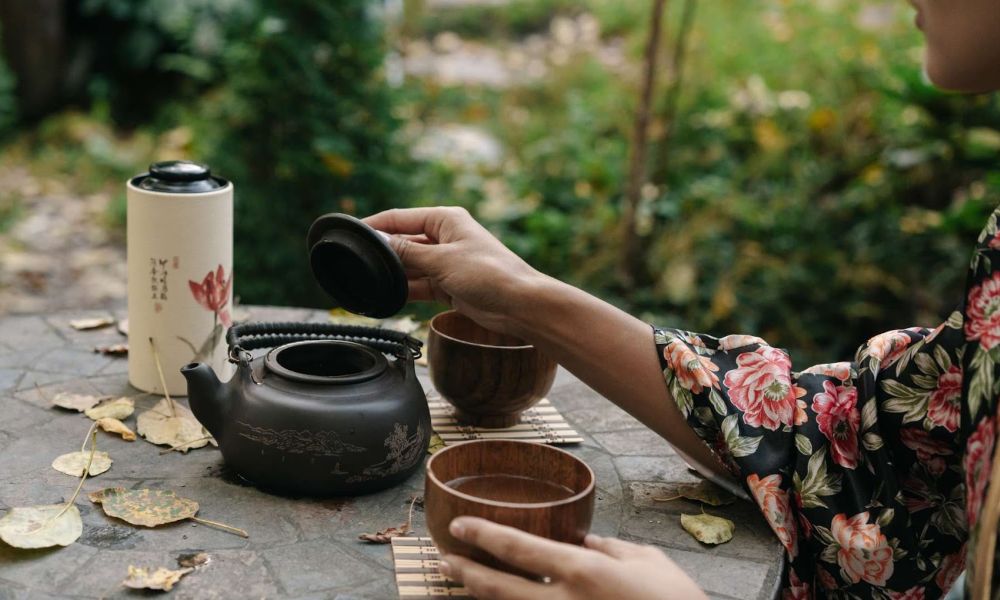
Beyond their practical functions, Japanese tea kettles also hold deep symbolic and cultural significance. In Japanese society, the act of preparing and serving tea is seen as a gesture of hospitality, respect, and goodwill. The tea kettle, as the vessel through which this act is performed, becomes a powerful symbol of these values.
In the context of the tea ceremony, the kettle is treated with the utmost reverence and care. The process of heating the water and pouring it into the teacups is a carefully choreographed ritual that is meant to promote mindfulness, harmony, and connection between the host and guests. The kettle, with its simple yet elegant design, serves as a focal point of the ceremony and a reminder of the beauty and tranquility that can be found in the present moment.
Japanese tea kettles are often passed down from generation to generation as cherished family heirlooms. These kettles not only serve as functional tools for brewing tea but also as tangible links to the past, carrying with them the memories and traditions of the families who have used them. In this way, the tea kettle becomes a symbol of cultural continuity and a testament to the enduring importance of tea in Japanese society.
Caring for and Using Japanese Tea Kettles
Proper Cleaning and Maintenance Techniques
To ensure that a Japanese tea kettle retains its beauty and functionality for years to come, it is important to follow proper cleaning and maintenance techniques. For cast iron kettles, this means regular cleaning with a soft cloth and mild detergent, followed by thorough drying to prevent rust and corrosion.
It is also important to avoid using abrasive cleaners or scrubbers, which can damage the kettle’s surface and remove its protective coating. If a kettle does develop rust or stains, it may be necessary to use a specialized cleaning product or seek the advice of a professional.
Ceramic and stainless steel kettles are generally easier to clean and maintain, but still require regular attention to keep them looking and performing their best. These kettles should be washed with warm, soapy water and dried thoroughly after each use, and may benefit from occasional deep cleaning with a specialized cleaner.
Tips for Brewing the Perfect Cup of Tea
Of course, the ultimate goal of any tea kettle is to help brew the perfect cup of tea. To achieve this, it is important to pay attention to factors such as water temperature, steeping time, and the quality of the tea leaves.
Different types of tea require different water temperatures to extract their full flavor and aroma. Green teas, for example, are best brewed with water that is slightly cooler than boiling, around 80-85°C (175-185°F), while black teas can tolerate water that is closer to boiling temperature.
Steeping time is another important factor to consider when brewing tea. Most teas should be steeped for around 2-5 minutes, depending on the variety and personal preference. Over-steeping can result in a bitter, astringent flavor while under-steeping can produce a weak, flavorless cup of tea.
Finally, the quality of the tea leaves themselves can have a significant impact on the final flavor of the brewed tea. It is always best to use fresh, high-quality tea leaves and to store them properly in airtight containers away from moisture, light, and strong odors.
FAQs
1. What is the difference between a tetsubin and a kyusu?
A tetsubin is a traditional Japanese cast iron kettle used for boiling water, while a kyusu is a small, side-handled teapot designed for brewing loose-leaf tea. Tetsubin is typically larger and heavier than kyusu and is used primarily for heating water rather than steeping tea directly.
2. Can I use a Japanese tea kettle on a stovetop?
It depends on the type of kettle. Traditional cast iron tetsubin are designed for use over an open flame or on a stovetop, while ceramic and porcelain kyusu are generally not suitable for direct heat and should be used with a separate heating source, such as a tea stove or hot plate.
3. How do I clean a cast iron tetsubin?
To clean a cast iron tetsubin, rinse it with warm water and use a soft cloth or brush to remove any debris or stains. Avoid using soap, as it can remove the seasoning and affect the flavor of the water. After cleaning, dry the tetsubin thoroughly to prevent rust and store it in a dry place.
4. What is the best way to store loose-leaf tea?
Loose-leaf tea should be stored in an airtight container in a cool, dry place away from direct sunlight, moisture, and strong odors. Many tea enthusiasts recommend using ceramic, glass, or stainless steel containers, as these materials are non-porous and won’t absorb flavors or odors.
5. How long should I steep Japanese green tea?
The ideal steeping time for Japanese green tea depends on the specific variety, but in general, most green teas should be steeped for 1-2 minutes in water that is around 80-85°C (175-185°F). Steeping for too long or using water that is too hot can result in a bitter, astringent flavor while steeping for too short a time can produce a weak, flavorless cup of tea.
Final Thoughts
Japanese tea kettles are more than just simple tools for brewing tea; they are a testament to the country’s rich cultural heritage and its enduring love affair with the art of tea. From the early days of tea’s introduction to Japan to the modern era of innovation and experimentation, these kettles have played a central role in the development and evolution of Japanese tea culture.
Through their unique designs, skilled craftsmanship, and deep symbolic significance, Japanese tea kettles have become a source of national pride and a symbol of the country’s commitment to excellence and tradition. They have also served as a means of fostering social connections, promoting mindfulness and well-being, and celebrating the beauty and simplicity of everyday moments.
As we continue to explore the world of Japanese tea kettles and tea culture, we can gain a deeper appreciation for the art and science of brewing the perfect cup of tea. Whether we are using a traditional cast iron tetsubin or a modern ceramic kyusu, we can take inspiration from the centuries of tradition and innovation that have shaped these remarkable vessels.
By embracing the principles of simplicity, functionality, and beauty that are embodied in Japanese tea kettles, we can not only elevate our own tea-drinking experiences but also gain a greater understanding and appreciation of the rich cultural heritage that surrounds us.
0 Comments
Most Voted