Best Wood for Charcuterie Board | Which Type Wins?

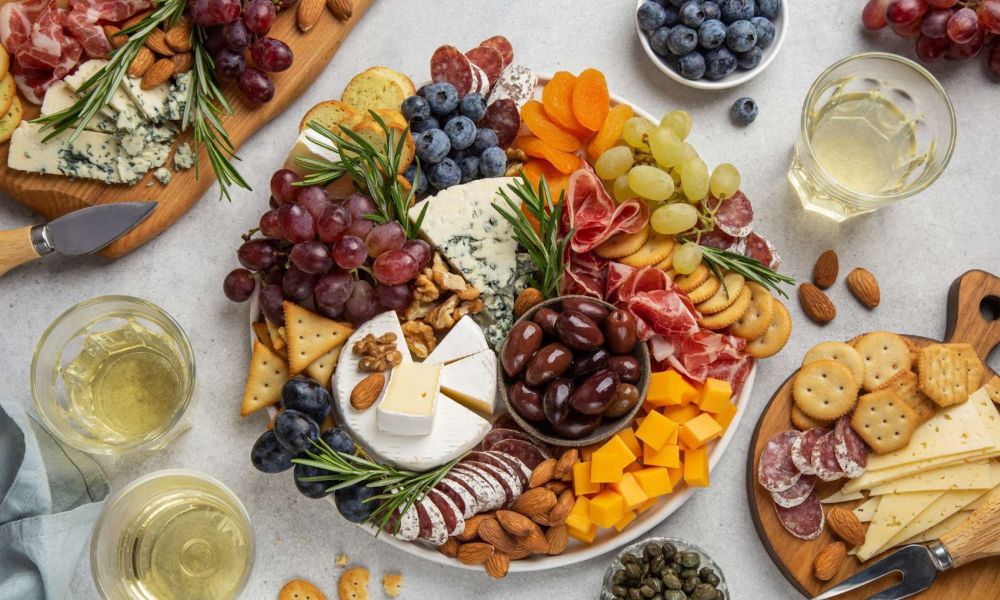
Charcuterie boards have become increasingly popular in recent years, offering a delightful and visually appealing way to serve a variety of meats, cheeses, fruits, and accompaniments. These boards not only provide a fantastic opportunity for culinary creativity but also serve as a centerpiece for gatherings and celebrations.
As the trend continues to grow, more people are investing in high-quality charcuterie boards to elevate their entertaining experiences. When it comes to choosing the perfect charcuterie board, one of the most important factors to consider is the type of wood used in its construction. The right wood can not only enhance the aesthetics of your board but also ensure its durability, food safety, and overall functionality.
So, today, we’ll dive deep into the world of charcuterie boards, exploring the unique characteristics, advantages, and disadvantages of five popular wood types. By the end of this article, you’ll have a clearer understanding of which wood is the best choice for your charcuterie board needs, taking into account factors such as durability, appearance, food-grade safety, eco-friendliness, and overall value for money.
Olive Wood Charcuterie Board
Overview and Characteristics
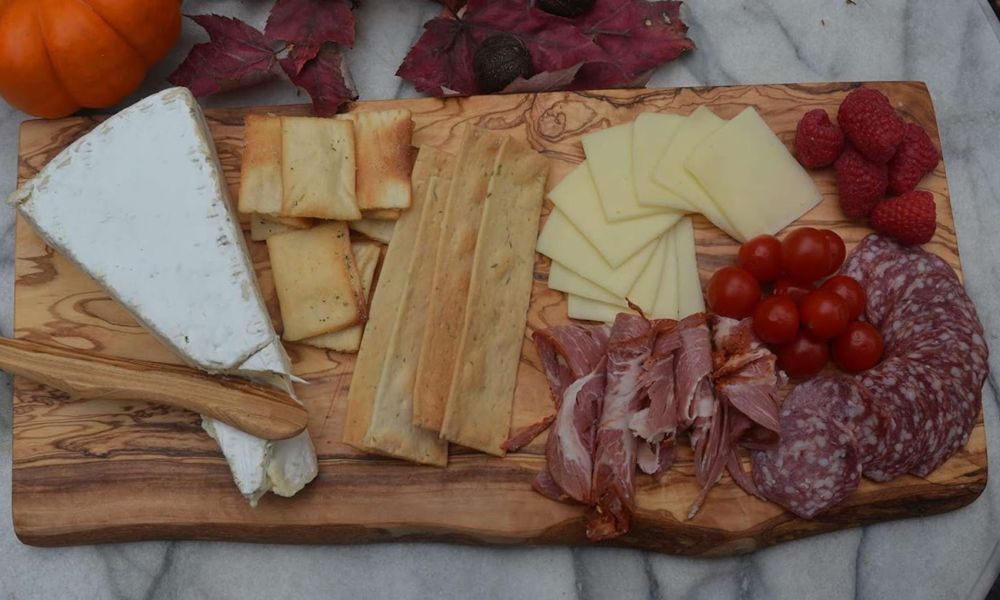
Olive wood, sourced from the pruning of olive trees, has gained significant popularity in the world of charcuterie boards. This hardwood is known for its distinctive appearance, characterized by intricate grain patterns and warm, golden hues. Olive wood’s natural beauty is often enhanced by the presence of knots and burls, adding to its rustic charm and making each board truly unique.
Advantages
- Durability and Hardness: Olive wood is exceptionally dense and hardwood, making it resistant to scratches, dents, and general wear and tear. This durability ensures that your olive wood charcuterie board will withstand the test of time and remain a cherished addition to your kitchen for years to come.
- Unique Grain Patterns and Appearance: One of the most appealing aspects of olive wood is its stunning grain patterns and rich, warm color. No two olive wood boards are exactly alike, as the grain patterns vary depending on factors such as the age and growing conditions of the tree. This uniqueness adds a touch of character and sophistication to your charcuterie presentations.
- Natural Resistance to Bacteria and Moisture: Olive wood contains natural oils that act as a barrier against moisture and bacteria. This inherent resistance helps to keep your charcuterie board hygienic and safe for food contact, even with repeated use. However, it’s essential to note that olive wood boards still require proper cleaning and maintenance to ensure optimal food safety.
- Sustainability and Eco-Friendliness: Olive wood is often sourced from the pruning of olive trees, which is a necessary process for maintaining the health and productivity of the trees. By utilizing wood that would otherwise be discarded, olive wood charcuterie boards contribute to sustainable practices and reduce waste in the agricultural industry.
Disadvantages
- Higher Cost: Due to its sought-after characteristics and limited availability, olive wood charcuterie boards tend to come with a higher price tag compared to boards made from other types of wood. This may be a consideration for those working with a tight budget or looking for a more affordable option.
- Potential for Scratches and Knife Marks: While olive wood is indeed a durable hardwood, it is not immune to scratches and knife marks, especially with frequent use. To minimize damage, it’s essential to use sharp knives and avoid cutting directly on the board’s surface. Embracing the natural wear and tear as part of the board’s character is also an option for those who appreciate a more rustic look.
Black Walnut Charcuterie Board
Overview and Characteristics
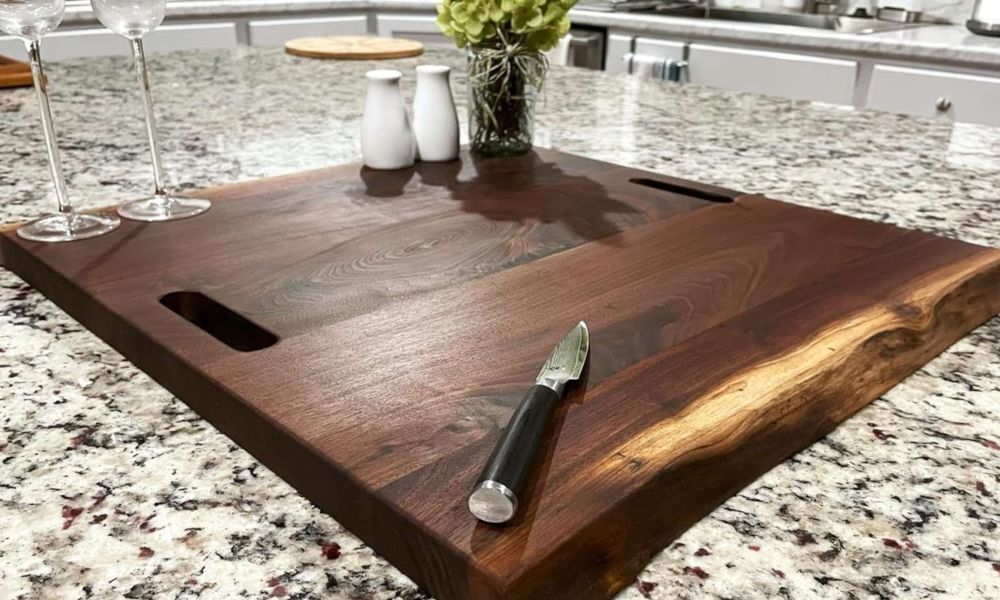
Black walnut, a hardwood native to North America, is another popular choice for charcuterie boards. Known for its rich, dark color and striking grain patterns, black walnut adds a touch of elegance and sophistication to any charcuterie spread. The wood’s natural beauty is often accentuated by the presence of knots, burls, and sapwood, creating a unique and visually appealing board.
Advantages
- Rich, Dark Color, and Attractive Grain Patterns: One of the most notable features of black walnut is its deep, chocolate-brown color, which can range from light to dark depending on the age and growing conditions of the tree. This rich color, combined with the wood’s attractive grain patterns, creates a charcuterie board that is both visually striking and luxurious.
- Durability and Resistance to Warping: Black walnut is a dense and strong hardwood, making it resistant to scratches, dents, and general wear and tear. Additionally, black walnut is less prone to warping compared to other wood types, ensuring that your charcuterie board maintains its shape and stability over time.
- Naturally Resistant to Moisture and Bacteria: Like olive wood, black walnut contains natural oils that help to resist moisture and bacterial growth. This natural resistance contributes to the board’s food-grade safety and hygiene, making it an ideal choice for serving a variety of meats, cheeses, and other charcuterie components.
- Adds a Luxurious Touch to Presentations: The rich, dark color and elegant appearance of black walnut charcuterie boards can elevate any gathering or celebration. Whether you’re hosting a casual get-together or a formal event, a black walnut board is sure to impress your guests and add a touch of sophistication to your culinary spread.
Disadvantages
- Higher Cost: Similar to olive wood, black walnut charcuterie boards tend to come with a higher price tag due to the wood’s desirability and limited availability. This may be a drawback for those working with a smaller budget or looking for a more affordable option.
- Requires Regular Maintenance and Oiling: To maintain the beauty and durability of your black walnut charcuterie board, it’s crucial to perform regular maintenance, including cleaning and oiling. This maintenance helps to prevent the wood from drying out, cracking, or becoming dull over time. While not necessarily a disadvantage, it’s an important consideration for those who prefer a low-maintenance option.
Resin Charcuterie Board
Overview and Characteristics
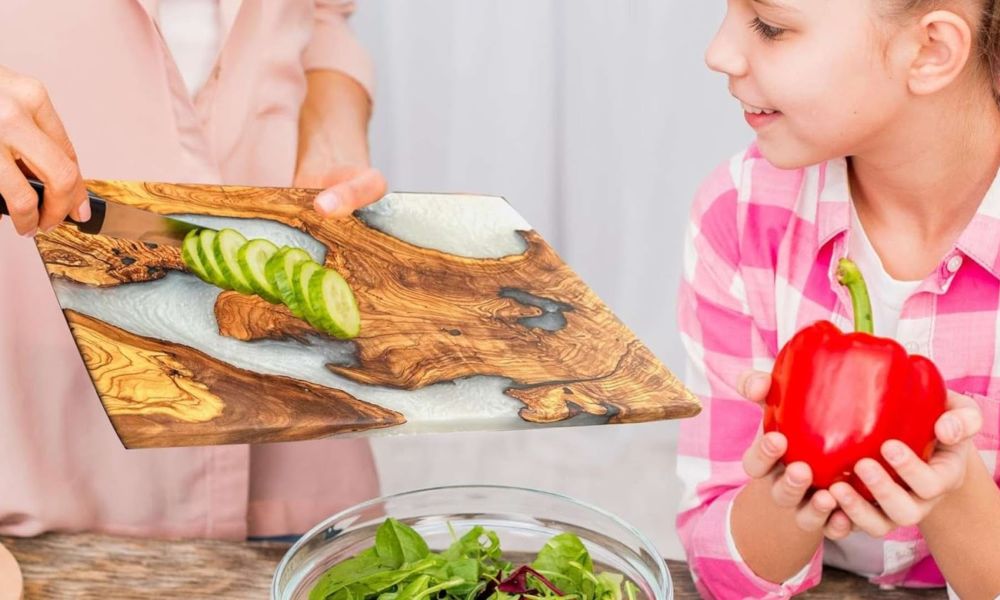
Resin charcuterie boards have gained popularity in recent years as a modern and versatile alternative to traditional wooden boards. These boards are crafted from a combination of resin and other materials, such as wood chips, pigments, or even edible elements like dried fruits or herbs. The result is a visually striking and highly customizable board that offers a unique twist on the classic charcuterie presentation.
Advantages
- Highly Customizable with Various Colors and Designs: One of the most significant advantages of resin charcuterie boards is the ability to customize them with a wide range of colors, patterns, and designs. From vibrant hues to intricate swirls and embedded elements, resin boards allow for endless creative possibilities, making each board a true work of art.
- Non-Porous and Easy to Clean: Unlike wooden charcuterie boards, resin boards are non-porous, meaning they don’t absorb liquids or odors. This non-porous nature makes resin boards incredibly easy to clean and maintain, as they can be simply wiped down with soap and water or even placed in the dishwasher for a thorough cleaning.
- Resistant to Moisture, Bacteria, and Stains: Resin charcuterie boards are highly resistant to moisture, bacteria, and stains, thanks to their non-porous surface. This resistance helps to ensure the board’s food-grade safety and hygiene, even with repeated use and exposure to various food items.
- Durable and Long-Lasting: Resin is a durable material that is resistant to cracks, chips, and general wear and tear. This durability ensures that your resin charcuterie board will withstand the test of time and remain a reliable addition to your kitchen for years to come.
Disadvantages
- Lack of Natural Wood Appearance and Texture: While resin charcuterie boards offer a unique and modern aesthetic, they lack the natural appearance and texture of wooden boards. For those who prefer the warmth and character of wood grain, resin boards may not provide the same visual and tactile experience.
- Potential for Scratches and Knife Marks: Although resin is a durable material, it is not entirely resistant to scratches and knife marks. To minimize damage, it’s essential to use sharp knives and avoid cutting directly on the board’s surface. However, scratches and marks may be less noticeable on resin boards compared to wooden ones, depending on the color and pattern of the resin.
Bamboo Charcuterie Board
Overview and Characteristics
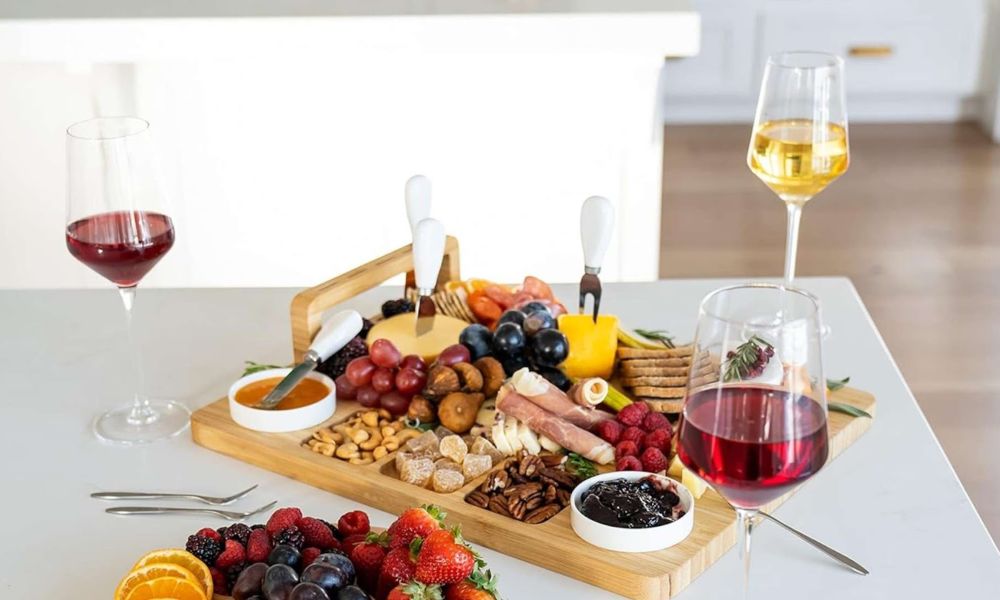
Bamboo charcuterie boards have gained popularity as an eco-friendly and affordable alternative to traditional hardwood boards. Bamboo is a fast-growing, renewable resource that is known for its durability and resistance to moisture and bacteria. These characteristics make bamboo an attractive choice for those seeking a sustainable and practical option for their charcuterie presentations.
Advantages
- Eco-Friendly and Sustainable Material: Bamboo is one of the most sustainable materials available for charcuterie boards. As a fast-growing grass, bamboo can be harvested every 3-5 years without causing damage to the plant or surrounding ecosystem. This renewable nature makes bamboo an environmentally friendly choice for conscientious consumers.
- Lightweight and Easy to Handle: Compared to hardwood charcuterie boards, bamboo boards are generally lighter in weight, making them easier to handle and transport. This lightweight nature is particularly advantageous for larger boards or for those who plan to use their board for outdoor gatherings or picnics.
- Naturally Antimicrobial and Resistant to Moisture: Bamboo has natural antimicrobial properties that help to resist the growth of bacteria and other harmful microorganisms. Additionally, bamboo is resistant to moisture, which helps to prevent warping, cracking, and other water-related damage. These properties contribute to the board’s food-grade safety and overall durability.
- Affordable Compared to Other Options: Bamboo charcuterie boards are often more affordable than boards made from high-end hardwoods like olive wood or black walnut. This affordability makes bamboo an attractive option for those working with a tighter budget or looking to invest in multiple boards for various occasions.
Disadvantages
- Softer Than Hardwoods, More Prone to Scratches and Knife Marks: While bamboo is indeed a durable material, it is softer than most hardwoods used for charcuterie boards. As a result, bamboo boards may be more susceptible to scratches and knife marks, especially with frequent use. To minimize damage, it’s essential to use sharp knives and avoid cutting directly on the board’s surface.
- May Absorb Flavors and Odors Over Time: Bamboo, like other porous materials, may absorb flavors and odors from the foods placed on its surface. This absorption can be particularly noticeable with strong-smelling cheeses or cured meats. To minimize this issue, it’s essential to clean your bamboo board promptly after each use and avoid leaving food on the surface for extended periods.
Acacia Wood Charcuterie Board
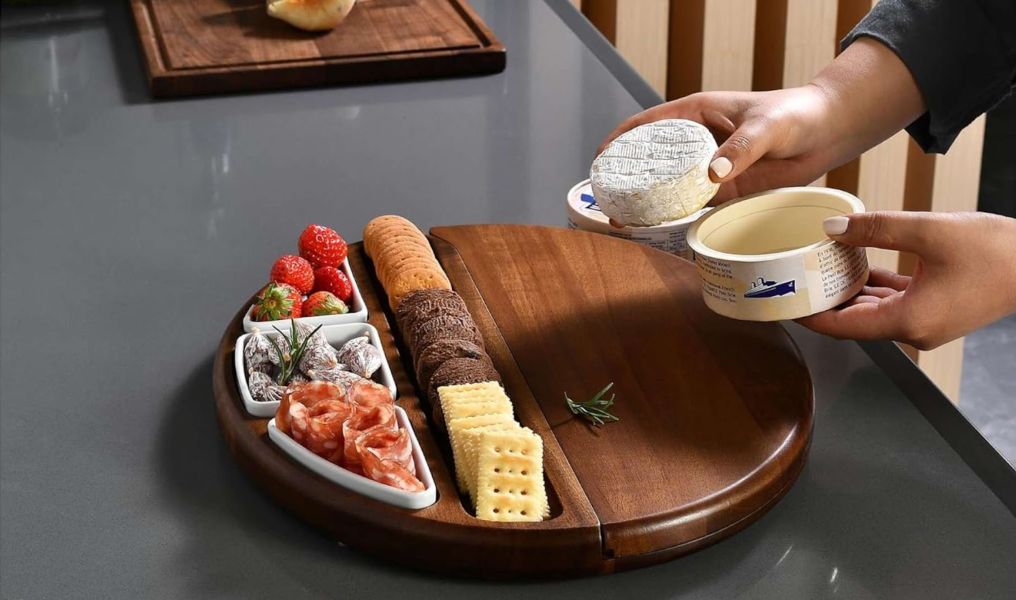
Overview and Characteristics
Acacia wood, derived from the Acacia tree native to Australia and Africa, has become an increasingly popular choice for charcuterie boards. Known for its durability, attractive grain patterns, and rich color, acacia wood offers a balance of functionality and aesthetic appeal. Acacia wood’s resistance to water and its natural antimicrobial properties make it a practical choice for serving a variety of meats, cheeses, and accompaniments.
Advantages
- Durable and Resistant to Water Damage: Acacia wood is a dense and durable hardwood that is resistant to water damage, warping, and cracking. This durability ensures that your acacia wood charcuterie board will withstand the test of time and remain a reliable addition to your kitchen for years to come.
- Attractive, Rich Color and Grain Patterns: Acacia wood is known for its stunning grain patterns and rich, warm color that ranges from light to dark brown, often with hints of red or gold. This natural beauty adds a touch of elegance and sophistication to your charcuterie presentations, making acacia wood boards a visually appealing choice for any occasion.
- Naturally Antimicrobial and Resistant to Bacteria: Like other hardwoods, acacia wood contains natural oils that help to resist the growth of bacteria and other harmful microorganisms. This natural resistance contributes to the board’sfood grade safety and hygiene, making it an ideal choice for serving a variety of food items.
- Affordable Compared to Other Hardwood Options: While acacia wood is indeed a high-quality hardwood, it is often more affordable than other premium options like olive wood or black walnut. This affordability makes acacia wood an attractive choice for those seeking a balance of quality and value in their charcuterie board investment.
Disadvantages
- Requires Regular Maintenance and Oiling: To maintain the beauty and durability of your acacia wood charcuterie board, it’s essential to perform regular maintenance, including cleaning and oiling. This maintenance helps to prevent the wood from drying out, cracking, or becoming dull over time. While not necessarily a disadvantage, it’s an important consideration for those who prefer a low-maintenance option.
- May Darken or Change Color Over Time: Acacia wood, like other natural wood products, may darken or change color over time due to exposure to sunlight, air, and moisture. While this change in color is often considered part of the wood’s natural aging process and can add character to the board, it may be a concern for those who prefer a consistent appearance.
Comparison and Discussion
When comparing the five popular wood types for charcuterie boards – olive wood, black walnut, resin, bamboo, and acacia wood, several key factors come into play:
1. Durability and Resistance to Damage
In terms of durability and resistance to damage, hardwoods like olive wood, black walnut, and acacia wood generally outperform bamboo and resin. These hardwoods are denser and more resistant to scratches, dents, and general wear and tear. However, it’s important to note that no wood is entirely immune to damage, and proper care and maintenance are essential for all charcuterie boards, regardless of the material.
2. Appearance and Aesthetic Appeal
Each wood type offers its own unique appearance and aesthetic appeal. Olive wood and black walnut are known for their rich, dark colors and intricate grain patterns, adding a touch of luxury and sophistication to charcuterie presentations. Acacia wood offers a warm, inviting appearance with its varied grain patterns and color tones. Bamboo has a more uniform, light-colored appearance, while resin boards offer endless possibilities for customization and creative designs.
3. Food Safety and Antimicrobial Properties
All five wood types discussed – olive wood, black walnut, resin, bamboo, and acacia wood – have natural properties that contribute to their food-grade safety and resistance to bacteria. Hardwoods like olive wood, black walnut, and acacia wood contain natural oils that help to resist moisture and bacterial growth. Bamboo has natural antimicrobial properties, while resin boards are non-porous and easy to clean, making them resistant to bacteria and stains.
4. Eco-friendliness and Sustainability
When it comes to eco-friendliness and sustainability, bamboo stands out as a highly renewable and environmentally friendly resource. Bamboo can be harvested every 3-5 years without causing damage to the plant or surrounding ecosystem. Olive wood is often sourced from the pruning of olive trees, which is a necessary process for maintaining the health and productivity of the trees.
Black walnut and acacia wood, while not as rapidly renewable as bamboo, are still considered sustainable hardwoods when sourced from responsibly managed forests. Resin boards, depending on the type of resin used and the manufacturing process, may not be as eco-friendly as their wooden counterparts.
5. Cost and Value for Money
The cost and value for money of charcuterie boards vary depending on the wood type and the specific manufacturer. Olive wood and black walnut boards tend to be on the higher end of the price spectrum due to their desirability and limited availability. Acacia wood and bamboo boards are often more affordable, offering a balance of quality and value. Resin boards can range in price depending on the complexity of the design and the materials used, but they are generally more affordable than premium hardwood options.
Based On These Comparisons, Our KD4U Recommendations Are As Follows
- Best overall choice: Acacia wood charcuterie board, offering a balance of durability, appearance, and affordability.
- Best budget-friendly option: Bamboo charcuterie board, providing good durability and food safety at a lower price point.
- Best for easy maintenance: Resin charcuterie board, offering exceptional durability and the convenience of being dishwasher safe.
- Best for unique appearance: Olive wood or black walnut charcuterie board, showcasing striking grain patterns and rich colors.
FAQs
1. What qualities should I look for when choosing a wood for my charcuterie board?
When selecting a wood for your charcuterie board, consider factors such as durability, resistance to moisture and bacteria, aesthetic appeal, and maintenance requirements. Hardwoods like olive wood, black walnut, and acacia wood are known for their durability and natural resistance to bacteria, while bamboo is lightweight and eco-friendly. Resin boards offer unique design possibilities and are easy to clean and maintain.
2. Are charcuterie boards made from wood safe for serving food?
Yes, charcuterie boards made from wood are generally safe for serving food, as long as they are properly maintained and cleaned. Hardwoods like olive wood, black walnut, and acacia wood have natural antimicrobial properties that help resist bacterial growth. When choosing a wooden board, make sure it is labeled as food-safe or food-grade to ensure it has been treated with food-safe finishes.
3. How do I maintain and clean my wooden charcuterie board?
To maintain your wooden charcuterie board, clean it with warm, soapy water after each use and dry it immediately with a soft cloth. Avoid soaking the board in water, as this can cause damage. Regularly treat your board with food-safe mineral oil or beeswax to keep the wood moisturized and prevent cracking or warping. Store your board in a cool, dry place when not in use.
4. Can I use a charcuterie board for cutting and slicing, or is it just for serving?
Charcuterie boards are primarily designed for serving and displaying meats, cheeses, fruits, and other accompaniments. While it is possible to cut and slice on a charcuterie board, it is generally recommended to use a separate cutting board to avoid damaging the surface of your charcuterie board. Cutting directly on your charcuterie board can lead to scratches, knife marks, and other wear and tear over time.
5. Are there any specific wood types I should avoid when choosing a charcuterie board?
When choosing a wood for your charcuterie board, avoid softwoods like pine or cedar, as they are more prone to scratches, dents, and absorption of flavors and odors. Also, steer clear of woods that may contain harmful toxins or cause allergic reactions, such as some exotic woods or those treated with unsafe finishes. Stick with well-known, food-safe hardwoods like olive wood, black walnut, acacia wood, or bamboo for the best results.
In the quest for the best wood for charcuterie boards, it’s clear that each type of wood has its own unique advantages and disadvantages. Olive wood and black walnut offer stunning aesthetics, durability, and natural resistance to bacteria, but come with a higher price tag. Acacia wood provides a balance of durability, attractiveness, and affordability, while bamboo stands out for its eco-friendliness and lightweight nature.
Ultimately, the best charcuterie board for you will depend on your individual needs, preferences, and budget. Whether you prioritize durability, appearance, food safety, eco-friendliness, or affordability, there is a wood type that will suit your requirements.
When making your choice, consider factors such as your intended use, personal style preferences, budget, and willingness to invest time in maintenance. Don’t be afraid to experiment with different wood types to find the one that truly resonates with you and enhances your charcuterie presentations.
Regardless of the wood type you choose, a well-crafted charcuterie board will serve as a stunning centerpiece for your gatherings and celebrations, offering a delightful way to showcase a variety of meats, cheeses, fruits, and accompaniments.
With the right care and maintenance, your chosen charcuterie board will be a cherished addition to your kitchen for years to come, providing countless opportunities to explore your culinary creativity and impress your guests.
0 Comments
Most Voted