Granite vs Ceramic Cookware | Pros and Cons Revealed

When it comes to creating culinary masterpieces in the kitchen, having the right tools is essential. Among the various options available, granite and ceramic cookware have gained significant popularity in recent years. These materials offer unique features and benefits that set them apart from traditional stainless steel cookware or cast iron pots and pans.
As home cooks and professional chefs alike seek out the best equipment for their needs, the debate between granite and ceramic cookware has intensified. Both materials boast non-stick properties, durability, and attractive designs, but which one truly reigns supreme in the kitchen?
So, let’s deep dive into the world of granite and ceramic cookware, exploring their pros and cons, and helping you make an informed decision when choosing the perfect type of cookware set for your culinary adventures. Whether you’re a seasoned chef or a newbie in the kitchen, understanding the differences between these two materials will empower you to create delicious meals with ease and confidence.
Granite Cookware
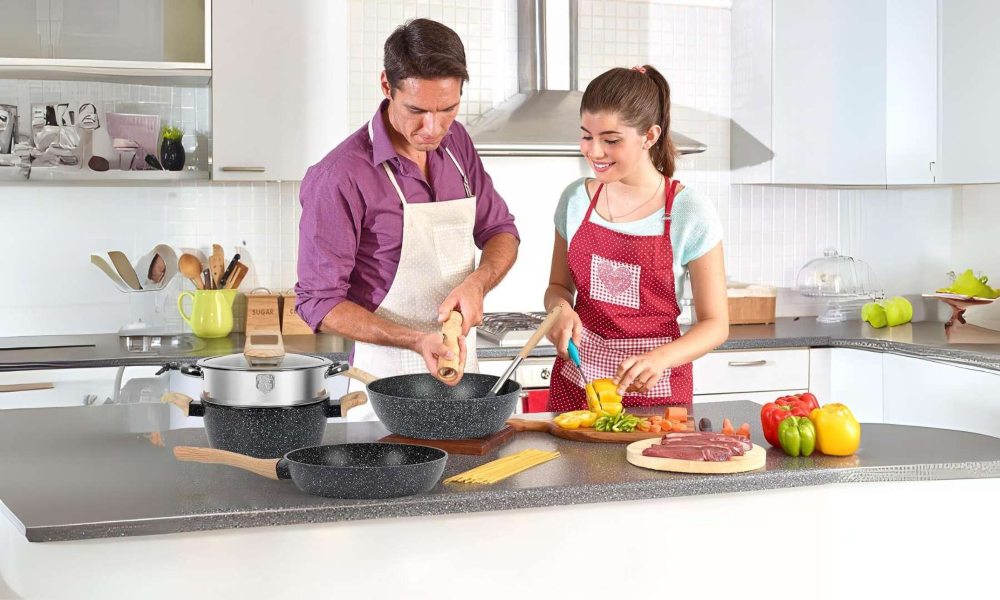
Granite cookware is a relatively new addition to the world of kitchen equipment, combining the durability of stainless steel with the non-stick properties of modern coatings. Despite its name, granite cookware doesn’t actually contain any granite. Instead, it features a stainless steel or aluminum base that is coated with a layer of porcelain enamel infused with granite particles.
The manufacturing process of granite cookware involves applying the porcelain enamel coating to the base material through a high-heat process. This creates a durable, non-stick surface that is resistant to scratches and chips, making it an attractive option for busy home cooks and professional chefs alike.
Key Features of Granite Cookware
One of the primary benefits of granite cookware is its non-stick properties. The porcelain enamel coating infused with granite particles creates a smooth, non-porous surface that prevents food from sticking, making cooking and cleanup a breeze.
In addition to its non-stick capabilities, granite cookware is known for its durability and scratch resistance. The hard, dense surface of the porcelain enamel coating is less likely to scratch or chip compared to traditional non-stick coatings, ensuring that your cookware remains in excellent condition for years to come.
Granite cookware also offers excellent heat distribution and retention, thanks to its stainless steel or aluminum base. This allows for even cooking and consistent results, whether you’re searing a steak, sautéing vegetables, or simmering a delicate sauce.
Advantages of Using Granite Cookware
One of the main advantages of using granite cookware is how easy to clean it is. The non-stick surface allows for quick and effortless food release, minimizing the need for scrubbing or soaking. Most granite cookware is also dishwasher-safe, making cleanup even more convenient.
Granite cookware is suitable for various cooking methods, including stovetop cooking, oven baking, and even grilling. Its versatility makes it a valuable addition to any kitchen, allowing you to create a wide range of dishes with a single set of pots and pans.
Lastly, granite cookware offers an attractive appearance and a range of design options. The sleek, modern look of granite cookware can enhance the aesthetic of your kitchen, while the variety of colors and styles available allows you to choose a set that complements your personal taste.
Disadvantages of Using Granite Cookware
Despite its many benefits, granite cookware does have some potential drawbacks. One concern is the presence of PTFE (polytetrafluoroethylene) and PFOA (perfluorooctanoic acid) in some granite cookware coatings. These chemicals have been linked to health concerns when heated to high temperatures, although many manufacturers have phased out their use in recent years.
Another disadvantage of granite cookware is its higher cost compared to traditional cookware materials like stainless steel or aluminum. The specialized manufacturing process and premium materials used in granite cookware contribute to its higher price point, which may be a barrier for some home cooks.
Lastly, while granite cookware is suitable for most cooking methods, it may not be the best choice for high-heat cooking techniques like searing or stir-frying. The non-stick coating can degrade over time when exposed to high temperatures, potentially reducing the lifespan of your cookware.
Ceramic Cookware
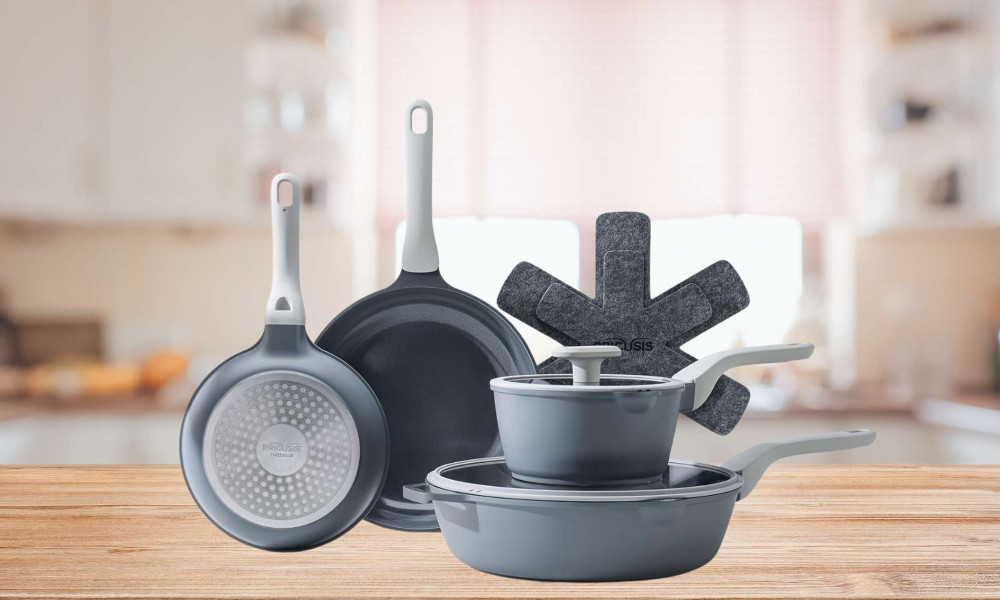
Ceramic cookware has gained popularity in recent years as a non-toxic, eco-friendly alternative to traditional non-stick cookware. There are two main types of ceramic cookware: pure ceramic and ceramic-coated.
Pure ceramic cookware is made entirely from natural ceramic materials, such as clay and minerals, which are molded and fired at high temperatures to create a dense, durable surface. This type of ceramic cookware is often free from harmful chemicals and is considered one of the safest options for cooking.
Ceramic-coated cookware, on the other hand, features a metal base (usually aluminum) that is coated with a layer of ceramic material. This ceramic coating provides non-stick properties and is also free from PTFE and PFOA, making it a safer choice compared to traditional non-stick cookware.
Key Features of Ceramic Cookware
Like granite cookware, ceramic cookware is known for its excellent non-stick properties. The smooth, glossy surface of ceramic cookware allows for easy food release and minimal sticking, making cooking and cleanup a breeze.
Ceramic cookware also offers good heat distribution and retention, ensuring that your food cooks evenly and consistently. The ceramic material is a poor conductor of heat, which means it heats up slowly but retains heat well, allowing for more efficient cooking and energy savings.
One of the main selling points of ceramic cookware is its eco-friendliness and safety. Pure ceramic cookware is made from natural, non-toxic materials, while ceramic-coated cookware is free from harmful chemicals like PTFE and PFOA. This makes ceramic cookware a popular choice for health-conscious consumers and those with environmental concerns.
Advantages of Using Ceramic Cookware
The primary advantage of using ceramic cookware is its non-toxic and PFOA/PTFE-free properties. By choosing ceramic cookware, you can have peace of mind knowing that your food is being prepared in a safe and healthy manner, without the risk of harmful chemicals leaching into your meals.
Ceramic cookware is also easy to clean, thanks to its non-stick surface. Most ceramic pots and pans are dishwasher-safe, making cleanup a breeze. For stubborn stains or residue, a simple soak in warm, soapy water is usually sufficient to remove any debris.
Another advantage of ceramic cookware is its versatility. Ceramic pots and pans are suitable for various cooking methods, including stovetop cooking, oven baking, and even microwave use. This makes ceramic cookware a convenient choice for a wide range of recipes and cooking techniques.
Disadvantages of Using Ceramic Cookware
One of the main disadvantages of ceramic cookware is its lower durability compared to granite cookware. The ceramic coating can be prone to chipping, cracking, or scratching, especially if not handled with care. Once the coating is damaged, the non-stick properties may diminish, and the cookware may become less effective.
Ceramic cookware also requires proper care and maintenance to ensure its longevity. This includes using soft utensils to avoid scratching the surface, handwashing to prevent damage to the coating, and storing the cookware carefully to prevent chips or cracks.
Comparison of Granite and Ceramic Cookware
1. Non-Stick Properties
Both granite and ceramic cookware offer excellent non-stick properties, allowing for easy food release and minimal sticking. However, there are some differences in the effectiveness and durability of their non-stick coatings.
Granite cookware’s non-stick coating is infused with granite particles, which creates a durable, long-lasting surface that is resistant to scratches and chips. This means that the non-stick properties of granite cookware may last longer compared to ceramic cookware.
Ceramic cookware’s non-stick properties are derived from its smooth, glossy surface, which is inherently non-stick. While ceramic cookware offers excellent food release, the non-stick coating may wear down over time, especially if not properly cared for or if exposed to high temperatures.
2. Durability and Longevity
In terms of durability and longevity, granite cookware generally outperforms ceramic cookware. The hard, dense surface of granite cookware is more resistant to scratches, chips, and cracks compared to the delicate ceramic coating.
Granite cookware is built to withstand the rigors of daily cooking and can last for many years with proper care and maintenance. The stainless steel or aluminum base of granite cookware also contributes to its overall durability and stability.
Ceramic cookware, while still a durable option, may be more prone to damage over time. The ceramic coating can chip, crack, or scratch if not handled with care, which can affect the cookware’s performance and longevity. However, with proper use and maintenance, ceramic cookware can still provide many years of reliable service.
3. Heat Distribution and Retention
Both granite and ceramic cookware offer good heat distribution and retention, but there are some differences in their performance.
Granite cookware’s stainless steel or aluminum base provides excellent heat conductivity, allowing for quick and even heating across the cooking surface. This ensures that your food cooks consistently and efficiently, without hot spots or uneven cooking.
Ceramic cookware, on the other hand, is a poor conductor of heat. This means that it may take longer to heat up compared to granite cookware. However, once heated, ceramic cookware retains heat well, allowing for more consistent cooking temperatures and energy savings.
Both types of cookware are suitable for use on various cooktop types, including gas, electric, and induction. However, it’s essential to check the manufacturer’s guidelines to ensure that your specific cookware set is compatible with your cooktop.
4. Safety and Health Considerations
When it comes to safety and health considerations, ceramic cookware has a slight edge over granite cookware.
Granite cookware, while generally considered safe, may contain traces of PTFE and PFOA in its non-stick coating. These chemicals have been linked to potential health concerns when heated to high temperatures, although most manufacturers have phased out their use in recent years.
Ceramic cookware, particularly pure ceramic cookware, is considered one of the safest options for cooking. Pure ceramic cookware is made from natural, non-toxic materials and is free from harmful chemicals like PFOA and PTFE. Ceramic-coated cookware is also a safer alternative to traditional non-stick cookware, as it does not contain these harmful chemicals.
However, it’s essential to note that both granite and ceramic cookware are safe for cooking when used as intended and according to the manufacturer’s guidelines. As long as you follow proper care and maintenance instructions and avoid exposing your cookware to extremely high temperatures, you can enjoy the benefits of both materials without significant health concerns.
5. Ease of Cleaning and Maintenance
Both granite and ceramic cookware are relatively easy to clean, thanks to their non-stick properties. Most cookware sets are dishwasher-safe, making cleanup a breeze. However, handwashing is often recommended to extend the life of your cookware and preserve the quality of the non-stick coating.
For best results, use a soft sponge or cloth and mild dish soap to clean your granite or ceramic cookware. Avoid using abrasive materials or harsh cleaning agents, as these can damage the non-stick surface and reduce the cookware’s effectiveness.
6. Cost and Value for Money
When it comes to cost and value for money, granite cookware tends to be more expensive than ceramic cookware. The specialized manufacturing process and premium materials used in granite cookware contribute to its higher price point.
However, granite cookware’s durability and long-lasting performance may justify the investment for some home cooks and professional chefs. The resilient non-stick coating and sturdy construction of granite cookware ensure that it can withstand frequent use and provide reliable results for many years.
Ceramic cookware, while generally less expensive than granite cookware, still offers excellent value for money. The non-toxic, eco-friendly properties of ceramic cookware, combined with its non-stick performance and versatility, make it an attractive option for health-conscious consumers and those on a budget.
Ultimately, the choice between granite and ceramic cookware will depend on your individual needs, preferences, and budget. Consider the long-term value of your investment, taking into account factors like durability, performance, and ease of use, to determine which type of cookware best suits your needs.
Choosing Between Granite and Ceramic Cookware
When deciding between granite and ceramic cookware, there are several key factors to consider:
1. Assessing Your Cooking Needs and Preferences
First, think about your cooking style and the types of dishes you typically prepare. If you frequently cook at high temperatures or use techniques like searing and stir-frying, granite cookware may be the better choice due to its superior heat conductivity and durability.
On the other hand, if you prioritize eco-friendliness and non-toxic cooking, ceramic cookware may be more appealing. Pure ceramic cookware, in particular, offers a safe and healthy option for preparing meals without the risk of harmful chemicals leaching into your food.
2. Considering Your Budget and Long-Term Investment
Next, consider your budget and the long-term value of your investment. Granite cookware tends to be more expensive than ceramic cookware, but its durability and long-lasting performance may justify the higher price point for some consumers.
Ceramic cookware, while generally less expensive, may require more frequent replacement due to its lower durability compared to granite cookware. However, the affordable price point of ceramic cookware may make it a more accessible option for those on a tight budget.
3. Prioritizing Safety and Health Concerns
If safety and health concerns are a top priority for you, ceramic cookware may be the better choice. Pure ceramic cookware, made from natural, non-toxic materials, is one of the safest options for cooking. Ceramic-coated cookware is also a safer alternative to traditional non-stick cookware, as it does not contain harmful chemicals like PFOA and PTFE.
While granite cookware is generally considered safe when used as intended, some consumers may prefer to avoid any potential risks associated with PTFE and PFOA, making ceramic cookware a more appealing choice.
4. Evaluating the Ease of Use and Maintenance
Finally, consider the ease of use and maintenance when choosing between granite and ceramic cookware. Both materials offer non-stick properties and are relatively easy to clean, but there are some differences in their care requirements.
Granite cookware is generally more durable and resistant to scratches and chips, making it easier to maintain over time. However, it may require more careful handling to avoid damaging the non-stick coating.
Ceramic cookware, while still easy to clean, may be more prone to chipping or cracking if not handled with care. It’s important to follow the manufacturer’s guidelines for use and maintenance to ensure the longevity of your ceramic cookware.
FAQs
1. Is granite cookware safe to use?
Granite cookware is generally considered safe when used as intended and according to the manufacturer’s guidelines. However, some granite cookware may contain traces of PTFE and PFOA in the non-stick coating, which have been linked to potential health concerns when heated to high temperatures. To minimize any risks, choose granite cookware from reputable manufacturers who have phased out the use of these chemicals and follow proper care and maintenance instructions.
2. Can I use metal utensils with ceramic cookware?
It is not recommended to use metal utensils with ceramic cookware, as they can scratch and damage the delicate non-stick surface. To maintain the quality and performance of your ceramic cookware, opt for wooden, silicone, or plastic utensils that are gentle on the coating.
3. Is ceramic cookware more expensive than granite cookware?
In general, ceramic cookware tends to be less expensive than granite cookware. The specialized manufacturing process and premium materials used in granite cookware contribute to its higher price point. However, the actual cost of cookware sets can vary widely depending on the brand, size, and specific features of the products.
4. Can I use granite or ceramic cookware on an induction cooktop?
The compatibility of granite and ceramic cookware with induction cooktops depends on the specific product and manufacturer. Some granite and ceramic cookware sets are designed with a magnetic base that makes them suitable for use on induction cooktops. However, it’s essential to check the product specifications or consult with the manufacturer to ensure that your chosen cookware is compatible with your induction cooktop.
5. How long does the non-stick coating last on granite and ceramic cookware?
The lifespan of the non-stick coating on granite and ceramic cookware can vary depending on factors such as the quality of the product, frequency of use, and proper care and maintenance. On average, granite cookware tends to have a longer-lasting non-stick coating compared to ceramic cookware, due to its durable construction and resistance to scratches and chips. However, with proper use and care, both types of cookware can provide reliable non-stick performance for several years.
Final Thoughts
In the battle between granite and ceramic cookware, both materials offer unique advantages and disadvantages. Granite cookware is known for its durability, excellent heat distribution, and long-lasting non-stick properties, making it a popular choice for home cooks and professional chefs alike. But, it may come with a higher price tag and potential health concerns associated with PTFE and PFOA.
On the other hand, ceramic cookware, particularly pure ceramic options, is praised for its non-toxic, eco-friendly properties and ease of cleaning. It offers a safer alternative to traditional non-stick cookware, without compromising on the convenience and performance of non-stick cooking. However, ceramic cookware may be less durable than granite and require more careful handling to prevent damage.
Ultimately, the choice between granite and ceramic cookware comes down to your individual needs, preferences, and priorities. By assessing your cooking style, budget, safety concerns, and ease of use requirements, you can make an informed decision on the best type of cookware for your kitchen. Regardless of your choice, investing in high-quality, durable cookware is essential for enjoying delicious, healthy meals and elevating your cooking experience.
0 Comments
Most Voted