Dutch Oven vs Roasting Pan | Ovenware Showdown

9FAQs
While cooking, the choice of cookware can significantly affect the outcome of your dish. Dutch ovens and roasting pans are both versatile and essential tools in the kitchen, but choosing which one to use can sometimes be perplexing. Both have their unique features and benefits, making them suitable for different cooking techniques and recipes.
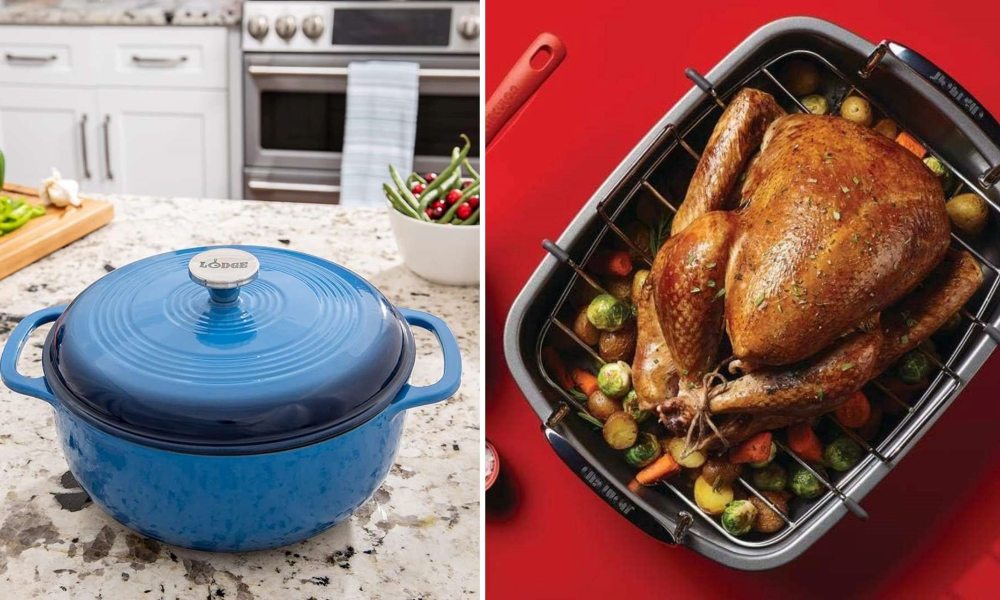
Dutch ovens, with their thick walls and heavy lids, are known for their excellent heat retention and even cooking. They are ideal for slow-cooking stews, braising meats, and baking bread. Their ability to maintain a consistent temperature makes them a favorite for recipes that require gradual and uniform cooking.
On the other hand, roasting pans are designed for high-heat cooking, making them perfect for roasting meats and vegetables. Their large, shallow shape allows for better air circulation, ensuring that your roast achieves a crispy exterior while remaining juicy inside. Roasting pans often come with racks, which help elevate the food, allowing fat and drippings to collect below.
In this clash between Dutch ovens and roasting pans, we will explore the key differences, advantages, and culinary applications of each. By the end, you will have a clearer understanding of which piece of cookware will best meet your cooking needs and help you achieve culinary excellence.
History and Evolution: From Ancient Hearths to Modern Kitchens
The journey of cookware through time is a fascinating tale of human ingenuity and culinary advancement. Both the Dutch oven and the roasting pan have played pivotal roles in this gastronomic evolution, each carving out its unique place in kitchens around the world.
Dutch Oven
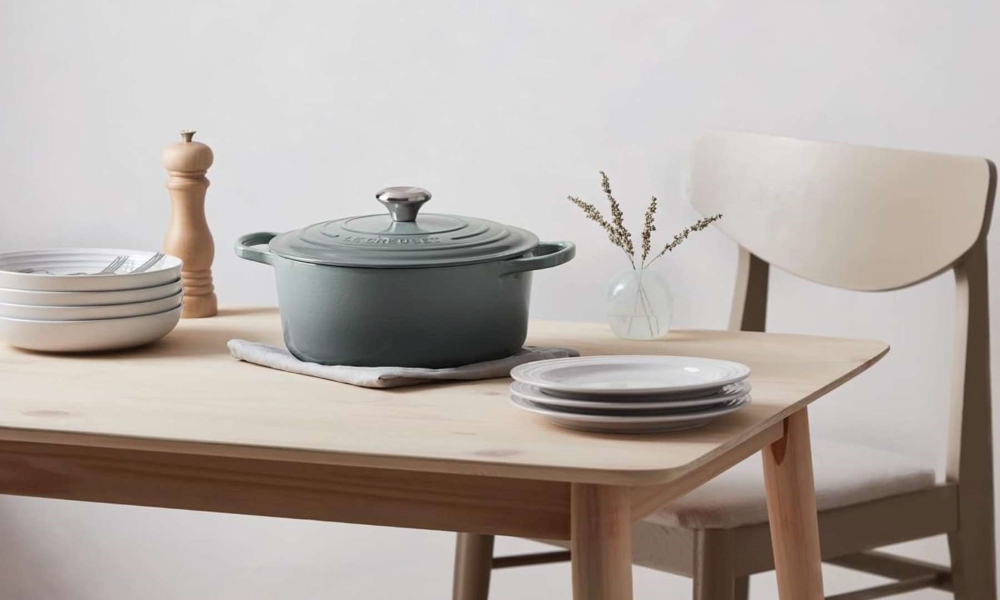
The Dutch oven’s story begins in the Netherlands during the 17th century. Ironworkers developed a casting process that allowed for the creation of cooking pots with uniformly thick walls, ideal for even heat distribution. These pots, originally called “Dutch ovens” by the English, quickly gained popularity for their versatility and durability.
As settlers moved across America, the Dutch oven became an essential tool for frontier cooking. Its ability to withstand open flames and retain heat made it perfect for everything from baking bread to slow-cooking stews. Over time, the design evolved, with the addition of legs for stability over coals and a flanged lid to hold hot coals on top, essentially turning the pot into a primitive oven.
Today, the Dutch oven has maintained its core design while embracing modern materials. Enameled cast iron versions have become popular, offering the heat retention benefits of traditional cast iron with added ease of maintenance and a non-reactive cooking surface.
Roasting Pan
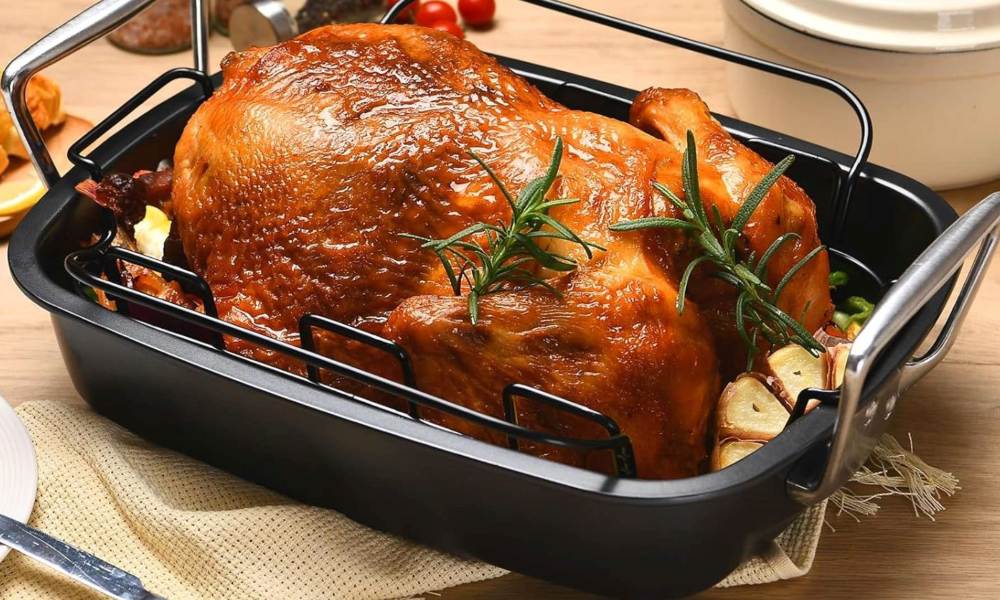
The concept of roasting meat over an open fire dates back to prehistoric times, but the roasting pan as we know it today has a more recent history. Early versions were simple, flat pans used to catch drippings from meat suspended over a fire. As indoor ovens became more common in the 18th and 19th centuries, roasting pans evolved to fit this new cooking environment.
The addition of a rack to elevate meat above its drippings was a significant innovation, allowing for more even cooking and easier basting. This design improvement transformed the roasting pan from a mere drip catcher to an essential tool for creating perfectly cooked roasts.
Modern roasting pans come in a variety of materials, from stainless steel to hard-anodized aluminum, each offering different heat conduction properties. Some feature non-stick coatings for easier cleaning, while others are designed with pour spouts to facilitate gravy-making.
Design and Construction: Form Meets Function
The effectiveness of any piece of cookware lies in its design and construction. The Dutch oven and roasting pan, while serving different primary purposes, both exemplify how form can beautifully meet function in the kitchen.
Dutch Oven – Built for Heat
The Dutch oven’s design is a marvel of simplicity and efficiency:
- Thick Walls: The hallmark of a Dutch oven is its thick walls, typically made of cast iron. This construction allows for excellent heat retention and distribution, ensuring food cooks evenly throughout.
- Tight-Fitting Lid: A heavy, well-fitting lid is crucial for trapping moisture and heat inside the pot. This feature is essential for braising and slow-cooking methods.
- Handles: Strong, integrated handles on both the pot and lid allow for safe maneuvering, even when the Dutch oven is full and heavy.
- Enamel Coating (in some models): While traditional Dutch ovens are made of bare cast iron, many modern versions feature an enamel coating. This provides a non-reactive cooking surface and eliminates the need to season the pot.
Roasting Pan Structure
The roasting pan’s design focuses on promoting even cooking and browning:
- Wide, Shallow Shape: This allows for maximum exposure to heat, promoting browning and caramelization.
- Upright Sides: Tall enough to contain juices but not so high as to impede heat circulation.
- Rack: Many roasting pans come with a removable rack that elevates food, allowing hot air to circulate underneath for even cooking.
- Sturdy Handles: Essential for safely moving a heavy roast in and out of the oven.
- Materials: While some roasting pans are made of cast iron, many are constructed from stainless steel, aluminum, or a combination of materials to balance heat conduction and durability.
Heat Distribution and Retention – The Science of Cooking
Understanding how Dutch ovens and roasting pans handle heat is crucial to mastering their use in the kitchen. Each has its unique properties that influence cooking outcomes.
1. Dutch Oven: The Heat Retention Champion
Dutch ovens excel at maintaining consistent temperatures, thanks to their thick, heavy construction. This property makes them ideal for:
- Slow Cooking: The even heat distribution prevents hot spots, allowing for gentle, consistent cooking over long periods.
- Braising: The ability to maintain steady temperatures is perfect for breaking down tough cuts of meat.
- Baking: Dutch ovens can create a mini-oven environment, ideal for baking bread with a crispy crust.
The tight-fitting lid of a Dutch oven also plays a crucial role in heat retention, trapping steam, and creating a moist cooking environment.
2. Roasting Pan: Mastering Airflow and Browning
Roasting pans are designed to promote even heating through air circulation:
- Open Design: The wide, open structure allows hot air to flow freely around the food, promoting even cooking and browning.
- Heat Reflection: Many roasting pans are made with materials that reflect heat, helping to crisp and brown the bottom of roasts.
- Rack Elevation: By lifting food off the bottom of the pan, the rack allows heat to circulate underneath, preventing soggy bottoms on roasts and poultry.
While roasting pans may not retain heat as well as Dutch ovens, their design is optimized for the high-heat, dry cooking environment of roasting.
Versatility in Cooking Methods: One Pot Wonders vs. Roasting Royalty
Both Dutch ovens and roasting pans offer a range of cooking possibilities, but their strengths lie in different areas.
Dutch Oven Capabilities: The Multi-Tasker
The Dutch oven’s versatility is legendary. You can use a dutch oven for:
- Braising and Stewing: The even heat and moisture-trapping lid make it perfect for long, slow-cooked dishes.
- Soup and Chili: Its capacity and heat retention properties are ideal for simmering large batches.
- Baking Bread: The enclosed environment mimics a professional steam oven, creating artisanal-quality loaves.
- Deep Frying: The depth and heat retention make it suitable for safely frying foods.
- Stovetop to Oven: Its ability to go from stovetop to oven seamlessly makes it perfect for dishes that require both cooking methods.
Roasting Pan Strengths: The Browning Expert
While more specialized, roasting pans excel at:
- Large Cuts of Meat: Ideal for turkeys, roasts, and whole chickens, providing even cooking and beautiful browning.
- Vegetable Roasting: The shallow design allows for easy tossing and caramelization of vegetables.
- Gravy Making: The large surface area of the bottom is perfect for deglazing and making flavorful gravies directly in the pan.
- Holiday Meals: Its size and design make it indispensable for large family gatherings and holiday feasts.
Capacity and Serving: From Oven to Table
When it comes to feeding a crowd or presenting a meal, how do these two kitchen workhorses compare?
Dutch Oven: Cozy Comfort Food
Dutch ovens typically range from 3 to 13 quarts, with 5 to 7 quarts being the most popular sizes for family cooking. They excel at:
- One-Pot Meals: Perfect for dishes that serve 4-6 people comfortably.
- Presentation: Many Dutch ovens are attractive enough to go straight from oven to table, adding a rustic charm to your dining experience.
- Keeping Food Warm: The excellent heat retention means food stays warm longer on the table.
Roasting Pan: Feast-Worthy Proportions
Roasting pans are designed for larger quantities and bigger cuts of meat:
- Holiday Gatherings: Ideal for cooking turkeys and large roasts that can feed extended family and friends.
- Batch Cooking: Great for roasting large quantities of vegetables or multiple chickens at once.
- Buffet Service: The large, open design makes it easy for guests to serve themselves directly from the pan.
Maintenance and Care: Longevity in the Kitchen
Proper care can significantly extend the life of your cookware. Let’s explore how to maintain Dutch ovens and roasting pans for years of service.
Cleaning and Seasoning Dutch Ovens
- Cast Iron Care: Uncoated cast iron Dutch ovens require seasoning to maintain their non-stick properties and prevent rust. This involves coating the surface with oil and baking it to create a protective layer.
- Enamel Cleaning: Enameled Dutch ovens are easier to clean but require gentle handling to prevent chipping. Avoid using metal utensils or abrasive cleaners.
- Avoid Thermal Shock: Don’t subject a hot Dutch oven to cold water, as this can cause cracking.
Roasting Pan Upkeep
- Material-Specific Care: Stainless steel pans can handle scrubbing, while non-stick surfaces require gentler treatment.
- Dealing with Stuck-On Food: Soaking and deglazing can help remove stubborn bits without damaging the pan.
- Storage: Proper storage prevents warping and scratching, especially for larger pans.
Storage Considerations: Finding Space in the Kitchen
In a world where kitchen space is often at a premium, how do these two stack up in terms of storage?
Dutch Oven’s Compact Form
Dutch ovens, while heavy, have a relatively small footprint:
- Nesting Potential: Their round shape allows for easy stacking with other pots.
- Multi-Use Storage: They can double as storage containers for other kitchen items when not in use.
Roasting Pan Storage Challenges
Roasting pans can be more challenging to store due to their size:
- Vertical Storage: Some kitchens use vertical dividers to store roasting pans upright.
- Under-Oven Storage: Many ovens have a drawer perfect for storing a roasting pan.
Cost Analysis: Investment in Quality
When it comes to kitchen equipment, cost often reflects quality and longevity. Let’s break down the financial aspects of Dutch ovens and roasting pans.
Dutch Oven: A Lifetime Investment
- High-End Brands: Premium Dutch ovens from brands like Le Creuset can cost $300-$500 but often last a lifetime.
- Budget Options: Quality cast iron Dutch ovens can be found for $50-$100, offering excellent value.
- Long-Term Value: Given their versatility and durability, Dutch ovens often provide excellent return on investment.
Roasting Pan: Occasional Use, Varying Costs
- Professional Grade: High-quality stainless steel roasting pans can range from $100-$200.
- Budget-Friendly: Basic aluminum roasting pans are available for under $30, suitable for occasional use.
- Cost Per Use: Consider how often you’ll use the roasting pan when evaluating its value.
FAQs
1. Can I use a Dutch oven instead of a roasting pan?
Yes, you can use a Dutch oven instead of a roasting pan for many recipes. Dutch ovens are great for smaller roasts, whole chickens, and dishes that benefit from their moisture-retaining properties. However, for very large items like a turkey, or when you want maximum browning, a roasting pan with a rack is often preferable.
2. What size Dutch oven is best for most cooking needs?
A 5 to 7-quart Dutch oven is versatile enough for most home cooking needs. This size is suitable for feeding 4-6 people and can handle everything from soups and stews to whole chickens and bread baking. If you frequently cook for larger groups, consider an 8 to 9-quart size.
3. Can I use my roasting pan on the stovetop?
Some roasting pans are designed to be used on the stovetop, particularly those made of stainless steel or aluminum. This is great for deglazing and making gravy. However, always check the manufacturer’s instructions, as not all roasting pans are stovetop-safe, especially those with non-stick coatings.
4. How do I clean a burnt Dutch oven?
For enameled Dutch ovens, fill it with warm water and a bit of dish soap, let it soak for 15-20 minutes, then gently scrub with a non-abrasive sponge. For stubborn spots, make a paste with baking soda and water, apply it to the burnt areas, and let it sit before scrubbing. For cast iron Dutch ovens, avoid soap; instead, use hot water.
Final Thoughts
As we conclude our ovenware showdown between the Dutch oven and the roasting pan, it’s clear that both have earned their place in the kitchen pantheon. The Dutch oven emerges as a versatile workhorse, capable of handling a wide array of cooking techniques with its superior heat retention and even cooking properties. Its ability to transition from stovetop to oven makes it a true one-pot wonder, ideal for everything from hearty stews to artisanal bread.
The roasting pan, while more specialized, proves its worth in its ability to handle large cuts of meat and deliver that perfect golden-brown exterior that is the hallmark of a well-roasted dish. Its design, optimized for air circulation and even browning, makes it indispensable for holiday meals and large gatherings.
Ultimately, the choice between a Dutch oven and a roasting pan depends on your cooking style, the types of meals you prepare most often, and the size of the gatherings you typically host. For those who prioritize versatility and frequent cooking, a Dutch oven might be the better investment. If your culinary adventures center around roasted meats and vegetables or you often cook for large groups, a roasting pan could be your kitchen MVP.
0 Comments
Most Voted