Best Oil for Blackstone Griddle | PTS & Performance

7FAQs
When it comes to using a Blackstone Griddle, one of the key components for achieving the best cooking results is selecting the right oil. The type of oil you use can significantly impact both the taste and texture of your food, as well as the longevity and performance of your griddle. Whether you’re a seasoned griddle veteran or a newcomer looking to master griddle cooking, understanding the importance of oil is crucial.
Choosing the right oil isn’t just about flavor; it also plays a vital role in maintaining your griddle’s surface. Some oils have higher smoke points, making them ideal for high-heat cooking, while others are better suited for lower-heat applications. In addition, the right oil can make cleaning up easier and help prevent food from sticking, which can contribute to the overall efficiency of your cooking process.
So, what is the best oil for Blackstone Griddle? The answer isn’t a one-size-fits-all solution, as it ultimately depends on your personal preferences and cooking needs. After reading this guide, you’ll be equipped with the knowledge to make an informed decision on which oil is best for your Blackstone Griddle.
Understanding Griddle Cooking: The Foundation of Flavor
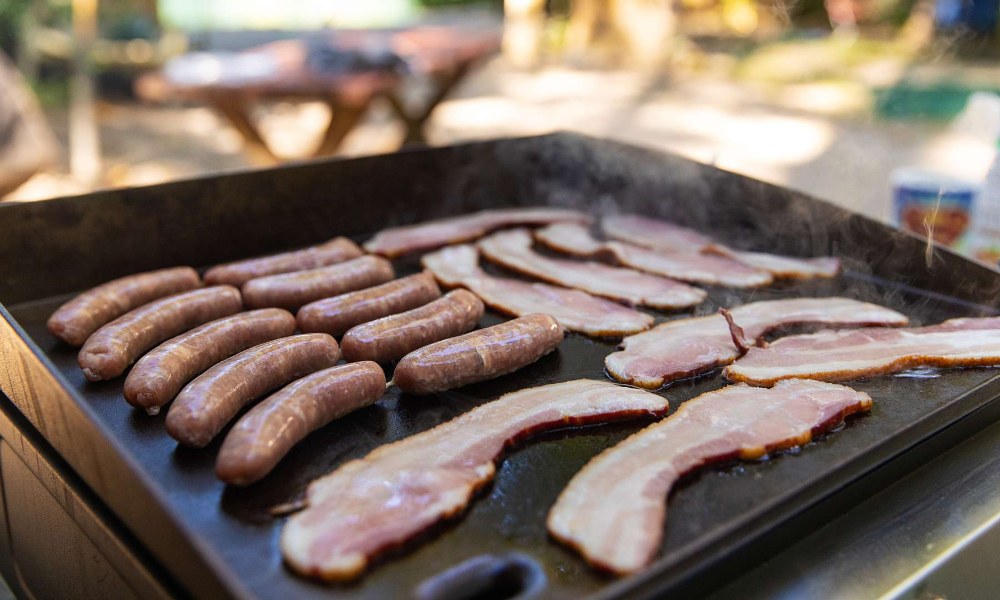
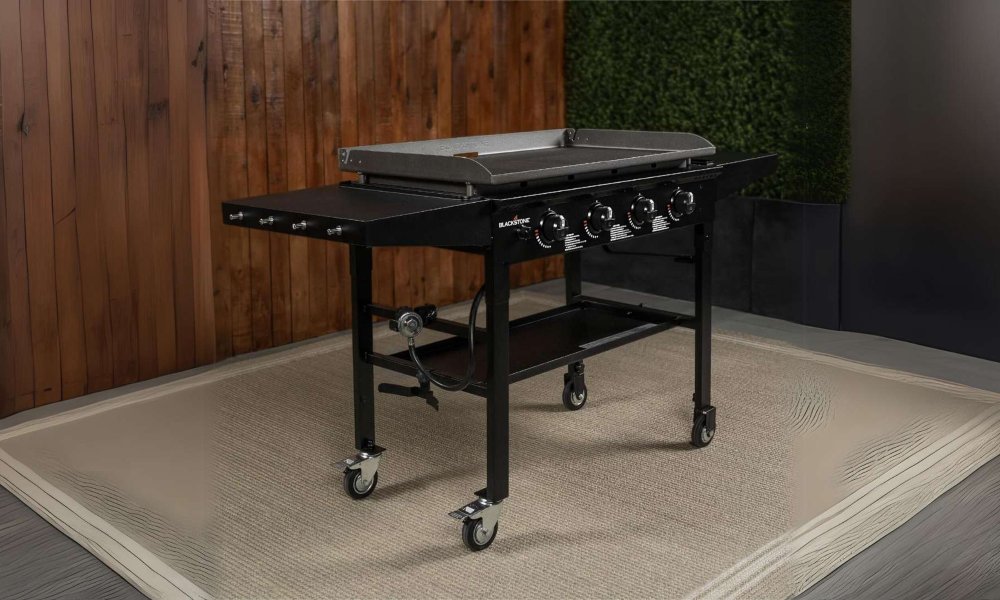
Before we delve into the specifics of griddle oils, it’s crucial to understand the unique nature of flat-top cooking and why the Blackstone Griddle has become a favorite among outdoor cooking enthusiasts.
The Science Behind Flat-Top Cooking
Flat-top cooking, exemplified by the Blackstone Griddle, offers a distinct advantage over traditional grilling methods. The large, flat cooking surface provides even heat distribution, allowing for precise temperature control and consistent cooking results. This method excels in creating a perfect sear on meats, achieving crispy edges on vegetables, and delivering that coveted Maillard reaction that enhances flavor and texture.
How Oil Impacts Flavor and Performance
The oil you choose for your Blackstone Griddle is more than just a lubricant; it’s an integral part of the cooking process. Oil serves multiple functions:
- It creates a non-stick barrier between the food and the griddle surface.
- It conducts heat, ensuring even cooking and browning.
- It can impart subtle flavors to the food, enhancing the overall taste experience.
The right oil can elevate your griddle cooking, while the wrong choice can lead to sticking, off-flavors, or even damage to your griddle’s surface.
Blackstone Griddle’s Unique Characteristics
The Blackstone Griddle’s cast iron surface requires special consideration when it comes to oil selection. Unlike traditional pans or grills, the Blackstone Griddle benefits from a process called seasoning, which creates a protective layer that enhances non-stick properties and prevents rust. The choice of oil for seasoning and cooking can significantly impact the griddle’s performance and longevity.
Oil Properties for Griddle Cooking: Decoding the Essentials
When selecting the best oil for your Blackstone Griddle, several key properties come into play. Understanding these characteristics will help you make an informed decision that aligns with your cooking style and preferences.
1. Smoke Point and Its Significance
The smoke point of an oil is perhaps the most critical factor to consider for griddle cooking. It refers to the temperature at which oil begins to break down and smoke, potentially imparting an unpleasant flavor to your food. Oils with a high smoke point are ideal for the high-heat cooking often employed on a Blackstone Griddle. Look for oils with smoke points above 400°F (204°C) to ensure versatility in your cooking.
2. Flavor Neutrality vs. Flavor Enhancement
Depending on your culinary goals, you may prefer an oil that imparts minimal flavor to your food or one that adds a subtle taste enhancement. Neutral oils like vegetable oil or canola oil are excellent for all-purpose cooking, allowing the natural flavors of your ingredients to shine. On the other hand, oils like olive oil or sesame oil can add a distinct flavor profile to your dishes, which may be desirable in certain recipes.
3. Viscosity and Spread
The viscosity of an oil affects how it spreads across the griddle surface. A thinner oil will create a more even layer of oil, which is particularly important during the seasoning process. However, for cooking, a slightly thicker oil may provide better lubrication and heat transfer. Finding the right balance is key to optimizing your griddle’s performance.
Top 5 Oils for Blackstone Griddles: The Ultimate Showdown
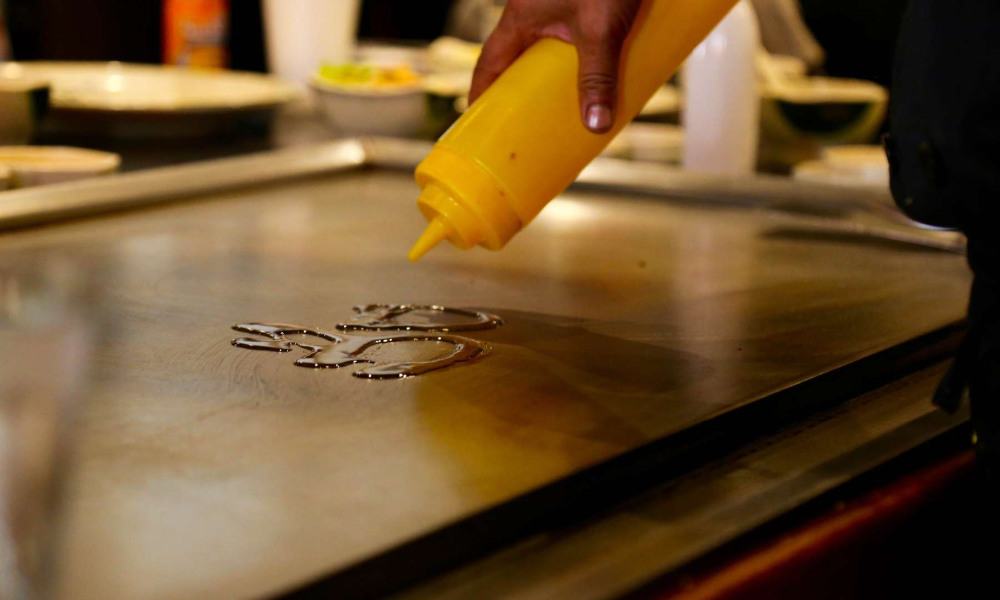
After extensive testing and research, we’ve identified the top five oils that excel on Blackstone Griddles. Each of these oils brings unique properties to the table, making them suitable for various cooking scenarios.
1. Avocado Oil – The All-Around Champion
Avocado oil stands out as a top performer for Blackstone Griddles due to its exceptionally high smoke point (520°F/271°C) and neutral flavor profile. Its ability to withstand high temperatures makes it ideal for searing meats and stir-frying vegetables. Avocado oil also boasts a healthy fatty acid profile, making it a nutritious choice for health-conscious cooks.
Pros:
- Extremely high smoke point
- Neutral flavor
- Heart-healthy monounsaturated fats
Cons:
- Relatively expensive
2. Grapeseed Oil – The Versatile Performer
Grapeseed oil offers a high smoke point (420°F/216°C) and a light, neutral taste that makes it suitable for a wide range of griddle cooking applications. Its thin consistency allows for easy spreading during seasoning, creating a durable non-stick surface.
Pros:
- High smoke point
- Neutral flavor
- Excellent for seasoning
Cons:
- Not as widely available as common cooking oils
3. Canola Oil – The Budget-Friendly Option
Canola oil is a popular choice for Blackstone Griddles due to its affordability, high smoke point (400°F/204°C), and neutral flavor. It’s an excellent option for both seasoning and everyday cooking, making it a versatile choice for griddle enthusiasts.
Pros:
- Affordable and widely available
- High smoke point
- Neutral flavor
Cons:
- Some concerns about GMO sourcing (look for organic options if this is a concern)
4. Flaxseed Oil – The Seasoning Specialist
While not ideal for cooking due to its low smoke point, flaxseed oil excels in the seasoning process. It polymerizes exceptionally well, creating a durable, non-stick surface on your Blackstone Griddle. Many enthusiasts swear by flaxseed oil for initial seasoning and maintenance.
Pros:
- Excellent for seasoning
- Creates a durable, non-stick surface
- Rich in omega-3 fatty acids
Cons:
- Not suitable for high-heat cooking
- A bit expensive
5. Coconut Oil – The Flavor Enhancer
Coconut oil offers a unique flavor profile that can enhance certain dishes, particularly Asian-inspired cuisines. While its smoke point (350°F/177°C) is lower than some alternatives, it can be an excellent choice for low to medium-heat cooking on your Blackstone Griddle.
Pros:
- Imparts a pleasant, subtle coconut flavor
- Contains healthy medium-chain triglycerides (MCTs)
- Solid at room temperature, which can be advantageous for certain cooking techniques
Cons:
- Flavor may not be suitable for all dishes
- Can solidify in cold weather, affecting spreadability
Seasoning Your Blackstone Griddle: The Foundation of Great Cooking
Proper seasoning is crucial for maximizing the performance and longevity of your Blackstone Griddle. This process creates a protective layer that prevents rust, enhances non-stick properties, and improves the overall cooking experience.
1. Importance of Proper Seasoning
Seasoning your Blackstone Griddle serves several important purposes:
- It creates a non-stick surface, reducing the need for excessive oil during cooking.
- It protects the cast iron surface from rust and oxidation.
- It fills in the microscopic pores of the griddle surface, creating a smooth cooking area.
- It can enhance the flavor of foods cooked on the griddle over time.
2. Step-by-Step Seasoning Process
To season your Blackstone, follow these steps:
- Clean the griddle thoroughly with warm water and mild soap. Dry completely.
- Heat the griddle to high for about 10-15 minutes to open the pores of the metal.
- Apply a thin layer of oil to the entire cooking surface using a paper towel or cloth.
- Allow the oil to smoke and cook for about 15-20 minutes, or until it stops smoking.
- Repeat the process 3-4 times to build up a solid seasoning layer.
3. How Different Oils Affect Seasoning
The best oil to season your griddle can vary based on personal preference and availability. However, oils with high smoke points and the ability to polymerize well are generally considered superior for seasoning. Flaxseed oil is often praised for its excellent polymerization properties, creating a durable seasoning layer. Avocado oil and grapeseed oil are also excellent choices due to their high smoke points and neutral flavors.
Oil Performance in Various Cooking Scenarios
Different cooking techniques on your Blackstone Griddle may require different oils for optimal performance. Let’s explore how various oils perform in common griddle cooking scenarios.
1. High-Heat Searing
For achieving the perfect sear on steaks or burgers, oils with very high smoke points are essential. Avocado oil and grapeseed oil excel in this category, allowing you to crank up the heat without worrying about smoke or off-flavors.
2. Low and Slow Cooking
When cooking at lower temperatures for extended periods, oils with lower smoke points can be used. Olive oil or coconut oil can impart pleasant flavors to dishes like sautéed vegetables or slow-cooked onions.
3. Breakfast Foods
For classic breakfast items like eggs and pancakes, a neutral oil with a moderate smoke point is ideal. Canola oil or vegetable oil work well for these applications, providing a non-stick surface without interfering with the delicate flavors of breakfast foods.
4. Stir-frying and Asian Cuisine
When preparing stir-fries or Asian-inspired dishes, oils that can withstand high heat while complementing the flavors of the cuisine are preferred. Avocado oil, grapeseed oil, or even peanut oil (for those without allergies) are excellent choices for these cooking styles.
Health Considerations: Balancing Flavor and Nutrition
While performance is crucial, it’s also important to consider the health implications of the oils you use on your Blackstone Griddle.
Nutritional Profiles of Different Oils
- Avocado Oil: Rich in monounsaturated fats and vitamin E
- Grapeseed Oil: High in polyunsaturated fats and vitamin E
- Canola Oil: Low in saturated fats, high in monounsaturated fats
- Flaxseed Oil: Excellent source of omega-3 fatty acids
- Coconut Oil: High in saturated fats, but also contains beneficial medium-chain triglycerides
Impact on Food Taste and Texture
The oil you choose can subtly influence the taste and texture of your food. Neutral oils like avocado and grapeseed allow the natural flavors of ingredients to shine, while oils like coconut or olive oil can impart their own distinctive tastes.
Balancing Flavor and Health Benefits
When selecting an oil for your Blackstone Griddle, consider both its cooking properties and its nutritional profile. Avocado oil, for example, offers an excellent balance of high-heat performance and heart-healthy fats.
FAQs
1. How often should I season my Blackstone Griddle?
It’s recommended to season your Blackstone Griddle before first use and then maintain the seasoning by applying a thin layer of oil after each use. If you notice food starting to stick or the surface looking dull, it’s time for a re-seasoning session. Generally, a thorough re-seasoning every few months of regular use is sufficient.
2. Can I use olive oil on my Blackstone Griddle?
While you can use olive oil on your Blackstone Griddle for low to medium-heat cooking, it’s not ideal for high-heat applications due to its relatively low smoke point (around 375°F/190°C for extra virgin olive oil). For high-heat cooking or seasoning, opt for oils with higher smoke points like avocado or grapeseed oil.
3. Is it necessary to use different oils for seasoning and cooking?
While it’s not strictly necessary, using different oils for seasoning and cooking can be beneficial. Oils like flaxseed are excellent for seasoning due to their polymerization properties but aren’t suitable for high-heat cooking. For everyday cooking, versatile oils like avocado or canola are great choices.
4. How do I clean my Blackstone Griddle without damaging the seasoning?
To clean your Blackstone Griddle without damaging the seasoning, scrape off food residue with a spatula or scraper, then wipe the surface with a paper towel or cloth. For tougher residue, use hot water and a gentle scrubber, avoiding soap which can strip the seasoning. After cleaning, apply a thin layer of oil to maintain the seasoning.
5. Can I use spray oils on my Blackstone Griddle?
While spray oils can be convenient, they often contain additives that can build up on your griddle surface and are not ideal for seasoning. For the best results, stick to liquid oils that you can apply in a thin, even layer. If you prefer the convenience of a spray, consider investing in a refillable oil sprayer that you can fill with your preferred high-smoke-point oil.
Final Thoughts
As we’ve explored the world of oils for Blackstone Griddles, it’s clear that the choice of oil can significantly impact your cooking experience. From the initial seasoning process to the final sear on a perfectly cooked steak, the right oil can elevate your griddle game to new heights.
While avocado oil emerges as a top all-around performer due to its high smoke point and neutral flavor, each oil we’ve discussed has its unique strengths. Grapeseed oil offers versatility, canola oil provides affordability, flaxseed oil excels in seasoning, and coconut oil brings flavor enhancement to certain dishes.
Ultimately, the best oil for your Blackstone Griddle depends on your specific cooking needs, health considerations, and personal preferences. Don’t be afraid to experiment with different oils to find the perfect match for your cooking style. Remember to consider factors like smoke point, flavor profile, and environmental impact when making your choice.
As you continue your journey with your Blackstone Griddle, embrace the art of griddle cooking. Allow the oil to be your ally in creating delicious, perfectly cooked meals that will delight family and friends. With the right oil and techniques, your Blackstone Griddle will become an indispensable tool in your outdoor cooking arsenal, ready to tackle any culinary challenge you throw its way.
0 Comments
Most Voted