Boucherie Charcuterie | History, Culture, & Flavors

Picture yourself wandering through the narrow, cobblestone streets of a charming French village, the aroma of freshly baked bread and savory meats wafting through the air. As you turn the corner, you find yourself standing before a quaint, unassuming storefront, its windows filled with an array of tantalizingly displayed charcuterie. This, my friends, is the essence of boucherie charcuterie, a culinary art that has captured the hearts and palates of food lovers around the world.
Boucherie charcuterie is more than just a simple culinary tradition; it is a testament to the ingenuity, craftsmanship, and passion of generations of butchers and charcutiers who have dedicated their lives to the art of meat preparation. From the humble, rustic terrines and pâtés of the French countryside to the exquisite, melt-in-your-mouth prosciuttos and salamis of Italy, boucherie charcuterie encompasses a wide range of techniques, flavors, and cultural influences that have evolved over centuries.
In this blog post, we will embark on a fascinating journey through the rich history, diverse culinary landscapes, and mouth-watering flavors of boucherie charcuterie. We will explore the ancient roots of meat preservation, the rise of specialized butchery and charcuterie guilds, and the modern-day resurgence of artisanal and farm-to-table movements.
So sit back, grab a glass of wine, and let’s dive into the delicious world of boucherie charcuterie.
The Origins and Evolution of Boucherie Charcuterie
Ancient Roots in Meat Preservation Techniques
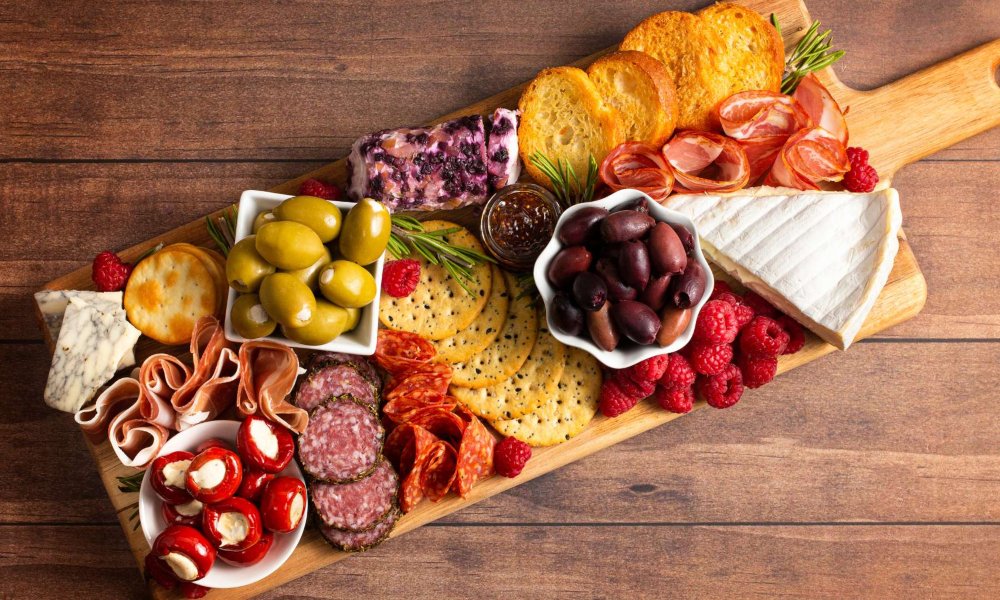
The origins of boucherie charcuterie can be traced back to ancient times, when humans first began to develop techniques for preserving meat to extend its shelf life and ensure a stable food supply. From the salting and drying methods of the ancient Egyptians to the smoking and curing techniques of the Romans and Greeks, these early meat preservation methods laid the foundation for the development of charcuterie as we know it today.
As different cultures and regions developed their own unique approaches to meat preservation, a wide range of charcuterie styles and flavors emerged. In China, for example, the art of charcuterie evolved to include a variety of dried, fermented, and smoked meats, such as lap Cheong sausages and Jinhua ham. Meanwhile, in the Middle East, the tradition of basturma – a highly seasoned, air-dried beef – became a staple of the region’s cuisine.
The Middle Ages and the Rise of Guilds
During the Middle Ages, the art of boucherie charcuterie began to take on a more specialized and regulated form, with the emergence of butchery and charcuterie guilds in Europe. These guilds were responsible for setting standards for the production and sale of meat products, as well as for training and certifying skilled butchers and charcutiers.
The establishment of guilds helped to ensure the quality and consistency of charcuterie products, while also fostering a sense of pride and craftsmanship among those who practiced the trade. Many of the classic charcuterie techniques and recipes that we know and love today, such as the art of making pâté en croûte and the use of specific spice blends and curing methods, were developed and refined during this period.
The French Revolution and the Democratization of Charcuterie
The French Revolution of 1789 marked a significant turning point in the history of boucherie charcuterie, as it led to the abolition of the guild system and the democratization of charcuterie knowledge and skills. With the guilds no longer holding a monopoly on the production and sale of meat products, a new generation of butchers and charcutiers emerged, bringing with them a wealth of creativity and innovation.
This period saw the emergence of new regional specialties and styles of charcuterie, as well as the adaptation of traditional techniques to suit the changing tastes and preferences of consumers. In Paris, for example, the rise of the bourgeoisie and the growth of the restaurant industry led to the development of more refined and elaborate charcuterie products, such as the iconic pâté de foie gras and the delicate jambon persillé.
Modern Times and the Globalization of Boucherie Charcuterie
In the 20th and 21st centuries, the art of boucherie charcuterie has continued to evolve and expand, thanks in large part to the influence of immigration and cultural exchange. As people from different parts of the world have moved and settled in new places, they have brought with them their own unique charcuterie traditions and techniques, enriching and diversifying the global culinary landscape.
At the same time, the rise of artisanal and farm-to-table movements has led to a renewed interest in traditional charcuterie methods and a greater appreciation for the importance of high-quality, locally sourced ingredients. Today, boucherie charcuterie is enjoyed and celebrated by food lovers around the world, from the bustling markets of Paris and the rustic trattorias of Italy to the trendy gastropubs of New York and the Michelin-starred restaurants of Tokyo.
The Art and Science of Boucherie Charcuterie
1. The Importance of Ingredient Selection
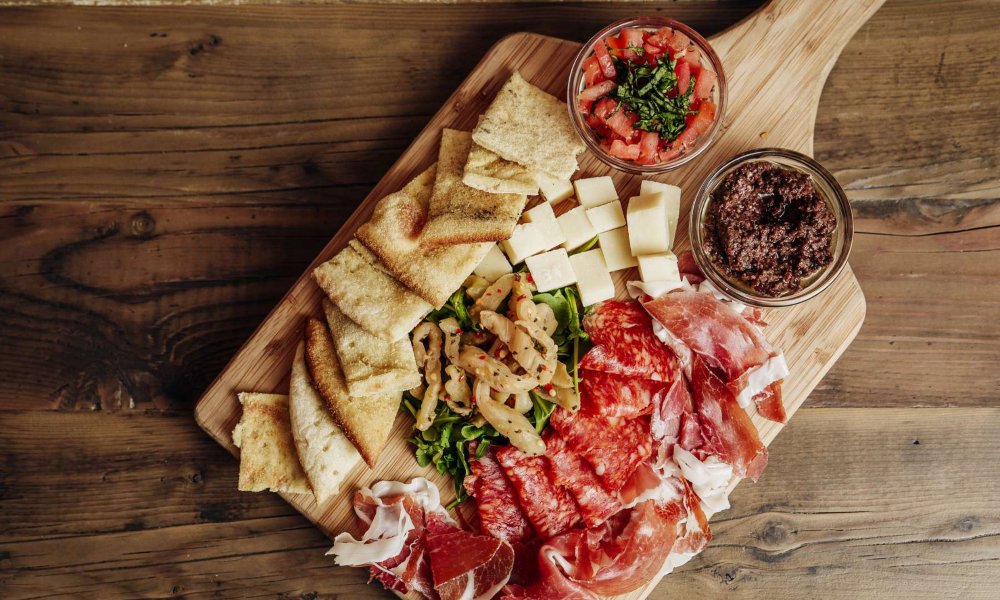
At the heart of any great charcuterie product lies a commitment to using the finest, freshest, and most flavorful ingredients available. From the choice of meat and fat to the selection of spices, herbs, and other seasonings, every element plays a crucial role in determining the final taste, texture, and quality of the finished product.
For boucherie charcuterie, the importance of ingredient selection cannot be overstated. Charcutiers and butchers take great care in sourcing high-quality meats from trusted suppliers, often working directly with local farmers and ranchers to ensure that the animals are raised humanely and sustainably. They also pay close attention to factors such as breed, age, and diet, as these can all have a significant impact on the flavor and texture of the meat.
In addition to the meat itself, charcutiers also carefully select a wide range of other ingredients to use in their products, including salt, spices, herbs, wine, and other flavorings. Many charcuterie recipes call for the use of specific, high-quality ingredients that are prized for their unique flavor profiles and culinary properties, such as French sel gris sea salt, Spanish pimentón paprika, or Italian Marsala wine.
2. The Techniques and Processes of Boucherie Charcuterie
The art of boucherie charcuterie involves a wide range of techniques and processes, each of which plays a specific role in transforming raw ingredients into delicious, flavorful, and beautifully presented meat products. From butchery and trimming to salting, curing, smoking, and fermentation, these techniques require a high level of skill, knowledge, and attention to detail.
One of the most fundamental skills in boucherie charcuterie is butchery, which involves the careful selection, cutting, and trimming of meat to prepare it for further processing. Charcutiers and butchers must have a deep understanding of animal anatomy and muscle structure, as well as a keen eye for identifying and removing any unwanted fat, gristle, or other imperfections.
Once the meat has been trimmed and prepared, it is often subjected to a variety of curing and preservation methods, such as salting, brining, and smoking. These techniques not only help to extend the shelf life of the meat but also impart unique flavors and textures that are prized by charcuterie enthusiasts around the world.
Other important techniques in boucherie charcuterie include grinding and stuffing (for sausages and other forcemeats), emulsification (for pâtés and terrines), and fermentation (for dried and aged meats). Each of these processes requires a specific set of skills and equipment, as well as a deep understanding of the underlying science and chemistry involved.
3. The Flavor Profiles and Textures of Different Charcuterie Products
One of the most exciting and rewarding aspects of boucherie charcuterie is the incredible diversity of flavors and textures that can be achieved through the use of different techniques, ingredients, and aging processes. From the rich, creamy smoothness of a classic chicken liver pâté to the firm, chewy bite of a well-aged salami, each charcuterie product offers its own unique sensory experience.
Some of the most popular and beloved charcuterie products include:
- Pâtés, Terrines, and Rillettes: These smooth, spreadable mixtures of ground meat, fat, and seasonings are often served as appetizers or snacks, and can be made from a wide variety of ingredients, including liver, pork, game, and poultry.
- Sausages, Salami, and Chorizo: These classic charcuterie staples are made by grinding and stuffing seasoned meat mixtures into natural or artificial casings, then curing, smoking, or fermenting them to develop their distinctive flavors and textures.
- Hams, Bacon, and Other Cured Meats: These products are made by salting, smoking, and/or aging whole muscle cuts of meat, such as pork leg (for ham) or pork belly (for bacon), to create tender, flavorful, and visually appealing results.
In addition to these classic categories, there are countless other charcuterie products and regional specialties to explore, each with its own unique flavor profile and culinary heritage.
Regional Specialties And Cultural Variations
1. French Boucherie Charcuterie
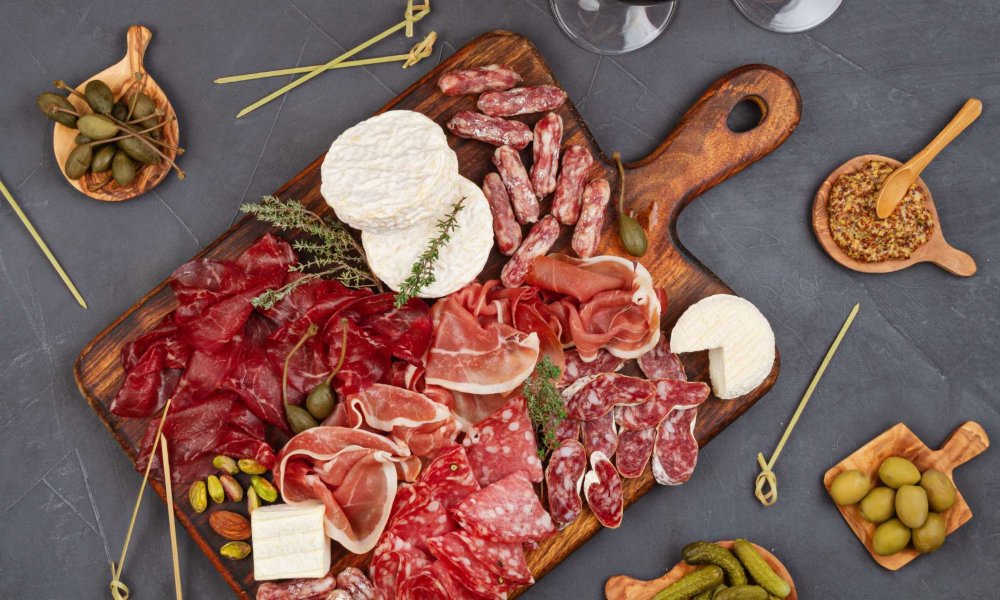
France is often considered the birthplace of modern boucherie charcuterie, and the country boasts an incredible array of regional specialties and culinary traditions related to the art of meat preparation. From the classic pâtés and terrines of Paris to the rich, hearty sausages and cured meats of the countryside, French charcuterie is renowned for its depth of flavor, exquisite craftsmanship, and unwavering commitment to quality.
Some of the most famous and beloved French charcuterie products include:
- Pâté de Campagne: A rustic, coarse-textured pâté made from ground pork, pork liver, and various seasonings, often served as a hearty appetizer or sandwich filling.
- Rillettes: A rich, shredded meat spread made by slowly cooking pork (or sometimes duck or rabbit) in its own fat until tender, then mashing and seasoning it with salt and spices.
- Saucisson Sec: A type of dry-cured sausage made from coarsely ground pork and various seasonings, often flavored with garlic, red wine, or herbs such as thyme or fennel.
- Jambon de Bayonne: A premium, air-dried ham from the Basque region of France, known for its delicate, melt-in-your-mouth texture and sweet, nutty flavor.
2. Italian Salumi and Cured Meats
Italy is another country with a long and proud tradition of boucherie charcuterie, known locally as salumi. Like their French counterparts, Italian charcutiers and butchers have developed an incredible array of regional specialties and cured meat products over the centuries, each reflecting the unique climate, geography, and culinary heritage of its place of origin.
Some of the most famous and beloved Italian salumi include:
- Prosciutto di Parma: A delicate, melt-in-your-mouth ham from the Emilia-Romagna region of Italy, made from specially selected pork legs that are salt-cured and air-dried for a minimum of 12 months.
- Salame di Felino: A soft, tender salami from the province of Parma, made from finely ground pork and flavored with salt, pepper, and a hint of garlic.
- Soppressata: A coarse, dry-cured salami from southern Italy, often flavored with red pepper flakes and other spices, and known for its rich, spicy flavor and firm texture.
- Mortadella: A large, heat-cured sausage from Bologna, made from finely ground pork and flavored with spices, pistachios, and small cubes of pork fat.
3. Spanish Jamón and Embutidos
Spain is another country with a rich and diverse tradition of boucherie charcuterie, known locally as jamón and embutidos. Spanish charcuterie is renowned for its use of high-quality, locally raised pork, as well as its distinctive flavor profiles, which often feature smoky paprika, garlic, and other bold, aromatic spices.
Some of the most famous and beloved Spanish charcuterie products include:
- Jamón Ibérico: A premium, acorn-fed ham from the dehesa forests of southwestern Spain, known for its rich, nutty flavor, melt-in-your-mouth texture, and distinctive marbling.
- Chorizo: A spicy, dry-cured sausage flavored with garlic and smoked paprika, often served as a tapa or used in a variety of traditional Spanish dishes.
- Salchichón: A type of dry-cured sausage similar to salami, made from coarsely ground pork and flavored with black pepper and other spices.
- Lomo Embuchado: A dry-cured pork loin, often seasoned with garlic, paprika, and oregano, and known for its tender, flavorful meat and slightly chewy texture.
4. German and Eastern European Wursts and Smoked Meats
Germany and Eastern Europe are also home to a rich and diverse tradition of boucherie charcuterie, known locally as wursts and smoked meats. These products are renowned for their bold, hearty flavors, as well as their use of traditional smoking and fermentation techniques to preserve and enhance the natural flavors of the meat.
Some of the most famous and beloved German and Eastern European charcuterie products include:
- Bratwurst: A type of fresh, coarsely ground pork sausage seasoned with a variety of spices, often grilled or pan-fried and served with sauerkraut and mustard.
- Knackwurst: A type of smoked, seasoned pork sausage with a snappy, crisp casing, often served as a hearty snack or appetizer.
- Weisswurst: A delicate, pale-colored sausage from Bavaria, made from veal and pork and flavored with parsley, lemon, and other mild seasonings.
- Kielbasa: A type of smoked, garlic-flavored sausage from Poland, often made from a mixture of pork and beef and served grilled or simmered in traditional dishes like bigos (hunter’s stew) or kapusniak (sauerkraut soup).
5. American Craft Charcuterie and New World Innovations
In recent years, the United States has seen a resurgence of interest in traditional boucherie charcuterie techniques, as well as an explosion of creativity and innovation in the world of craft meat production. American charcutiers and butchers are drawing on a wide range of cultural influences and local ingredients to create new and exciting products that push the boundaries of what is possible with meat.
Some of the most exciting developments in American craft charcuterie include:
- Artisanal Salami: American characters are experimenting with a wide range of locally sourced ingredients and flavor combinations to create unique, handcrafted salami that reflects the terroir and culinary heritage of different regions.
- Smoked and Cured Meats: Drawing on traditional techniques from around the world, American producers are creating a wide variety of smoked and cured meat products, from classic hams and bacon to more unconventional offerings like smoked duck breast and cured lamb leg.
- Fusion Charcuterie: American characters are also exploring the possibilities of fusion cuisine, combining traditional techniques and flavors from different cultures to create new and exciting products that blur the lines between different culinary traditions.
As the American craft charcuterie movement continues to grow and evolve, it is clear that there is no limit to the creativity and innovation that is possible when it comes to the art of meat preparation. From classic, Old World-style products to bold, new flavor combinations and techniques, the future of American charcuterie is looking brighter than ever.
FAQs
1. What is boucherie charcuterie?
Boucherie charcuterie refers to the art and craft of preparing and preserving various meat products, such as sausages, hams, pâtés, and cured meats. It involves a wide range of techniques, including salting, smoking, curing, and fermentation, and is an integral part of many culinary traditions around the world.
2. What are the main types of charcuterie products?
The main types of charcuterie products include sausages (such as salami, chorizo, and bratwurst), hams (such as prosciutto, jamón ibérico, and Bayonne ham), pâtés and terrines (such as pâté de campagne and foie gras), and other cured meats (such as bacon, pancetta, and bresaola).
3. What are the health benefits and risks of consuming charcuterie?
Charcuterie products can be a good source of high-quality protein, vitamins, and minerals, but they can also be high in saturated fat, sodium, and other less desirable nutrients. Consuming charcuterie in moderation as part of a balanced diet is generally considered safe, but excessive consumption may increase the risk of certain health problems, such as heart disease and certain types of cancer.
4. How can I incorporate charcuterie into my cooking and entertaining?
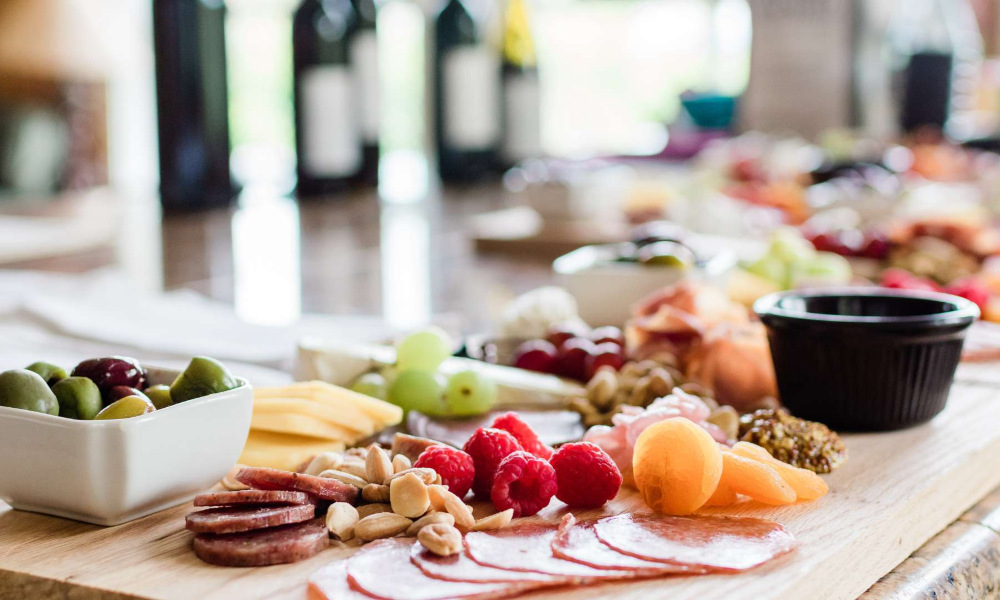
There are many ways to incorporate charcuterie into your cooking and entertaining, such as using cured meats as a flavorful ingredient in dishes like pasta, pizzas, and sandwiches, or creating an attractive charcuterie board or platter as a centerpiece for your next gathering or celebration. Experiment with different combinations of meats, cheeses, and accompaniments to find the perfect balance of flavors and textures.
5. What should I look for when buying charcuterie products?
When buying charcuterie products, look for high-quality ingredients, traditional preparation methods, and clear labeling that includes information about the origin, ingredients, and production process. Whenever possible, choose products from reputable artisanal producers or specialty shops, and don’t be afraid to ask questions or seek recommendations from knowledgeable staff or fellow enthusiasts.
Final Thoughts
In conclusion, boucherie charcuterie is a rich and diverse culinary tradition that has stood the test of time. From the ancient techniques of salting and smoking to the modern innovations of artisanal producers, this fascinating world of meat preservation and preparation continues to evolve and captivate food lovers around the globe.
Through its unique flavors, textures, and cultural significance, charcuterie has the power to bring people together, evoke memories and emotions, and showcase the incredible skill and creativity of the charcutiers and butchers who dedicate their lives to this timeless craft.
So, whether enjoyed as a simple snack or a sophisticated culinary creation, boucherie charcuterie remains a beloved and enduring part of our gastronomic heritage, one that will continue to inspire and delight for generations to come.
0 Comments
Most Voted