RV Water Filter Systems | Best Purification Method

In today’s modern world, the freedom to explore and travel has become more accessible than ever before. With the rise of remote work and the desire for a more flexible lifestyle, many people are turning to RVs as a way to combine their love for adventure with the comforts of home. However, as you journey from one destination to another, the quality and safety of your drinking water can become a major concern.
After all, you never know what contaminants may be lurking in the water sources you encounter along the way. This is where RV water filter systems come into play. These innovative solutions are designed to provide you with clean, safe, and great-tasting water, no matter where your travels take you.
By removing harmful contaminants, chemicals, and other impurities from your RV’s water supply, these systems ensure that you and your loved ones can stay healthy and hydrated throughout your adventures. From simple sediment filters to advanced reverse osmosis systems, the options can seem overwhelming.
That’s why we’ve created this comprehensive guide to help you navigate the world of RV water filtration. In the following sections, we’ll dive deep into the various purification methods available, explore the pros and cons of each option, and provide you with the knowledge you need to make an informed decision about your RV’s water filter system.
Types of Contaminants Found in Water Sources
Biological Contaminants
Biological contaminants are living organisms that can cause illness or disease when ingested. Some common examples include:
- Bacteria: Coliform bacteria, such as E. coli, can cause gastrointestinal distress and other health issues.
- Viruses: Norovirus and rotavirus are just two examples of viruses that can contaminate water supplies and lead to serious illness.
- Parasites: Giardia and Cryptosporidium are parasites that can cause severe digestive problems and other health concerns.
Chemical Contaminants
Chemical contaminants are substances that can be harmful to your health when consumed in high concentrations. Some common examples include:
- Chlorine and Chloramines: These chemicals are often used to disinfect municipal water supplies but can leave an unpleasant taste and odor in your water.
- Heavy Metals: Lead, mercury, and arsenic are just a few examples of heavy metals that can leach into water supplies and cause serious health problems.
- Pesticides and Herbicides: Agricultural runoff can introduce these harmful chemicals into water sources, posing risks to human health and the environment.
Physical Contaminants
Physical contaminants are non-living substances that can affect the appearance, taste, and overall quality of your water. Some common examples include:
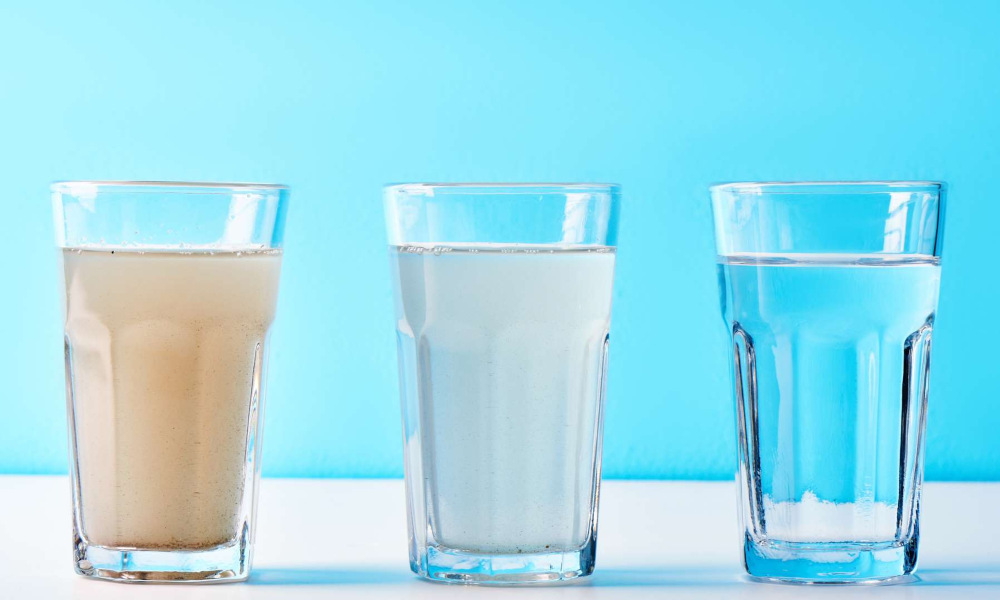
- Sediment: Sand, silt, and other small particles can make your water cloudy and unappealing to drink.
- Rust: If your RV’s water system has older metal components, rust can form and find its way into your drinking water.
- Sand and Silt: These larger particles can clog your RV’s plumbing and appliances, leading to maintenance issues and reduced water flow.
By understanding the different types of contaminants that may be present in your RV’s water sources, you can better assess your filtration needs and choose the most effective purification methods for your specific situation.
Overview of RV Water Filter Systems
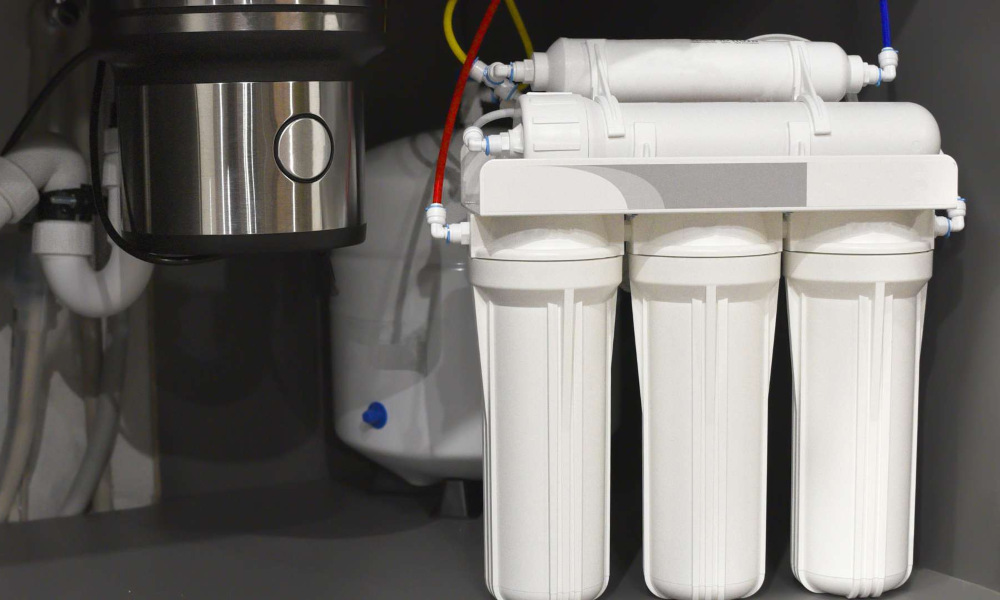
When it comes to RV water filtration systems, there are several different types to choose from, each with its own unique benefits and drawbacks. Let’s take a closer look at some of the most common options.
Sediment Filters
Sediment filters are designed to remove physical contaminants like sand, silt, and rust from your RV’s water supply. They work by trapping these particles in a fine mesh or screen, allowing clean water to pass through.
- Function and Purpose: The primary function of a sediment filter is to protect your RV’s plumbing and appliances from damage caused by larger particles. By removing these contaminants, sediment filters can help extend the life of your water system and improve the overall quality of your water.
- Types of Sediment Filters: There are several types of sediment filters available, including spun polyester, pleated paper, and wound string filters. Each type has its own unique advantages and disadvantages, so it’s important to choose the one that best fits your specific needs.
Carbon Filters
Carbon filters are designed to remove chemical contaminants and improve the taste and odor of your RV’s water. They work by absorbing these substances as water passes through a bed of activated carbon.
- Activated Carbon Filters: Activated carbon filters are made from a highly porous form of carbon that has been treated to increase its surface area and adsorption capacity. They are effective at removing a wide range of chemical contaminants, including chlorine, pesticides, and herbicides.
- Carbon Block Filters: Carbon block filters are made from a solid block of compressed activated carbon. They are more effective than granular activated carbon filters at removing smaller particles and contaminants, but they may reduce water flow rates more significantly.
Reverse Osmosis Systems
Reverse osmosis (RO) systems are a more advanced form of water purification that can remove a wide range of contaminants, including biological and chemical substances.
- How Reverse Osmosis Works: RO systems work by forcing water through a semi-permeable membrane that traps contaminants on one side while allowing clean water to pass through to the other side. The contaminants are then flushed away, leaving only pure, fresh water.
- Benefits and Drawbacks of Reverse Osmosis in RVs: While RO systems are highly effective at producing clean water, they do have some drawbacks when used in RVs. They tend to waste a significant amount of water in the filtration process and can quickly deplete your RV’s water tank. Additionally, they may require more frequent maintenance and can be more expensive than other filtration options.
Ultraviolet (UV) Light Purification
UV light purification is a chemical-free method of disinfecting water by exposing it to ultraviolet light.
- The Process of UV Purification: UV systems work by passing water through a chamber containing a UV light bulb. The UV light disrupts the DNA of biological contaminants, rendering them unable to reproduce and cause illness.
- Advantages and Limitations of UV Systems in RVs: UV purification is highly effective at eliminating biological contaminants and doesn’t alter the taste or odor of water. However, it does not remove chemical or physical contaminants, so it is often used in conjunction with other filtration methods. Additionally, UV systems require electricity to function, so they may not be suitable for boondocking or off-grid situations.
Comparing RV Water Filter Systems
Now that we’ve covered the basics of each type of RV water filtration system, let’s compare them head-to-head to help you determine which option is best for your needs.
Sediment Filters vs. Carbon Filters
Sediment filters and carbon filters are two of the most common types of RV water filters, but they serve different purposes.
- Contaminants Removed by Each Type: Sediment filters are designed to remove physical contaminants like sand, silt, and rust, while carbon filters are better suited for removing chemical contaminants like chlorine, pesticides, and herbicides.
- Maintenance and Replacement Requirements: Both sediment and carbon filters require regular maintenance and replacement to ensure optimal performance. Sediment filters may need to be cleaned or replaced more frequently, especially if you’re traveling in areas with high levels of physical contaminants. Carbon filters typically last longer but may still need to be replaced every few months to maintain their effectiveness.
Reverse Osmosis vs. Carbon Filters
Reverse osmosis and carbon filters are both effective at removing contaminants, but they work in different ways.
- Effectiveness in Removing Contaminants: Reverse osmosis systems are more effective than carbon filters at removing a wide range of contaminants, including biological and chemical substances. However, carbon filters are still highly effective at improving the taste and odor of water by removing chlorine and other chemicals.
- Water Waste and Tank Capacity Considerations: One of the main drawbacks of reverse osmosis systems is that they waste a significant amount of water in the filtration process. This can be a major concern for RV owners, as it can quickly deplete your fresh water tank and limit your ability to boondock or camp off-grid. Carbon filters, on the other hand, do not waste water and are a more practical option for RVs with limited tank capacity.
UV Purification vs. Other Filter Systems
UV purification is a unique method of water treatment that can be used alone or in conjunction with other filtration systems.
- Disinfection Capabilities: UV purification is highly effective at eliminating biological contaminants like bacteria, viruses, and parasites. However, it does not remove chemical or physical contaminants, so it may not be sufficient as a standalone water treatment method.
- Compatibility with Other Filter Systems: UV purification can be used in conjunction with other filtration methods, like sediment and carbon filters, to provide comprehensive water treatment. By combining UV disinfection with physical and chemical filtration, you can ensure that your RV’s water is free from all types of contaminants.
Combination Systems
For the ultimate in RV water filtration, you may want to consider a combination system that incorporates multiple types of filters.
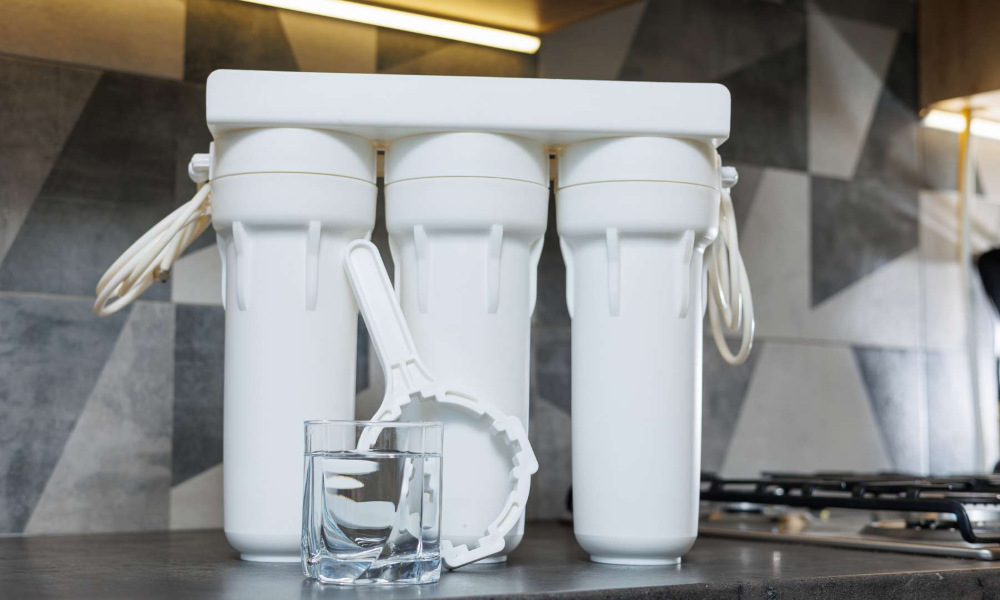
- Benefits of Using Multiple Filter Types: By using a combination of sediment, carbon, and UV filters, you can remove a wide range of contaminants and ensure that your water is safe, clean, and great-tasting. Each type of filter serves a specific purpose, and together they provide comprehensive water treatment.
- Popular Combination Setups for RVs: Some popular combination setups for RVs include a sediment filter followed by a carbon filter, a sediment filter, a carbon filter, and a UV purification system in series. These setups can be customized based on your specific needs and the types of contaminants you’re likely to encounter in your travels.
Installing and Maintaining RV Water Filter Systems
Once you’ve chosen the right RV water filtration system for your needs, it’s important to properly install and maintain it to ensure optimal performance and longevity.
Choosing the Right Location for Installation
The first step in installing your RV water filter system is choosing the right location.
- Inline vs. Canister Filters: Inline filters are installed directly into your RV’s water line, while canister filters are mounted externally and connected to the water line with hoses. Inline filters are more compact and easier to install, but canister filters are more versatile and can be used with a wider range of filter types.
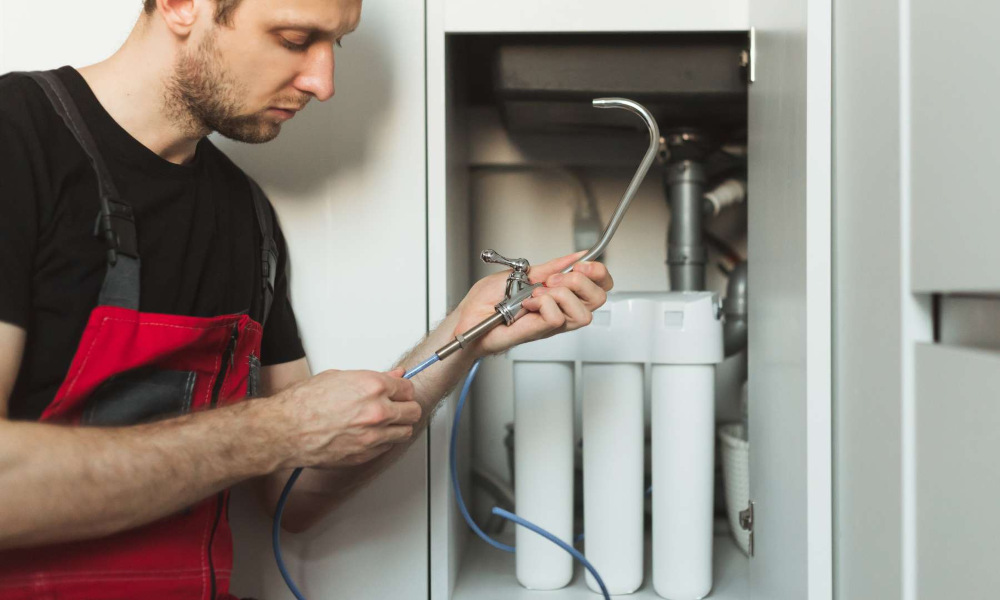
- Connecting to the RV Water System: Regardless of the type of filter you choose, it’s important to properly connect it to your RV’s water system. This may involve cutting into the water line, installing fittings and valves, and securing the filter in place. If you’re not comfortable with plumbing tasks, it may be best to have a professional handle the installation.
Proper Maintenance and Replacement Schedules
To keep your RV water filtration system working effectively, it’s important to follow a regular maintenance and replacement schedule.
- Sediment and Carbon Filters: Sediment and carbon filters should be replaced every 3-6 months, or more frequently if you’re traveling in areas with high levels of contaminants. Some filters may also be cleanable, which can help extend their lifespan.
- Reverse Osmosis Membranes: Reverse osmosis membranes should be replaced every 2-3 years, or sooner if you notice a decrease in water quality or flow rate.
- UV Light Bulbs: UV light bulbs should be replaced every 12 months, or sooner if you notice a decrease in water quality or if the bulb burns out.
Troubleshooting Common Issues
Even with proper maintenance, you may encounter issues with your RV water filter system from time to time. Some common problems include:
- Low Water Pressure: Low water pressure can be caused by a clogged filter, a leak in the system, or a malfunctioning pump. To troubleshoot, try replacing the filter, checking for leaks, and inspecting the pump for any signs of wear or damage.
- Leaks and Clogs: Leaks and clogs can occur at any point in the water filtration system, from the connections to the filters themselves. To troubleshoot, check all connections for tightness, inspect hoses for kinks or damage, and replace filters as needed.
By properly installing and maintaining your RV water filter system, you can ensure that you have access to clean, safe drinking water wherever your adventures take you.
FAQs
1. Can I use a water filter system designed for home use in my RV?
While it’s possible to use a home water filter system in your RV, it’s not recommended. RV water filter systems are specifically designed to be compact, easy to install, and compatible with the unique plumbing and electrical systems found in RVs. Using a home water filter system in your RV may be cumbersome, ineffective, and could even cause damage to your RV’s water system.
2. How do I know when it’s time to replace my RV water filter?
The frequency with which you need to replace your RV water filter depends on the type of filter you’re using and the level of contaminants in the water you’re filtering. As a general rule, sediment and carbon filters should be replaced every 3-6 months, reverse osmosis membranes every 2-3 years, and UV light bulbs every 12 months. However, if you notice a decrease in water quality or flow rate, or if your filter appears dirty or clogged, it may be time for a replacement.
3. Can I use my RV water filter system to filter water from any source, such as a lake or river?
While RV water filter systems are designed to remove a wide range of contaminants, they may not be effective at filtering water from natural sources like lakes, rivers, or streams. These sources can contain harmful bacteria, parasites, and other contaminants that may be too numerous or too small for standard RV water filters to remove completely.
If you must use water from a natural source, it’s best to pre-filter the water as much as possible and then boil it for at least one minute before running it through your RV water filter system.
4. Do I need to use a water pressure regulator with my RV water filter system?
Yes, it’s highly recommended to use a water pressure regulator with your RV water filter system. Most RV plumbing systems are designed to handle water pressure up to 60 psi, but many campgrounds and water sources can have much higher pressure.
Using a water pressure regulator ensures that the water entering your RV and your water filter system is at a safe and consistent pressure, reducing the risk of leaks, damage, and premature wear on your filters and plumbing components.
5. Are there any special considerations for storing my RV water filter system during the off-season?
When storing your RV for an extended period of time, it’s important to properly winterize your water filter system to prevent damage from freezing temperatures. This typically involves draining all water from the system, removing and bypassing the filters, and adding RV antifreeze to the system to prevent any remaining water from freezing.
When you’re ready to use your RV again, be sure to thoroughly flush the antifreeze from the system and install new filters before using your water supply. It’s also a good idea to store your unused filters in a cool, dry place to extend their shelf life.
Final Thoughts
Investing in a high-quality RV water filtration system is one of the best things you can do to ensure that you have access to clean, safe drinking water while on the road. Whether you choose a simple sediment filter, a more advanced reverse osmosis system, or a combination of different filtration methods, the right water filter can make all the difference in your health and enjoyment of the RV lifestyle.
When selecting an RV water filtration system, it’s important to consider your specific needs and preferences. If you’re primarily concerned with removing physical contaminants like sediment and rust, a sediment filter may be sufficient. If you’re looking to remove chemical contaminants and improve the taste and odor of your water, a carbon filter or reverse osmosis system may be a better choice. And if you want the ultimate in water purification, a combination system that includes UV disinfection may be the way to go.
No matter which system you choose, it’s important to properly install and maintain it to ensure optimal performance and longevity. This includes choosing the right location for installation, following a regular replacement schedule for filters and UV bulbs, and troubleshooting any issues that may arise.
By prioritizing clean water and investing in a high-quality RV water filtration system, you can enjoy the many benefits of the RV lifestyle without worrying about the safety and quality of your drinking water. So, whether you’re a full-time RVer or a weekend warrior, make sure to give your water filtration system the attention it deserves – your health and happiness on the road depend on it!
0 Comments
Most Voted