Parts of an Espresso Machine | Product Breakdown

9FAQs
The rich aroma of freshly brewed espresso, the gentle hiss of steam, and the satisfying clink of a perfectly tamped portafilter are the sounds and scents that captivate coffee enthusiasts worldwide. Behind these sensory delights lies a marvel of engineering: the espresso machine. This complex apparatus, with its intricate network of components, transforms simple coffee beans into liquid gold, one shot at a time.
For many, the espresso machine remains a mysterious black box, its inner workings shrouded in a veil of steam and coffee grounds. Yet, understanding the different parts of an espresso machine is not just a pursuit for technicians and baristas; it’s a journey that can elevate any coffee lover’s appreciation and skill. From the humble home setup to the bustling café counter, every pull of a shot relies on a harmonious dance of heat, pressure, and precision.
In today’s breakdown, we’ll peel back the layers of the espresso machine, exploring each component’s role in crafting the perfect cup. By the end of our journey, you’ll have a newfound appreciation for the engineering marvels that power your daily caffeine fix, and perhaps, a deeper understanding of how to coax the best flavors from your machine.
Parts Breakdown

Boiler and Heating System
At the core of every espresso machine lies its heating system, the powerhouse that brings water to the precise temperature needed for optimal extraction. This system is truly the heart of the espresso machine, dictating not only the temperature of the brewing water but also the machine’s ability to produce steam for milk frothing.
Single vs. Dual Boiler Systems
Single boiler systems, often found in entry-level machines, use one boiler for both brewing and steaming. While cost-effective, they require a temperature change between brewing and steaming, which can lead to wait times. Dual boiler systems, on the other hand, feature separate boilers for brewing and steaming, allowing for simultaneous operation and greater temperature stability.
Heat Exchanger Technology
Heat exchangers offer a middle ground between single and dual boiler systems. They use a single boiler primarily for steam production, with a copper tube running through it to flash-heat water for brewing. This design allows for simultaneous brewing and steaming without the cost of a dual boiler system.
Thermoblock and Thermocoil Designs
Some machines, particularly compact models, use thermoblock or thermocoil heating systems. These on-demand heaters warm water as it passes through, offering quick heat-up times and energy efficiency. While they may not match the temperature stability of boiler systems, they’re excellent for occasional use and smaller spaces.
Temperature Stability and Its Importance
Temperature stability is crucial for consistent espresso extraction. Fluctuations can lead to under or over-extraction, affecting the flavor of your shot. Advanced machines often incorporate PID (Proportional-Integral-Derivative) controllers to maintain precise temperatures, ensuring that every espresso shot is brewed under optimal conditions.
Pressure Perfection: Pump and Pressure Regulation
The pump is the unsung hero of the espresso machine, responsible for generating the pressure needed to extract those complex flavors from finely ground coffee. Without proper pressure, you’re left with a weak, under-extracted brew that fails to capture the essence of a true espresso.
Vibration vs. Rotary Pumps
Vibration pumps are common in home and entry-level machines. They’re compact, cost-effective, and capable of producing the necessary pressure for good espresso. However, they can be noisy and may not maintain consistent pressure throughout the extraction.
Rotary pumps, often found in high-end and commercial espresso machines, offer superior pressure stability and quieter operation. They’re more durable and can handle higher volumes, making them ideal for busy cafés or serious home enthusiasts.
Understanding Bar Pressure
Espresso is typically brewed at 9 bars of pressure, though some machines allow for adjustment. This pressure forces hot water through the compacted coffee puck, extracting flavors and creating the characteristic crema. A pressure gauge on the machine’s front panel allows the user to monitor and adjust the pressure as needed.
Over-pressure valve (OPV) Function
The over-pressure valve is a safety feature that releases excess pressure from the system. It also plays a role in maintaining consistent pressure during extraction, ensuring that the machine doesn’t exceed the desired bar setting.
Pre-Infusion Systems
Many modern machines incorporate a pre-infusion feature, which gently wets the coffee grounds at low pressure before ramping up to full extraction pressure. This helps to ensure even extraction and can improve the overall flavor of the shot.
Grinding Precision: The Burr Grinder
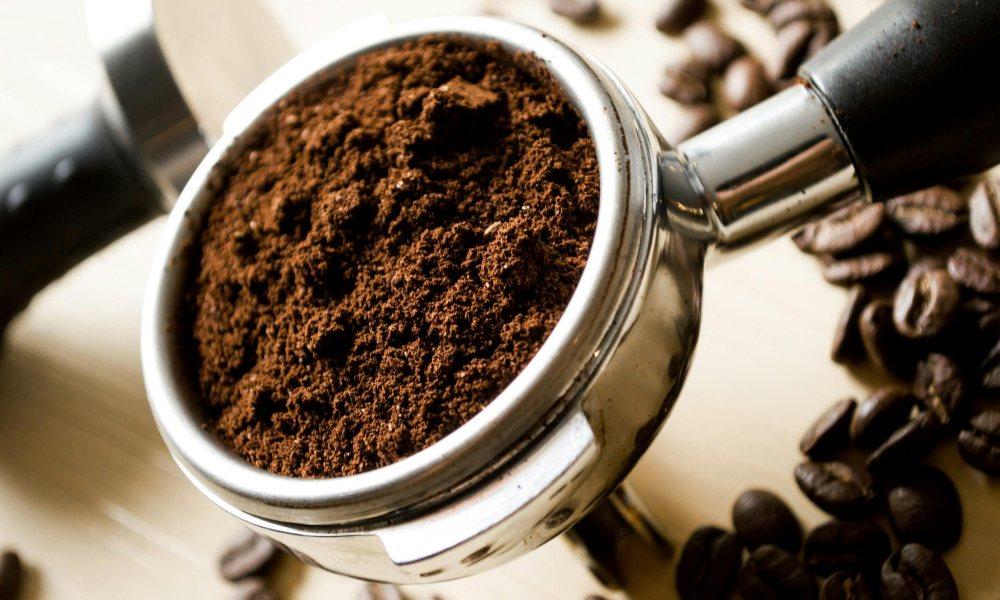
Photo Credit – Pexels
While not all espresso machines come with a built-in grinder, it’s such a crucial component of the espresso-making process that it deserves attention in our breakdown. The quality of the grind can make or break your espresso shot.
Flat vs. Conical Burrs
Burr grinders come in two main types: flat and conical. Flat burrs consist of two parallel rings with sharp edges that grind the coffee beans as they pass through. Conical burrs use a cone-shaped burr nested inside a ring burr. Both can produce excellent results, with some arguing that conical burrs generate less heat during grinding.
Grind Size Adjustment Mechanisms
Precision is key when it comes to espresso grinding. The best grinders offer step-less adjustment, allowing for minute changes to dial in the perfect grind size. Some machines feature digital controls for even more precise adjustments.
Dosing Systems and Consistency
Consistent dosing is essential for repeatable results. Many grinders incorporate timers or weight-based dosing systems to ensure that each portafilter basket receives the same amount of coffee every time.
Importance of Grinder Quality in Espresso Extraction
A high-quality grinder is just as important as the espresso machine itself. It ensures uniform particle size, which is crucial for even extraction. Investing in a good grinder can significantly improve the quality of your espresso, regardless of the machine you’re using.
Extraction Zone: Group Head and Portafilter
The group head is where the magic happens, it’s the interface between the machine’s internal systems and your coffee. This component, along with the portafilter, plays a crucial role in the final quality of your espresso.
E61 Group Head and Other Designs
The E61 group head, patented in 1961, is a classic design known for its temperature stability and pre-infusion capabilities. It uses a thermosyphon system to circulate hot water, keeping the group head at a consistent temperature. Other designs, such as saturated group heads, offer their own benefits in terms of temperature stability and ease of maintenance.
Portafilter Types and Sizes
Portafilters come in various sizes, with 58mm being the most common in professional machines. The portafilter holds the coffee grounds and locks into the group head. Some machines use pressurized portafilters, which can help novice users achieve decent results with less precise grinding and tamping.
Basket Varieties
Single, double, and triple baskets accommodate different dose sizes. Bottomless or naked portafilters allow baristas to observe the extraction process directly, helping to diagnose issues with distribution or tamping.
Distribution and Tamping Tools
Proper distribution and tamping of coffee grounds in the portafilter are essential for even extraction. Many baristas use distribution tools to ensure an even bed of coffee before tamping. The tamp itself should be level and apply consistent pressure to create a uniform puck.
Steam and Froth: The Milk Texturing System
For many espresso-based drinks, the ability to steam milk is just as important as brewing the espresso itself. The steam system is what allows baristas to create silky microfoam for lattes and cappuccinos.
Steam Wand Designs and Materials
Steam wands are typically made of stainless steel and may feature multiple holes for steam distribution. Some high-end machines offer cool-touch wands or double-walled designs for safety and easier cleaning.
Boiler Priority for Steam Production
In single boiler systems, the boiler must switch from brew temperature to steam temperature, which is significantly higher. Dual boiler and heat exchanger systems can produce steam on demand without affecting brew water temperature.
Temperature and Pressure Control for Milk Frothing
The ability to control steam pressure is crucial for properly texturing milk. Some machines offer adjustable steam pressure, allowing baristas to fine-tune their milk frothing technique.
Auto-Frothers and Cappuccinators
For those less confident in their manual frothing skills, some machines offer automatic milk frothing systems. These can produce consistent results with minimal effort, though they may lack the fine control of a manual steam wand.
Control Center: User Interface and Electronics
Modern espresso machines are becoming increasingly sophisticated, with advanced electronics and user interfaces that offer unprecedented control over the brewing process.
PID Temperature Control Systems
PID controllers allow for precise temperature regulation, often within a fraction of a degree. This level of control ensures consistent extraction temperatures and can be adjusted to suit different coffee roasts.
Programmable Shot Timing and Volumetrics
Many machines allow users to program shot times or volumes, ensuring consistency across multiple drinks. Some advanced models even offer pressure profiling, allowing for customized extraction profiles.
Display Types
From simple indicator lights to full-color touchscreens, the range of displays on espresso machines is vast. More advanced displays might show real-time pressure, temperature, and flow rate data, giving baristas valuable insights into their extractions.
Smart Features and Connectivity
The latest machines may offer Wi-Fi connectivity, allowing for remote operation, diagnostics, and even software updates. Some can integrate with smartphone apps for an enhanced user experience.
Supporting Cast: Additional Components
While they may not be as glamorous as the brewing and steaming systems, these additional components play crucial roles in the day-to-day operation of an espresso machine.
Water Reservoir and Filtration Systems
The water reservoir supplies the machine with the water needed for brewing and steaming. Many machines incorporate filtration systems to remove impurities that could affect flavor or cause buildup in the machine.
Drip Tray and Spent Puck Drawer
The drip tray catches spills and overflow, while the spent puck drawer (on super-automatic machines) collects used coffee grounds. Regular emptying and cleaning of these components are essential for maintaining a hygienic machine.
Cup Warmers and Storage Areas
Many machines feature a cup warmer on top, utilizing waste heat to keep cups at an ideal temperature. Storage areas for extra portafilters, baskets, and tools are also common on larger machines.
Cleaning and Maintenance Accessories
Backflush disks, cleaning brushes, and descaling solutions are essential accessories for keeping your machine in top condition. Regular cleaning and maintenance are crucial for ensuring the longevity and performance of your espresso machine.
FAQs
1. What’s the difference between a single boiler and a dual boiler espresso machine?
A single boiler machine uses one boiler for both brewing espresso and steaming milk, requiring temperature changes between tasks. A dual boiler machine has separate boilers for brewing and steaming, allowing for simultaneous operation and better temperature stability. Single boiler machines are typically more affordable but less convenient for making milk-based drinks, while dual boiler machines offer superior performance but at a higher cost.
2. How important is the grinder in making good espresso?
The grinder is crucial in making good espresso. It ensures consistent particle size, which is essential for even extraction. A high-quality grinder allows you to make fine adjustments to dial in the perfect grind for your beans and machine. Even with an excellent espresso machine, a poor-quality grinder can result in subpar espresso. Many experts consider the grinder to be as important as, if not more important than, the espresso machine itself.
3. What is a PID controller, and why is it important in espresso machines?
PID (Proportional-Integral-Derivative) controllers are advanced temperature regulation systems used in high-end espresso machines. They continuously monitor and adjust the boiler temperature to maintain a precise and stable brewing temperature. This stability is crucial for consistent espresso extraction, as even small temperature fluctuations can significantly affect the flavor of the shot. Machines with PID controllers typically produce more consistent results and allow for temperature adjustments to suit different coffee roasts.
4. How often should I clean my espresso machine?
Regular cleaning is essential for maintaining your espresso machine’s performance and longevity. Daily cleaning tasks include wiping down the steam wand after each use, emptying and rinsing the drip tray, and backflushing the group head with water. Weekly tasks might include a more thorough cleaning of the portafilter and baskets, and backflushing with a cleaning solution. Descaling frequency depends on your water hardness and machine usage but generally should be done every 1-3 months. Always refer to your machine’s manual for specific cleaning instructions.
5. What’s the purpose of pre-infusion in espresso extraction?
Pre-infusion is the process of gently wetting the coffee grounds with low-pressure water before full-pressure extraction begins. This serves several purposes:
It allows the coffee to bloom and expand, ensuring even saturation.
It helps to prevent channeling, where water finds paths of least resistance through the coffee puck.
It can help to extract more balanced flavors from the coffee. Pre-infusion can be particularly helpful when using fresh, high-quality coffee beans, as it allows for a more even and thorough extraction of complex flavors.
Final Thoughts
As we’ve journeyed through the intricate world of espresso machine components, it becomes clear that these devices are marvels of engineering, each part playing a crucial role in the pursuit of the perfect shot. From the boiler that heats the water to the precise grinding mechanism, every element must work in harmony to produce that exquisite cup of espresso we all crave.
Understanding the different parts of an espresso machine not only deepens our appreciation for these complex devices but also empowers us to use them more effectively. Whether you’re troubleshooting an issue, considering an upgrade, or simply aiming to pull better shots, this knowledge forms the foundation of true espresso mastery.
Remember, while the machine provides the tools, it’s the skill and passion of the barista that truly brings out the best in the coffee. So, armed with this newfound understanding of your machine’s inner workings, don’t be afraid to experiment, adjust, and fine-tune. After all, the journey to the perfect espresso is an ongoing adventure, filled with rich aromas, complex flavors, and the satisfying hiss of perfectly steamed milk.
0 Comments
Most Voted