Plunger Coffee | Understanding Steep Science

Plunger coffee, also known as French press coffee, has been a beloved brew method for coffee enthusiasts around the world for over a century. It’s a simple yet elegant way to make the best french press coffee, yielding a rich, full-bodied cup with a deep, complex flavor. But what is it about the plunger coffee brewing process that sets it apart from other methods?
At the heart of plunger coffee’s appeal lies the science of steeping. By allowing the coffee grounds to steep directly in hot water, the plunger method extracts a wide range of soluble compounds and oils that contribute to the coffee’s taste, aroma, and mouthfeel.
Understanding the principles behind this extraction process is key to unlocking the full potential of your plunger coffee and consistently brewing a perfect cup of coffee at home. Now, we’ll dive deep into the world of plunger coffee steep science. From the history and evolution of the French press to the intricacies of extraction and optimization, we’ll explore every aspect of this fascinating brew method.
The History and Evolution of Plunger Coffee

Origin of the French Press
The origins of plunger coffee can be traced back to the late 19th century when a French inventor named Mayer and Delforge patented a novel coffee brewing device. This early design consisted of a metal or cheesecloth screen attached to a rod, which was used to press the coffee grounds to the bottom of a pot after brewing.
Over the next few decades, the French press underwent several design improvements and iterations. In 1929, Italian designer Attilio Calimani patented a version featuring a fine mesh steel filter and a plunger mechanism, which formed the basis for the modern French press we know today.
Spread and Popularity of Plunger Coffee
As the design of the French press became more refined and efficient, its popularity began to spread across Europe and the United States. In the 1960s and 1970s, the Danish kitchenware company Bodum further popularized the French press by introducing a sleek, affordable model made of heat-resistant borosilicate glass.
The simplicity and affordability of the French press made it an attractive brewing option for households and coffee shops alike. Its ability to produce a full-bodied, flavorful cup of coffee without the need for expensive equipment or specialized skills cemented its status as a beloved brewing method.
Modern-Day Plunger Coffee Trends
In recent years, the specialty coffee scene has embraced plunger coffee as a way to showcase the unique characteristics of single-origin beans and experimental roasts. Coffee professionals and enthusiasts have explored new techniques and innovations to optimize the plunger brewing process, such as using precision coffee grinders, experimenting with different steep times and temperatures, and combining the French press with other brewing methods like the Aeropress or pour-over.
Today, plunger coffee remains a popular choice for coffee lovers around the world, thanks to its versatility, simplicity, and ability to produce a memorable cup. From the classic glass and stainless steel models to modern designs featuring ceramic or double-walled construction, there is a French press to suit every taste and style.
Understanding the Plunger Coffee Brewing Process
1. Components of a Plunger Coffee Maker
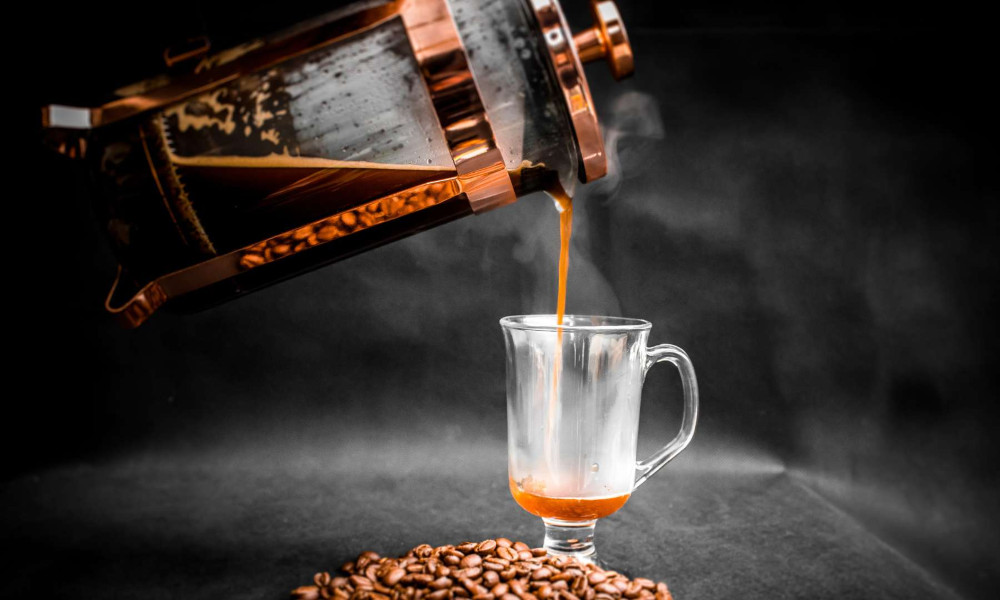
A plunger coffee maker, or French press, consists of two main components: the beaker or carafe, and the plunger and filter assembly.
The beaker is typically made of heat-resistant glass, stainless steel, or ceramic, and features a cylindrical shape with a handle and pouring spout. The capacity of the beaker can range from single-serving models to larger 12-cup versions.
The plunger and filter assembly consists of a lid, a metal or plastic frame, and a fine mesh steel filter attached to a plunging rod. Some models may also include additional filters made of nylon or paper to further reduce sediment in the brewed coffee.
2. Step-by-Step Brewing Guide
To brew a perfect cup of coffee at home using a plunger coffee maker, follow these simple steps:
- Grind your coffee beans to a coarse, even consistency using a burr coffee grinder. A good starting point is to use 1 tablespoon of coffee per 4 ounces of water.
- Heat your water to just below boiling point, around 195-205°F (90-96°C). If using a kettle, let the water sit for 30 seconds after boiling to achieve the optimal temperature.
- Place the ground coffee in the beaker and pour the hot water over it. Stir gently to ensure all the grounds are evenly saturated.
- Place the plunger and filter assembly on top of the beaker, with the plunger pulled up. Allow the coffee to steep for 4 minutes brew time, or adjust according to taste preferences.
- Slowly and steadily press the plunger down to separate the coffee grounds from the brewed coffee. Serve immediately and enjoy your delicious cup of plunger coffee!
3. Key Variables Affecting the Brew
Several key variables can impact the quality and flavor of your plunger coffee brew:
- Coffee grind size and consistency: A coarse, even grind is essential for optimal extraction and to prevent sediment in the final cup.
- Coffee-to-water ratio: Adjusting the amount of coffee and water used can influence the strength and flavor of the brew. A general guideline is to use 1 part coffee to 15-17 parts water, but this can be adjusted based on personal taste.
- Water temperature: Using water that is too hot can lead to over-extraction and bitterness, while water that is too cool can result in weak, under-extracted coffee.
- Steep time: The optimal steep time for plunger coffee is around 4 minutes brew time, but this can be adjusted based on the specific coffee beans and desired flavor profile. Steeping for too long can result in over-extraction and bitterness, while too short a steep time can produce weak, underdeveloped flavors.
The Science of Extraction
1. Coffee Solubility and Dissolution
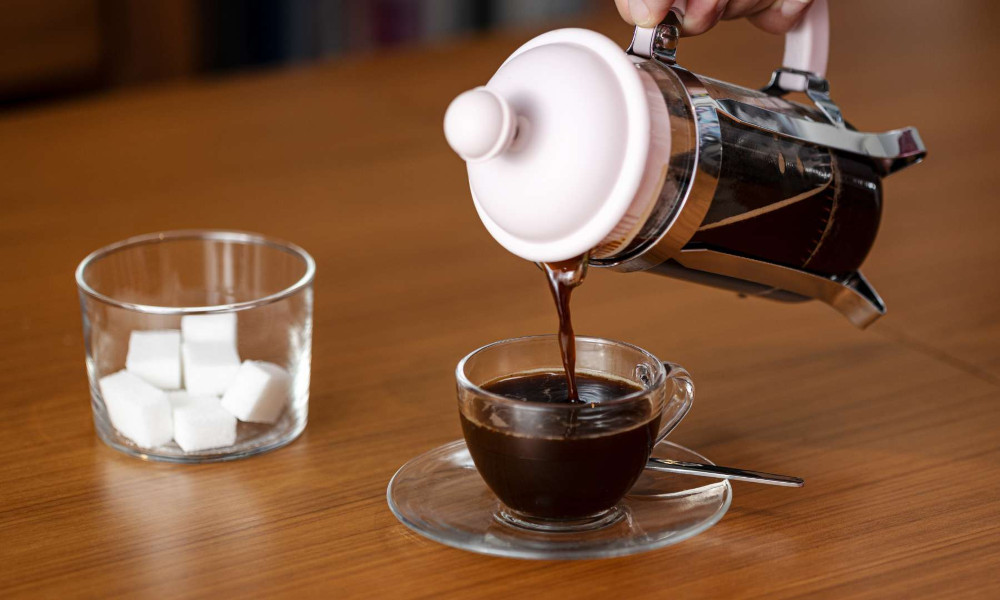
At the core of the plunger coffee brewing process is the concept of extraction, or the dissolution of soluble compounds from the coffee grounds into the water. Coffee contains a wide range of soluble compounds, including acids, sugars, oils, and aromatics, each contributing to the final flavor and aroma of the brewed cup.
The solubility of these compounds is influenced by several factors, such as water temperature, grind size, and steep time. Understanding how these variables interact with coffee solubility is key to achieving a well-balanced, flavorful brew.
2. The Role of Temperature in Extraction
Water temperature plays a crucial role in the extraction process of plunger coffee. Higher temperatures increase the solubility of coffee compounds, leading to faster extraction rates and a more intense flavor. However, using water that is too hot (above 205°F or 96°C) can lead to over-extraction and bitterness, as well as scalding the delicate aromatics in the coffee.
The ideal temperature range for plunger coffee is between 195-205°F (90-96°C). This allows for efficient extraction of desirable compounds while minimizing the risk of over-extraction and bitterness.
3. The Influence of Grind Size on Extraction
Grind size is another critical factor in the extraction process of plunger coffee. The finer the grind, the greater the surface area of the coffee particles exposed to the water, leading to faster extraction rates and a more intense flavor. However, using a grind that is too fine can lead to over-extraction and bitterness, as well as excessive sediment in the final cup.
For plunger coffee, a coarse grind is recommended to achieve a well-balanced extraction and a clean, sediment-free cup. A good starting point is to aim for a grind size similar to coarse sea salt or rough sand.
4. Steep Time and Extraction Yield
The steep time, or the duration of contact between the coffee grounds and water, is another key variable in the extraction process of plunger coffee. As the coffee steeps, the water continues to extract soluble compounds from the grounds, increasing the extraction yield and intensity of the brew.
The extraction process can be divided into three main phases: the initial phase, where the most soluble compounds are quickly extracted; the main extraction phase, where the bulk of the desirable compounds are dissolved; and the final phase, where less soluble and potentially bitter compounds are extracted.
The goal of plunger coffee brewing is to reach the optimal extraction yield, typically around 18-22% of the coffee’s dry mass, while avoiding over-extraction and bitterness. This is achieved by finding the right balance of steep time, usually around 4 minutes brew time, based on the specific coffee beans and desired flavor profile.
5. Agitation and Its Effect on Extraction
Agitation, or the act of stirring or disturbing the coffee grounds during the steeping process, can also influence the extraction rate and flavor of plunger coffee. Agitation helps to evenly distribute the coffee grounds and water, promoting a more uniform extraction and reducing the risk of under-extracted or over-extracted pockets.
Stirring the coffee grounds immediately after adding the water is a common technique in plunger coffee brewing. This initial agitation helps to saturate all the grounds and kickstart the extraction process. Some brewers may also choose to give the coffee a gentle stir halfway through the steep time to further promote even extraction.
However, it’s important to note that excessive agitation can lead to over-extraction and bitterness, as well as increasing the amount of sediment in the final cup. A gentle, consistent stirring motion is recommended to achieve the benefits of agitation without compromising the quality of the brew.
Optimizing Your Plunger Coffee Technique
Achieving the Ideal Extraction
Brewing a perfect cup of coffee at home with a plunger requires finding the right balance of variables to achieve the ideal extraction and flavor profile. This can involve experimenting with different coffee-to-water ratios, grind sizes, water temperatures, and steep times to suit your personal taste preferences.
One useful tool for optimizing your plunger coffee technique is a refractometer, which measures the total dissolved solids (TDS) in the brewed coffee. By comparing the TDS reading to extraction yield charts, you can determine if your brew is within the ideal range of 18-22% extraction and make adjustments accordingly.
Troubleshooting Common Issues
Even with careful attention to the key variables, plunger coffee brewing can sometimes result in less-than-perfect cups. Here are some common issues and their potential solutions:
- Weak or watery coffee: This can be caused by using too little coffee, too coarse a grind, or not steeping for long enough. Try increasing the coffee dosage, using a slightly finer grind, or extending the steep time by 30 seconds to 1 minute.
- Bitter or astringent flavors: Over-extraction is the likely culprit here, caused by using too fine a grind, steeping for too long, or using water that is too hot. Try using a coarser grind, reducing the steep time, or letting the water cool slightly before pouring.
- Sediment in the cup: Sediment can be caused by using too fine a grind, pressing the plunger too quickly or forcefully, or not allowing the coffee to settle before pouring. Ensure you are using a coarse grind, press the plunger gently and steadily, and let the coffee sit for 30 seconds after plunging before pouring.
Experimenting with Advanced Techniques
Once you have mastered the basic plunger coffee brewing technique, you can explore advanced methods to further customize and elevate your brew:
- Blooming and pre-infusion: This involves pouring a small amount of water over the coffee grounds and allowing them to “bloom” for 30-45 seconds before adding the remaining water. This helps to release trapped gases and promote even extraction.
- Multiple plunges and filtration: Some brewers choose to plunge the coffee halfway, then pull the plunger back up and plunge again to further filter out sediment. Others may use additional paper or cloth filters to achieve a cleaner cup.
- Combining with other brewing methods: Plunger coffee can be used as a component in other brewing techniques, such as the “French press-espresso” method, which involves pressing plunger coffee directly onto a bed of espresso grounds for a unique flavor profile.
Maintenance and Care for Plunger Coffee Makers
Regular Cleaning and Descaling
To ensure the longevity and performance of your plunger coffee maker, regular cleaning and descaling are essential. Coffee oils and residue can build up on the walls of the beaker and the filter screen, affecting the flavor of your brew and promoting bacterial growth.
After each use, disassemble the plunger and filter assembly and rinse all components thoroughly with hot water. Use a soft brush or sponge to remove any stubborn residue, and allow the parts to air dry completely before reassembling.
For a deeper clean, you can soak the components in a solution of warm water and mild dish soap, or use a specialized coffee equipment cleaning product. Be sure to rinse thoroughly and dry completely after soaking.
If you live in an area with hard water, you may also need to descale your plunger coffee maker periodically to remove mineral buildup. You can use a commercial descaling solution or a mixture of equal parts water and white vinegar. Fill the beaker with the solution, let it sit for 15-20 minutes, then rinse thoroughly with clean water.
Replacing Components
Over time, the components of your plunger coffee maker may begin to show signs of wear and tear. The filter screen may become bent or frayed, the plunger seal may lose its elasticity, or the beaker may develop chips or cracks.
Inspect your plunger coffee maker regularly for any signs of damage, and replace components as needed to ensure optimal performance and safety. Many manufacturers offer replacement parts for their plunger coffee makers, or you can find compatible aftermarket components from specialty coffee equipment retailers.
When replacing components, be sure to choose high-quality parts that are designed specifically for your model of plunger coffee maker. Using ill-fitting or inferior components can lead to leaks, poor filtration, or even breakage.
Proper Storage and Handling
To prevent breakage and ensure the longevity of your plunger coffee maker, proper storage and handling are crucial. Always handle the beaker and plunger assembly with care, especially when washing or assembling the components.
Avoid exposing the beaker to sudden temperature changes, such as pouring hot water into a cold beaker or placing a hot beaker on a cold surface. These thermal shocks can cause the glass to crack or shatter.
When storing your plunger coffee maker, ensure that it is completely dry and assembled loosely to allow for air circulation. Avoid stacking heavy objects on top of the beaker, and store it in a safe, sturdy location to prevent accidental knocks or falls.
If you need to transport your plunger coffee maker, wrap it securely in protective padding, such as bubble wrap or a soft cloth, and place it in a sturdy container to prevent damage during transit.
FAQs
1. How much coffee should I use for plunger brewing?
For plunger coffee brewing, a general guideline is to use a coffee-to-water ratio of 1:15. This equates to approximately 1 gram of coffee for every 15 grams (or milliliters) of water. For a standard 34-ounce (1-liter) French press, this would be about 67 grams of coffee. Adjust the amount to suit your taste preference.
2. What is the ideal grind size for plunger coffee?
The ideal grind size for plunger coffee is coarse. The grounds should resemble sea salt or breadcrumbs. Using a coarse grind helps prevent over-extraction and minimizes sediment in the cup. If your coffee tastes bitter or has excessive sludge, try adjusting to a coarser grind.
3. How long should I steep my coffee in a plunger?
The recommended steeping time for plunger coffee is around 4 minutes. After adding hot water to the coffee grounds, place the plunger lid on top and let the coffee steep for 4 minutes before pressing the plunger down slowly. Steeping for too long can result in over-extraction and bitterness.
4. Can I use plunger coffee makers for cold brew?
Yes, a plunger coffee maker can be used to make cold-brew coffee. Combine coarse coffee grounds and cold water in the beaker, using a ratio of 1:8 coffee to water. Stir to ensure all the grounds are soaked, place the plunger lid on top, and let the mixture steep in the refrigerator for 12-24 hours. After steeping, press the plunger down slowly and pour the cold brew into another container or directly into your cup.
5. How do I prevent sediment and sludge in my plunger coffee?
To minimize sediment and sludge, use a coarse grind size and pour the coffee slowly after pressing the plunger. Ensure the coffee grounds have settled before pouring, and consider allowing the coffee to sit for 30 seconds to a minute after plunging. Additionally, you can explore using additional paper or cloth filters to further reduce sediment.
Final Thoughts
Plunger coffee, or French press coffee, is a beloved brew method that offers a simple yet effective way to make thebest French press coffee at home. By understanding the science behind the steeping process and the key variables that influence extraction, you can unlock the full potential of your plunger coffee maker and create a truly delicious cup of coffee.
Experiment with different coffee beans, grind sizes, steep times, and techniques to find your perfect brew. And don’t forget to properly maintain and care for your plunger coffee maker to ensure it continues producing great coffee for years to come.
This versatile brewing method is not just for beginners; even experienced baristas can appreciate the nuances and possibilities that plunger coffee has to offer. So go ahead and give it a try you may just discover a new favorite way to enjoy your daily dose of caffeine!
0 Comments
Most Voted