Plastic Free Coffee Maker | What are my Options?

As we become increasingly aware of the environmental impact of our daily choices, many of us are looking for ways to reduce our plastic consumption. From reusable shopping bags to bamboo toothbrushes, there are countless opportunities to make small changes that can have a big impact on the planet. One area where plastic waste is particularly prevalent is in the kitchen, specifically when it comes to our beloved coffee makers.
If you’re a coffee lover who’s concerned about the amount of plastic in your daily brew, you may be wondering what your options are for a plastic-free coffee maker. The good news is that there are plenty of alternatives to traditional plastic-laden coffee machines, each with its own unique benefits and brewing methods.
In this article, we’ll explore some of the best plastic-free coffee maker options on the market, from classic French presses to modern pour-over systems. We’ll also discuss the potential health risks associated with plastic in coffee makers, as well as some tips for brewing the perfect cup of plastic-free coffee. So, whether you’re a die-hard espresso fan or a slow-brew aficionado, read on to discover how you can enjoy a delicious, eco-friendly cup of joe.
The Problem with Plastic in Coffee Makers
Plastic has become ubiquitous in modern coffee makers, from the disposable pods used in single-serve machines to the plastic components found in traditional drip coffee makers. While plastic is certainly convenient and affordable, it comes with a host of potential problems that are worth considering.
1. The Prevalence of Plastic in Modern Coffee Makers
Take a look at any kitchen store or online retailer, and you’ll find countless coffee makers that rely heavily on plastic components. Drip coffee makers, in particular, often feature plastic water reservoirs, filter baskets, and even carafes. While these plastic parts may be durable and lightweight, they can also pose some serious health and environmental risks.
Single-serve coffee makers, such as Keurigs and Nespresso machines, are another major source of plastic waste in the coffee world. These machines rely on disposable plastic pods that are difficult to recycle and often end up in landfills or oceans.
2. The Potential Health Risks Associated with Plastic in Coffee Makers
One of the biggest concerns with plastic in coffee makers is the potential for chemicals to leach into your coffee. When exposed to heat, certain types of plastic can release harmful substances like bisphenol A (BPA) and phthalates, which have been linked to a range of health problems including hormonal disruption, fertility issues, and even cancer.
Another potential risk associated with plastic in coffee makers is exposure to microplastics. As plastic breaks down over time, it can release tiny particles that can end up in your coffee and, ultimately, in your body. While the long-term health effects of microplastic exposure are still being studied, some researchers believe that it could pose serious risks to human health.
3. The Environmental Impact of Plastic Waste from Coffee Makers
In addition to the potential health risks, plastic waste from coffee makers is also a major environmental concern. Disposable coffee pods, in particular, have come under fire in recent years for their contribution to plastic pollution. In fact, it’s estimated that Keurig alone produces enough K-Cups each year to circle the earth more than 10 times.
Even plastic components from traditional coffee makers can be difficult to recycle, as they often contain a mix of different plastic types and may be contaminated with food residue. As a result, many plastic coffee maker parts end up in landfills, where they can take hundreds of years to break down and release harmful chemicals into the soil and groundwater.
Plastic-Free Coffee Maker Options
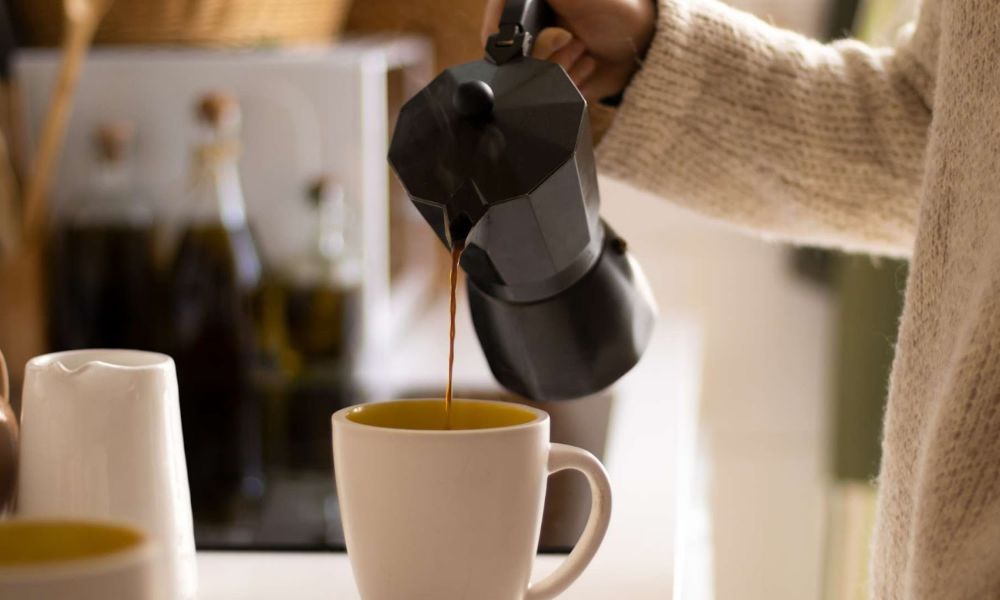
Fortunately, there are plenty of plastic-free coffee maker options available for those looking to reduce their environmental impact and avoid potential health risks. Here are some of the best options to consider:
1. French Press
The French press is a classic plastic-free coffee maker that has been around for over a century. This simple brewing method involves steeping coarse ground coffee in hot water for several minutes, then pressing down a plunger to separate the grounds from the brewed coffee.
One of the biggest advantages of the French press is that it is typically made of stainless steel or glass, with no plastic components. This means that you can enjoy a delicious cup of plastic-free coffee without worrying about chemicals leaching into your brew.
Another benefit of the French press is that it allows for a more full-bodied, flavorful cup of coffee compared to other brewing methods. Because the grounds are steeped directly in the water, the French press tends to produce a bolder, richer taste that many coffee lovers prefer.
2. Pour-Over Coffee Makers
Pour-over coffee makers are another popular plastic-free coffee option that has gained popularity in recent years. This brewing method involves pouring hot water over coffee grounds that are placed in a filter, allowing the coffee to drip slowly into a carafe or mug.
One of the main advantages of pour-over coffee makers is that they allow for a high level of control over the brewing process. By adjusting the grind size, water temperature, and pouring technique, you can fine-tune the flavor and strength of your coffee to suit your preferences.
Many pour-over coffee makers are made from ceramic or glass, which are both plastic-free and non-toxic coffee maker materials. Some popular options include the Chemex, which features a sleek glass design, and the Hario V60, which is made from ceramic and comes in a variety of colors.
3. Stovetop Espresso Makers
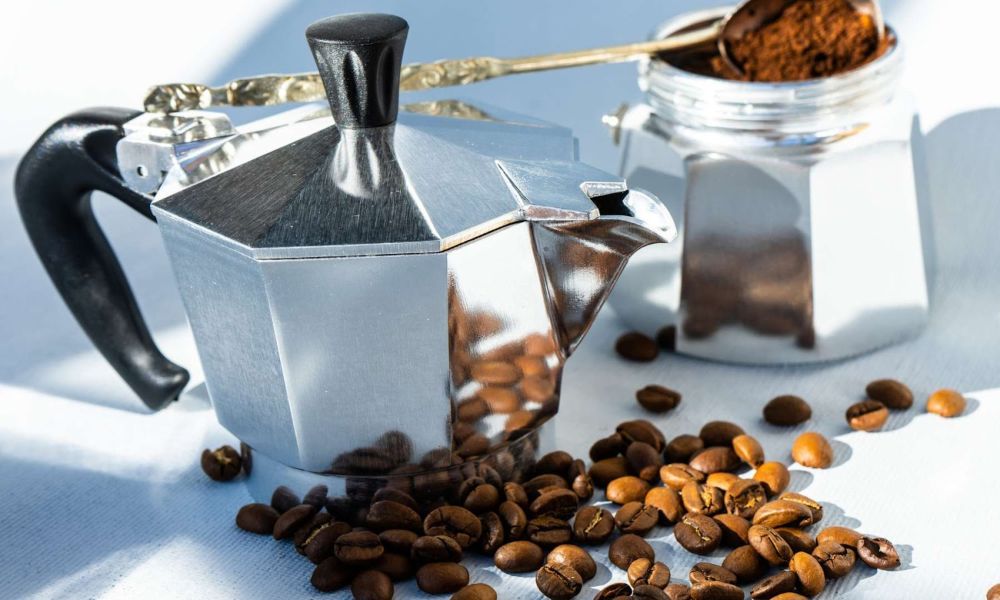
For those who prefer a stronger, more concentrated cup of coffee, a stovetop espresso maker may be the perfect plastic-free coffee option. These compact, easy-to-use coffee makers are designed to brew coffee under pressure, producing a rich, full-bodied espresso shot.
Stovetop espresso makers are typically made of stainless steel or aluminum, with no plastic components. Some popular options include the Bialetti Moka Express, which has been a staple in Italian kitchens for decades, and the Grosche Milano, which features a sleek, modern design.
One of the main advantages of stovetop espresso makers is that they are relatively inexpensive compared to electric espresso machines. They are also durable and long-lasting, with many models lasting for decades with proper care and maintenance.
4. Chemex Coffee Maker
The Chemex coffee maker is a classic pour-over option that has been around since the 1940s. This elegant glass coffee maker features a wooden collar and leather tie, giving it a distinctive, timeless look.
One of the main advantages of the Chemex is that it produces a clean, bright cup of coffee with minimal bitterness or acidity. This is due in part to the thick, bonded filters that Chemex uses, which remove more oils and sediment from the coffee than other pour-over methods.
However, the Chemex can be a bit more expensive than other pour-over options, with prices ranging from around $40 to $50 depending on the size and style. Additionally, the thick filters can be a bit more expensive and harder to find than standard paper filters.
5. Vacuum Coffee Maker
Vacuum coffee makers, also known as siphon coffee makers, are unique and visually stunning plastic-free coffee options. This brewing method involves heating water in a bottom chamber until it is forced up into an upper chamber containing coffee grounds. The coffee then steeps for several minutes before being pulled back down into the bottom chamber, leaving the grounds behind.
However, vacuum coffee makers can be a bit more expensive than other plastic-free coffee options, with prices ranging from around $100 to $200 or more. They can also be a bit more fragile and difficult to clean than other brewing methods, as they have several delicate glass components.
6. Percolators
Percolators are a classic brewing method that has been around for over a century. This simple, easy-to-use coffee maker involves heating water in a bottom chamber until it is forced up through a tube and over a basket containing coffee grounds. The coffee then drips back down into the bottom chamber, where it is cycled through the grounds several times until the desired strength is achieved.
One of the main advantages of percolators is that they are typically very affordable, with prices ranging from around $20 to $50 depending on the size and style. They are also very durable and long-lasting, with many models lasting for decades with proper care and maintenance.
Brewing Tips for Plastic-Free Coffee Makers
No matter which plastic-free coffee maker you choose, there are a few key brewing tips to keep in mind to ensure that you get the best possible cup of coffee:
1. Choosing the Right Grind Size
The grind size of your coffee is one of the most important factors in determining the final flavor and strength of your brew. In general, the finer the grind, the stronger and more bitter the coffee will be, while a coarser grind will produce a milder, smoother cup.
For French presses and percolators, a coarse grind is typically best, as it allows for a slower, more even extraction. For pour-over methods like the Chemex and Hario V60, a medium-fine grind is usually recommended, as it allows for a quicker, more precise extraction. And for stovetop espresso makers, a fine grind is essential to produce a strong, concentrated shot.
2. Ensuring Proper Water Temperature and Brewing Time
Another key factor in brewing the perfect cup of plastic-free coffee is ensuring that the water is at the right temperature and that the brewing time is appropriate for the method you are using.
For most brewing methods, the ideal water temperature is between 195-205°F (90-96°C). Water that is too hot can scald the coffee and produce a bitter taste, while water that is too cool can result in an under-extracted, weak cup.
Brewing time is also important to consider, as different brewing methods require different steeping or extraction times. For example, a French press typically requires a 4-5 minute steeping time, while a pour-over method like the Chemex may only take 2-3 minutes to brew.
3. Cleaning and Maintaining Plastic-Free Coffee Makers
Finally, it’s important to properly clean and maintain your plastic-free coffee maker to ensure that it continues to produce delicious, high-quality coffee for years to come.
For most brewing methods, a simple rinse with hot water after each use is sufficient to remove any coffee oils or residue. However, it’s also a good idea to periodically deep clean your coffee maker with a mixture of water and vinegar or a specialized cleaning solution to remove any built-up mineral deposits or stains.
It’s also important to handle your plastic-free coffee maker with care, especially if it is made from delicate materials like glass or ceramic. Avoid exposing your coffee maker to sudden temperature changes or impacts, and always follow the manufacturer’s instructions for use and care.
FAQs
1. Are plastic-free coffee makers more expensive than traditional coffee makers?
While some plastic-free coffee makers may have a higher upfront cost than traditional plastic options, they can often save you money in the long run by eliminating the need for disposable filters or pods. Additionally, many plastic-free coffee makers are built to last, with high-quality materials and durable construction that can withstand years of daily use.
2. Can I use any type of coffee with a plastic-free coffee maker?
Yes, most plastic-free coffee makers can be used with any type of coffee, from light roasts to dark roasts and everything in between. However, some brewing methods may work better with certain types of coffee than others. For example, a French press typically works best with coarsely ground coffee, while a pour-over method like the Chemex may work better with a medium-fine grind.
3. How do I clean and maintain a plastic-free coffee maker?
Cleaning and maintaining your plastic-free coffee maker is relatively simple and straightforward. Most brewing methods can be rinsed with hot water after each use to remove any coffee oils or residue. For a deeper clean, you can use a mixture of water and vinegar or a specialized cleaning solution to remove any built-up mineral deposits or stains. Always follow the manufacturer’s instructions for use and care to ensure optimal performance and longevity.
4. Can I use a plastic-free coffee maker to make other beverages besides coffee?
Yes, many plastic-free coffee makers can be used to make a variety of hot and cold beverages, such as tea, hot chocolate, and even iced coffee. Just be sure to thoroughly clean your coffee maker between uses to avoid any lingering flavors or residue.
5. Can I recycle my plastic coffee maker if I switch to a plastic-free option?
It depends on the type of plastic used in your current coffee maker. Some plastics can be recycled, while others cannot due to their composition or condition. Check with your local recycling facility for specific guidelines on recycling plastics in your area. Switching to a plastic-free coffee maker eliminates the need for future plastic waste from coffee makers. So, it is a step towards creating a more sustainable future for our planet.
Making the switch to a plastic-free coffee maker is a small but meaningful step that can have a big impact on the environment and your personal health. By choosing a brewing method that eliminates plastic waste and potential chemical leaching, you can enjoy a delicious, eco-friendly cup of coffee every day.
Whether you prefer the bold, full-bodied flavor of a French press or the smooth, nuanced taste of a pour-over brew, there is a plastic-free coffee maker out there that can suit your needs and preferences. By investing in a high-quality, durable option and following proper brewing and maintenance techniques, you can ensure that your plastic-free coffee maker will continue to produce delicious, sustainable coffee for years to come.
As more and more consumers become aware of the environmental and health impacts of plastic waste, the demand for plastic-free coffee options is only likely to grow. By making the switch to a plastic-free coffee maker, you can be part of the solution and help to create a more sustainable, eco-friendly future for all. So why not start your day with a delicious, plastic-free cup of coffee? Your taste buds (and the planet) will thank you!
0 Comments
Most Voted