Gyuto vs Santoku | Which Is the Best For Your Needs?

When it comes to Japanese knives, two of the most popular and versatile options are the Gyuto Japanese Knife and the Santoku Japanese Knife. Both of these knives have gained a reputation for their exceptional craftsmanship, sharp blades, and ability to tackle a wide range of kitchen tasks. Whether you’re a professional chef or a home cooking enthusiast, investing in a high-quality Japanese knife can revolutionize your culinary experience.
However, with so many options available, it can be challenging to determine which knife is the best fit for your specific needs. While some may prefer the versatility of a Japanese Knife Set, others may find that a single, well-crafted blade, such as a Gyuto or Santoku, is all they need to elevate their cooking game.
In this comprehensive guide, we’ll dive deep into the world of Santoku and a Gyuto knife, exploring their unique characteristics, advantages, and recommended uses.
By the end of this article, you’ll have a clearer understanding of which Japanese knife is the best choice for your kitchen!
Gyuto Japanese Knife
Overview and History
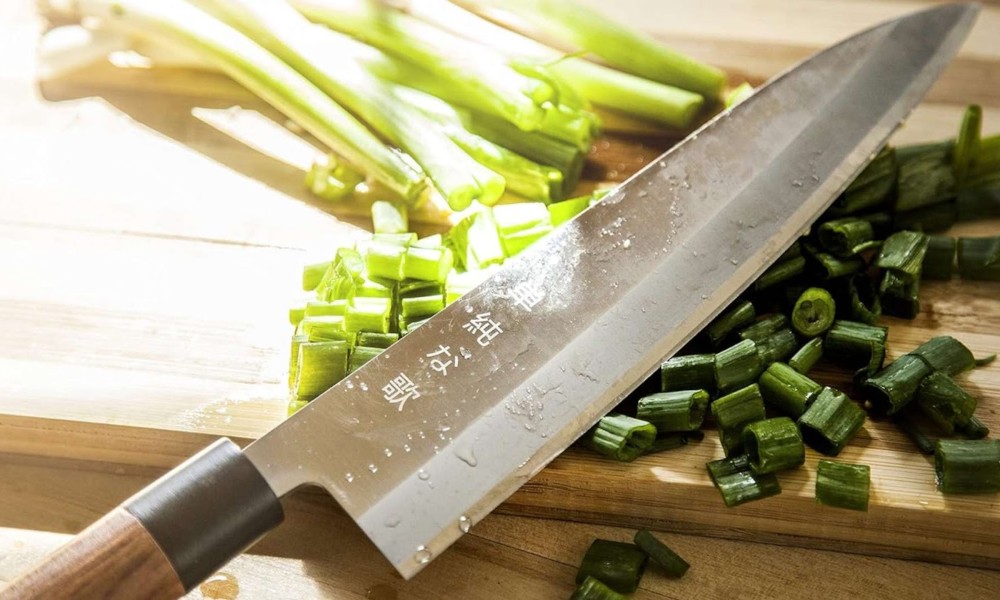
The Gyuto Japanese Knife, also known as a Japanese chef knife, is a versatile and essential tool in many professional kitchens. Its name translates to “cow sword” in Japanese, reflecting its origin as a knife designed for butchering cattle. Over time, the Gyuto has evolved into a multi-purpose knife, capable of handling a wide range of ingredients and cutting techniques.
Characteristics and Design
A typical Gyuto blade ranges from 210mm to 270mm in length, with a slight curve along the cutting edge. This curve allows for a smooth rocking motion when chopping and mincing, making it a favorite among chefs who prefer a more Western-style cutting technique. The blade profile of a Gyuto is relatively slim, with a pointed tip that is ideal for precise tasks like trimming and detailing.
The handle of a Gyuto can vary, with some featuring traditional Japanese handles made from wood or magnolia, while others opt for Western-style handles crafted from materials like pakkawood or G10. Ultimately, the choice of handle comes down to personal preference and comfort.
Versatility and Utility
One of the greatest strengths of the Gyuto Japanese Knife is its versatility. Its long, slender blade is suitable for a wide range of cutting tasks, from slicing through meats and fish to chopping vegetables and herbs. The Gyuto‘s ability to perform well in various scenarios makes it a go-to choice for many professional chefs and home cooks alike.
The Gyuto‘s curved blade profile is particularly advantageous when it comes to rocking motion cuts, such as mincing garlic or finely chopping herbs. The pointed tip also allows for precision work, such as scoring meat or removing blemishes from produce.
Recommended Uses
Given its versatility, the Gyuto Japanese Knife is an excellent choice for a wide range of ingredients and dishes. Some of its recommended uses include:
- Slicing, dicing, and chopping meat, poultry, and fish
- Cutting vegetables and fruits
- Mincing herbs and garlic
- Preparing sushi and sashimi
- General kitchen tasks that require precision and control
Santoku Japanese Knife
Overview and History
The Santoku Japanese Knife, which translates to “three virtues” or “three uses,” is a more recent addition to the world of Japanese cutlery. Developed in the mid-20th century, the Santoku was designed to be a multi-purpose knife, excelling at three primary tasks: slicing, dicing, and mincing. Its popularity has grown in recent years, both in Japan and internationally, thanks to its efficiency and ease of use.
Characteristics and Design
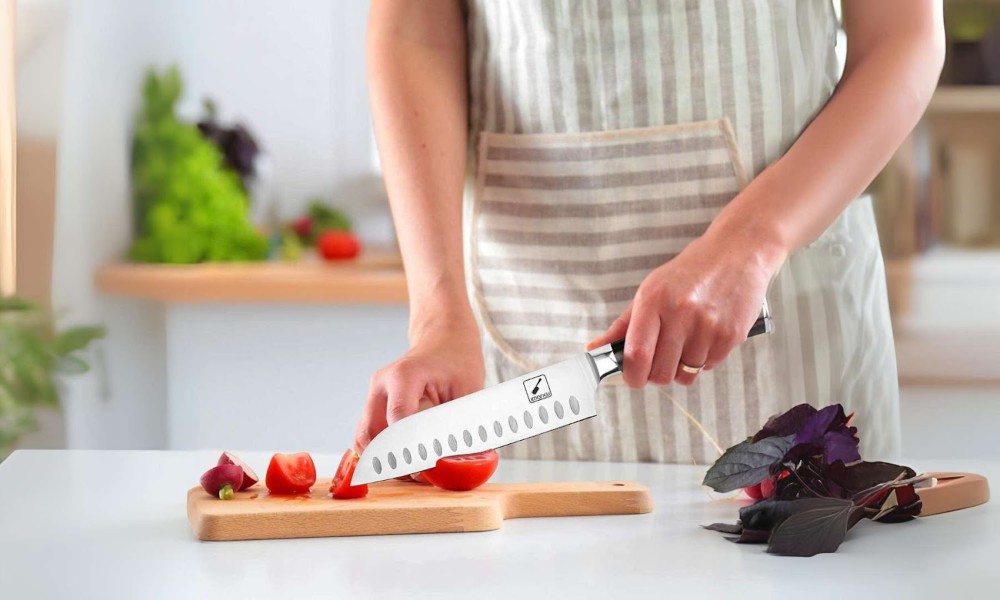
A Santoku blade typically measures between 165mm and 180mm in length, making it slightly shorter than a Gyuto. The blade profile is also different, with a straighter edge and a less pronounced curve. This design makes the Santoku ideal for straight, downward cuts and chopping motions.
Another distinctive feature of the Santoku is its wide blade, which is useful for scooping up chopped ingredients and transferring them from the cutting board to a pan or bowl. The Santoku’s blade is also thinner than that of a Gyuto, allowing for more precise and delicate cuts.
Like the Gyuto, the Santoku can feature either a traditional Japanese handle or a Western-style handle, depending on the manufacturer and the user’s preference.
Specialization and Efficiency
While the Gyuto is known for its versatility, the Santoku Japanese Knife is celebrated for its specialization and efficiency in specific cutting tasks. The Santoku’s straight edge and wide blade make it exceptionally well-suited for precise, straight cuts, such as chopping vegetables or creating thin slices of meat.
The Santoku’s design also makes it easier to maintain a consistent cut size, which is crucial for dishes that require uniform pieces, such as stir-fries or salads. The wide blade allows for easy scooping and transferring of ingredients, streamlining the cooking process.
Recommended Uses
The Santoku Japanese Knife is an excellent choice for a variety of ingredients and cutting techniques, particularly those that benefit from straight, precise cuts. Some recommended uses for the Santoku include:
- Chopping, dicing, and slicing vegetables and fruits
- Cutting boneless meats, poultry, and fish
- Creating thin, uniform slices for dishes like stir-fries or salads
- Mincing herbs and garlic
- General kitchen tasks that require precision and efficiency
In-Depth Comparison
Blade Length and Shape
One of the most noticeable differences between the Gyuto and Santoku is their blade length and shape. The Gyuto features a longer, narrower blade, typically ranging from 210mm to 270mm. This length provides the user with more cutting surface and allows for longer, more fluid slicing motions.
In contrast, the Santoku has a shorter, wider blade, usually measuring between 165mm and 180mm. The shorter length and wider blade of the Santoku make it more maneuverable, particularly in smaller kitchen spaces or for users with smaller hands.
Blade Profile and Edge Geometry
The blade profile and edge geometry of the Gyuto and Santoku also differ, affecting their cutting performance and suitability for various techniques.
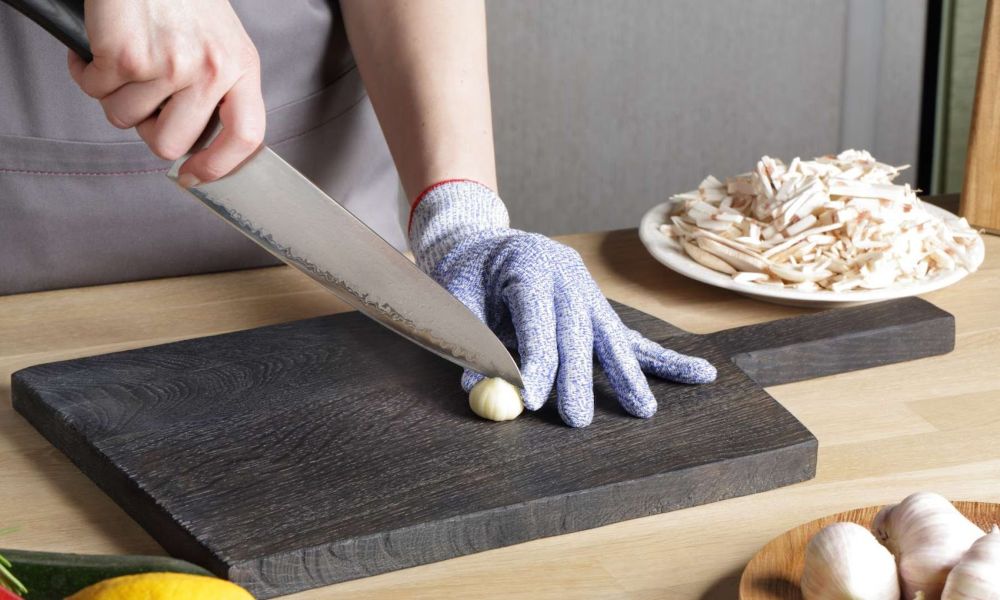
The Gyuto Japanese Knife has a more pronounced curve along its cutting edge, which is ideal for rocking motion cuts, such as mincing herbs or garlic. This curve allows the user to maintain contact with the cutting board while gently rocking the blade back and forth, creating a fine mince or chop.
The Santoku, on the other hand, features a straighter edge with a less pronounced curve. This profile is better suited for straight, downward cuts and chopping motions, making it ideal for tasks like dicing vegetables or creating thin, uniform slices.
Handle Design and Comfort
Both the Gyuto and Santoku can feature either traditional Japanese handles or Western-style handles, depending on the manufacturer and user preference. Traditional Japanese handles, often made from wood or magnolia, are typically lighter and more slender than their Western counterparts. Some users find these handles more comfortable and better suited for precise cutting tasks.
Western-style handles, often crafted from materials like pakkawood or G10, are typically heavier and more substantial. These handles may be more comfortable for users accustomed to Western-style knives and can provide a more secure grip during extended use. Ultimately, the choice of handle comes down to personal preference, comfort, and cutting style.
Versatility and Specialization
When it comes to versatility and specialization, the Gyuto and Santoku each have their strengths.
The Gyuto Japanese Knife is known for its versatility, capable of handling a wide range of ingredients and cutting techniques. Its longer blade and curved profile make it suitable for slicing, dicing, and chopping various meats, vegetables, and fruits. This adaptability makes the Gyuto an excellent choice for those who want a single, multi-purpose knife in their kitchen.
The Santoku Japanese Knife, while still multi-functional, is more specialized in its design and performance. Its straighter edge and wider blade excel at precise, straight cuts and chopping motions, making it particularly efficient for tasks like dicing vegetables or creating thin, uniform slices. This specialization makes the Santoku an ideal choice for those who prioritize precision and consistency in their cutting techniques.
Learning Curve and Skill Level
Both the Gyuto and Santoku are suitable for users of various skill levels, from beginners to professionals. However, there are some differences in their learning curves and adaptability.
The Gyuto‘s versatility and familiarity with Western-style chef’s knives make it a more approachable option for beginners. Its longer blade and curved profile allow for a range of cutting techniques, making it easier for users to adapt to their preferred style.
The Santoku, with its straighter edge and emphasis on precise, straight cuts, may have a slightly steeper learning curve for those accustomed to Western-style knives. However, its design is intuitive and easy to master with practice, making it an excellent choice for both beginners and experienced users who prioritize precision and efficiency.
Maintenance and Sharpening
Proper maintenance and sharpening are crucial for both the Gyuto and Santoku, as with any high-quality knife. Japanese knives are typically crafted from harder, more brittle steels than their Western counterparts, requiring more attentive care and storage to prevent chipping or damage.
Both knives should be hand-washed and dried immediately after use, then stored in a knife block, magnetic strip, or sheath to protect the blade. Avoid storing these knives in a drawer, where they can come into contact with other utensils and become damaged.
Sharpening techniques and frequency may vary depending on the specific knife and its use. In general, Japanese knives require more frequent sharpening than Western knives due to their harder steel and thinner blade profiles. Many users prefer to sharpen their Gyuto and Santoku knives using a whetstone, which allows for greater control and precision in maintaining the blade’s edge.
Factors to Consider When Choosing
When deciding between a Gyuto and Santoku, there are several factors to consider:
- Cutting Style and Techniques: If you prefer a more Western-style cutting technique, with rocking motions and longer slices, the Gyuto may be the better choice. If you prioritize precise, straight cuts and chopping motions, the Santoku may be more suitable.
- Types of Ingredients and Dishes: Consider the ingredients and dishes you prepare most often. The Gyuto’s versatility makes it a great all-around choice, while the Santoku’s specialization may be more beneficial for dishes that require uniform cuts and precision.
- Kitchen Space and Storage: If you have a smaller kitchen or limited storage space, Santoku’s more compact size may be more practical. The Gyuto’s longer blade may require more room for storage and use.
- Budget and Investment: Both the Gyuto Japanese Knife and Santoku Japanese Knife are available at various price points, depending on the brand, materials, and craftsmanship. Consider your budget and the level of investment you’re willing to make in a high-quality knife.
Final Thoughts
In the world of Japanese knives, both the Gyuto and Santoku have earned their place as essential tools in the kitchen. The Gyuto’s versatility and adaptability make it a favorite among professionals and home cooks who value a multi-purpose knife capable of handling a wide range of ingredients and techniques. Meanwhile, the Santoku’s specialization and efficiency make it an excellent choice for those who prioritize precision and consistency in their cutting tasks.
Ultimately, the best Japanese knife for your needs depends on your individual preferences, cooking style, and the types of dishes you prepare most often. Whether you choose a Gyuto, or Santoku, or invest in a comprehensive Japanese Knife Set, you can be confident that you’re adding a high-quality, precision tool to your kitchen arsenal.
When making your decision, consider factors like cutting style, ingredients, kitchen space, and budget. Don’t be afraid to experiment with both the Gyuto knife and Santoku to find the one that feels most comfortable and natural in your hand.
Regardless of which knife you choose, remember that investing in a high-quality Japanese knife is just the beginning. Proper maintenance, storage, and sharpening techniques are essential to ensure that your Gyuto or Santoku performs at its best for years to come. With the right care and attention, your chosen Japanese knife will become an indispensable companion in your culinary journey, whether you’re slicing through delicate sashimi or chopping vegetables for a hearty stew.
0 Comments
Most Voted