Bacon Slicers | What Method Works Best?

11FAQs
The sizzle of bacon in a pan is a sensory experience that awakens the taste buds and fills the kitchen with an irresistible aroma. But before that magical moment can occur, there’s an important step that often goes overlooked: slicing the bacon. The way bacon is sliced can dramatically impact its cooking properties, texture, and overall enjoyment. Whether you prefer your bacon crispy and thin or thick and chewy, the slice is where it all begins.
In the world of culinary preparation, few tasks are as deceptively simple yet crucial as slicing bacon. It’s a process that can transform a humble slab of cured pork into uniform strips ready for the frying pan, oven, or even a gourmet recipe. But with various methods available, from manual knife work to electric slicers, the question arises: what’s the best way to achieve that perfect bacon slice?
Within this guide, we’ll explore various bacon-slicing techniques and the tools that can help you master them. By weighing the pros and cons of each method, you can make an informed choice that ensures your bacon is always sliced to perfection, enhancing your cooking experience and culinary results.
Understanding Bacon
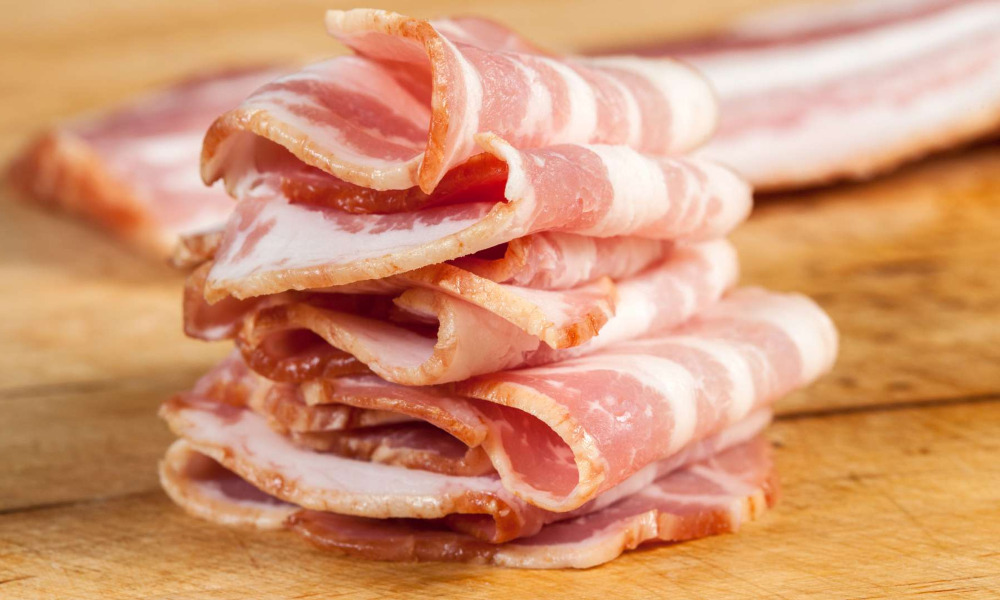
Before we dive into slicing methods, it’s essential to understand the product we’re working with. Bacon comes in various forms, each with its own characteristics that can affect how it’s best sliced and prepared.
The most common type in many parts of the world is pork belly bacon, known for its alternating layers of fat and meat. This is what most people think of when they hear “bacon.” Back bacon, popular in the UK and Canada, comes from the loin and is leaner. There’s also jowl bacon, made from pork cheeks, and specialty bacon like duck or turkey bacon.
The curing and smoking processes also play a role in bacon’s texture and sliceability. Dry-cured bacon tends to be firmer and easier to slice thinly, while wet-cured bacon can be softer and may require different techniques for optimal slicing.
The thickness of the slice is crucial in determining how the bacon will cook and taste. Thin slices (about 1/16 inch) will cook up crispy and are great for sandwiches or crumbling over salads. Medium slices (1/8 inch) offer a balance of crisp and chew, suitable for most cooking methods. Thick slices (1/4 inch or more) provide a meatier bite and are excellent for dishes where bacon is the star.
Manual Slicing Methods
1. Using a Chef’s Knife
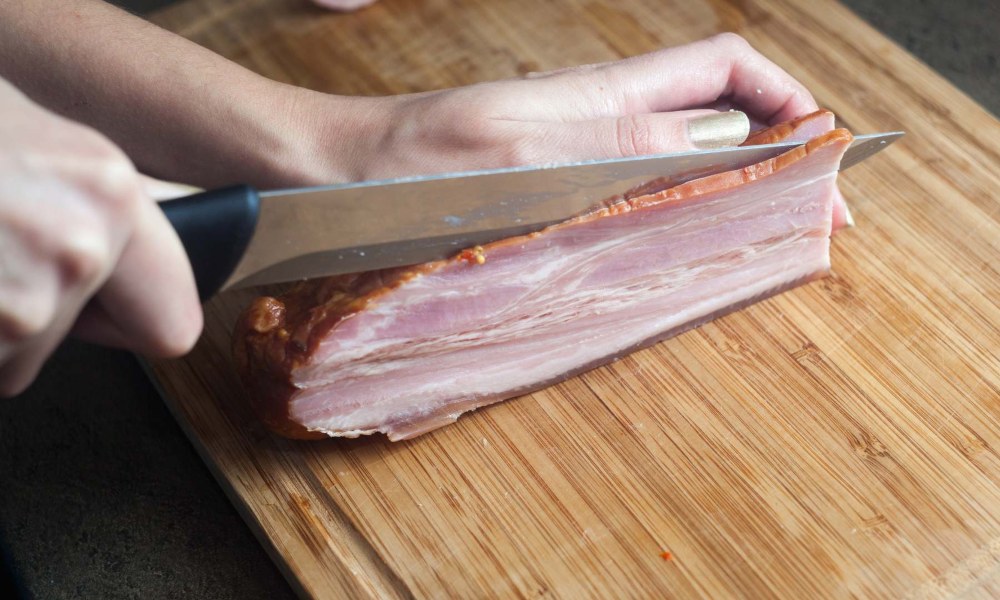
A sharp chef’s knife is often the go-to tool for many home cooks when it comes to slicing bacon. This method offers precision and control, allowing you to adjust the thickness of the slice on the fly.
To slice bacon with a chef’s knife, start with a well-chilled slab of bacon. Cold bacon is firmer and easier to slice cleanly. Place the bacon on a cutting board and, using a rocking motion with the knife, slice through the bacon with even pressure. Try to maintain a consistent angle to ensure uniform slices.
Pros of using a chef’s knife include flexibility in slice thickness and no need for special equipment. However, it requires skill and practice to achieve consistent results, and it can be time-consuming for large quantities.
2. Slicing with a Serrated Knife
A serrated knife can be particularly effective for slicing bacon, especially if the bacon is slightly frozen or very fatty. The saw-like edge can grip the bacon better, reducing slippage and potentially resulting in more even slices.
To use this method, place the bacon on a cutting board and use a gentle sawing motion to slice through the meat. Let the knife do the work; don’t apply too much downward pressure.
The serrated knife method works well for thicker slices and can be easier for beginners. However, it may not produce slices as thin as a chef’s knife can achieve.
3. Mandoline Slicers for Bacon
While primarily associated with vegetables, a mandoline slicer can be an effective tool for slicing bacon. It offers consistent slice thickness and can be faster than using a knife for larger quantities.
To use a mandoline for bacon, partially freeze the bacon first for easier handling. Carefully run the bacon across the blade, using the hand guard for safety. Be extremely cautious, as mandolines are very sharp.
Mandolines can produce very thin, consistent slices quickly. However, they can be dangerous if not used properly, and may not work well for very thick or fatty bacon.
Electric Bacon Slicers
1. Home-use Electric Slicers
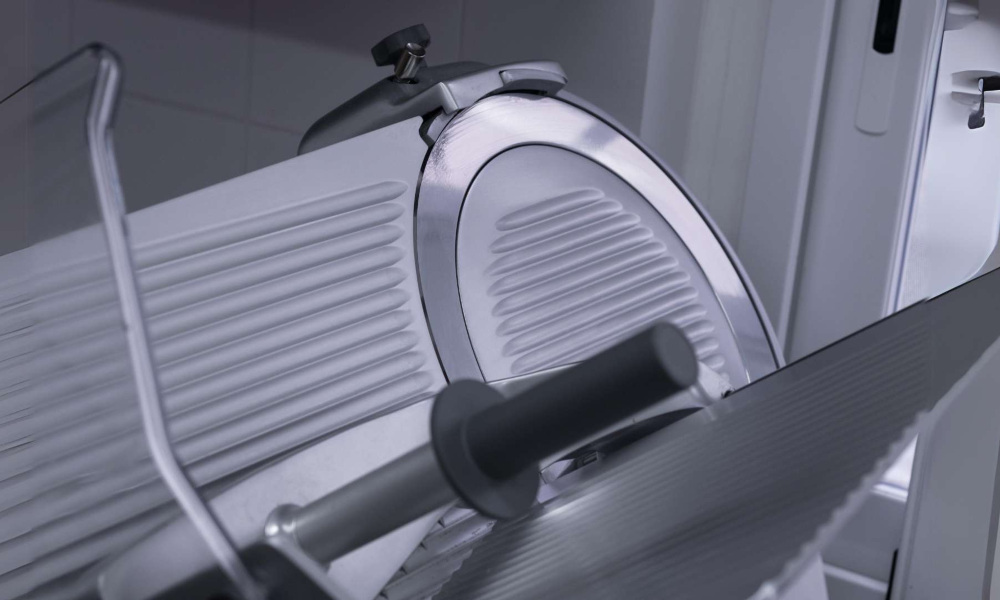
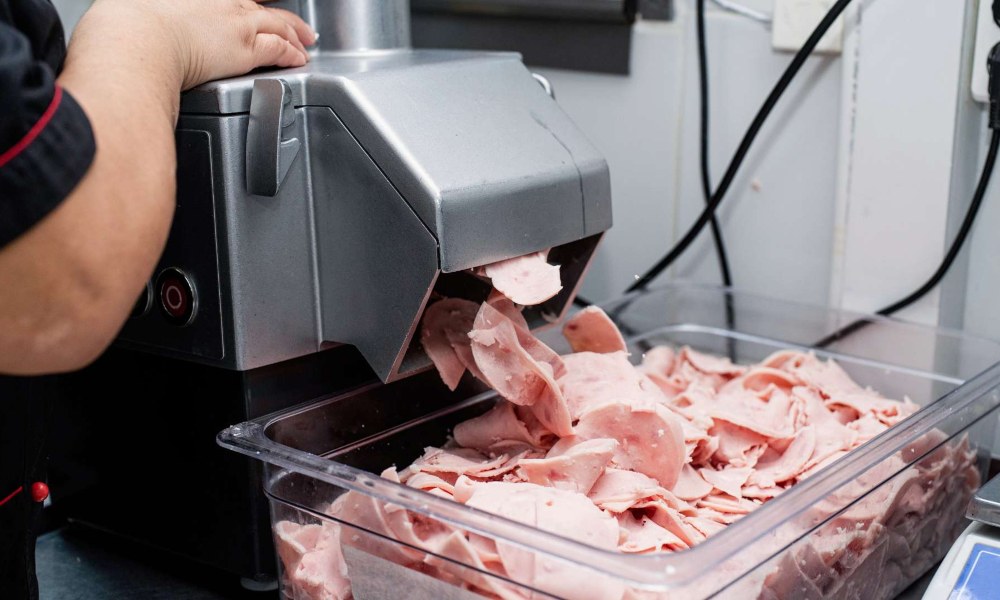
For those who frequently slice large quantities of bacon, an electric slicer can be a game-changer. These machines can slice bacon quickly and consistently, often with adjustable thickness settings.
When getting a slicer for home use, look for models with a powerful motor, a sharp and durable blade, and easy-to-clean components. Some popular home-use slicers include the Chef’s Choice 615A and the Cuisinart FS-75.
To use a meat slicer like a pro, ensure the bacon is well-chilled or partially frozen. Turn on the slicer and gently guide the bacon through the blade, using the food pusher for safety. Always follow the manufacturer’s instructions and safety guidelines.
2. Commercial-grade Bacon Slicers
Commercial-grade slicers are designed for high-volume use and offer features like larger blades, more powerful motors, and greater durability. They’re overkill for most home kitchens but can be a worthwhile investment for small restaurants or caterers who process large quantities of bacon regularly.
Commercial slicers like the Globe G12 or the Hobart Edge can handle continuous use and offer precise control over slice thickness. However, they’re significantly more expensive than home models and require more space and maintenance.
Frozen Bacon Slicing Techniques
Partially freezing bacon before slicing can make the process easier and result in cleaner, more consistent slices. Place the bacon in the freezer for about 15-20 minutes until it’s firm but not solid.
When using a knife to slice partially frozen bacon, you may find it easier to achieve thin, even slices. The firmer texture reduces the bacon’s tendency to squish or slide under the knife.
For electric slicers, partially frozen bacon can be easier to handle and may produce cleaner slices. However, be cautious not to freeze the bacon solid, as this could damage the slicer blade.
Always practice proper food safety when handling partially frozen meat. Ensure your cutting surface and tools are clean, and wash your hands thoroughly before and after handling the bacon.
Pre-Sliced Bacon: Convenience vs. Quality
Pre-sliced bacon offers undeniable convenience. It’s ready to cook straight out of the package, saving time and effort in the kitchen. For many busy households, this convenience can be a significant advantage.
However, pre-sliced bacon often comes with trade-offs. The slices may not be as fresh as bacon you slice yourself, and you’re limited to the thickness of the slice determined by the manufacturer. Additionally, pre-sliced bacon often costs more per pound than whole slab bacon.
Quality can vary significantly among pre-sliced bacon brands. Some high-end producers offer excellent pre-sliced bacon, while budget options may be less consistent in quality and slice thickness.
Specialty Bacon Slicing Tools
1. Bacon Slicing Boards with Integrated Knives
These specialized cutting boards feature a built-in slicing guide and sometimes come with a dedicated knife. They aim to help achieve consistent slice thickness and can be a good option for those who prefer manual slicing but want some guidance.
2. Wire Bacon Slicers
Wire slicers use a thin wire or multiple wires to slice through bacon. They can produce very thin slices and are often easy to use. However, they may struggle with very thick or frozen bacon.
3. Innovative New Products
The market for kitchen gadgets is always evolving, and new bacon slicing tools regularly appear. From multi-wire slicers to bacon-specific mandolines, these innovative products can offer unique solutions for bacon enthusiasts.
Maintaining Slice Consistency
Consistency in slice thickness is crucial for even cooking. When bacon slices are of varying thicknesses, they’ll cook at different rates, leading to some pieces being overcooked while others remain undercooked.
To achieve consistent slices manually, try using a ruler as a guide when cutting. Some cutting boards even come with built-in measurements. For electric slicers, always use the thickness gauge and feed the bacon at a consistent speed.
Remember that practice makes perfect. The more you slice bacon, the better you’ll become at judging thickness and maintaining consistency.
Slicing for Different Cooking Methods
The ideal slice thickness can vary depending on how you plan to cook the bacon. For crispy bacon, aim for thin slices around 1/16 inch thick. These will cook quickly and evenly, resulting in that satisfying crunch.
For chewier bacon, go for thicker slices around 1/8 to 1/4 inch. These thicker slices work well for dishes where you want the bacon to have more presence, like in a pasta carbonara or wrapped around asparagus.
Some recipes call for specific bacon cuts. For example, lardons (small, thick bacon pieces used in French cuisine) require slicing the bacon into 1/4 inch strips, then cutting those strips into 1/4 inch pieces.
Storing Sliced Bacon
Proper storage is crucial for maintaining the quality and safety of your sliced bacon. If you’ve sliced more bacon than you plan to use immediately, it can be stored in the refrigerator for 5-7 days. Wrap it tightly in plastic wrap or store it in an airtight container to prevent it from drying out or absorbing other flavors from the fridge.
For longer-term storage, bacon freezes well. Lay the slices flat on a parchment-lined baking sheet and freeze until solid. Then transfer the frozen slices to a freezer bag, removing as much air as possible. Frozen bacon can last up to 6 months.
If you have a vacuum sealer, this is an excellent way to store sliced bacon for extended periods. Vacuum-sealed bacon can last up to a year in the freezer without significant loss of quality.
Cleaning and Maintaining Bacon Slicing Tools
Proper cleaning and maintenance of your slicing tools are essential for both food safety and longevity of the equipment. For knives, hand wash with warm, soapy water and dry immediately. Regular sharpening will ensure clean cuts and safer use.
Electric slicers require more thorough cleaning. Always unplug the slicer before cleaning. Most have removable parts that can be washed separately. The slicer blade should be cleaned carefully with a damp cloth, avoiding the sharp edge. Some models have dishwasher-safe parts, but always check the manufacturer’s instructions.
If your slicer doesn’t seem to be cutting as cleanly as it used to, it may be time to sharpen or replace the blade. Many models have replaceable blades available.
FAQs
1. What’s the ideal thickness for bacon slices?
The ideal thickness depends on your preference and cooking method. For crispy bacon, aim for thin slices around 1/16 inch. For chewier bacon, go for 1/8 to 1/4 inch slices. Experiment to find what you like best.
2. Is it worth investing in an electric bacon slicer for home use?
If you frequently slice large quantities of bacon, an electric slicer can save time and provide consistent results. However, for occasional use, a sharp knife can work just as well. Consider your budget and how often you’ll use it.
3. How do I clean my bacon slicer?
For manual tools like knives, wash with warm, soapy water and dry immediately. Electric slicers often have removable parts that can be washed separately. Always unplug electric slicers before cleaning and follow the manufacturer’s instructions.
4. Can I slice frozen bacon?
Partially frozen bacon (chilled in the freezer for 15-20 minutes) can be easier to slice. However, fully frozen bacon may damage your slicer or knife. It’s best to thaw frozen bacon in the refrigerator before slicing.
5. How long can I store sliced bacon?
In the refrigerator, properly stored sliced bacon can last 5-7 days. In the freezer, it can last up to 6 months. For best quality, use vacuum-sealed bags for freezer storage.
Final Thoughts
When it comes to slicing bacon, there’s no one-size-fits-all solution. The best method depends on your specific needs, the quantity of bacon you’re preparing, and your personal preferences.
For occasional bacon enthusiasts, a sharp chef’s knife and some practice can yield excellent results. Those who frequently prepare large quantities of bacon might find an electric slicer to be a worthwhile investment. And for the casual bacon lover who values convenience, pre-sliced bacon can be a perfectly acceptable choice.
Remember, the goal is to achieve consistent slices that suit your cooking method and taste preferences. Whether you’re using a high-end electric slicer or a simple kitchen knife, the key is to find a method that works great for you and helps you enjoy your bacon to the fullest.
Ultimately, the best bacon slicer is the one that helps you achieve your desired results consistently and safely. So experiment with different methods, practice your technique, and soon you’ll be slicing bacon like a pro. Happy slicing, and enjoy your perfectly prepared bacon!
0 Comments
Most Voted