Charcuterie Basque | History of the Unique Cured Meat

In the world of culinary delights, few things captivate the senses quite like a beautifully crafted charcuterie board. The art of curing and preserving meats has been a cornerstone of many cultures throughout history, each with its own unique techniques and flavors. However, there is one region that stands out for its exceptional charcuterie tradition, the Basque Country.
Nestled between the rolling hills of northern Spain and the rugged coastline of southwestern France, the Basque Country is a land of breathtaking beauty, rich history, and unparalleled gastronomic heritage. At the heart of this culinary wonderland lies Basque charcuterie, a testament to the skill, passion, and creativity of the region’s artisans.
From the melt-in-your-mouth texture of Bayonne ham to the robust, smoky flavor of Espelette pepper sausage, Basque charcuterie is a true feast for the senses. Its unique character is shaped by the land, the people, and the centuries-old traditions that have been passed down from generation to generation.
Today, we’ll walk you through the fascinating history and artistry of Basque charcuterie and explore what makes it so special and why it continues to captivate food lovers around the world.
The Land and People of the Basque Country
Geographic Location and Climate
The Basque Country is a region that straddles the border between Spain and France, encompassing the autonomous communities of the Basque Country and Navarre in Spain, as well as the Northern Basque Country in France. This unique location, nestled between the Atlantic Ocean and the Pyrenees Mountains, has a significant impact on the region’s climate and agriculture.
The influence of the Atlantic Ocean brings mild temperatures and abundant rainfall to the Basque Country, creating lush, green pastures that are ideal for grazing animals. The Pyrenees Mountains, on the other hand, offer protection from harsh weather conditions and provide a diverse range of microclimates that support a wide variety of crops and livestock.
This combination of geographic features creates a unique environment that has shaped the development of Basque cuisine, including its renowned charcuterie tradition. The rich, fertile soil and temperate climate allow for the cultivation of high-quality ingredients, while the varied landscape provides ample opportunities for animal husbandry and foraging.
The Basque People and Their Culture
The Basque people are an ancient and distinct ethnic group with a language and culture that predates the arrival of Indo-European peoples in Europe. Euskara, the Basque language, is a linguistic isolate, unrelated to any other known language, and is considered one of the oldest surviving languages in Europe.
Throughout history, the Basques have maintained a strong sense of identity and have fiercely defended their culture and traditions against outside influences. This resilience and pride are evident in the way they have preserved their unique customs, folklore, and culinary heritage.
In Basque communities, family, community, and celebration are of utmost importance. Gatherings around the table are not just about nourishment, but also about strengthening social bonds and sharing in the joy of life. Food, and particularly charcuterie, plays a central role in these celebrations, showcasing the Basques’ deep appreciation for quality, tradition, and craftsmanship.
The Role of Food in Basque Culture
In the Basque Country, food is not merely sustenance; it is an integral part of the region’s identity and way of life. Basque cuisine is renowned for its emphasis on fresh, locally sourced ingredients, simple yet sophisticated preparations, and the art of shared dining.
The importance of family, community, and celebration is strongly reflected in Basque food culture. Mealtimes are sacred occasions where people come together to share not only food but also stories, laughter, and camaraderie. The Basque tradition of “pintxos,” small bites of food served on skewers or bread, is a perfect example of how food brings people together in a convivial and informal setting.
Basque cuisine also showcases a deep passion for high-quality, locally sourced ingredients. From the fresh seafood caught along the Atlantic coast to the tender, flavorful meats raised in the lush pastures of the interior, Basque chefs and artisans take great pride in using the best possible ingredients to create their culinary masterpieces.
This commitment to quality and authenticity is particularly evident in the production of Basque charcuterie, where the use of heritage breed animals, traditional methods, and local flavors is essential to creating the distinct character and taste that sets it apart from other cured meats.
The History and Evolution of Basque Charcuterie
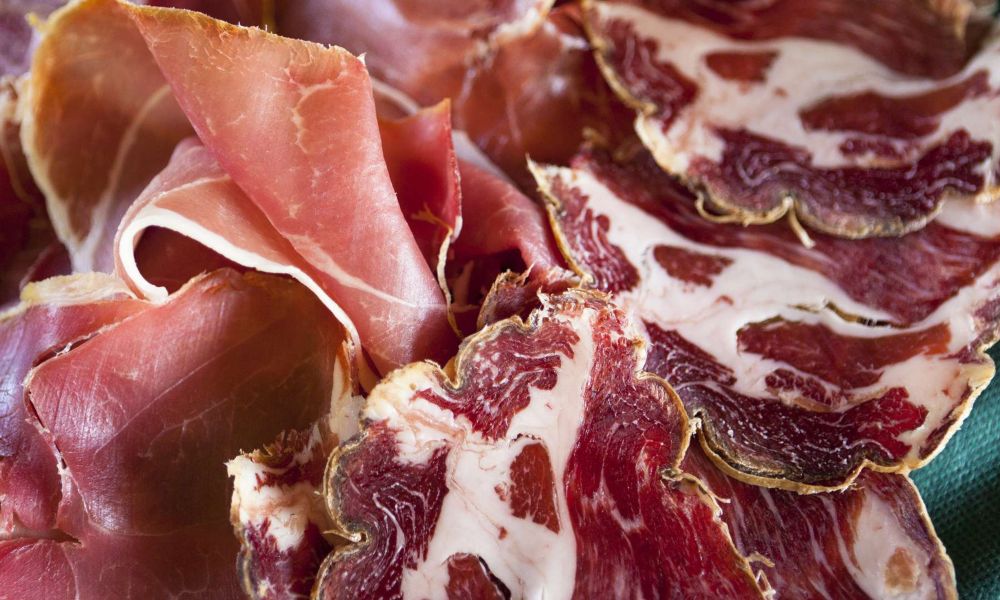
1. Ancient Origins and Early Techniques
The practice of curing and preserving meats has ancient roots in the Basque Country, dating back to a time when refrigeration was not available and people needed to find ways to store food for extended periods. The earliest methods of charcuterie production relied on the use of salt and smoke to prevent spoilage and enhance flavor.
During the Roman Empire, the Basque Country was an important center of trade and commerce, and the influence of Roman cuisine can be seen in some of the region’s charcuterie traditions. For example, the use of spices like black pepper and cumin in Basque sausages may have been inspired by Roman recipes.
In the Middle Ages, the development of Basque charcuterie was further influenced by the region’s strategic location along the Camino de Santiago, a major pilgrimage route that brought travelers from across Europe. This exposure to different cultures and culinary traditions likely contributed to the diversity and richness of Basque charcuterie.
2. The Development of Distinctive Basque Charcuterie Products
Over time, the Basque Country developed its own distinctive styles and specialties of charcuterie, each with its own unique flavor profile and production methods. These regional variations were shaped by factors such as local climate, available ingredients, and the specific breeds of animals raised in the area.
One of the most famous examples of Basque charcuterie is Bayonne ham, a cured ham that is protected by a designation of origin (AOC) and must be produced in the Basque Country or neighboring regions using specific breeds of pigs and traditional methods. The hams are salted, air-dried, and aged for at least 12 months, resulting in a tender, melt-in-your-mouth texture and a complex, nutty flavor.
Another iconic Basque charcuterie product is Espelette pepper sausage, which features the famous red peppers grown in the village of Espelette. These peppers, known for their sweet, slightly spicy flavor and bright red color, are dried and ground into a powder before being mixed with pork and other seasonings to create a flavorful, aromatic sausage.
3. The Impact of Industrialization and Modernization
The 20th century brought significant changes to the production of Basque charcuterie, as new technologies and regulations transformed the industry. The advent of refrigeration and modern processing methods made it possible to produce charcuterie on a larger scale and distribute it more widely.
However, these developments also posed challenges to the traditional methods and artisanal producers of Basque charcuterie. The rise of industrialized production and the pressure to conform to standardized food safety regulations threatened to erode the diversity and uniqueness of the region’s cured meats.
In recent years, there has been a renewed interest in preserving and promoting the traditional methods and flavors of Basque charcuterie. Many producers have embraced a return to artisanal, small-scale production, focusing on quality over quantity and using heritage breeds and local ingredients to create custom charcuterie boards that showcase the true character of the region.
This revival of traditional charcuterie production has not only helped to safeguard the culinary heritage of the Basque Country but has also created new opportunities for tourism and economic development, as visitors from around the world seek out the unique flavors and experiences of Basque-cured meats.
The Step-by-Step Process of Crafting Basque Charcuterie
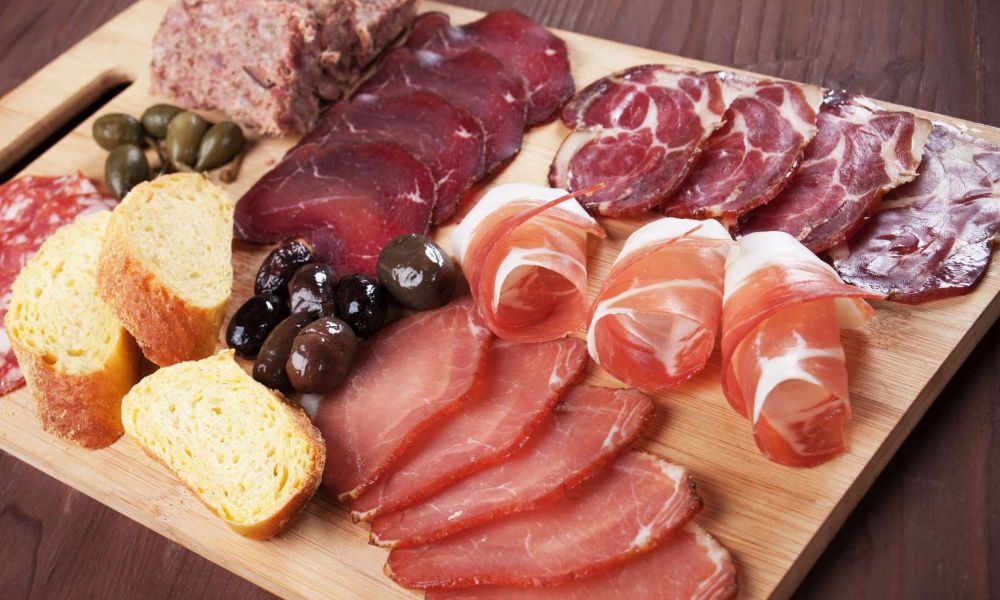
The creation of Basque charcuterie is a meticulous art that balances tradition with precise, scientific methods. Every product represents a journey from raw ingredients to a delicately crafted culinary delight. Below, we explore the key stages involved in producing high-quality Basque charcuterie.
1. Selection of Ingredients
The process begins with the careful selection of prime ingredients. Basque charcutiers place a significant emphasis on sourcing heritage breeds of pigs and other livestock that are indigenous to the region. These animals are typically raised in a manner that respects traditional farming practices, providing a natural diet and ample grazing time to ensure the meat is rich in flavor and quality. Complementary ingredients, such as spices, herbs, and peppers, are also selected with the same attention to quality, often sourced locally to maintain the authenticity of the flavors.
2. Preparation and Seasoning
Once the ingredients are procured, the next phase involves butchering the meat and preparing it for curing. The cuts of meat are meticulously trimmed, with any excess fat or sinew removed to enhance the final texture of the product. Seasoning is a crucial step, where a blend of salt, spices, and in some cases, regional specialties like Espelette pepper, are applied to the meat. This seasoning not only infuses the meat with rich flavors but also plays an essential role in the preservation process.
3. Curing and Fermentation
The seasoned meat then undergoes the curing process, which can vary significantly depending on the type of charcuterie being produced. Traditional methods often involve dry-curing, where the charcuterie is hung in controlled environments to allow natural processes to take effect.
The climate of the Basque Country, with its mild temperatures and steady humidity, provides ideal conditions for this stage. Curing can last anywhere from several weeks to many months, during which the meat undergoes fermentation. This chemical transformation is key to developing the complex flavors and firm texture characteristic of Basque charcuterie.
4. Air-Drying and Aging
After curing, the charcuterie enters the air-drying phase. This critical step involves hanging the meats in well-ventilated areas to encourage further moisture loss and flavor concentration. The aging period can significantly influence the final taste, with some products requiring up to two years to achieve their full potential. During aging, the meats are regularly monitored to ensure consistent quality and safety.
5. Quality Control
Throughout the production process, quality control is paramount. Artisans meticulously inspect each batch to ensure that it meets the rigorous standards of Basque charcuterie. This includes checking for proper fermentation, flavor balance, and overall appearance. Any deviations from these standards can lead to adjustments or, in some cases, the rejection of the batch, underscoring the commitment to excellence that defines Basque charcuterie.
FAQs
1. What is Basque charcuterie?
Basque charcuterie refers to a variety of cured meats and sausages traditionally produced in the Basque Country, using artisan methods and locally sourced ingredients. Known for its rich flavors and high quality, Basque charcuterie includes products like dry-cured hams, Espelette pepper sausages, and other regional specialties.
2. How long does the curing process take for Basque charcuterie?
The curing process for Basque charcuterie can vary depending on the specific product being made. Typically, curing can last from several weeks to many months. Some charcuterie, particularly high-quality hams, may require up to two years to reach their full potential.
3. What makes Espelette pepper sausage unique?
Espelette pepper sausage is distinguished by the use of Espelette peppers, which are grown in the Basque village of Espelette. These peppers impart a sweet, slightly spicy flavor and a bright red color to the sausage, making it a signature product of Basque charcuterie.
4. Are there any regulations governing the production of Basque charcuterie?
Yes, the production of Basque charcuterie is subject to strict regulations to ensure quality and safety. These regulations often pertain to the types of ingredients used, the curing methods, and the hygiene standards during production. Some products may also be protected by geographical indications, safeguarding their traditional preparation methods.
5. How can I best enjoy Basque charcuterie?
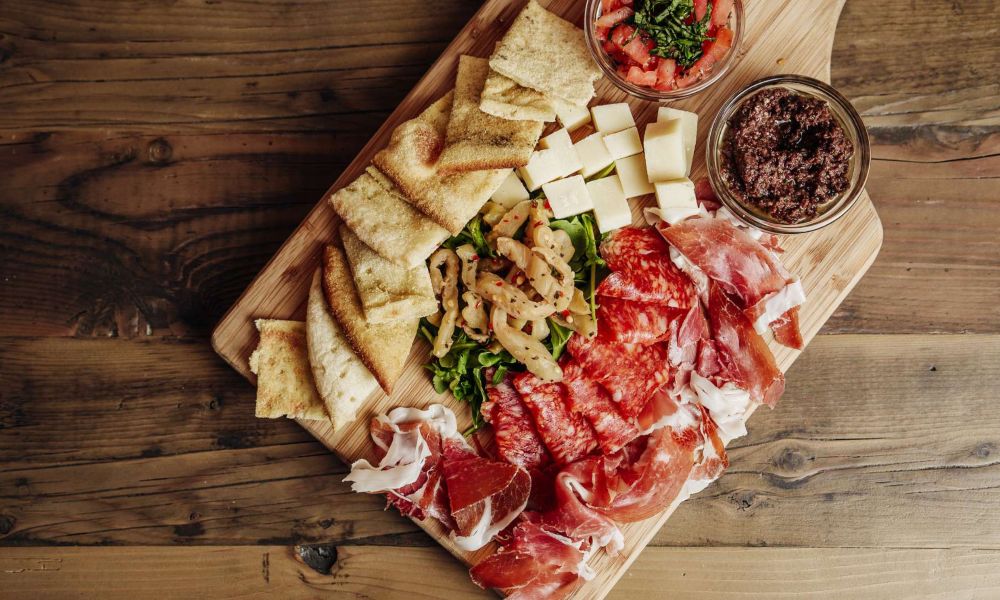
To fully appreciate Basque charcuterie, it’s best enjoyed as part of a charcuterie board paired with complementary foods such as cheese, bread, and wine. Serving the meats at room temperature allows their flavors to fully develop, providing an authentic and delicious tasting experience.
Final Thoughts
The production of Basque charcuterie is more than just a method of food preservation; it is a significant cultural practice that symbolizes the region’s heritage, values, and community spirit. By maintaining traditional methods and focusing on quality, Basque charcutiers continue to offer products that are not only delicious but also a testament to the enduring legacy of Basque cuisine.
As modern consumers seek authentic, artisanal foods, Basque charcuterie stands out as a timeless example of culinary excellence. So, the impact of industrialization and modernization on Basque charcuterie has not only brought challenges but also opportunities for preservation and promotion.
By embracing tradition while incorporating new technologies and techniques, Basque charcutiers have created a unique culinary experience that celebrates the region’s heritage and continues to delight palates around the world. We hope this guide was informative and inspires you to seek out the distinctive flavors of Basque charcuterie for yourself.
0 Comments
Most Voted