Is Distilled Water the Same as Filtered Water? | Keys

Water is essential for life, and ensuring access to clean, safe drinking water is a top priority for people around the world. However, with the increasing number of contaminants found in our water supply, many individuals are turning to alternative methods of water purification to ensure the safety and quality of their drinking water. Two of the most common methods for obtaining clean water are distillation and filtration.
While both distillation and filtration aim to provide pure water, the processes involved and the resulting water quality can differ significantly. This has led to a common question among consumers: Is distilled water the same as filtered water? The answer is not as simple as a yes or no, as it depends on various factors such as the specific type of water-filtration method used and the intended use of the water.
In this comprehensive blog post, we’ll dive deep into the world of distilled and filtered water, exploring the key differences between these two methods of water treatment. By understanding the advantages and disadvantages of each approach, you’ll be better equipped to make informed decisions about your drinking water and choose the best option for your specific needs and preferences.
What is Distilled Water?
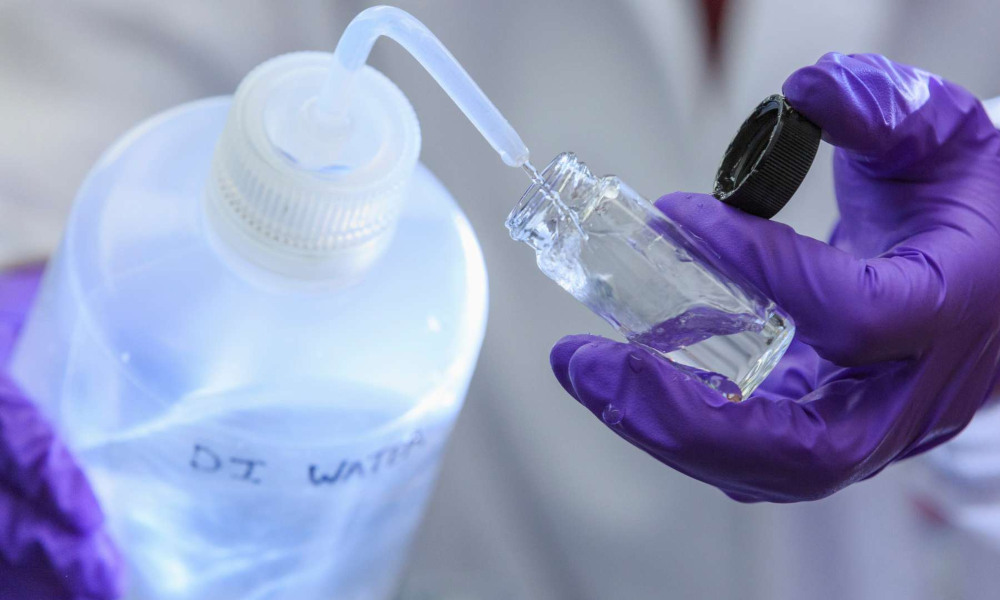
Distillation is a process that involves boiling water and collecting the resulting steam, which is then condensed back into liquid form. This process is designed to remove impurities and contaminants from the water, leaving behind a pure and clean type of water.
So, during the distillation process, water is heated to its boiling point, causing it to evaporate and leave behind any dissolved solids, minerals, and other contaminants. The steam is then collected and cooled, allowing it to condense back into liquid form. This condensed water is known as distilled water and is considered to be one of the purest forms of water available.
Advantages of Distilled Water
One of the main advantages of distilled water is its purity and lack of contaminants. Because the distillation process removes virtually all impurities, distilled water is often used in medical and industrial applications where water purity is of the utmost importance. For example, distilled water is commonly used in laboratory experiments, as well as in the production of certain medications and cosmetics.
Disadvantages of Distilled Water
However, distilled water also has some disadvantages. One of the most significant drawbacks is its lack of essential minerals. During the distillation process, not only are harmful contaminants removed, but beneficial minerals like calcium and magnesium are also left behind. This can lead to potential health risks associated with long-term consumption of distilled water, as the body may not receive the necessary minerals it needs to function properly.
What is Filtered Water?
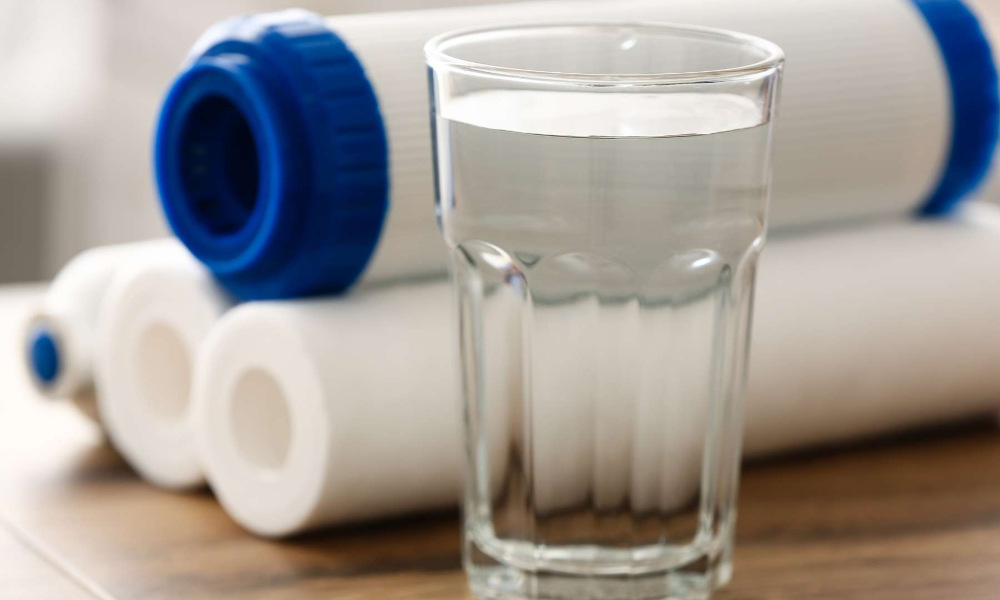
Filtration, on the other hand, is the process of passing water through a filter to remove impurities and contaminants. Unlike distillation, which involves boiling the water, filtration relies on physical barriers, chemical reactions, or biological processes to remove unwanted substances from the water.
There are several types of water filtration systems available, each with its own unique set of advantages and disadvantages. Some of the most common water filtration methods include:
- Activated Carbon Filters: These filters use activated carbon to remove chlorine, sediment, and other impurities from the water, improving its taste and odor.
- Reverse Osmosis Systems: Reverse osmosis systems force water through a semi-permeable membrane, removing a wide range of contaminants, including dissolved solids, bacteria, and viruses.
- Ceramic Water Filters: Made from porous ceramic material, these filters are effective at removing bacteria, protozoa, and other microorganisms from the water.
- Ultraviolet (UV) Light Filtration: UV light filtration systems use ultraviolet light to disinfect water, killing harmful bacteria and viruses without the use of chemicals.
- Fluoride Water Filters: Designed specifically to remove fluoride from drinking water, these filters use specialized media such as activated alumina or bone char to adsorb fluoride ions.
Advantages of Filtered Water
One of the main advantages of filtered water is the removal of harmful contaminants while retaining essential minerals. Depending on the type of water filter used, filtered water can effectively remove a wide range of impurities, including chlorine, sediment, bacteria, and heavy metals, resulting in clean and safe drinking water.
Additionally, filtered water often has improved taste and odor compared to unfiltered tap water, making it more appealing for daily consumption.
Disadvantages of Filtered Water
However, filtered water also has some potential drawbacks. One concern is the possibility of incomplete removal of certain contaminants, particularly if the water filtration system is not properly maintained or if the filters are not replaced regularly. Moreover, some filtration methods, such as reverse osmosis, can remove beneficial minerals along with the contaminants, which may require remineralization for optimal health.
Key Differences Between Distilled and Filtered Water
1. Purity and Mineral Content
One of the most significant differences between distilled and filtered water is the level of purity and mineral content. Distilled water is considered ultra-pure, as the distillation process removes virtually all contaminants and minerals from the water. While this can be beneficial in certain situations, such as in laboratory or medical settings, it can also be a drawback for everyday consumption, as the body requires certain minerals for proper functioning.
Filtered water, on the other hand, can retain some beneficial minerals, depending on the type of water filtration system used. For example, activated carbon filters and ceramic filters can remove impurities while leaving essential minerals like calcium and magnesium in the water.
2. Taste and Odor
Another key difference between distilled and filtered water is taste and odor. Distilled water is often described as having a flat or bland taste due to the absence of minerals and dissolved solids. This lack of taste can be unappealing to some people, especially those accustomed to the natural flavor of tap or spring water.
Filtered water, in contrast, can have an improved taste and odor compared to unfiltered tap water. By removing chlorine, sediment, and other impurities, water filtration can result in cleaner, fresher-tasting water that is more enjoyable to drink.
3. Health Implications
The choice between distilled and filtered water can also have health implications. As mentioned earlier, the lack of minerals in distilled water can potentially lead to mineral deficiencies if consumed exclusively over a long period. This is because the body requires a balanced intake of essential minerals to maintain optimal health and function properly.
Filtered water, on the other hand, can provide these essential minerals while still removing harmful contaminants. However, it is important to note that the specific health benefits of filtered water can vary depending on the type of water filtration system used and the quality of the source water.
4. Suitability for Various Applications
Distilled and filtered water also differ in their suitability for various applications. Distilled water is often the preferred choice for medical and industrial uses, such as in laboratory experiments, surgical procedures, and the production of certain medications and cosmetics. In these situations, the ultra-pure nature of distilled water is essential to ensure accurate results and prevent contamination.
Filtered water, on the other hand, is generally more suitable for daily drinking and cooking. It provides a balance of purity and mineral content, making it a healthy and convenient option for most households.
5. Cost and Availability
Finally, cost and availability can also be factors to consider when choosing between distilled and filtered water. Distilled water is often more expensive and less readily available than filtered water, as the distillation process is more energy-intensive and requires specialized equipment.
Filtered water, in contrast, is generally more affordable and accessible, with a wide range of water filtration systemsavailable for home use. From simple pitcher filters to more advanced under-sink systems, there are options to suit every budget and lifestyle.
Choosing the Right Water for Your Needs
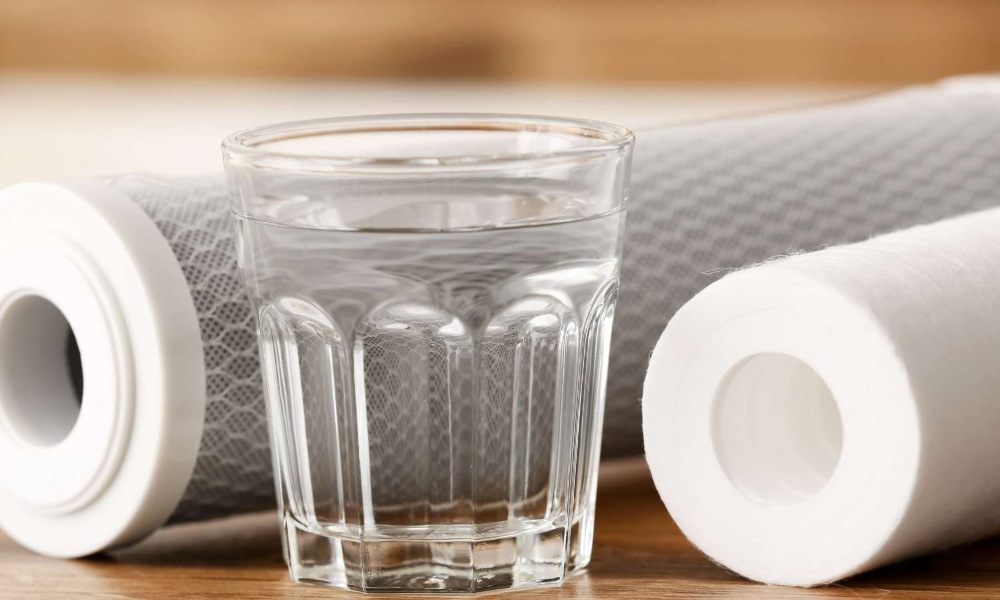
The choice between filtered water and distilled water depends on the intended use. For household purposes such as drinking, cooking, and bathing, filtered water is generally sufficient. It is effective in removing some impurities, retains minerals, and is readily available.
However, for applications that require almost pure water, such as laboratory experiments and medical procedures, distilled water is the preferred choice. It is the most effective method of producing water with a very low conductivity, making it suitable for applications that require high purity. Additionally, distilled water is useful in household appliances such as humidifiers, and CPAP machines.
Alternatives to Distilled and Filtered Water
In addition to distilled and filtered water, there are other alternatives worth considering:
Spring Water
Spring water is naturally filtered by the earth and is often rich in beneficial minerals. It is sourced from underground aquifers and is typically free from harmful contaminants. However, it is important to ensure that the spring water comes from a reliable and properly maintained source.
Alkaline Water
Alkaline water has a higher pH level than regular tap water and is believed by some to have various health benefits, such as improved hydration and acid-base balance. However, the scientific evidence supporting these claims is limited, and the long-term effects of consuming alkaline water are not well understood.
FAQs
1. What is the main difference between distilled water and filtered water?
The main difference between distilled and filtered water lies in the purification process. Distillation involves boiling water and collecting the condensed steam, resulting in ultra-pure water that lacks minerals. Filtration, on the other hand, passes water through a filter to remove contaminants while retaining some beneficial minerals.
2. Is it safe to drink distilled water?
While it is generally safe to drink distilled water in moderation, long-term exclusive consumption may lead to mineral deficiencies. Distilled water lacks essential minerals that the body needs for optimal health, so it is important to ensure a balanced intake of minerals from other sources if you regularly consume distilled water.
3. Can filtered water remove all contaminants?
The effectiveness of filtered water in removing contaminants depends on the specific type of water filter used. Some filters, such as reverse osmosis systems, can remove a wide range of contaminants, while others may target specific impurities. It is important to choose a water filtration system that is appropriate for your specific water quality concerns.
4. Do I need a water softener if I have a water filtration system?
Water softeners and water filtration systems serve different purposes. While water filters remove contaminants, water softeners specifically target hard minerals like calcium and magnesium. If you have hard water, a water softener can help prevent scale buildup and improve the efficiency of your appliances, even if you already have a water filtration system in place.
5. How often should I replace my water filter?
The frequency of water filter replacement depends on the type of filter and the specific manufacturer’s recommendations. In general, most filters should be replaced every 3-6 months, or sooner if you notice a decrease in water quality or flow rate. Regularly replacing your water filter ensures that your water filtration system continues to work effectively and provides the highest quality drinking water.
Final Thoughts
While distilled and filtered water share the common goal of providing clean water, they differ in their methods of water purification and the resulting water quality. Distilled water is ultra-pure but lacks essential minerals, while filtered water can remove contaminants while retaining some beneficial minerals.
Ultimately, the choice between distilled and filtered water depends on your specific needs, preferences, and intended use. By understanding the key differences between these two types of water and considering factors such as water quality, health implications, and cost, you can make an informed decision about the best option for you.
Regardless of your choice, the importance of clean and safe drinking water cannot be overstated. By investing in a reliable water treatment system or selecting a high-quality water source, you can ensure that you and your family have access to the cleanest and healthiest water possible.
0 Comments
Most Voted